Nipple Earrings 101: A Beginner's Guide to Body Jewelry
Discover everything about nipple earrings, from safe implant-grade titanium to standard gauge sizes and healing tips in our beginner-friendly guide.

Bridging the Gap: From Ear Curation to Body Jewelry
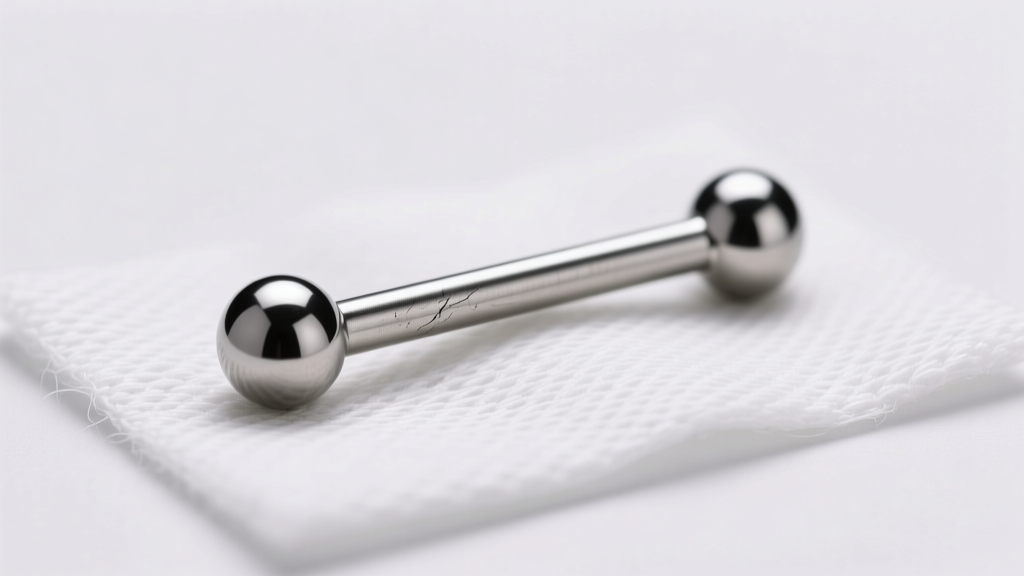
While Jewel Style Radar is your premier destination for ear curation, lobe stacking, and cartilage styling, we recognize that the journey into body modification often extends beyond the ear. Many of our readers researching high-end body jewelry use the colloquial search term 'nipple earrings' when looking for safe, aesthetically pleasing options for nipple piercings. While technically classified as body jewelry rather than earrings, the fundamental principles of metallurgy, anatomical sizing, and safe healing protocols remain exactly the same.
If you are considering this piercing, or if you have recently gotten one and need to upgrade your initial jewelry, this beginner-friendly explainer will guide you through the exact specifications required for a safe, comfortable, and beautiful result. We will cover implant-grade materials, precise gauge sizing, internal threading standards, and the realistic healing timelines you need to know in 2026.
The Metallurgy of Safe Body Jewelry
Just as you would never put mystery metal in a fresh cartilage piercing, you must be incredibly strict about the materials used in nipple jewelry. The tissue in this area is highly sensitive, and the piercing channel (the fistula) is prone to irritation and rejection if exposed to reactive metals.
Approved Materials for Initial and Healed Piercings
- Implant-Grade Titanium (ASTM F136): This is the gold standard for initial piercings. It is completely nickel-free, highly biocompatible, and lightweight. Brands like Anatometal and Industrial Strength use this exact alloy.
- Niobium: A highly reactive element that forms a protective oxide layer, making it safe for most people with metal sensitivities. It cannot be polished to a mirror finish like titanium but is an excellent, safe alternative.
- Solid 14k or 18k Gold: For healed piercings only, solid gold (yellow, white, or rose) is a luxurious option. It must be nickel-free and alloyed for biocompatibility. Avoid gold-plated or gold-filled jewelry entirely, as the plating will eventually wear off, exposing the reactive base metal to the fistula.
According to the Association of Professional Piercers (APP), surgical stainless steel (even 316L) is no longer recommended for initial piercings due to its nickel content, which can cause severe contact dermatitis and delayed healing.
Understanding Threading: A Non-Negotiable Standard
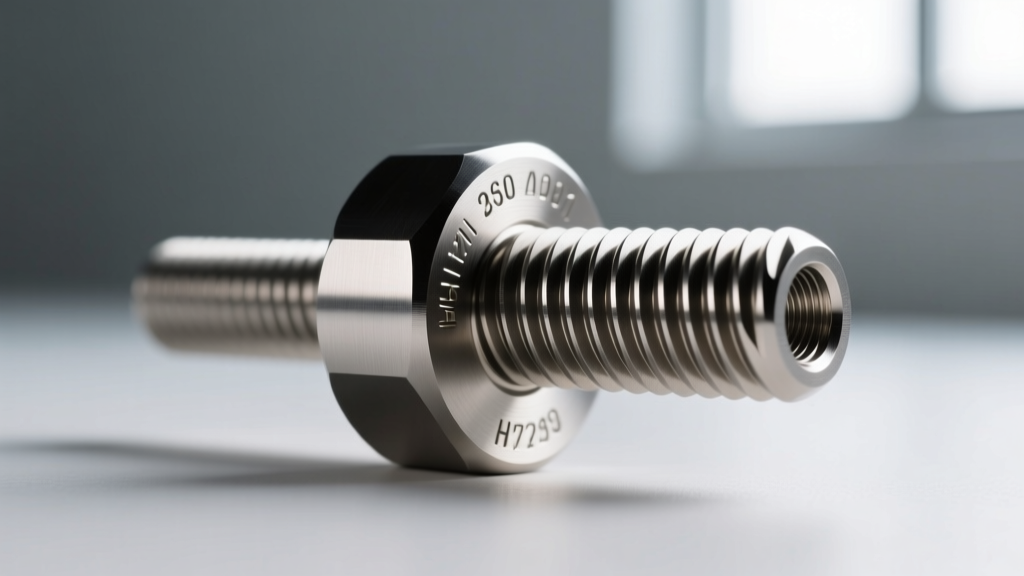
When shopping for barbell ends or decorative tops, the way the jewelry screws together is just as important as the metal itself. There are three main types of threading in the body jewelry industry, but only two are acceptable for your body.
Internally Threaded Jewelry
In internally threaded jewelry, the screw mechanism is on the decorative end (the ball or gem), and the post (the bar that goes through your body) is smooth. This is crucial because it means the smooth, polished post glides through your piercing channel without scratching or tearing the delicate fistula tissue.
Threadless (Press-Fit) Jewelry
Threadless jewelry uses a slight bend in the pin of the decorative end that creates tension against the inside of the hollow post. This is highly secure, completely smooth on the outside, and is rapidly becoming the preferred choice for high-end body jewelry curations in 2026.
Externally Threaded (Avoid Completely)
Externally threaded jewelry has the screw pattern cut directly into the barbell post. Dragging sharp, jagged metal threads through a piercing channel causes micro-tears, introduces bacteria, and guarantees irritation. Never wear externally threaded jewelry, regardless of whether the piercing is fresh or fully healed.
Sizing, Gauges, and Anatomical Variations
Nipple anatomy varies drastically from person to person, and proper sizing is essential to prevent migration, rejection, or the 'cheese-cutter effect' (where jewelry that is too thin slowly slices through the tissue). The standard gauge for this piercing is 14G, though some anatomies require a thicker 12G post for stability.
| Gauge Size | Millimeter (mm) | Standard Application |
|---|---|---|
| 16G (1.2mm) | 1.2mm | Too thin; high risk of migration and cheese-cutter effect. |
| 14G (1.6mm) | 1.6mm | The industry standard for initial and healed piercings. |
| 12G (2.0mm) | 2.0mm | Recommended for larger anatomy or to prevent rejection. |
| 10G (2.5mm) | 2.5mm | Rare; typically used only for intentional stretching. |
Barbell Length and Swelling
For a fresh piercing, your piercer will insert a longer barbell—typically 5/8 inch (16mm) or 3/4 inch (19mm)—to accommodate the initial swelling. Once the swelling subsides (usually between 4 to 8 weeks), you must return to your piercer to be 'downsized' to a shorter post, usually 3/8 inch (10mm) or 1/2 inch (12mm). Wearing a barbell that is too long after the swelling has gone down will cause the jewelry to catch on clothing, leading to irritation bumps and delayed healing.
Popular Styles Beyond the Basic Barbell
While a straight barbell with simple titanium or gem balls is the mandatory choice for the initial healing period, healed piercings open up a world of aesthetic possibilities that rival any ear curation.
Nipple Shields
Shields are decorative halos that sit around the base of the nipple, held in place by the barbell. They range from minimalist geometric rings to intricate, lace-like filigree designs. Because shields add weight and friction, they should only be worn in fully healed piercings (12+ months) and should be removed for sleeping or vigorous exercise to prevent tissue trauma.
Captive Bead Rings (CBRs) and Clickers
Rings offer a completely different aesthetic and movement profile. However, rings should never be used in initial piercings, as the circular shape puts uneven pressure on the straight healing channel, which can cause the piercing to heal at an angle or migrate. Once healed, hinged segment rings or clickers provide a seamless, continuous hoop look that is both secure and visually striking.
The Healing Protocol: What to Expect
Nipple piercings are notorious for their lengthy healing timelines. While the initial tenderness will subside within a few weeks, the internal fistula takes significantly longer to mature. You should expect a minimum healing time of 6 to 12 months, and sometimes up to 18 months for complete stabilization.
Daily Aftercare Routine
- Sterile Saline Only: Spray the piercing twice a day with a sterile 0.9% sodium chloride wound wash. Do not use homemade sea salt soaks, which are often improperly proportioned and can dehydrate the tissue.
- Leave It Alone: Never twist, turn, or slide the barbell. Moving the jewelry tears the fragile new cells forming inside the channel.
- Shower Precautions: Avoid direct, high-pressure water streams on the chest. Let warm water run over the area gently to rinse away saline and lymph.
- Clothing Choices: Wear a snug, breathable cotton bralette or tank top to bed to prevent the jewelry from catching on blankets. Avoid lace or rough synthetic fabrics that can harbor bacteria.
For comprehensive, medically reviewed aftercare instructions, always refer to the official APP aftercare guidelines, which remain the global benchmark for safe piercing maintenance.
Trusted Brands and Investment Pricing
High-quality body jewelry is an investment in your health and anatomy. Cheap, mall-kiosk jewelry will inevitably lead to complications. When shopping for your initial barbell or your first set of healed upgrades, look for these reputable, APP-compliant manufacturers:
- Anatometal: Known for their flawless mirror finishes and precise internal threading. A basic 14G titanium barbell with standard balls typically costs between $45 and $70.
- Industrial Strength (IS2): Offers an incredible range of synthetic gem colors and bezel settings. Expect to pay $50 to $90 for a post and gem ends.
- BVLA (Body Vision Los Angeles): The pinnacle of luxury body jewelry. Their solid 14k and 18k gold ends, featuring genuine diamonds and precious stones, range from $150 to over $600 per end.
- Junipurr Jewelry: Excellent for threadless gold ends, offering unique, modern designs that pair perfectly with titanium posts.
Final Thoughts on Your Body Jewelry Journey
Transitioning from ear piercings to body jewelry requires the same dedication to quality, anatomy, and professional application. By understanding the critical importance of implant-grade titanium, internal threading, and proper gauge sizing, you set yourself up for a successful, comfortable, and beautiful piercing experience. Always consult with an APP-certified professional piercer to assess your unique anatomy, and remember that patience during the 12-month healing window is the ultimate key to a perfect result.


