Decoding the One Earring Meaning: Cultural History & Styling
Explore the one earring meaning across history and modern culture. Plus, expert technical tips on gauge, weight, and styling a single earring.

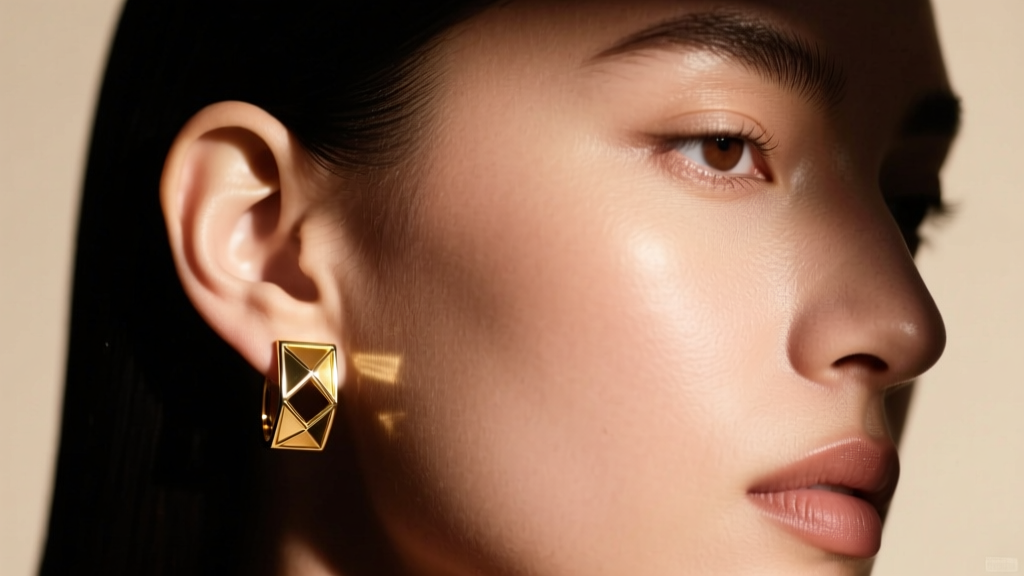
The decision to wear a single earring is rarely a mere oversight. Throughout history, the asymmetrical adornment of the ear has carried heavy semiotic weight, functioning as a marker of class, rebellion, maritime superstition, and sexual identity. Today, the one earring meaning has evolved from rigid societal codes into a sophisticated exercise in avant-garde styling and anatomical curation. For the modern jewelry enthusiast and piercing connoisseur, mastering the single-earring look requires an understanding of both its complex cultural lineage and the strict biomechanical limits of ear tissue.
The Semiotics of Asymmetry: Tracing the One Earring Meaning
To understand the contemporary one earring meaning, we must examine its historical precedents. During the Elizabethan era, a single pearl or gold drop earring was a hallmark of aristocratic men. Figures like Sir Walter Raleigh and William Shakespeare were famously depicted wearing a solitary earring, signaling wealth, global travel, and a connection to the maritime trade routes that brought exotic gems to England. According to the Victoria and Albert Museum, male jewelry in the 16th century was deeply tied to courtly display and the patronage of the arts, with asymmetry serving as a deliberate flourish of eccentricity.
By the 18th century, the meaning shifted to the high seas. Pirates and sailors adopted the single gold hoop not as fashion, but as a pragmatic insurance policy. The gold was intended to pay for a proper Christian burial should their body wash ashore, while the piercing itself was sometimes believed to improve eyesight or ward off drowning.
In the late 20th century, specifically the 1970s through the 1990s, the single earring became heavily codified in Western pop culture. The pervasive "left is right, right is wrong" myth assigned strict sexual identifiers to ear piercings, turning a simple piece of jewelry into a clandestine signaling system for the LGBTQ+ community. However, as we navigate the fashion landscape of 2026, these rigid binaries have been entirely dismantled. Today, wearing one earring is an exercise in gender-fluid aesthetics, architectural imbalance, and high-fashion editorial styling, championed by luxury houses that routinely send models down the runway with a single, oversized sculptural piece.
Anatomical & Technical Considerations for Single-Ear Styling
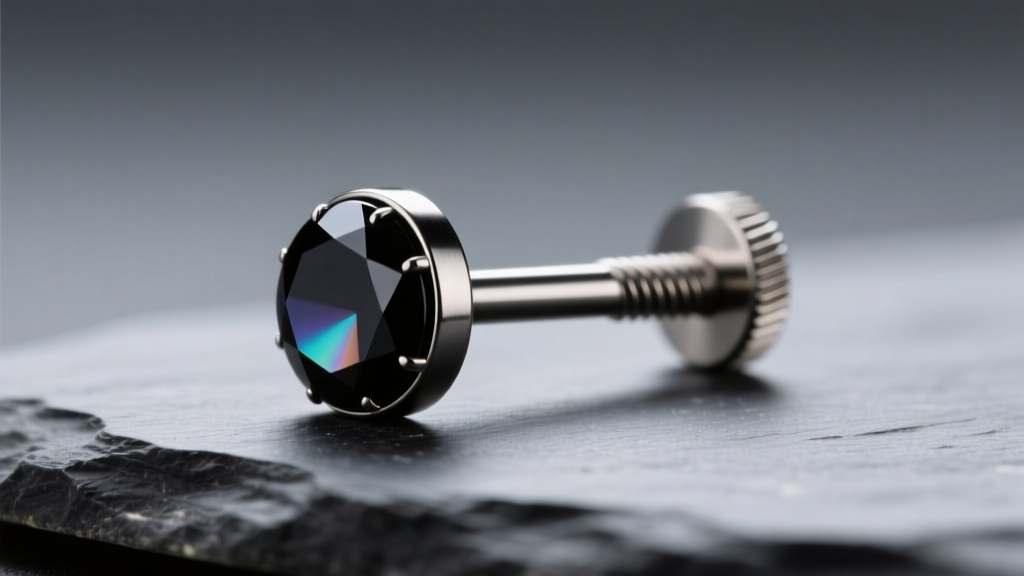
When curating a single-earring look, the technical execution is just as critical as the aesthetic. The primary challenge of wearing a solitary statement piece is the lack of visual and physical counterbalance. This introduces specific biomechanical risks to the earlobe or cartilage.
The Cheese-Cutter Effect and Gauge Sizing
The most common failure mode in single-earring styling is tissue migration, colloquially known in the piercing industry as the "cheese-cutter effect." This occurs when a heavy earring is suspended from a thin wire. The downward gravitational force concentrates on a microscopic surface area, slowly slicing through the tissue over time.
- Standard Lobe Piercings (20g - 18g): Suitable only for lightweight studs or small huggies under 3 grams. Wearing a heavy single drop on an 18-gauge (1.0mm) wire will cause irreversible lobe stretching.
- Statement Single Pieces (14g - 12g): If your single earring exceeds 8 grams, you must size up the jewelry post. A 14-gauge (1.6mm) or 12-gauge (2.0mm) wire distributes the weight across a wider surface area, preserving the structural integrity of the fistula (the piercing channel).
- Heavy Sculptural Cuffs (0g+): For massive avant-garde pieces, the jewelry should not rely on the piercing hole for support. Instead, utilize tension-based ear cuffs that clamp to the helical fold, or opt for a dermal anchor base.
The Association of Professional Piercers (APP) consistently advises against wearing heavy, dangling jewelry for extended periods, recommending that wearers remove heavy single pieces immediately after an event to allow the tissue to recover its baseline elasticity.
Material Science: Metallurgy for Asymmetrical Loads
Because a single earring often serves as the focal point of an outfit, designers frequently use dense, heavy materials to create dramatic silhouettes. However, the density of the metal directly impacts the wearability of the piece. Below is a technical comparison of common jewelry alloys used in statement single earrings.
| Material Grade | Density (g/cm³) | Biocompatibility | Best Use Case for Single Earrings |
|---|---|---|---|
| Implant-Grade Titanium (Ti-6Al-4V) | 4.43 | Exceptional (ASTM F136) | Large, heavy architectural pieces where weight reduction is critical. |
| 18k Yellow Gold | 15.6 | High (if nickel-free) | Luxury drops; requires 14g+ wire to prevent lobe tearing due to high mass. |
| Niobium | 8.57 | Exceptional (Hypoallergenic) | Anodized colorful hoops and cartilage cuffs; offers a middle-ground weight. |
| 316L Surgical Steel | 8.0 | Moderate (Contains Nickel) | Budget-friendly statement pieces; avoid for unhealed or sensitive piercings. |
For those seeking the look of heavy gold without the tissue-damaging weight, hollow-forged 14k gold or electroformed titanium are superior technical choices. These manufacturing techniques create high-volume, visually massive earrings that weigh a fraction of their solid-cast counterparts.
Curating the Single Earring: Placement & Proportion Framework
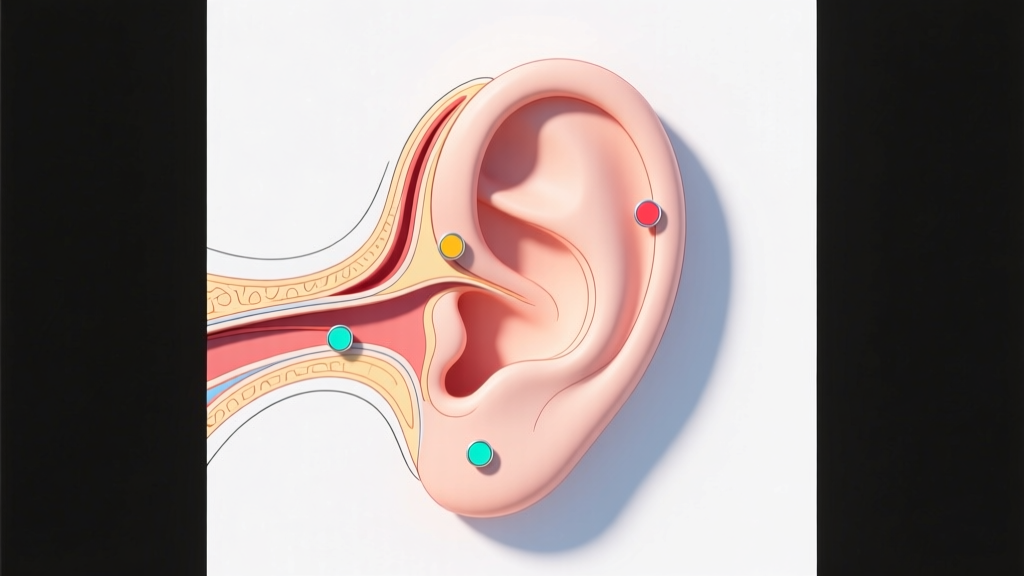
Styling a single earring in 2026 requires a deliberate approach to facial proportions and visual weight distribution. Without a matching counterpart, the single piece will naturally pull the observer's eye, creating an asymmetrical focal point that must be balanced through secondary styling choices.
Placement Zones and Visual Impact
- The Elongated Lobe Drop: A single, shoulder-grazing dangle earring creates a strong vertical line. This is highly effective for softening angular jawlines or adding length to a round face shape. To balance the visual weight, part the hair deeply on the opposite side to expose the neck and collarbone.
- The Helix/Conch Cuff: Placing a single, intricate cuff or cluster in the upper cartilage draws the eye upward, lifting the facial features. This placement is ideal for heart-shaped faces, as the upper-ear volume balances a narrower chin.
- The Industrial Bar: A single industrial barbell spanning the upper ear provides a harsh, geometric line that contrasts beautifully with soft, romantic styling or minimalist streetwear. It acts as an architectural anchor rather than a traditional jewelry accent.
Troubleshooting Asymmetrical Styling
A common issue when wearing one earring is the feeling of "incompleteness" on the bare ear. Expert stylists solve this not by adding a matching earring, but by introducing micro-details to the unadorned side. This could involve a subtle highlight on the cheekbone, an asymmetrical hair tuck, or wearing a single, delicate ring on the hand closest to the bare ear. This creates a diagonal flow of accessories across the body, satisfying the brain's desire for balance without sacrificing the avant-garde impact of the single earring.
Conclusion: Moving Beyond the Myth
"The modern single earring is no longer a coded message or a maritime talisman; it is a study in deliberate imbalance. It forces the wearer to engage with the architecture of their own face, turning the ear into a canvas for sculptural art."
Ultimately, the one earring meaning today is defined entirely by the wearer. By understanding the historical gravity of the asymmetrical piercing, and respecting the technical limits of tissue gauge and metal density, you can elevate the single earring from a casual afterthought to a masterclass in intentional, high-level styling. Whether you opt for a heavy 14k gold drop on a reinforced 12-gauge lobe, or a lightweight titanium cuff tension-set on the helix, the key lies in the precision of the execution.


