Opal Teardrop Earrings: 2026 Budget & Value Guide
Discover the true value of opal teardrop earrings in 2026. Compare natural, lab, and opalite prices, metal grades, and hardware specs before you buy.

The True Cost of Opal Teardrop Earrings in 2026
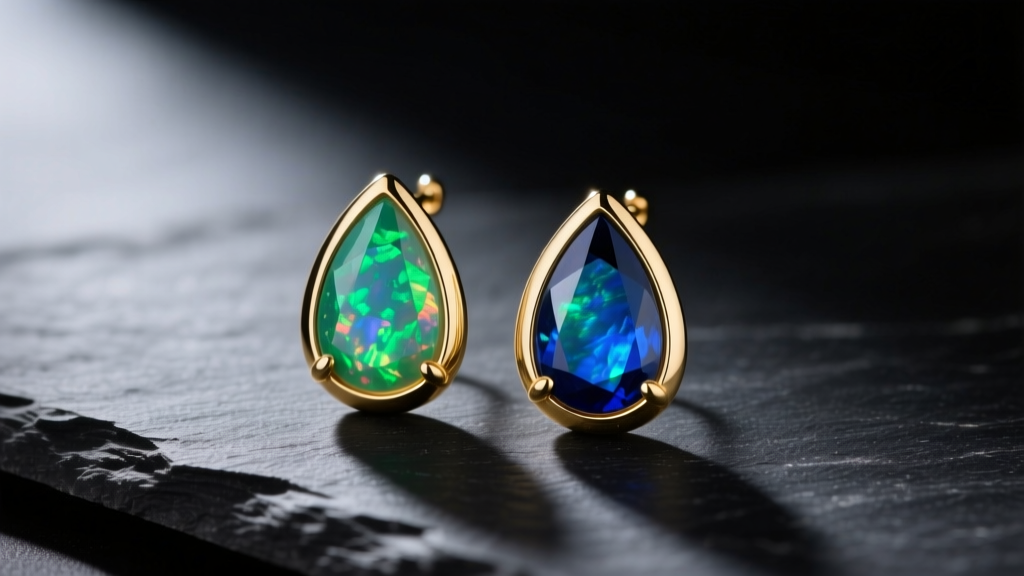
The market for drop earrings has evolved significantly, with opal teardrop earrings emerging as a staple for both everyday elegance and statement styling. However, the pricing landscape for opal jewelry is notoriously opaque. A quick search yields results ranging from $12 to $1,200, leaving buyers confused about what constitutes a fair deal. As a buyer in 2026, understanding the intersection of gemstone origin, cutting waste, and hardware integrity is essential to avoid overpaying for disguised glass or underinvesting in fragile settings.
This comprehensive budget and value assessment breaks down the exact material grades, gauge specifications, and pricing tiers you need to know. Whether you are looking at an entry-level sterling silver pair or an investment-grade solid gold setting, this guide will help you allocate your budget toward actual value rather than marketing markup.
Stone Breakdown: Natural vs. Lab-Created vs. Opalite
The single largest variable in the price of opal teardrop earrings is the stone itself. The teardrop (or pear) cabochon cut is particularly unforgiving. Because opal rough is naturally irregular, cutting a symmetrical, asymmetrical teardrop shape results in up to 60% material waste. This inherent waste drives up the baseline cost of genuine teardrop opals compared to standard rounds or ovals.
1. Natural Ethiopian Welo Opal (The Mid-Tier Standard)
Ethiopian Welo opals dominate the mid-market. They are hydrophane, meaning they are highly porous and absorb water. While they offer spectacular, fiery play-of-color at a relatively accessible price point ($15 to $45 per carat for commercial grades), they carry a hidden long-term cost: maintenance and fragility. If exposed to lotions, perfumes, or water, Welo opals can temporarily lose their fire or, worse, develop internal 'crazing' (cracking) as they dry unevenly. Budget for a 15x10mm Welo teardrop pair set in silver: $60 - $120.
2. Natural Australian Light Opal (The Investment Tier)
Australian opals are non-hydrophane, making them vastly more stable for daily wear. They do not absorb water, meaning their structural integrity remains intact over decades. However, the rough is more expensive, and the play-of-color tends to be tighter and more pastel compared to the neon flashes of Welo. Expect to pay $50 to $150+ per carat. A matched pair of high-quality Australian teardrops in solid gold will easily command $400 - $900+.
3. Gilson Lab-Created Opal (The Smart Alternative)
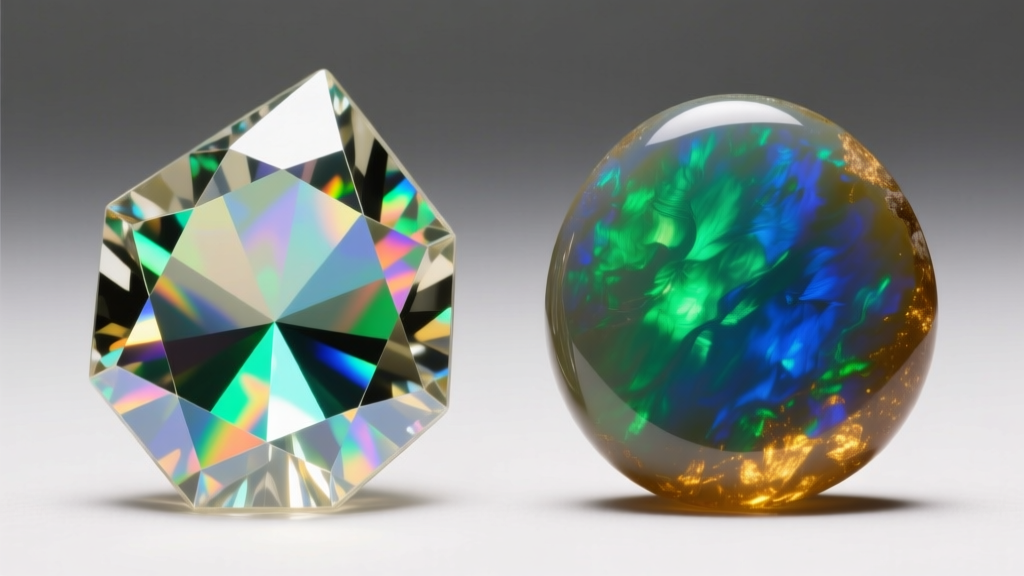
Created by Pierre Gilson in the 1970s and still the gold standard for synthetic opals today, these stones share the exact chemical composition (hydrated silica) as natural opals but are grown in a controlled environment. They are not hydrophane, meaning they won't crack from water exposure, and they exhibit a highly organized, stunning play-of-color. They offer the best durability-to-price ratio for teardrop earrings. Budget: $80 - $180 for high-quality silver or vermeil settings.
4. Opalite (The Budget Trap)
Often deceptively marketed as 'synthetic opal' or 'fire opal,' opalite is simply man-made glass or resin. It lacks the microscopic silica spheres required to create true play-of-color, relying instead on a uniform, milky glow. It scratches easily (Mohs hardness of 5.5 or lower) and holds zero resale value. Budget: $10 - $25. Avoid if you are seeking genuine gemstone value.
Hardware and Metal Settings: Where Budgets Fail
A beautiful teardrop opal is useless if the hardware fails. Teardrop earrings are inherently bottom-heavy, creating a pendulum effect that puts stress on the earring wire and the stone's setting. When assessing value, you must scrutinize the metal and the gauge thickness.
Wire Gauge and Failure Modes
Most teardrop dangles hang from French hook wires. The thickness of this wire, measured in gauge, is critical for security.
- 22-Gauge (0.64mm): Common in ultra-cheap, mass-produced earrings. Failure mode: The wire bends easily when catching on a sweater or hair, opening the loop and causing the heavy teardrop to fall out and be lost.
- 20-Gauge (0.81mm): The industry standard for quality drop earrings. It provides enough rigidity to maintain its shape while remaining comfortable for standard lobe piercings. Always verify the wire is at least 20-gauge.
- 18-Gauge (1.02mm): Used for heavy, oversized teardrops or cartilage conversions, though it may require slightly stretched lobe piercings for comfortable insertion.
Metal Purity and Plating Standards
According to the Federal Trade Commission (FTC) Jewelry Guides, the term 'vermeil' is strictly regulated. To be considered true vermeil, the base must be sterling silver (925), and the gold plating must be at least 10k purity and a minimum of 2.5 microns thick. Many budget brands sell 'gold plated' earrings that are actually brass with a 0.5-micron flash plating that will wear off in weeks, exposing skin to nickel and copper. For long-term value, stick to solid 14k gold, true 14k vermeil, or rhodium-plated 925 sterling silver.
2026 Value Assessment Matrix
Use this matrix to evaluate if the opal teardrop earrings you are considering are priced fairly based on their material composition.
| Stone Material | Metal Setting | Fair Price Range (Pair) | Value Retention | Durability Rating |
|---|---|---|---|---|
| Opalite (Glass) | Brass / Base Metal | $12 - $25 | None | Poor (Scratches) |
| Ethiopian Welo | 925 Sterling Silver | $60 - $120 | Low | Fair (Water sensitive) |
| Gilson Lab Opal | 14k Gold Vermeil | $90 - $180 | Medium | Excellent |
| Australian Light | Solid 14k Gold | $450 - $900+ | High | Excellent |
Red Flags: How to Spot Overpriced Fakes
When shopping for opal teardrop earrings, especially on social media marketplaces or unverified artisan sites, watch out for these common deception tactics:
The 'Created Fire' Loophole: If the description says 'created fire opalite' or 'simulated opal,' you are buying glass. True lab-grown opals are explicitly labeled as 'synthetic' or 'lab-created' opal, not opalite. The Gemological Institute of America (GIA) strictly differentiates between synthetic opal (which has a natural structure) and imitation opal (which does not).
Setting Construction: Bezel vs. Glue
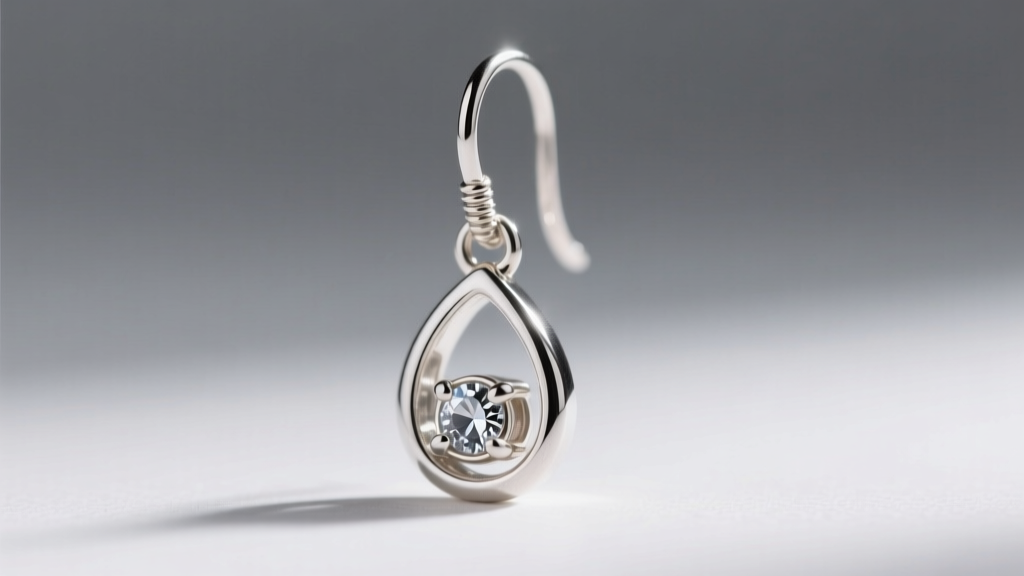
Teardrop opals have a delicate pointed tip. If the stone is set using only jewelry adhesive (glue), the tip is highly vulnerable to chipping, and the glue will eventually degrade from skin oils and temperature changes, resulting in a lost stone. High-value teardrop earrings will feature a partial or full bezel setting, where the metal is physically pushed over the edges of the cabochon. A prong setting can also work, provided there is a specialized V-prong protecting the fragile tip of the teardrop. If you cannot see metal wrapping the edge of the stone under magnification, walk away.
Final Verdict: Maximizing Your Budget
If your budget is under $50, you are almost certainly looking at opalite or heavily included, low-grade natural opals in fragile base-metal settings. The sweet spot for value in 2026 lies in the $90 to $180 range. At this price point, you can acquire genuine Gilson lab-created opals or commercial-grade Ethiopian Welo opals set in heavy 20-gauge sterling silver or true 14k vermeil leverback wires. Leverbacks are highly recommended over French hooks for teardrops, as the secure closure prevents the heavy pendulum stone from swinging off the ear.
For heirloom-quality pieces meant to be worn daily without fear of water damage or structural failure, allocate a budget of $500+ for solid 14k gold and stable Australian opals. By prioritizing stone stability and hardware gauge over sheer carat size, you ensure your opal teardrop earrings remain a valuable, secure, and stunning part of your wardrobe for years to come.


