2026 Gift Guide: Over The Ear Earrings For Every Occasion
Discover the perfect over the ear earrings for any occasion in our 2026 gift guide. Find cuff styles, materials, and fit tips for every recipient.

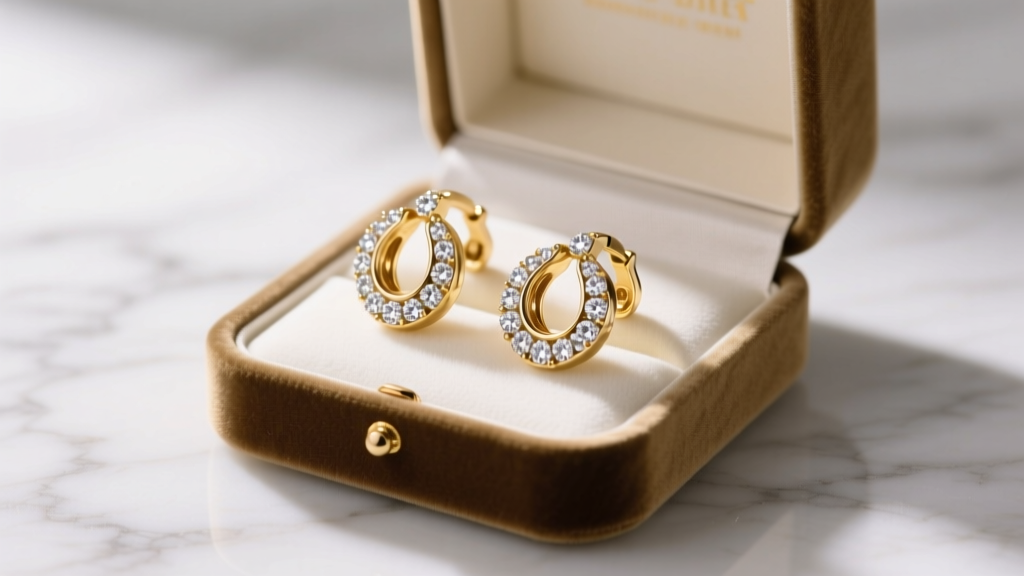
The Appeal of Over the Ear Earrings as Gifts
When it comes to gifting jewelry, finding a piece that feels both deeply personal and effortlessly wearable can be a challenge. Enter the world of over the ear earrings. Unlike traditional studs or hoops that require specific piercing placements, over the ear styles—encompassing ear cuffs, helix wraps, and cartilage climbers—offer a high-impact, editorial look that often requires zero additional piercings. In 2026, these architectural pieces have moved from avant-garde runways to everyday luxury, making them an exceptional gift for fashion-forward friends, partners, and family members.
Gifting an ear cuff or wrap bypasses the anxiety of guessing a recipient's piercing gauge or healing status. However, it introduces new variables: tension mechanics, metal fatigue, and cartilage sensitivity. This comprehensive guide will walk you through the anatomy of over the ear earrings, material grades, and a precise occasion-matching matrix to ensure your 2026 gift is both stunning and structurally sound.
Decoding the Terminology: Cuffs, Wraps, and Chains
Before purchasing, it is vital to understand the mechanical differences between the three primary categories of over the ear jewelry. Each interacts with the ear's anatomy differently.
1. The Tension Ear Cuff
True ear cuffs do not require any piercings. They rely on a C-shaped band that applies gentle inward pressure to the outer rim of the ear (the helix). High-quality cuffs feature a wire thickness between 1.2mm and 1.6mm, providing enough rigidity to stay in place without causing pain. Many modern designs incorporate a small silicone or rubberized inner sleeve to increase friction against the skin, preventing the 20-gram metal band from sliding down the earlobe.
2. The Lobe-to-Helix Ear Wrap
Ear wraps require a standard lobe piercing. The piece features a post that threads through the lobe, attached to a curved wire that travels upward, wrapping around the outer cartilage. Because they are anchored by the lobe piercing, they are significantly more secure than tension cuffs, making them ideal for active recipients or all-day wear.
3. Chain Connectors
These delicate pieces connect a lobe earring to a higher cartilage piercing (or a secondary cuff) via a draping chain. They offer a romantic, vintage aesthetic but require the recipient to have multiple healed piercings.
Material Science: What to Buy for Sensitive Cartilage
Cartilage tissue is notoriously reactive. The skin on the outer ear is thin, and constant friction from a cuff can trigger contact dermatitis if the metal alloy contains nickel or copper. According to the American Academy of Dermatology, nickel allergy is one of the most common causes of allergic contact dermatitis, affecting a significant portion of the population.
When shopping for over the ear earrings as a gift, scrutinize the material composition:
- ASTM F136 Implant-Grade Titanium: The gold standard for sensitive skin. It is completely nickel-free and highly resistant to corrosion. Look for brands that specify 'implant-grade' rather than just 'titanium steel'.
- 14k or 18k Solid Gold: Safe for almost all wearers, provided it is alloyed with silver or copper rather than nickel. White gold should be rhodium-plated to prevent nickel exposure from the underlying alloy.
- Heavy Vermeil vs. Flash Plating: If gifting gold-plated sterling silver, ensure it is 'heavy vermeil' (at least 2.5 microns of gold over sterling silver). Flash-plated items (0.5 microns) will wear away quickly against the friction of the cartilage, exposing the base metal and causing irritation.

Occasion Matching: The 2026 Gifting Matrix
Not all over the ear earrings suit every milestone. Use this matrix to align the jewelry style with the recipient's lifestyle and the significance of the occasion.
| Occasion | Recommended Style | Material & Details | Price Range |
|---|---|---|---|
| Milestone Anniversary | Diamond Pavé Ear Wrap | 18k Gold with VS-clarity melee diamonds | $450 - $1,200 |
| College Graduation | Minimalist Geometric Cuff | 14k Yellow Gold or Platinum | $120 - $300 |
| Music Festival / Edgy Birthday | Oxidized Silver Chain Cuff | Recycled Sterling Silver with spikes | $45 - $95 |
| Corporate Promotion | Sleek Pave-Band Climber | White Gold with lab-grown diamonds | $250 - $600 |
Why the Ear Wrap Wins for Anniversaries
For major anniversaries, the lobe-to-helix ear wrap is superior. The anchoring post allows for heavier, more luxurious designs—such as cascading diamond clusters—without the risk of the piece falling off during a celebratory dinner. The integration of melee diamonds (stones weighing less than 0.18 carats) adds immense sparkle. When evaluating these pieces, refer to guidelines from the Gemological Institute of America (GIA) regarding melee quality; even small stones should exhibit excellent cut symmetry to maximize light return on the curved surface of the ear.
Sizing, Fit, and the Danger of Metal Fatigue
The most common reason over the ear earrings are returned or abandoned is poor fit. Unlike a ring that can be resized by a jeweler, adjusting an ear cuff is a manual process that carries inherent risks.
Expert Warning: Never bend the center of a C-clasp ear cuff to adjust the size. Bending the metal at the exact same stress point repeatedly causes 'metal fatigue,' leading to microscopic fractures and eventual snapping of the band.
How to properly adjust a cuff: Instruct your recipient to apply pressure to the top and bottom vertical arms of the cuff, gently squeezing them together or pulling them apart. This distributes the stress across the entire curve of the metal. If the cuff features a hinged mechanism or an adjustable tension screw (common in high-end 2026 designs), use the provided micro-tool rather than brute force.
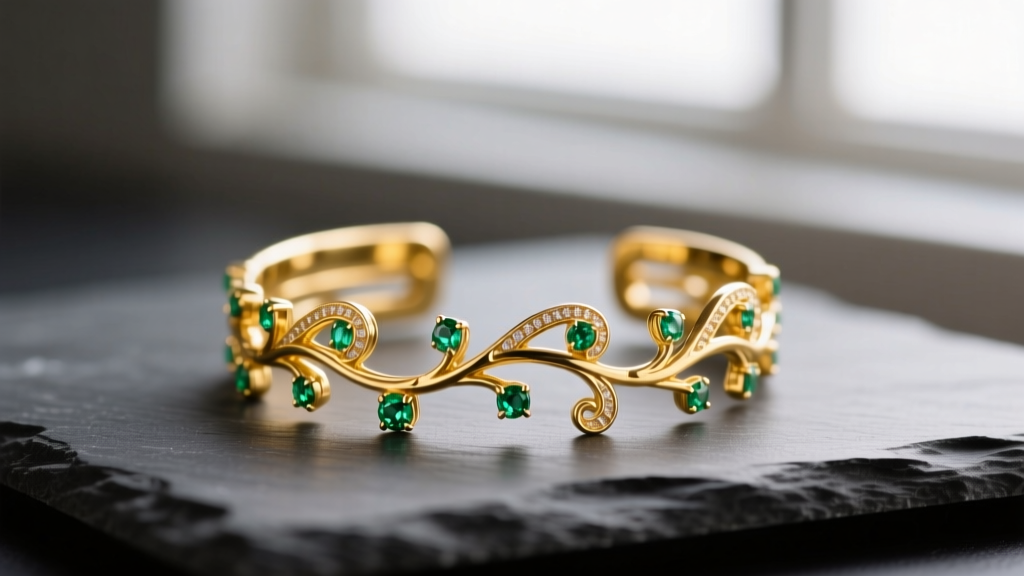
2026 Trend Watch: Asymmetry and Modular Stacks
If you are tracking current jewelry trends, 2026 is the year of the 'curated ear' and intentional asymmetry. Gifting a single, highly detailed over the ear cuff for the right ear, paired with a simple stud for the left, is incredibly fashionable. Furthermore, modular ear cuffs—which feature detachable chains or interchangeable gemstone charms—are dominating the luxury market. These pieces offer the recipient the ability to transition from a subtle office look to a dramatic evening accessory without changing the base jewelry.
Final Gifting Tips: Packaging and Presentation
Because over the ear earrings are often intricate and delicate, presentation matters. Avoid standard flat jewelry boxes where the cuff can be crushed or bent. Instead, look for brands that package their cuffs in structured, slotted inserts that support the C-shape without applying pressure to the tension arms. Include a small anti-tarnish strip in the box if gifting sterling silver, and always include a care card explaining the proper adjustment technique to prevent metal fatigue. By focusing on the mechanics, material integrity, and styling versatility, your gift will transcend fleeting trends and become a cherished staple in their daily rotation.


