Oversized Stud Earrings: Budget & Value Assessment
Evaluate the true cost of oversized stud earrings. We compare materials, gauge sizes, and structural durability to help you find lasting value.

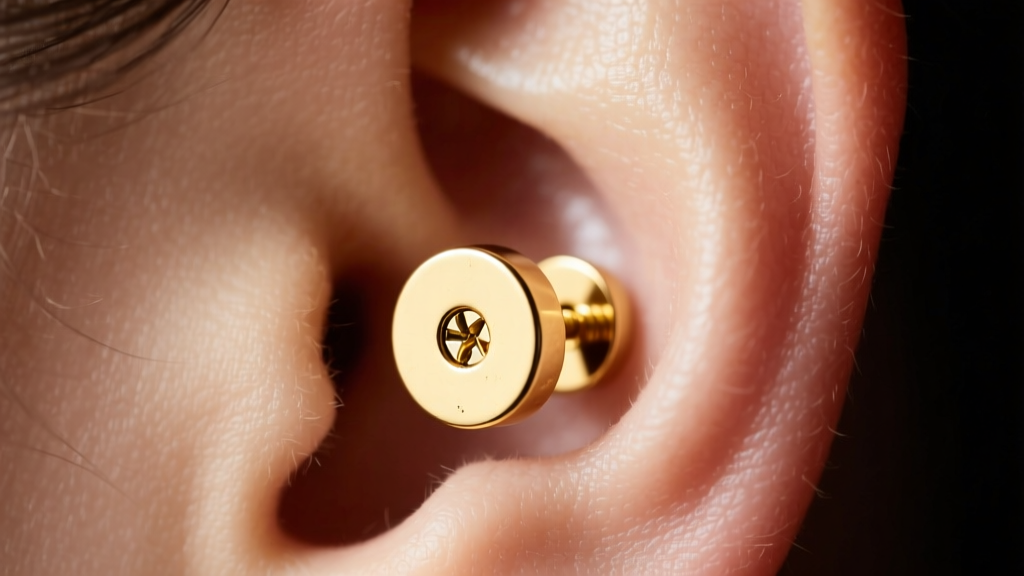
The appeal of oversized stud earrings is undeniable. They offer the bold, face-framing impact of a drop earring with the secure, snag-free profile of a traditional stud. However, as jewelry trends in 2026 continue to favor maximalist proportions—often pushing past the 15mm to 25mm diameter range—the structural and metallurgical demands on these pieces increase exponentially. When evaluating budget versus long-term value, consumers often fall into the trap of prioritizing surface aesthetics over structural engineering. A large stud is not merely a scaled-up version of a 4mm solitaire; it is a cantilevered weight that tests the limits of its post, backing, and base metal.
The Physics of Proportion: Sizing and Weight Thresholds
To accurately assess value, we must first define what constitutes an "oversized" stud and the physical toll it takes on the earlobe. Standard everyday studs range from 3mm to 6mm and typically weigh under 2 grams. Oversized studs begin at the 10mm threshold and frequently scale up to 25mm (approximately one inch).
"The human earlobe is composed of loose areolar connective tissue and adipose (fat) tissue, lacking the structural cartilage found in the upper ear. Consistent exposure to weights exceeding 7 to 10 grams per earring can lead to irreversible tissue elongation and piercing migration."
When you purchase a 20mm geometric brass stud that weighs 12 grams, you are subjecting your piercing to a constant downward drag. If the earring is not engineered to distribute this weight, the value proposition collapses, as you will eventually need to invest in cosmetic dermatological repairs or surgical slit closures for stretched lobes. The American Academy of Dermatology frequently warns against the prolonged use of heavy jewelry without proper lobe support mechanisms, noting that micro-tears in the fistula (the piercing channel) can lead to chronic inflammation and contact dermatitis.
Material Tiers & Pricing Matrix
When shopping for oversized studs, the surface area of the jewelry dictates the cost of the raw materials and the necessary finishing processes. Below is a value assessment matrix based on current 2026 market pricing for oversized studs (15mm - 25mm).
| Material & Finish | Price Range | Estimated Lifespan | Value Verdict |
|---|---|---|---|
| Brass/Copper + Flash Plating | $15 - $35 | 3 - 6 Months | Poor (High failure & allergy risk) |
| Sterling Silver + Gold Vermeil | $50 - $110 | 1 - 3 Years | Moderate (Requires careful maintenance) |
| 316L Stainless Steel + PVD Coating | $35 - $75 | 5+ Years | Excellent (Best budget durability) |
| Solid 14k or 18k Gold | $180 - $450+ | Lifetime | Premium (Heirloom value, hypoallergenic) |
For budget-conscious buyers, Physical Vapor Deposition (PVD) coated 316L surgical steel has emerged as the undisputed champion of value. Unlike traditional electroplating, which relies on chemical baths that can result in uneven layers, PVD utilizes a vacuum chamber to bond titanium nitride to the steel base at a molecular level. The result is a gold-tone finish that is up to ten times more resistant to friction and sweat degradation than standard plating.
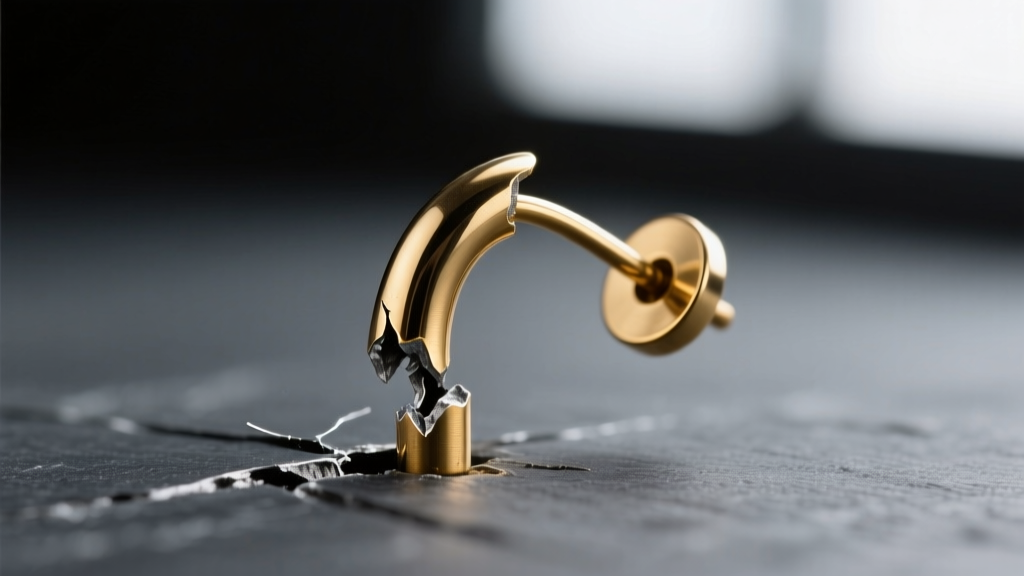
Structural Failure Modes in Large Studs
The most common point of failure in budget oversized stud earrings is not the decorative face, but the post and backing mechanism. Understanding these failure modes is critical for assessing whether a $25 pair of earrings is a bargain or a liability.
The Gauge Dilemma: 20G vs. 18G vs. 16G
The vast majority of mass-produced earrings utilize a 20-gauge (0.81mm) or 18-gauge (1.02mm) post. While perfectly adequate for a lightweight 4mm pearl, a 20-gauge post will inevitably bend under the leverage of a heavy 18mm resin or enamel stud. Once the post bends, it creates a sharp angle that can irritate the piercing channel and make insertion painful. For any oversized stud exceeding 8 grams, you must seek out brands that utilize a 16-gauge (1.29mm) or 14-gauge (1.63mm) post. This thicker wire provides the necessary rigidity to keep the stud sitting flush against the earlobe without drooping.
Backing Slippage and Lobe Droop
Standard friction butterfly backs rely on a small notch on the post to stay in place. The heavier the stud, the more gravity pulls the face of the earring forward, causing the butterfly back to slide backward along the post. This results in the dreaded "droop," where the earring faces the floor. High-value oversized studs bypass friction backs entirely, opting instead for:
- Screw-backs: Threaded posts that secure the backing mechanically, eliminating slippage.
- Jumbo Silicone O-Rings: Wide, flat silicone discs that distribute the weight across a larger surface area of the back of the earlobe.
- Locking Lever-Backs or Lobe Patches: Adhesive or clip-on supports worn behind the ear to bear the brunt of the earring's weight.
Vermeil vs. Plating: Navigating the FTC Guidelines
Because oversized studs have a massive surface area, the cost of using solid gold is prohibitive for most fashion jewelry brands. This leads to a heavy reliance on gold-plated and gold vermeil options. However, the terminology is often manipulated in marketing. According to the Federal Trade Commission (FTC) Jewelry Guides, there are strict legal definitions for these terms that directly impact your budget assessment.
Gold Electroplating: A base metal (often brass or nickel-silver) coated with a microscopic layer of gold, typically less than 0.175 microns thick. On a large 20mm stud, this thin layer will wear through at the high-friction contact points (where the earring touches the neck or hair) within months, exposing the reactive base metal and causing green skin or allergic contact dermatitis.
Gold Vermeil: To be legally classified as vermeil, the base must be solid sterling silver, and the gold coating must be at least 10k purity and a minimum of 2.5 microns thick. While significantly more durable than flash plating, the large surface area of an oversized stud means that exposure to perfumes, lotions, and natural skin oils will eventually degrade the vermeil layer, requiring professional re-plating every few years to maintain its value.
The 2026 Buyer's Checklist for Maximum Value
To ensure your investment in oversized stud earrings yields both aesthetic impact and structural longevity, run any prospective purchase through this rigorous value-assessment checklist:
- Verify the Weight: Check the product specifications. If the earring weighs more than 10 grams, ensure the brand includes structural support accessories (like silicone lobe patches) or features a wide, flat backing.
- Inspect the Post Gauge: Reject any oversized stud that uses a flimsy 20-gauge post. Look for 18G as a minimum, with 16G being the ideal standard for heavy, large-face studs.
- Demand Coating Transparency: If the piece is gold-tone and under $80, it should be PVD-coated stainless steel. If it is marketed as "vermeil" under $40, it is likely a marketing misnomer for cheap flash-plated brass.
- Check the Edge Finishing: Large studs have a larger perimeter. Run your finger along the edge of the design. If it feels sharp or features rough casting lines (burrs), it will catch on hair and clothing, eventually pulling the earring out and damaging your piercing.
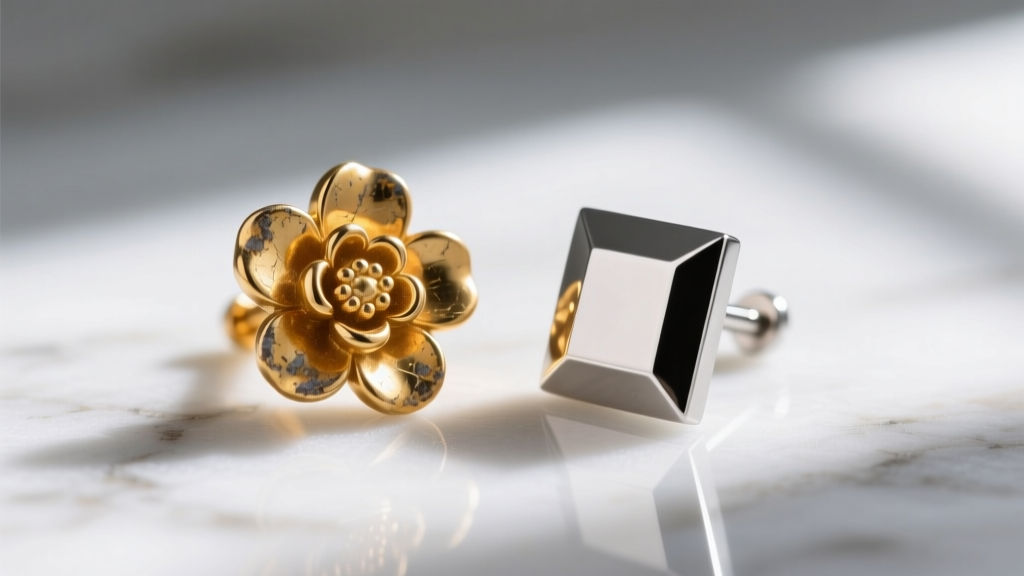
Ultimately, the true value of oversized stud earrings is not found in the lowest upfront price, but in the cost-per-wear over time. A $60 pair of PVD-coated, 16-gauge stainless steel geometric studs that sit flush and retain their finish for five years will always outperform a $25 pair of flash-plated brass florals that bend, tarnish, and irritate your earlobes within a single season. By prioritizing structural engineering and metallurgical transparency, you can confidently embrace the oversized trend without compromising your budget or your ear health.


