Pearl and Sapphire Earrings: A Material & Durability Guide
Discover how to choose pearl and sapphire earrings. Compare Mohs hardness, grading systems, setting styles, and care tips for these contrasting gems.

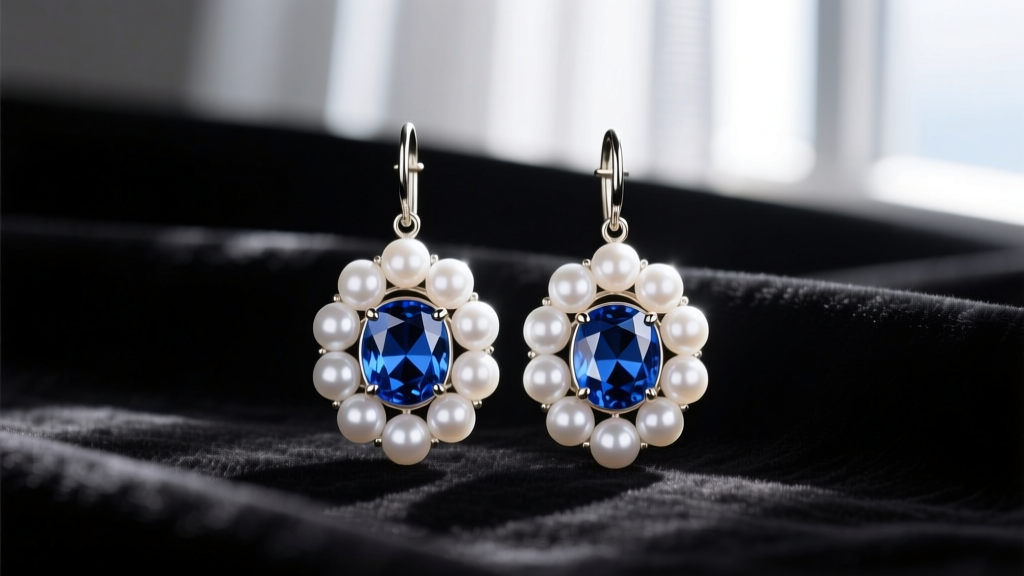
When it comes to fine jewelry, few combinations are as visually striking and materially complex as pearl and sapphire earrings. The juxtaposition of a lustrous, organic gemstone with a brilliant, mineral crystal creates a masterpiece of contrast. However, from a gemological and structural perspective, pairing these two materials requires a deep understanding of their vastly different physical properties. Whether you are investing in heirloom-quality drops or everyday studs, understanding the material science behind these gems is critical for long-term wear and preservation.
The Mineral and the Organic: Core Material Properties
To truly appreciate pearl and sapphire earrings, one must first understand the fundamental chemical divide between the two stones. Sapphires are a variety of the mineral corundum, composed of crystalline aluminum oxide. According to the Gemological Institute of America (GIA), corundum forms under intense heat and pressure deep within the earth, resulting in a remarkably dense and durable crystal lattice. Sapphires boast a specific gravity of 3.95 to 4.03 and a refractive index that gives them their signature brilliance.
Pearls, conversely, are entirely organic. They are formed by mollusks as a defense mechanism against irritants, composed primarily of aragonite (a crystalline form of calcium carbonate) held together by an organic protein called conchiolin. This biological origin means pearls are inherently porous, sensitive to environmental changes, and structurally layered rather than uniformly crystalline. This fundamental difference dictates everything from how the gems are cut and drilled to how they must be cleaned and stored.
Grading Systems: Evaluating Quality and Origin
Because pearls and sapphires belong to entirely different material families, they are evaluated using distinct gemological frameworks. When shopping for high-end earrings, knowing these metrics prevents overpaying for inferior stones.
Sapphire Evaluation: The 4 Cs and Origin
Sapphires are graded primarily on color, which accounts for the majority of their value. The most prized sapphires exhibit a 'cornflower' or 'royal' blue hue with medium-to-dark tone and high saturation. Clarity is also vital; while sapphires commonly feature rutile silk inclusions, eye-clean stones are heavily preferred for earring centerpieces. Furthermore, origin plays a massive role in pricing. Unheated sapphires from Kashmir, Burma, or Ceylon (Sri Lanka) command massive premiums. Today, many jewelers also utilize ethically sourced Montana sapphires, which offer unique teal and steely-blue hues that pair beautifully with white pearls.
Pearl Evaluation: Luster, Nacre, and Surface
The GIA Pearl Description framework evaluates pearls on seven factors, but for earrings, luster and nacre thickness are paramount. Luster refers to the sharpness of light reflection on the surface; a high-quality Akoya pearl will show a crisp, mirror-like reflection. Nacre thickness dictates durability. For saltwater pearls like Akoya, a nacre thickness of at least 0.4mm is required for longevity, while South Sea and Tahitian pearls naturally boast much thicker nacre layers (often 2mm to 4mm). When pairing pearls with sapphires, jewelers typically match the bright, mirror-like luster of Akoya pearls with the sharp, vitreous luster of faceted sapphires.
Durability, Settings, and Structural Risks
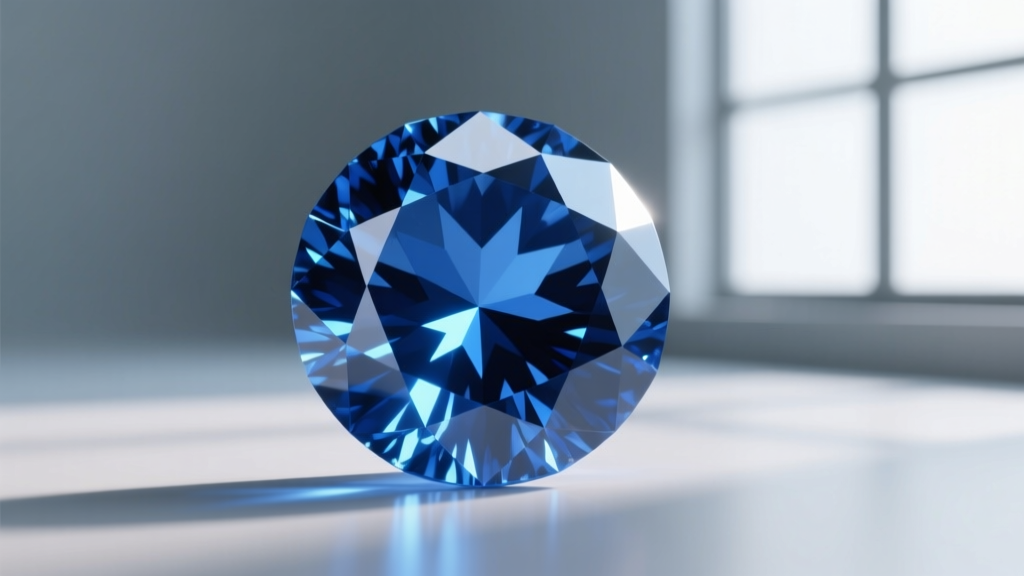
The most critical challenge in designing pearl and sapphire earrings is managing their disparity in hardness and toughness. The Mohs scale of mineral hardness places sapphire at a 9, making it the second hardest natural gemstone after diamond. Pearls, however, rank between 2.5 and 4.5, making them highly susceptible to scratching from everyday dust (which contains quartz particles at a 7 on the Mohs scale).
| Property | Sapphire (Corundum) | Pearl (Aragonite/Conchiolin) |
|---|---|---|
| Mohs Hardness | 9.0 | 2.5 - 4.5 |
| Toughness | Excellent (No true cleavage) | Fair to Good (Prone to chipping) |
| Chemical Stability | Highly inert; resists acids | Highly reactive; dissolves in acid |
| Standard Earring Setting | 4-Prong, Bezel, or Channel | Peg-Set (Half-Drilled) or Full Bezel |
| Ultrasonic Safe? | Yes (unless heavily fractured) | Absolutely Not |
The Mechanics of the Peg Setting
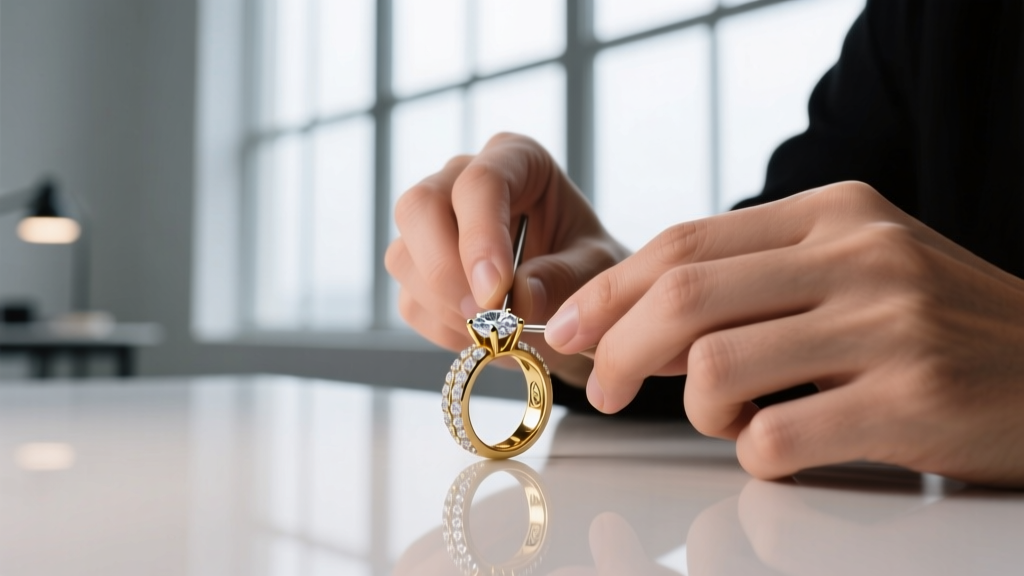
While sapphires are secured using metal prongs that grip the stone's girdle, pearls are almost exclusively 'peg-set.' A jeweler drills a small hole (usually 0.8mm to 1.0mm) halfway into the pearl and secures it to a metal post using a specialized two-part jeweler's epoxy. When a single earring design incorporates both a sapphire and a pearl, the jeweler must perform all metal soldering and prong-setting for the sapphire before the pearl is glued in place. Exposing a peg-set pearl to a jeweler's torch will instantly melt the epoxy, scorch the nacre, and destroy the gem.
Market Pricing Tiers in 2026
The cost of pearl and sapphire earrings varies wildly based on the origin, treatment, and type of the gems used. Here is a realistic breakdown of what buyers can expect in the current market:
- Entry-Level ($150 - $400): Features commercially graded freshwater pearls paired with lab-created sapphires. Lab-grown corundum shares the exact chemical and physical properties of mined sapphires but lacks the natural inclusions and origin premiums.
- Mid-Tier ($800 - $3,500): The sweet spot for fine jewelry. Expect high-luster, half-drilled Akoya pearls (7mm - 8.5mm) set in 14k or 18k gold alongside heated, natural Ceylon or Madagascar sapphires. These offer excellent durability and vibrant color contrast.
- Investment/Heirloom ($10,000+): Reserved for pristine, unheated sapphires from legendary origins (Kashmir, Burma) paired with gem-grade, thick-nacred South Sea or Hanadama-certified Akoya pearls, often accented with diamond halos and set in platinum.
Care Protocols and Chemical Vulnerabilities
Maintaining pearl and sapphire earrings requires a bifurcated approach to care. The American Gem Society frequently reminds consumers that what is safe for a mineral gemstone can be fatal to an organic one.
The golden rule for pearls is 'Last On, First Off.' Pearls must never be exposed to the alcohol, aerosols, and acidic compounds found in perfumes, hairsprays, and cosmetics. The conchiolin in pearls can dry out and crack when exposed to harsh chemicals, and the calcium carbonate will literally dissolve if exposed to mild acids like vinegar or lemon juice. Conversely, sapphires are virtually impervious to these daily chemicals.
When cleaning, never use ultrasonic jewelry cleaners or steamers on earrings that contain pearls. The high-frequency vibrations can shatter the pearl's internal structure and liquefy the epoxy holding it to the peg. Instead, wipe the pearls gently with a damp, lint-free microfiber cloth after every wear to remove skin oils. The sapphire portions can be carefully cleaned with a soft baby toothbrush and mild dish soap, taking care not to aggressively scrub the brush against the adjacent pearl.
Final Verdict: Are They Right for Your Lifestyle?
Pearl and sapphire earrings represent a brilliant marriage of organic warmth and mineral fire. They are an exceptional choice for earrings specifically, as earlobes are subject to far less impact and abrasion than fingers or wrists. By understanding the distinct grading metrics, respecting the structural limitations of the peg setting, and adhering to strict chemical-free care protocols, you can ensure these contrasting gems remain vibrant and secure for generations.


