Pearl Back Earrings Buying Guide: Styles, Fit & Care
Discover everything about pearl back earrings in our comprehensive buying guide. Learn about pearl grades, gauge sizes, fit mechanics, and styling tips.
The Evolution of Ear Styling: Beyond the Standard Stud
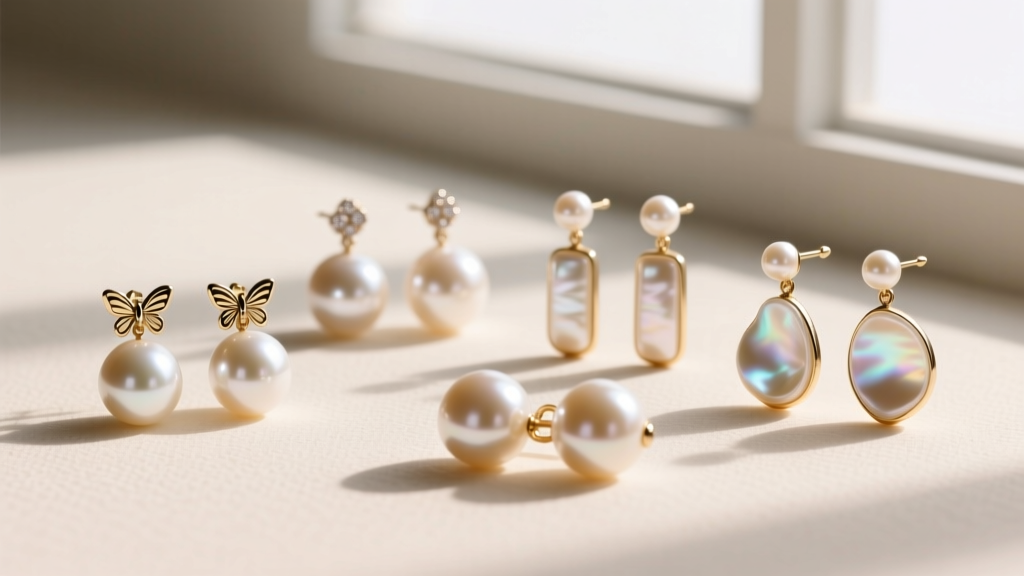
As we navigate the jewelry landscape of 2026, the traditional earring stud has been thoroughly reimagined. No longer confined to the front of the earlobe, pearls have migrated to the back, creating dynamic, multi-dimensional silhouettes that catch the light from every angle. Whether you are exploring the viral 'ear jacket' trend or seeking decorative pearl friction backs to upgrade your existing jewelry box, understanding the mechanics, materials, and styling nuances of pearl back earrings is essential. This comprehensive buying guide will equip you with the technical knowledge needed to select pieces that offer both aesthetic brilliance and structural longevity.
Decoding the Terminology: Jackets vs. Decorative Clutches
When shopping for pearl back earrings, you will encounter two distinct categories. Confusing the two can lead to purchasing the wrong style for your specific piercing needs.
1. Pearl Ear Jackets (Front-to-Back Drops)
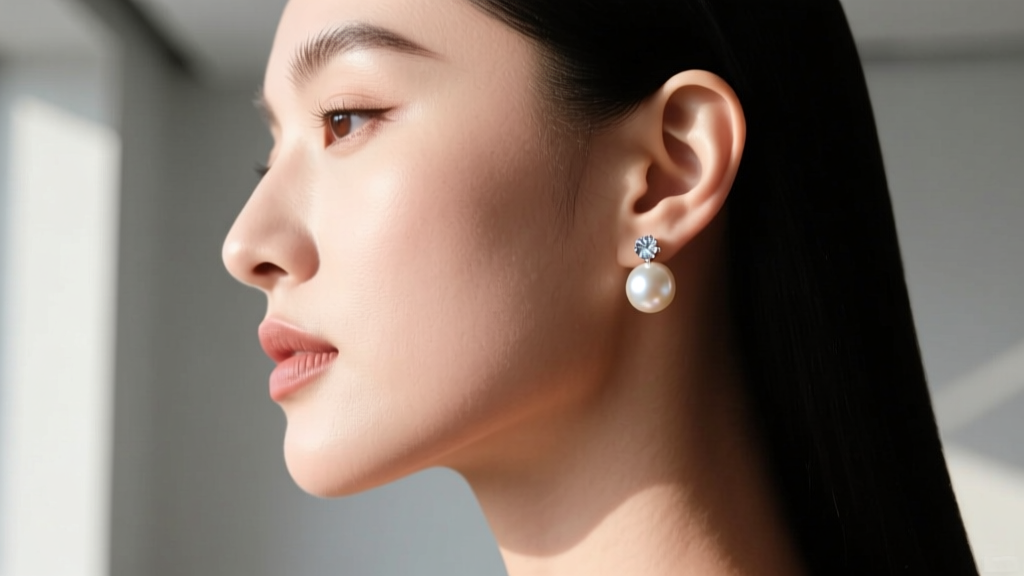
Ear jackets are two-part earrings. The front features a simple stud (often a diamond, gold bead, or small pearl), while the 'jacket' is a larger pearl or ornamental piece that attaches to the post from the back of the earlobe. The jacket drops below or wraps around the lobe, creating the illusion of a complex, multi-piercing setup from a single hole. These require a standard post thickness but demand careful weight balancing to prevent the lobe from sagging.
2. Decorative Pearl Clutches (Earring Backs)
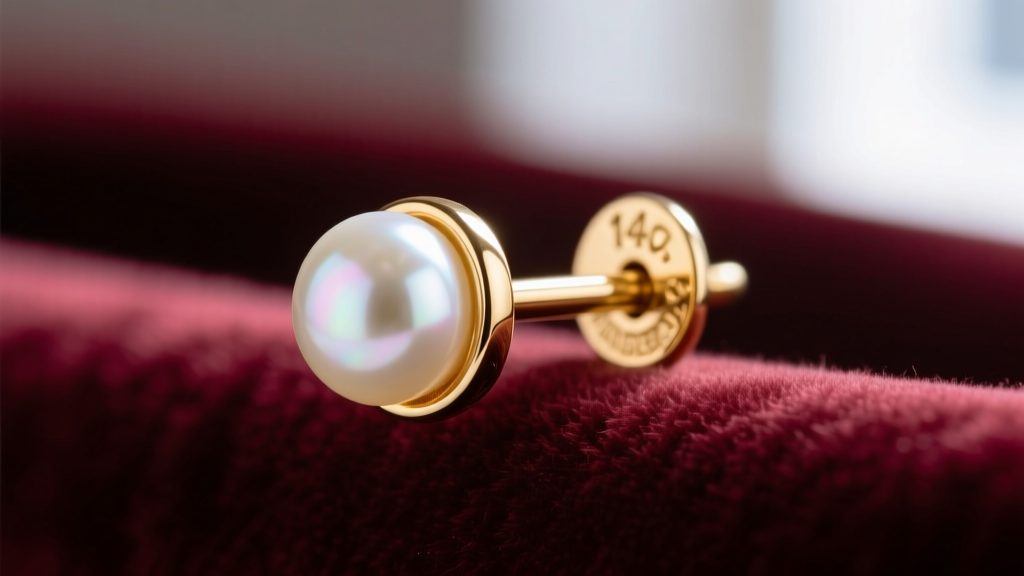
These are standalone earring backings (nuts or clutches) where the functional metal friction mechanism is embedded inside or capped with a pearl. They are designed to be worn with any standard post earring, turning a simple diamond solitaire into a pearl back earring from the rear profile. The primary concern here is the durability of the metal-to-pearl bond and the precision of the friction grip.
Material Grades: Nacre, Luster, and Metal Posts
The value and longevity of pearl back earrings depend heavily on the origin of the pearl and the metal used for the post and clutch mechanism.
Pearl Types and Grading
According to the Gemological Institute of America (GIA), pearls are evaluated on luster, surface quality, and nacre thickness. For earring backs, you will typically encounter three types:
- Freshwater Pearls: The most common and affordable. They offer excellent durability due to their solid nacre composition (they are rarely bead-nucleated). Look for high-luster 'metallic' freshwater pearls for a luxurious finish.
- Akoya Pearls: Known for their mirror-like luster and perfect spherical shapes. Akoya pearl clutches are a premium choice, offering a brilliant overtone that contrasts beautifully with yellow or rose gold posts.
- Shell Pearls (Imitation):strong> Made from crushed mother-of-pearl shells coated in a synthetic pearlescent lacquer. While perfectly uniform and heavy, they lack the natural depth and 'orient' of genuine pearls. They are a budget-friendly option but hold no intrinsic gemological value.
Post and Clutch Metals
Because the back of the earlobe is prone to friction and moisture buildup, hypoallergenic metals are non-negotiable. The Association of Professional Piercers (APP) recommends implant-grade titanium (ASTM F136) or solid 14k/18k gold for sensitive lobes. Avoid gold-plated brass or nickel-silver alloys for the clutch mechanism, as the friction of pushing the pearl back on and off will quickly wear away the plating, exposing reactive base metals that cause contact dermatitis.
The Mechanics of Fit: Gauges, Weight, and the Droop Factor
The most common failure mode of pearl back earrings is 'the droop'—when the weight of the pearl pulls the earring post downward, causing the front stud to point toward the floor rather than sitting flush against the lobe.
Understanding Gauge and Lobe Thickness
Standard lobe piercings are typically 20-gauge (0.81mm) or 18-gauge (1.0mm). If you are buying a decorative pearl clutch, the internal metal sleeve must match your post gauge. A 20G clutch on an 18G post will slip off and get lost; an 18G clutch will not fit a 20G post without bending the metal.
Furthermore, lobe thickness dictates how a pearl ear jacket will sit. Thin lobes (under 4mm thick) struggle to support heavy 12mm+ pearl jackets without drooping. If you have thin lobes, opt for lighter, hollow-carved freshwater pearls or utilize silicone O-ring stabilizers behind the pearl jacket to provide a wider base of support against the skin.
| Backing / Jacket Type | Average Weight | Support Required | Best Lobe Type |
|---|---|---|---|
| Small Pearl Clutch (6-8mm) | 1.5 - 2.5 grams | Standard metal friction back | All lobe types |
| Large Pearl Clutch (10-12mm) | 4.0 - 6.0 grams | Silicone O-ring + wide metal disc | Thick / Sturdy lobes |
| Pearl Ear Jacket (Drop Style) | 3.0 - 5.0 grams | Curved earring post or earlobe patch | Medium to Thick lobes |
Pricing Tiers & What to Expect
When budgeting for pearl back earrings, pricing scales exponentially based on the pearl origin and the precious metal content of the hardware.
- Budget Tier ($20 - $60): Expect shell pearls or lower-grade freshwater pearls set in gold-plated sterling silver or surgical steel. The metal inserts in the pearl clutches may be glued rather than mechanically secured, increasing the risk of the pearl detaching from the clutch over time.
- Mid-Range Tier ($80 - $250): The sweet spot for everyday wear. This tier features high-luster freshwater pearls or entry-level Akoya pearls set in solid 14k gold. The friction mechanisms are precision-machined, and the pearls are often drill-set with resin reinforcement for long-term durability.
- Luxury Tier ($300 - $800+): Designer ear jackets and premium Akoya or South Sea pearl clutches set in 18k gold or platinum. These pieces feature hand-knotted or mechanically locked internal sleeves, ensuring the pearl will never separate from the functional clutch.
Longevity and Care Protocols
Pearls are organic gemstones composed primarily of calcium carbonate, ranking a mere 2.5 to 3.0 on the Mohs hardness scale. This makes them highly susceptible to scratching and chemical degradation. Because earring backs are constantly handled, exposed to hair products, and subjected to the natural oils and acidity of the skin, they require a specific care regimen.
The 'Last On, First Off' Rule
Always put your pearl back earrings on after applying perfume, hairspray, and skincare products. The alcohol and acids in these cosmetics can strip the pearl's nacre, dulling its luster permanently. Remove them first when undressing to prevent snagging the jacket on clothing fibers.
Cleaning the Mechanism
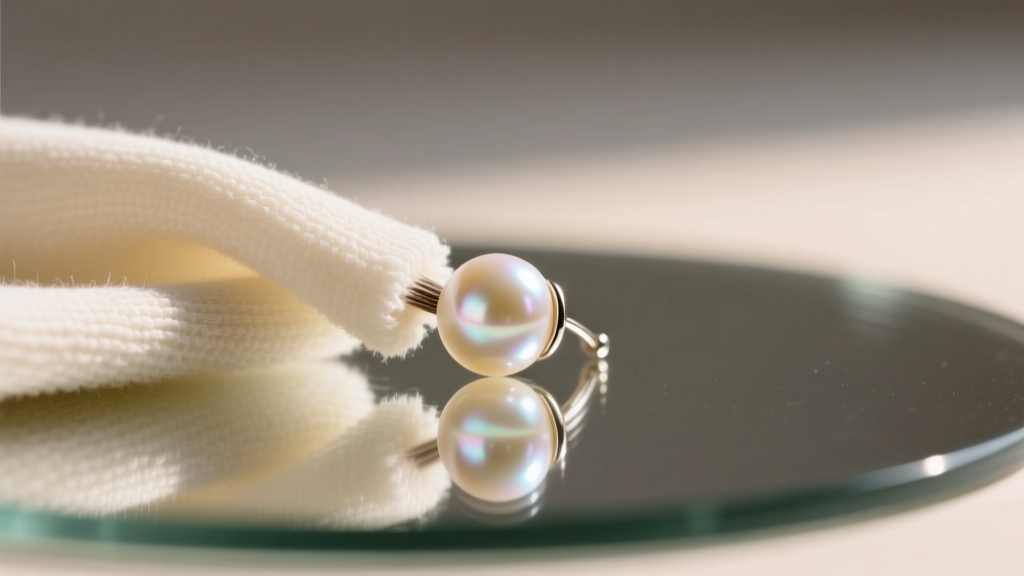
Never use ultrasonic cleaners or harsh jewelry dips on pearl earrings. The vibrations can shatter the pearl or loosen the adhesive holding the metal clutch insert. Instead, wipe the pearls gently with a damp microfiber cloth after each wear. For the metal post and internal clutch sleeve, use a cotton swab dipped in rubbing alcohol to dissolve sebum and skin cells, ensuring the friction grip remains tight and hygienic.
Final Verdict: Are They Right for You?
Pearl back earrings represent a masterful blend of classic elegance and modern structural design. If you prioritize versatility, investing in a pair of high-quality 14k gold decorative pearl clutches allows you to transform your entire existing stud collection. Conversely, if you are looking for a bold, architectural statement piece, a well-balanced pearl ear jacket is an unparalleled choice. By paying close attention to gauge sizes, lobe thickness, and nacre quality, you can curate a collection that remains secure, comfortable, and breathtakingly beautiful for decades to come.