Pearl Care Secrets from The Girl in the Pearl Earring
Discover how to maintain the luminous nacre of your pearl earrings with expert cleaning tips inspired by The Girl in the Pearl Earring masterpiece.

The Quest for the Vermeer Luster
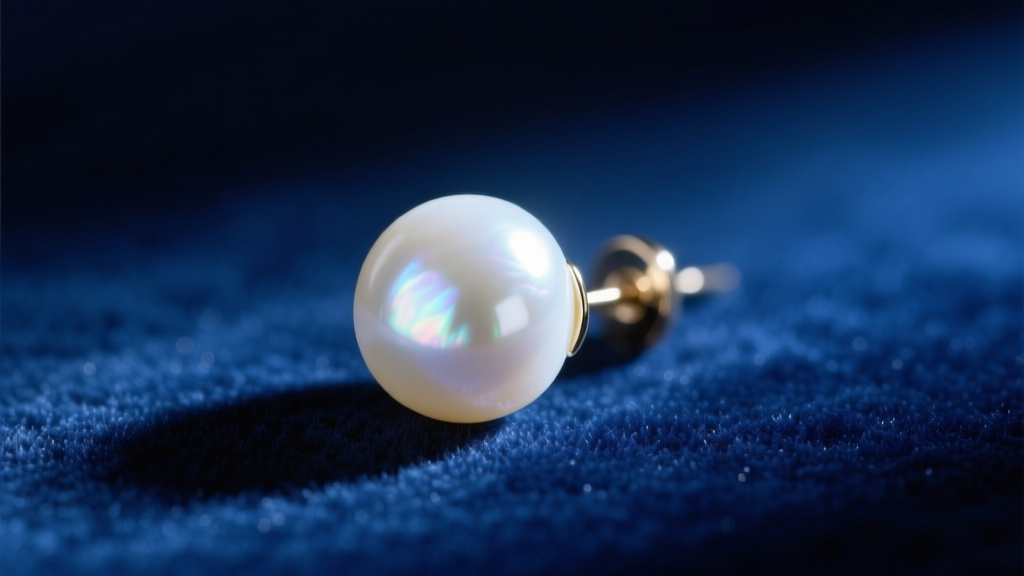
When you gaze upon Johannes Vermeer’s 1665 masterpiece, often referred to simply as the girl in the pearl earring, your eyes are immediately drawn to the massive, luminous drop pearl resting against her skin. That iconic glow—the way the pearl captures and refracts light, creating a soft, almost ethereal shine—is the gold standard for pearl enthusiasts. But achieving and maintaining that level of luster in real life requires a deep understanding of organic gemology. Unlike faceted stones such as diamonds or sapphires, pearls are biological creations. They demand a highly specific care regimen to preserve their nacre, their structural integrity, and their hardware. In this comprehensive guide, we break down the exact science and practical steps required to keep your pearl earrings radiating with a Vermeer-worthy shine.
The Anatomy of Luster: Understanding Nacre
To clean a pearl properly, you must first understand what it is made of. Pearls are composed of nacre, a crystalline substance primarily made of aragonite (calcium carbonate) platelets held together by an organic protein matrix called conchiolin. This layered structure is what creates the pearl's iridescence, or 'orient.' However, calcium carbonate is highly susceptible to acidic degradation. On the Mohs scale of mineral hardness, pearls rank between 2.5 and 4.5, making them incredibly soft and prone to micro-scratches. When everyday oils, dead skin cells, and cosmetic residues fill the microscopic gaps between the aragonite platelets, they block light refraction, resulting in a dull, chalky appearance. Restoring that legendary shine requires lifting these impurities without dissolving the delicate conchiolin binder.
The 'Last On, First Off' Protocol
The most critical rule in pearl maintenance happens before you even reach for a cleaning cloth. Pearls must always be the last thing you put on and the first thing you take off. Everyday beauty products are laden with chemicals that can permanently etch the surface of a pearl. Hairsprays contain polymers and alcohols that dehydrate the nacre. Perfumes often contain ethanol and essential oils that leave a film, dulling the luster. Even the natural acids in human sweat can slowly dissolve the calcium carbonate over time, leading to pitting and loss of structural integrity. By putting your pearl earrings on only after your cosmetics, perfumes, and hair products have fully dried and settled, you minimize chemical exposure and drastically reduce the frequency of deep cleanings required.
Step-by-Step Cleaning for the Ultimate Shine
Forget the harsh jewelry dips and ultrasonic machines. Cleaning pearl earrings requires a gentle, methodical approach that respects the organic nature of the gem. Here is the professional protocol for routine maintenance.
What You Will Need
- A clean, lint-free microfiber cloth (avoid cotton balls or tissues, which can leave microscopic fibers trapped in the drill holes).
- Distilled water (never use tap water, as the chlorine and fluoride can react with the nacre).
- A mild, phosphate-free liquid castile soap.
- A soft-bristled makeup brush (like a clean eyeshadow brush) for hard-to-reach areas near the post.
The Wiping Technique
After every wear, gently wipe the pearls with a dry microfiber cloth to remove surface oils and sweat. For a deeper clean, dampen a corner of the cloth with distilled water and a single drop of castile soap. Wipe the pearl gently, avoiding excessive pressure. Use the dry end of the cloth to buff the surface immediately. Never submerge pearl earrings in water. Submersion can cause water to seep into the drill hole, which can weaken the silk thread (if applicable) or, more commonly in earrings, degrade the adhesive bonding the pearl to the metal post.

The Hidden Danger: Earring Hardware and Adhesives
One of the most common failure modes in pearl earrings has nothing to do with the pearl itself, but rather the hardware. Most pearl studs and drops utilize a 'cup and post' setting. Because pearls are rarely perfectly flat at the drill site, jewelers use a small metal cup filled with a two-part jeweler's epoxy or cyanoacrylate adhesive to secure the pearl to the gold or silver post. According to the Gemological Institute of America (GIA), exposing pearl jewelry to harsh solvents is a primary cause of gem loss. Solvents like acetone (nail polish remover), isopropyl alcohol, and even the ammonia found in many commercial jewelry cleaners will melt or brittle these adhesives. If you soak your pearl earrings in a chemical bath, you risk the pearl simply popping off the post and rolling down the drain. Always clean the metal hardware with a separate, slightly damp cloth, carefully avoiding the base where the pearl meets the metal cup.
Cleaning Agents to Absolutely Avoid
To protect your investment, you must treat pearls as delicate biological artifacts rather than robust minerals. Below is a breakdown of common cleaning methods and their catastrophic effects on pearl earrings.
| Cleaning Agent / Method | Chemical / Physical Action | Effect on Nacre | Effect on Hardware / Glue |
|---|---|---|---|
| Ultrasonic Cleaners | High-frequency cavitation | Shatters nacre layers, causes peeling | Vibrations shatter adhesive bond |
| Steam Cleaners | High heat and pressure | Dehydrates conchiolin, causes crazing | Melts epoxy, loosens post |
| Ammonia-based Dips | Strong alkaline base | Dissolves calcium carbonate surface | Corrodes metal and glue |
| Baking Soda Paste | Mild abrasive | Scratches and permanently dulls luster | Traps grit in the metal cup |
| Distilled Water & Castile | Neutral pH surfactant | Safe; lifts oils without etching | Safe when not submerged |
Proper Storage: Preventing Dehydration and Crazing
The American Gem Society emphasizes that pearls need a certain level of ambient humidity to maintain their structural integrity. The conchiolin matrix contains trace amounts of water. If you store your pearl earrings in an airtight plastic bag, a safety deposit box with desiccant packets, or a heavily air-conditioned safe, the pearls will slowly dehydrate. This leads to 'crazing'—a network of microscopic surface cracks that ruins the luster and drastically reduces the gem's value. Store your pearl earrings in a soft silk or chamois pouch that allows for slight air exchange. Keep them in a drawer or jewelry box away from direct sunlight and heat sources. Furthermore, because of their low Mohs hardness, storing pearls in a communal jewelry box where they can rub against diamond, sapphire, or even gold pieces will result in permanent surface abrasions. Always give them their own dedicated, soft compartment.
Maintaining the Metal: Gold, Silver, and Platinum Posts
While the pearl requires a gentle touch, the metal hardware still needs attention to prevent tarnish and skin irritation. For sterling silver posts, oxidation is a natural process accelerated by sulfur in the air and cosmetics. You can use a specialized silver polishing cloth on the metal post and butterfly back, but be incredibly careful not to let the cloth or the tarnish-removing chemicals touch the pearl. For 14k or 18k gold and platinum posts, a simple wipe with a damp microfiber cloth is usually sufficient to remove sebum and skin cells that accumulate on the post. If you experience skin irritation, ensure you are cleaning the earring backs thoroughly, as trapped bacteria and dead skin in the crevices of the clutch are the primary culprits for infected earlobes.
Conclusion: Preserving the Masterpiece
Achieving the captivating glow seen on the girl in the pearl earring is not a matter of luck; it is the result of meticulous, science-backed care. By respecting the organic chemistry of nacre, avoiding the hidden dangers of modern adhesives, and committing to a gentle, consistent cleaning routine, your pearl earrings will retain their heirloom-quality luster for generations. Treat your pearls not just as jewelry, but as delicate treasures that require a mindful approach to wear, cleaning, and storage.


