Pearl Cluster Drop Earrings: The Ultimate Buying Guide
Discover how to choose the perfect pearl cluster drop earrings. Learn about pearl grades, metal settings, weight distribution, and expert care tips.

The Anatomy of High-Quality Pearl Clusters
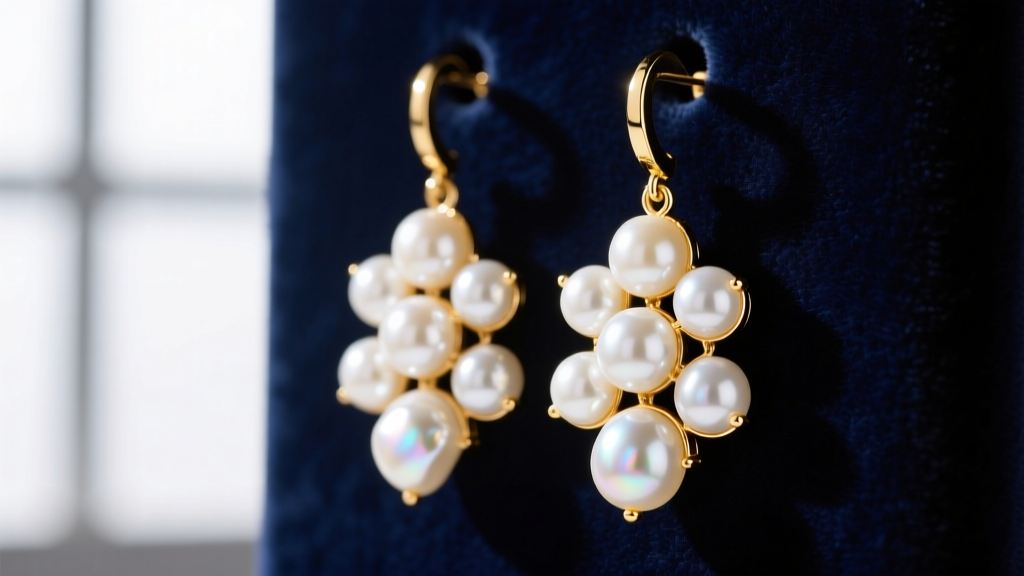
Pearl cluster drop earrings represent a masterclass in jewelry engineering, balancing organic gemstones with precise metalwork. Unlike simple studs, a cluster drop relies on a multi-tiered architecture: the primary post or hook, the cluster arrangement (the 'head'), and the articulated or fixed drop mechanism. In 2026, the market has shifted heavily toward graduated clusters—designs that mix pearl sizes from 3mm to 8mm within a single setting to create a cascading, floral, or geometric effect.
When evaluating the anatomy of these earrings, the connection point between the cluster head and the drop element is critical. High-end manufacturers use articulated jump rings forged from solid gold or platinum, allowing the earring to move fluidly with the wearer. Cheaper alternatives often solder the drop directly to the cluster or use thin, easily warped wire loops that snap under the kinetic stress of daily wear.
Pearl Varieties: Freshwater vs. Akoya vs. Tahitian
The soul of any pearl cluster drop earring lies in the gemstones themselves. Because clusters require multiple pearls to match in luster and overtone, the origin of the pearl drastically dictates the price and visual impact.
Akoya Pearls: The Luster Standard
Akoya pearls are the traditional choice for high-end cluster drops. Cultivated primarily in Japan and China, they are renowned for their mirror-like luster and perfectly round shapes. A cluster of Hanadama-certified Akoya pearls (the highest Japanese grading tier) will exhibit a sharp, high-contrast reflection on the surface. Expect to pay a premium, with 14k gold Akoya cluster drops starting around $800 and climbing past $2,500 for larger, graduated designs.
Freshwater Pearls: The Modern Baroque
Thanks to advanced cultivation techniques, modern freshwater pearls now rival Akoya in luster while offering thicker nacre. According to the Gemological Institute of America (GIA), freshwater pearls are nucleated with mantle tissue rather than a bead, resulting in solid nacre structures. For buyers seeking organic, asymmetrical 'baroque' cluster drops, freshwater is the undisputed champion, offering incredible durability and accessible pricing (typically $150 to $600).
Tahitian and South Sea: The Bold Statement
Because Tahitian and South Sea pearls are significantly larger (often 9mm to 14mm), they are rarely used in dense, multi-pearl clusters. When they are, the design usually features a single large pearl surrounded by a 'cluster' of smaller diamond or sapphire accents, rather than a cluster of multiple large pearls, which would result in an unwearably heavy earring.
Grading and Matching: The 7 Value Factors
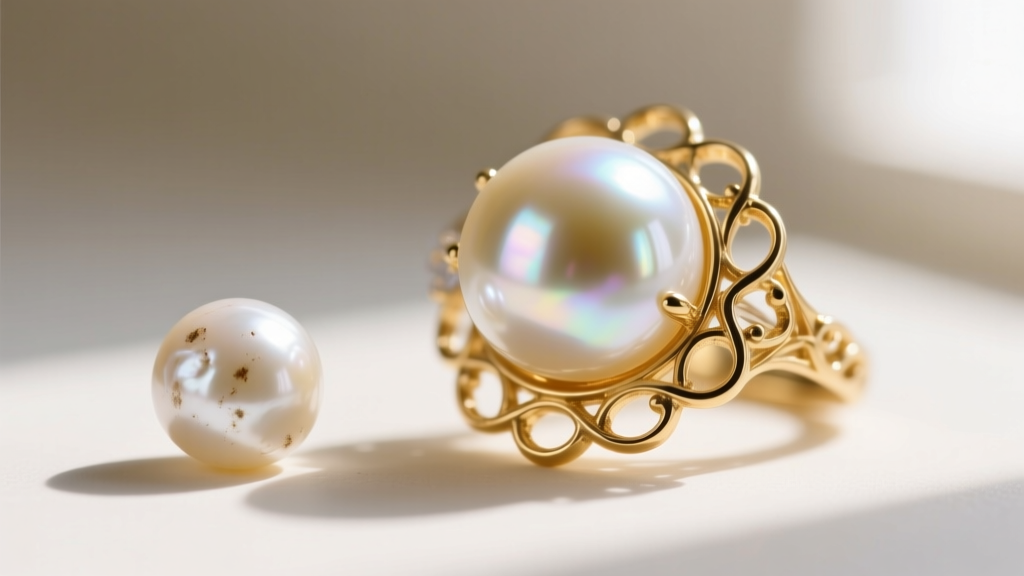
When buying pearl cluster drop earrings, you are not just buying individual pearls; you are buying the match. The GIA evaluates pearls on seven value factors: Size, Shape, Color, Luster, Surface Quality, Nacre Quality, and Matching. In a cluster setting, 'Matching' becomes the most critical factor.
- Luster Matching: All pearls in the cluster must reflect light with the same intensity. A single dull pearl in a 7-pearl cluster will instantly cheapen the entire piece.
- Overtone Consistency: White Akoya pearls often carry rosé or silver overtones. Ensure the entire cluster shares the same overtone; mixing rosé and silver overtones creates a muddy, disjointed appearance.
- Drill Hole Precision: Cluster pearls are typically half-drilled and mounted on metal pegs. The drill holes must be perfectly centered (usually 0.8mm to 1.0mm in diameter). Off-center drilling causes the pearls to sit crookedly in their metal cups.
Metals, Settings, and the Adhesive Warning
The metalwork in a pearl cluster drop earring must be robust enough to hold the gems securely without relying solely on chemical adhesives.
Prong and Cup Settings vs. Glue
Premium jewelers use 'cup and post' settings. Each pearl is half-drilled, seated into a precisely sized metal cup, and secured with a tiny drop of jeweler's epoxy over a textured metal peg. However, the structural integrity should come from the metal framework holding the cups together, not the glue. If you inspect a cluster and see thick, yellowing epoxy seeping out from the base of the pearls, walk away. This indicates poor manufacturing and a high risk of pearl loss.
Metal Alloys and Hardness
While 18k gold is prized for its rich color and purity, it is relatively soft. For the intricate wirework and prongs required to secure a heavy pearl cluster drop, 14k gold or platinum is vastly superior. The higher alloy content in 14k gold provides the tensile strength needed to prevent the drop mechanism from bending or snapping. If opting for sterling silver, ensure it is rhodium-plated to prevent tarnish, which can stain the porous nacre of the pearls over time.
Weight Distribution and Backing Mechanics
Cluster drop earrings are inherently front-heavy. The combined weight of 5 to 15 pearls, plus the metal framework, can cause the earring to droop, pointing the pearls toward the floor rather than displaying them proudly. Understanding weight and gauge is essential for comfort and aesthetics.
| Earring Style | Average Weight (per earring) | Post Gauge | Recommended Backing |
|---|---|---|---|
| Small Cluster Stud-Drop (3-5 pearls) | 2.5g - 4.0g | 20G (0.8mm) | Friction Back (Butterfly) with silicone stopper |
| Medium Cascading Drop (6-10 pearls) | 4.5g - 7.0g | 18G (1.0mm) | Screw Back or Large Jumbo Friction Back |
| Heavy Chandelier Cluster (10+ pearls) | 7.5g - 12.0g+ | 18G or Leverback Wire | French Wire / Leverback (No post back needed) |
For post-style cluster drops, always look for earrings that include 'earring backers' or 'lifters'—small silicone or metal discs that slide onto the post behind the earlobe to provide a wider surface area, supporting the front-heavy cluster and keeping it upright.
Red Flags: What to Avoid When Buying
The jewelry market is flooded with mass-produced imitations. Protect your investment by watching for these critical failure points:
The Shell Pearl Deception: Many budget 'pearl' clusters are actually shell pearls—pulverized oyster shell mixed with resin and coated in a pearlescent lacquer. While perfectly round, they lack the deep, glowing orient of real nacre. Rub the pearl gently against your teeth; real pearls feel gritty like sand, while shell pearls feel perfectly smooth like glass.
Additionally, avoid hollow-stamped metal settings. Some manufacturers use thin sheets of gold stamped into cup shapes to save on metal weight. These thin cups dent easily and fail to provide a secure bonding surface for the pearl adhesive.
Care and Maintenance for Clustered Drops
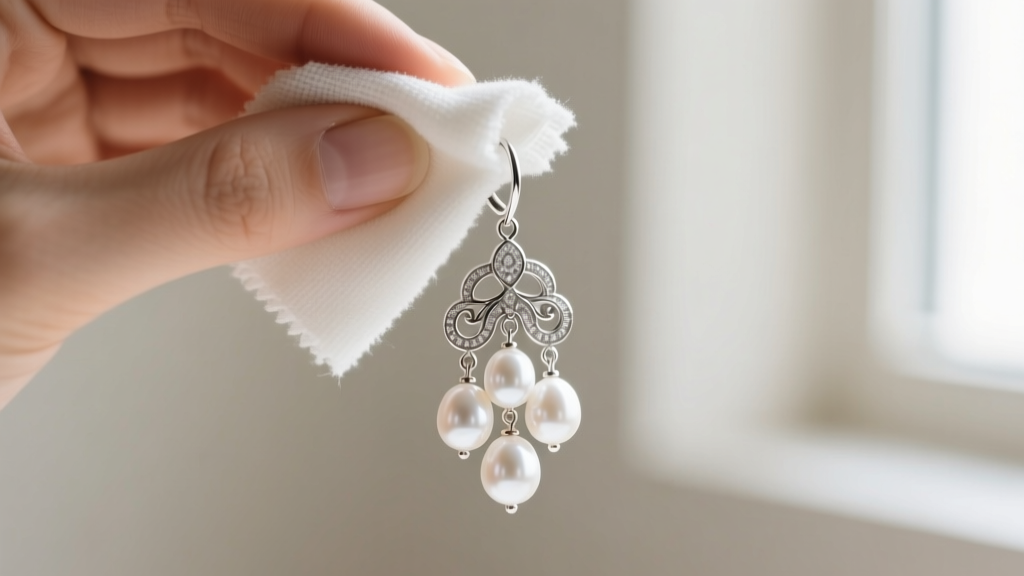
Cleaning pearl cluster drop earrings requires a delicate touch. The organic nature of nacre, combined with the presence of adhesives and intricate metalwork, means standard jewelry cleaning methods will ruin the piece.
- Never Use Ultrasonic Cleaners: The high-frequency vibrations will shatter the pearls and liquefy the epoxy holding the cluster together.
- Avoid Chemical Dips: Silver polishing liquids and ammonia-based gold cleaners will strip the nacre's luster and leave a permanent, chalky white residue.
- The Damp Cloth Method: After wearing, gently wipe the pearls with a soft, lint-free microfiber cloth slightly dampened with distilled water. This removes skin oils and cosmetic residue that can degrade the nacre over time.
- Storage: Store cluster drops flat in a soft pouch. Hanging them can put prolonged stress on the articulated jump rings and metal pegs.
By prioritizing solid metalwork, verified nacre quality, and proper weight distribution, you can secure a pair of pearl cluster drop earrings that serve as a timeless, structurally sound centerpiece in your collection. For further reading on consumer protections and accurate gemstone marketing, refer to the Federal Trade Commission's Jewelry Guides, which outline strict standards for pearl grading and metal stamping.


