Pearl Cluster Earrings Vintage Value Guide: Pricing & Materials
Discover how to assess pearl cluster earrings vintage finds. Learn pricing tiers, material grades, and authentication tips to ensure true value.

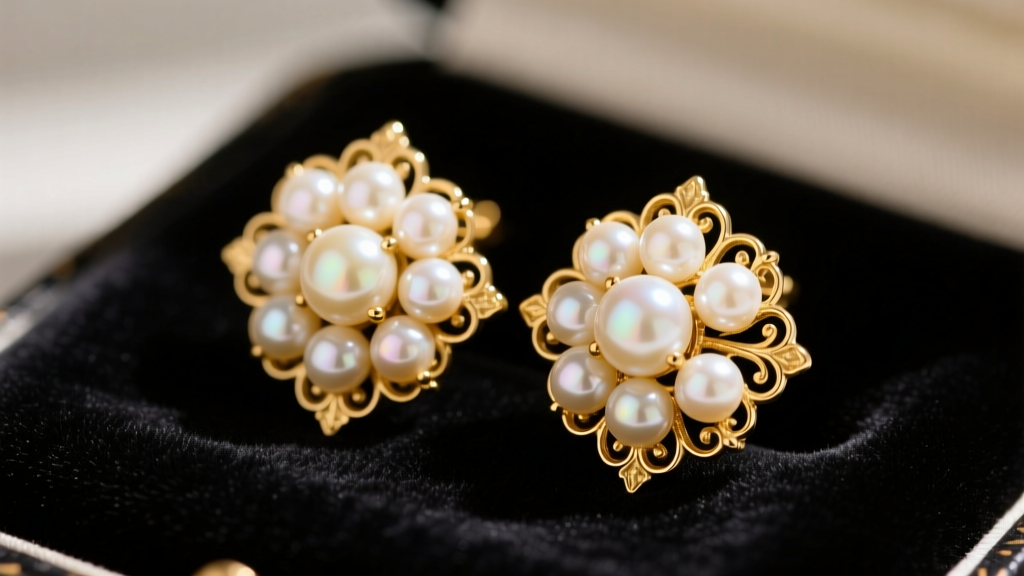
When navigating the estate jewelry market, few pieces capture the elegance of the past quite like pearl cluster earrings. However, the secondary market is flooded with misidentified pieces, ranging from genuine mid-century Akoya and solid gold treasures to mass-produced 1980s costume jewelry disguised as antique heirlooms. For collectors and everyday wearers alike, understanding the true value of pearl cluster earrings vintage styles requires a meticulous assessment of materials, structural integrity, and historical context. This comprehensive value guide breaks down exactly what you should pay, what materials to look for, and the hidden restoration costs that can turn a bargain into a financial burden.
The Allure and Economics of Vintage Pearl Clusters
The term 'vintage' in the jewelry trade strictly refers to pieces that are at least 20 to 99 years old, with 'antique' reserved for items over a century old. Pearl cluster earrings—which feature multiple pearls arranged in floral, geometric, or domed patterns—peaked in popularity during the Retro (1940s) and Mid-Century (1950s-1960s) eras. The economic value of these pieces is rarely driven by the brand name alone; instead, it is dictated by the intrinsic value of the precious metals, the origin and luster of the pearls, and the rarity of the specific design. According to the Gemological Institute of America (GIA), the value factor of a pearl is heavily dependent on its nacre thickness and luster, both of which can degrade over decades if improperly stored.
Decoding the Materials: Pearls and Metals
Pearl Grading in Vintage Clusters
Not all pearls in vintage clusters are created equal. Identifying the pearl type is the first step in your budget assessment:
- Akoya Saltwater Pearls: The gold standard for mid-century vintage clusters. Known for their sharp, mirror-like luster and perfectly round shapes. A genuine vintage 14K gold cluster featuring high-luster Akoya pearls commands a premium.
- Freshwater Pearls: Common in 1970s and 1980s vintage pieces. Older freshwater pearls often have a 'rice-crispy' or button shape with lower luster. While charming, they hold significantly less monetary value than Akoya.
- Majorica (Simulated): Highly prevalent in vintage costume jewelry. These are glass beads coated in a guanine (fish scale) solution. They are not real pearls and should be priced strictly as costume jewelry, regardless of how convincing they look.
Metal Backings and Posts
The metal framework dictates the baseline scrap and collector value. Always inspect the earring posts and clutch backs for hallmarks. A '14K' or '18K' stamp indicates solid gold, vastly increasing the piece's intrinsic value. However, many vintage clusters are crafted from Gold-Filled (GF) or Rolled Gold Plate (RGP). While gold-filled vintage earrings (stamped '1/20 14K GF') offer excellent durability and a rich appearance, they cannot be melted down for scrap and should be priced between $80 and $200, depending on the pearls used. The Federal Trade Commission (FTC) Jewelry Guides strictly regulate these stamps, making them reliable indicators if they are not heavily worn away.
Pricing Tiers: What You Should Actually Pay
To avoid overpaying at estate sales or online auctions, use this value matrix to benchmark your finds. Prices reflect the 2026 market for pieces in excellent, wearable condition.
| Era & Style | Metal Purity | Pearl Type | Estimated Value Range | Common Failure Modes |
|---|---|---|---|---|
| Art Deco (1920s-30s) | Platinum / 18K White Gold | Seed Pearls | $800 - $2,500+ | Brittle platinum prongs, lost seed pearls |
| Retro (1940s) | 14K Rose / Yellow Gold | Akoya (Cream) | $600 - $1,400 | Post shear, heavy nacre wear |
| Mid-Century (1950s-60s) | 14K Yellow Gold | Akoya (White) | $450 - $950 | Degraded adhesive, stretched ear wires |
| Late Century (1970s-80s) | 1/20 14K Gold-Filled | Freshwater (Button) | $90 - $220 | Base metal corrosion, pearl discoloration |
| Costume (Any Era) | Base Metal / RGP | Majorica / Glass | $30 - $75 | Flaking coating, green skin reaction |
Authentication and Red Flags
When assessing pearl cluster earrings vintage dealers claim are 'fine jewelry,' look for these critical red flags that instantly devalue the piece:
- The Tooth Test Failure: Gently rub a pearl against the edge of your tooth. Real pearls (Akoya and Freshwater) feel gritty, like fine sandpaper. If it feels perfectly smooth like glass, it is a simulated Majorica or plastic bead, dropping the value to costume tier.
- Modern Clutch Backs on Vintage Posts: If the earring post is unmarked, heavily scratched, and paired with a brand-new, bright gold butterfly clutch, the post may have been replaced. This often means the original metal was too weak or broken, compromising the structural integrity.
- Drill Hole Peeling: Inspect the drill holes where the pearls are set. If you see a distinct line where a thin coating is peeling away from a glass bead core, the pearls are faux. Nacre on real pearls does not peel in sheets.
'The true value of a vintage pearl cluster lies not just in the carat weight of the gold, but in the surviving luster of the nacre and the integrity of the mid-century adhesive.' — Master Jeweler Appraisal Note
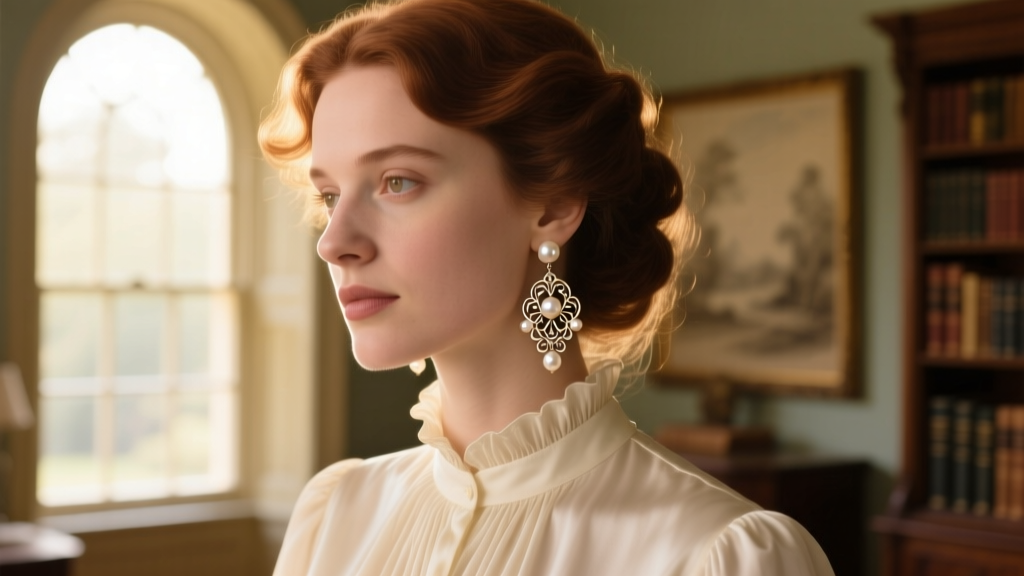
Hidden Costs: Restoration and Maintenance
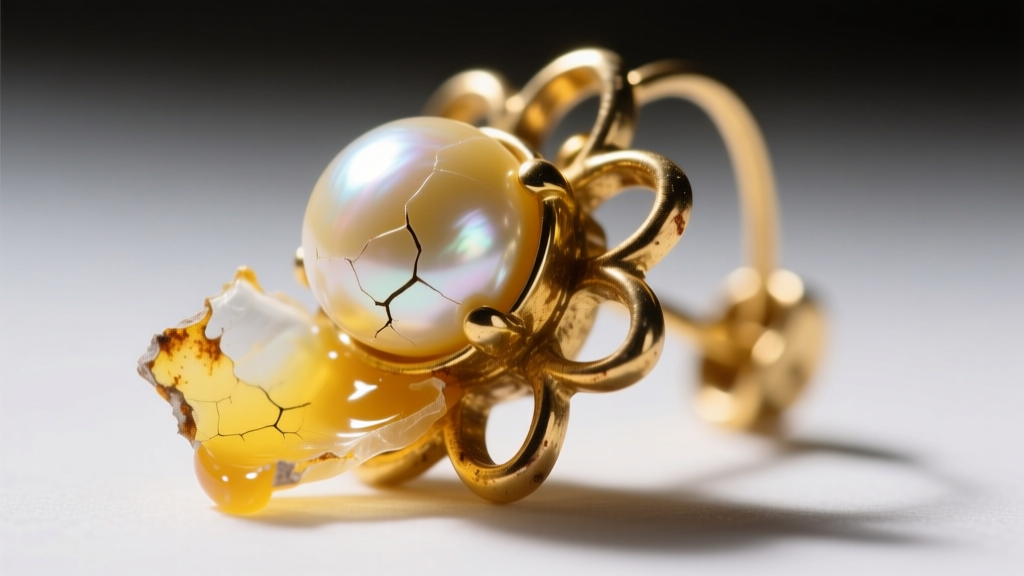
Budgeting for vintage earrings must include potential restoration costs. The most common failure mode in vintage pearl clusters is adhesive degradation. Mid-century jewelers frequently used early cellulose-based glues or shellac to secure half-drilled pearls onto metal pegs. Over 60+ years, these adhesives dry out, turn brittle, and fail, causing pearls to spin or fall off entirely.
If you purchase a vintage cluster with loose pearls, factor in the cost of professional re-tipping and re-gluing. A reputable bench jeweler will charge between $35 and $85 per earring to carefully remove the old adhesive with specialized solvents, prep the metal peg, and secure the pearl using modern, jewelry-grade cyanoacrylate or two-part epoxy. Additionally, if the vintage ear wires are stretched thin from decades of use, soldering new 14K wire loops will add another $60 to $120 to your total investment.
Final Verdict on Vintage Investments
Assessing the budget and value of pearl cluster earrings vintage styles requires looking past the romantic aesthetic and evaluating the piece with a jeweler's loupe. Solid gold mid-century clusters with high-luster Akoya pearls remain excellent, stable investments that frequently appreciate, provided the nacre is intact and the posts are secure. Conversely, gold-filled or base-metal clusters should be purchased strictly for their wearable beauty, with an understanding that their resale value will remain flat. By understanding material grades, identifying pearl origins, and budgeting for inevitable adhesive restoration, you can confidently navigate the estate market and secure genuine heirlooms without overpaying for clever imitations.


