Pearl Double Drop Earrings: 2026 Trend Analysis & Styling Guide
Discover the 2026 style evolution of pearl double drop earrings. Explore trend forecasts, material grades, face-shape pairings, and expert styling tips.

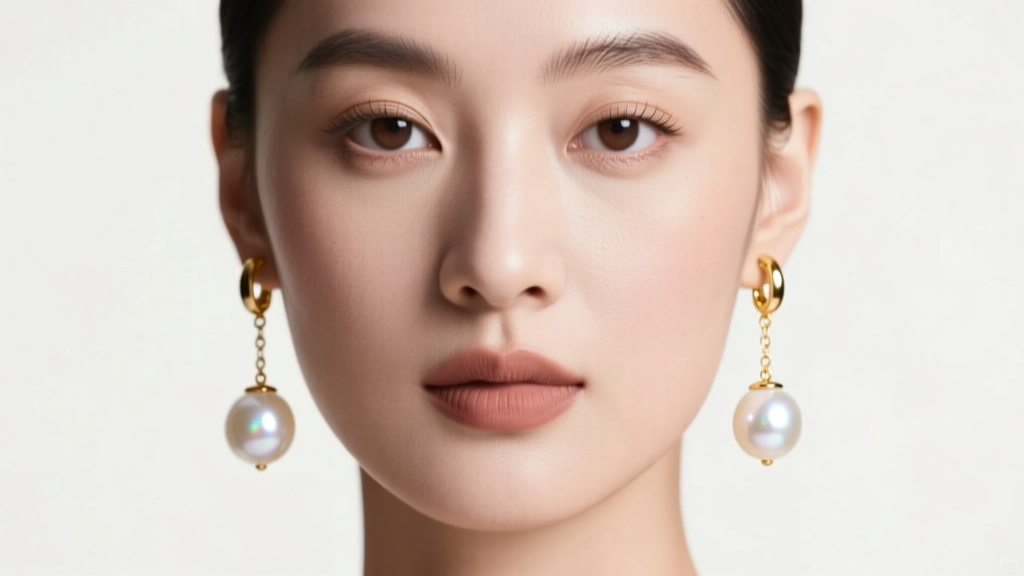
The 2026 Evolution: Beyond Traditional Bridal
Historically relegated to conservative bridal jewelry and formal pageantry, the pearl double drop earring has undergone a radical transformation. As we navigate the 2026 fine jewelry landscape, this elongated silhouette has emerged as a staple of avant-garde, everyday luxury. No longer confined to perfectly matched, round white pearls, today's iterations embrace kinetic movement, mixed-metal hardware, and organic baroque shapes. According to trend forecasts analyzed by JCK Online, the modern consumer demands jewelry that offers dynamic articulation—pieces that move with the wearer rather than sitting statically against the jawline.
The double drop design inherently provides this kinetic energy. By suspending a secondary pearl beneath a primary stud or hook via an articulated link, the earring catches ambient light from multiple angles. This structural shift from static to dynamic is what has propelled the pearl double drop earring from the back of the jewelry box to the forefront of contemporary ear curation.
Anatomy of the Double Drop: Proportions & Hardware
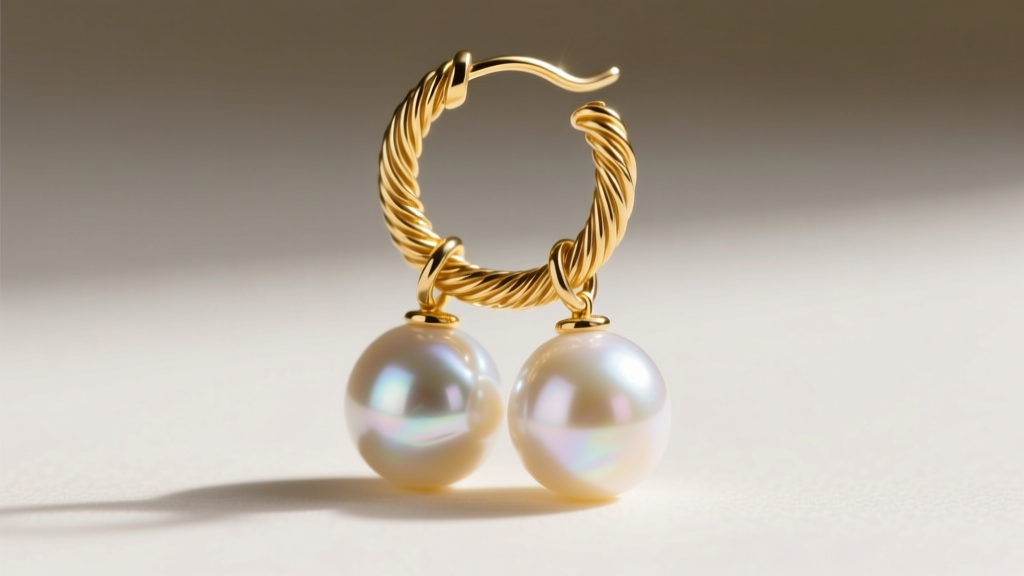
The aesthetic success of a double drop earring relies entirely on its structural engineering. A poorly constructed piece will tangle, warp, or degrade rapidly. When evaluating high-end pearl double drop earrings, you must scrutinize the connector mechanics and the adhesive applications.
Link Mechanics & Failure Points
The most common failure point in mass-market double drops is the connector jump ring. Many commercial manufacturers use 24-gauge or 26-gauge wire for these links to save on gold weight. However, wire this thin is highly susceptible to warping under the pendulum weight of the lower pearl. For long-lasting durability, seek out connectors crafted from 20-gauge or 18-gauge wire. Furthermore, the jump ring must be soldered shut or feature a precise flush-cut closure; otherwise, the lower pearl link will eventually slip through the gap, resulting in lost stones.
Adhesive Degradation & Pearl Caps
Pearls are typically mounted to metal posts or caps using adhesive. The industry standard for cheap jewelry is cyanoacrylate (super glue), which is a catastrophic choice for pearls. Cyanoacrylate emits fumes during curing that permanently cloud the nacre, and it becomes brittle when exposed to the natural oils and acidity of human skin. Expert jewelers exclusively use a two-part jeweler's epoxy, which remains slightly flexible, withstands temperature fluctuations, and will not degrade the pearl's luster. If you notice a chalky white residue around the metal cup of your lower pearl, the adhesive is failing.
Pearl Grade & Material Matrix
Not all pearls behave the same way in a double drop configuration. The weight, luster, and nacre thickness drastically alter how the earring hangs and interacts with light. The Gemological Institute of America (GIA) emphasizes that nacre thickness and luster are the primary drivers of a pearl's optical performance. Below is a comparative matrix of the three most common pearl types used in 2026 double drop designs.
| Pearl Type | Nacre Thickness | Avg. Weight (Pair) | Best Metal Pairing | 2026 Trend Status |
|---|---|---|---|---|
| Hanadama Akoya | 0.4mm - 0.6mm | 4.5g - 6.0g | 18k Yellow Gold | High (Classic Revival) |
| AAA Freshwater | Solid Nacre | 6.0g - 9.0g | Sterling Silver / White Gold | Medium (Baroque Shapes) |
| White South Sea | 2.0mm - 4.0mm | 12.0g - 18.0g | Platinum / 18k Gold | Niche (Ultra-Luxury) |
Expert Insight: South Sea pearls offer unparalleled satiny luster, but their massive weight (often exceeding 12 grams per pair in a double drop setup) requires specialized earring backs. Standard butterfly friction backs will fail, causing the heavy drops to drag the earlobe downward. Always pair heavy South Sea double drops with La Poussante backs or wide silicone support discs to distribute the weight across the lobe.
Face Shape Dynamics for Elongated Silhouettes
The verticality of the pearl double drop earring makes it a powerful tool for facial contouring, but it must be matched to the wearer's underlying bone structure. Because the double drop creates a strong vertical line drawing the eye downward, it interacts differently with various face shapes.
- Round & Square Faces: The elongated geometry of the double drop is highly flattering. It creates an optical illusion of length, softening strong jawlines and balancing wider cheekbones. Opt for drops where the lower pearl hangs at least 1.5 inches below the earlobe.
- Oblong & Oval Faces: Extreme verticality can over-elongate an already long face. To counteract this, choose double drops that feature wider, asymmetrical baroque pearls rather than perfectly round ones, or select designs where the two pearls are clustered closely together to create horizontal visual weight.
- Heart-Shaped Faces: The wider forehead and narrow chin of a heart-shaped face benefit from the volume a double drop adds to the lower half of the face. Mismatched double drops (e.g., a 7mm top pearl and a 10mm bottom pearl) help anchor the visual center of gravity.
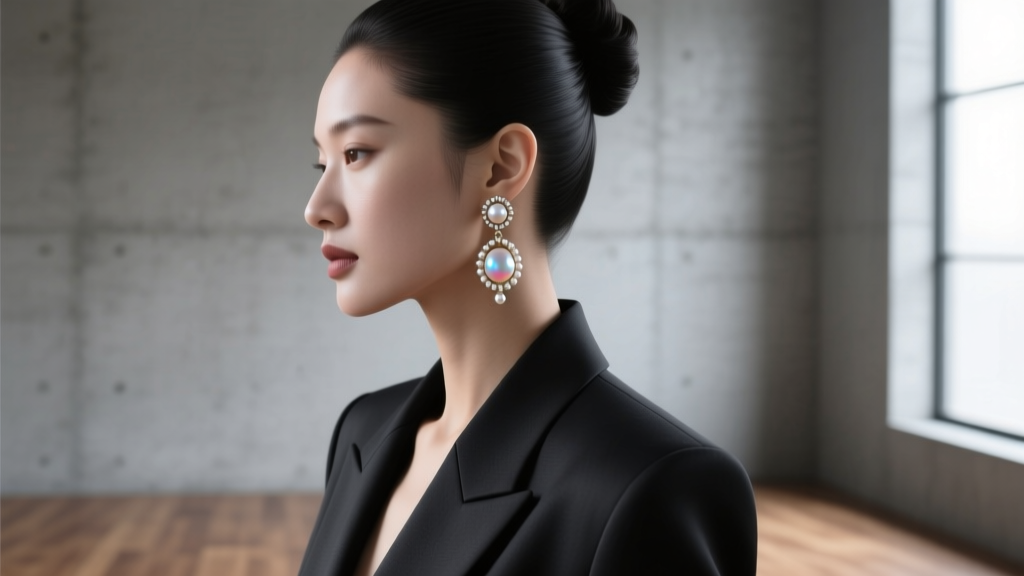
2026 Styling Framework: Day-to-Night Versatility
The modern approach to styling pearl double drop earrings relies on deliberate contrast. The days of wearing matching pearl necklaces and bracelets are behind us. In 2026, the focus is on juxtaposition and asymmetry.
The most compelling ear curations of 2026 treat the double drop not as a standalone statement, but as an anchor piece that interacts with minimalist hardware in the upper ear.
The Asymmetric Lobe Approach: Wear a single, dramatic baroque pearl double drop in your primary lobe piercing, and balance it with a flush-set diamond or plain gold huggie in the opposite ear. This breaks the formality traditionally associated with pearls and introduces an editorial, high-fashion edge suitable for both boardroom presentations and evening events.
The Cartilage Counterbalance: Because the double drop draws attention downward to the lobe, anchor the upper ear with structural pieces. A sleek, 16-gauge titanium or gold helix cuff, or a minimalist flat-back labret stud in the mid-helix, creates a vertical pathway that guides the eye from the cartilage down to the kinetic movement of the pearls.
Investment & Price Tiers
When shopping for pearl double drop earrings, understanding the pricing architecture prevents overpaying for subpar materials. The market is distinctly segmented into three tiers:
1. Fashion & Vermeil Tier ($40 - $120)
These pieces typically feature AAA freshwater pearls set on 18k gold vermeil (gold plated over sterling silver). While visually appealing, the vermeil will eventually wear away at the friction points, especially around the earring post and jump rings. These are ideal for trend-driven, seasonal wear but lack generational longevity.
2. The Bridge Tier ($250 - $600)
This is the sweet spot for everyday luxury. Bridge pieces utilize solid 14k gold hardware, ensuring the connectors and posts will never tarnish or degrade. The pearls in this tier are usually high-grade Akoya or premium round freshwater pearls with thick nacre and sharp, mirror-like luster. The hardware mechanics, including soldered jump rings and secure epoxy settings, are reliably executed in this bracket.
3. Fine & High Jewelry Tier ($1,200+)
At the apex of the market, you find South Sea or rare Tahitian pearls paired with 18k gold or platinum. These pieces feature precision-engineered articulated links that allow the pearls to pivot freely without catching. The pearls are matched not just in size, but in exact overtone and luster depth, a painstaking process that drives the premium cost. Investing in this tier yields a wearable asset that retains structural and aesthetic integrity for decades.


