Earrings Perler Beads: 2026 Trend Analysis & Style Guide
Discover how earrings perler beads evolved into high fashion in 2026. Explore material upgrades, gauge specs, and styling tips for this indie trend.

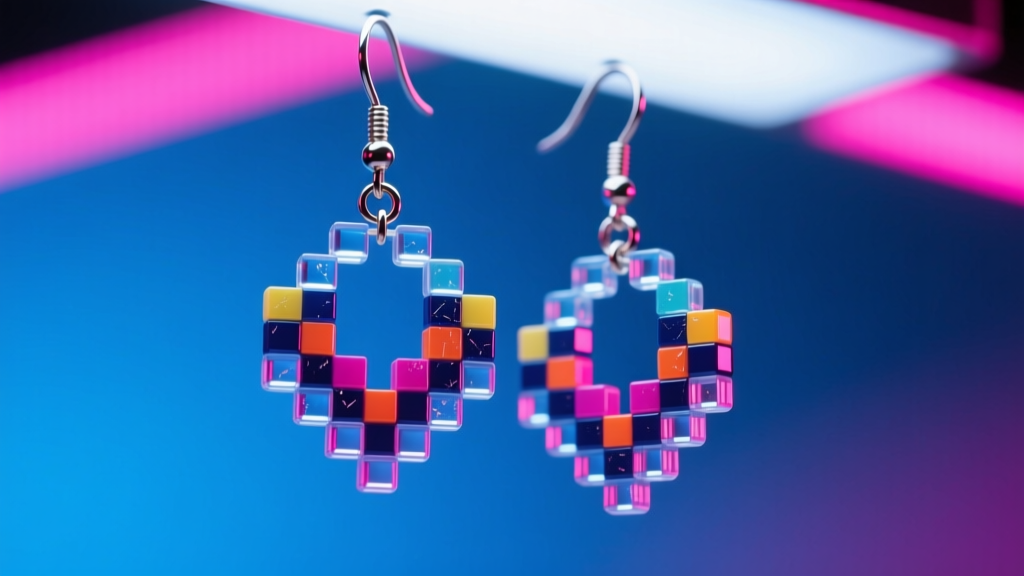
When discussing the trajectory of indie and avant-garde jewelry, earrings perler beads have emerged as a surprising frontrunner in the 2026 accessories market. Once relegated to childhood craft tables and nostalgic Y2K DIY projects, polyethylene fuse beads have been radically re-engineered by contemporary artisans. Today, they bridge the gap between digital pixel-art aesthetics and high-end wearable art. This comprehensive style and trend analysis breaks down the material science, structural engineering, and styling frameworks that have elevated perler bead earrings from novelty crafts to sought-after statement pieces.
The 2026 Resurgence: From Craft Table to Runway
The resurgence of perler bead jewelry is deeply intertwined with the 'indie-sleaze' revival and the mainstreaming of digital-native aesthetics. In 2026, consumers are gravitating toward hyper-tactile, pixelated designs that mimic 8-bit video game graphics and early internet iconography. However, the modern iteration of this trend demands luxury execution. Top-tier indie designers on platforms like Etsy and Ssense are no longer simply ironing beads together; they are treating polyethylene arrays as modular gemstones, setting them in precious metal armatures and sealing them in high-gloss resins. This evolution has created a micro-market where earrings perler beads command premium pricing, driven by their lightweight nature and limitless geometric possibilities.
Material Science: Upgrading the Polyethylene Core
Standard perler beads are composed of low-density polyethylene (LDPE) or ethylene-vinyl acetate (EVA), which melt and fuse at approximately 115°C to 130°C. While this low melting point makes them ideal for iron-fusing, it leaves the resulting plastic matrix highly porous. In legacy craft applications, these micro-pores trap sebum, skin cells, and environmental pollutants, causing the earrings to degrade, discolor, and harbor bacteria within months.
The Resin Revolution
To combat porosity, 2026's leading jewelry makers employ a two-step sealing process. First, the fused bead array is lightly sanded with 800-grit sandpaper to ensure mechanical adhesion. Then, it is encapsulated in a UV-cured jewelry resin or a two-part clear epoxy (such as ArtResin). This process not only renders the plastic completely non-porous and hypoallergenic but also imparts a glass-like, enamel finish that mimics high-end cloisonné. The UV-resin coating also increases the structural rigidity of the piece, preventing the individual beads from snapping apart under the torque of daily wear.
Hardware and Gauge Specifications
The most common failure point in amateur perler bead jewelry is the hardware. Because a large, multi-layered perler bead array can weigh anywhere from 8 to 15 grams, standard craft wire and plated brass hooks will inevitably bend, snap, or cause contact dermatitis. Professional artisans adhere to strict metallurgical standards to ensure longevity and biocompatibility.
| Component | Legacy Craft Standard | 2026 Artisan Standard | Functional Benefit |
|---|---|---|---|
| Ear Wire / Post | 22g Plated Brass | 18g ASTM F136 Titanium | Hypoallergenic; supports 15g+ weight without lobe tearing |
| Internal Armature | 24g Copper Craft Wire | 20g Niobium / Dead-Soft Sterling | Prevents internal snapping; resists metal fatigue |
| Suspension Rings | Soldered Base Metal | 16g Stainless Steel Jump Rings | Eliminates weak points at the primary stress junction |
According to guidelines from Jewelry Making Daily, utilizing implant-grade titanium (specifically ASTM F136) for the ear wire is non-negotiable for heavy statement earrings. Titanium's exceptional strength-to-weight ratio ensures the wire maintains its structural curve, keeping the earring securely in the lobe without dragging or stretching the piercing over time.
Structural Design Frameworks
Creating durable earrings perler beads requires an understanding of load distribution. Artisans utilize two primary structural frameworks in 2026:
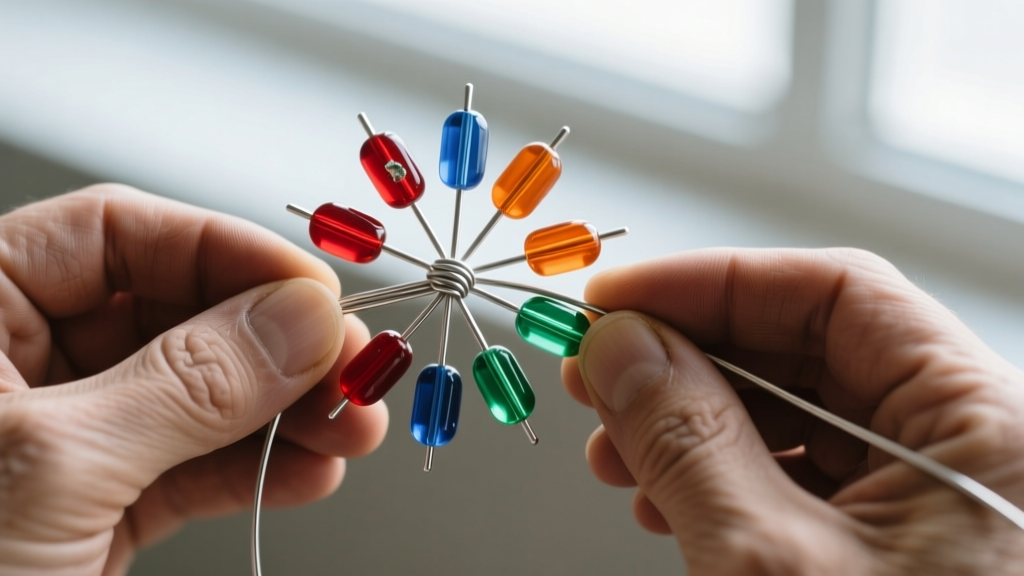
- The Wire-Wrap Cage: A 20-gauge sterling silver wire is woven through the pre-melted holes of the perimeter beads, creating a tension-based cage that holds the array together without relying solely on the plastic-to-plastic fusion. This is ideal for large, asymmetric drop earrings.
- The Sub-Plate Mount: The fused bead array is adhered using a flexible cyanoacrylate adhesive to a laser-cut brass or titanium sub-plate. The hardware is then soldered directly to the metal sub-plate, completely bypassing the plastic structure for load-bearing stress. This technique is heavily used for heavy, oversized studs and ear cuffs.
Styling and Face Shape Pairing
The pixelated, blocky nature of perler beads lends itself to bold, geometric styling. Because the medium inherently produces sharp angles and stepped curves, it can be strategically used to balance facial geometry.
Face Shape Guidelines
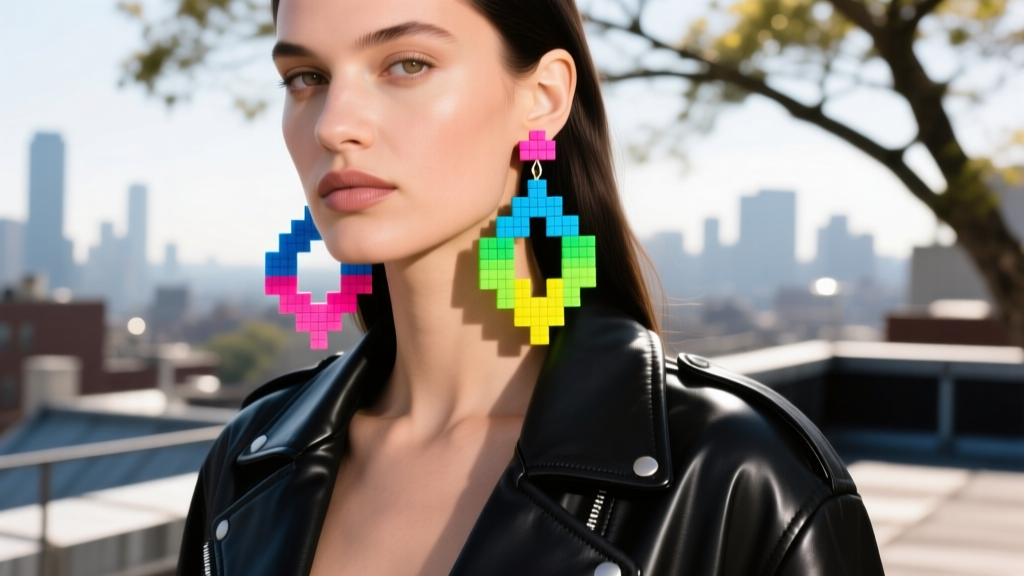
For round faces, elongated, stair-step perler drop earrings create a visual illusion of length, drawing the eye downward and adding necessary angular structure to soft jawlines. Conversely, those with square or angular faces should opt for perler bead hoops or huggies that feature curved, pixelated circular motifs, which soften harsh cheekbones and add a playful contrast to sharp features. Oval faces possess the versatility to pull off the trend's most avant-garde iteration: the asymmetric, oversized shoulder-duster perler array, often featuring 8-bit pop-culture motifs or abstract glitch-art patterns.
Market Pricing and Sourcing
The market for high-end perler bead earrings has stratified into distinct tiers based on material quality and artisan reputation. Entry-level, unsealed pieces on mass-market platforms typically range from $12 to $25, but these suffer from rapid degradation. The 'Artisan Indie' tier, featuring UV-resin sealing, sterling silver armatures, and titanium posts, commands between $45 and $120 on curated platforms like Etsy and Depop. At the apex, designer collaborations and avant-garde streetwear brands incorporating perler beads alongside pave-set lab-grown diamonds or sapphire accents push the price point into the $250 to $600 range, positioning the medium firmly within contemporary luxury.
Care and Maintenance
Despite the durability of modern sealing techniques, polyethylene cores remain sensitive to extreme thermal shifts. Wearers must avoid leaving earrings perler beads in direct, concentrated heat sources, such as the dashboard of a car during summer, as temperatures exceeding 60°C can cause the internal plastic matrix to warp, breaking the seal of the exterior resin. Cleaning should be performed using a microfiber cloth and a mild, alcohol-free soap solution. Harsh chemical solvents, including acetone and alcohol-based jewelry dips, will cloud the UV-resin finish and compromise the structural adhesives used in sub-plate mounting.


