How to Convert Pierced Earrings to Clip Ons: A Buyer's Guide
Learn how to convert pierced earrings to clip ons with our expert buyer's guide. Discover the best adapters, materials, and mechanisms for comfort.

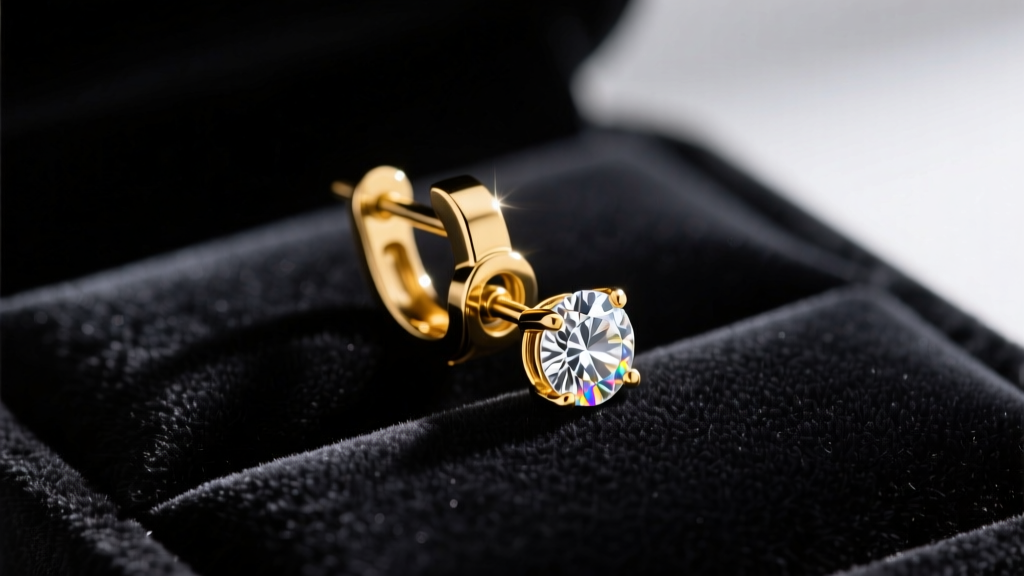
The jewelry market has seen a massive resurgence in vintage and estate pieces, but there is a common hurdle for collectors and non-pierced individuals alike: the vast majority of fine jewelry is designed exclusively for pierced lobes. If you have inherited a stunning pair of Art Deco diamond drops or simply want to wear a modern designer stud without undergoing a piercing procedure, understanding how to convert pierced earrings to clip ons is an essential skill. However, not all converters are created equal. The wrong adapter can damage a valuable earring post, cause severe lobe pinching, or result in the loss of a precious gemstone.
This comprehensive buying guide breaks down the exact mechanics, material grades, and structural considerations you need to evaluate when purchasing earring converters in 2026.
Why Invest in High-Quality Earring Converters?
Cheap, bulk-bought converters often rely on aggressive leaf-spring tension that can exert up to 400 grams of clamping force on the earlobe. This leads to ischemia (restricted blood flow), resulting in the dreaded "clip-on pinch" after just a few hours of wear. High-quality adapters, conversely, utilize calibrated tension, ergonomic padding, or magnetic alternatives to distribute weight evenly. Furthermore, premium converters protect the structural integrity of the earring's post, ensuring you do not bend or snap a delicate 20-gauge (0.81mm) or 18-gauge (1.02mm) wire.
The 4 Main Types of Pierced-to-Clip-On Adapters
When researching how to convert pierced earrings to clip ons, you will encounter four primary mechanisms. Each serves a distinct purpose based on the earring's weight, drop length, and post thickness.
1. Friction Clip-Ons (The Standard)
These feature a hinged paddle with a small receiving tube that the earring post slides into. A tiny set screw or friction grip holds the post in place. They are best for lightweight studs and small hoops. Look for models with a padded silicone insert on the back of the paddle to reduce lobe fatigue.
2. Screw-Back Converters (For Heavy Drops)
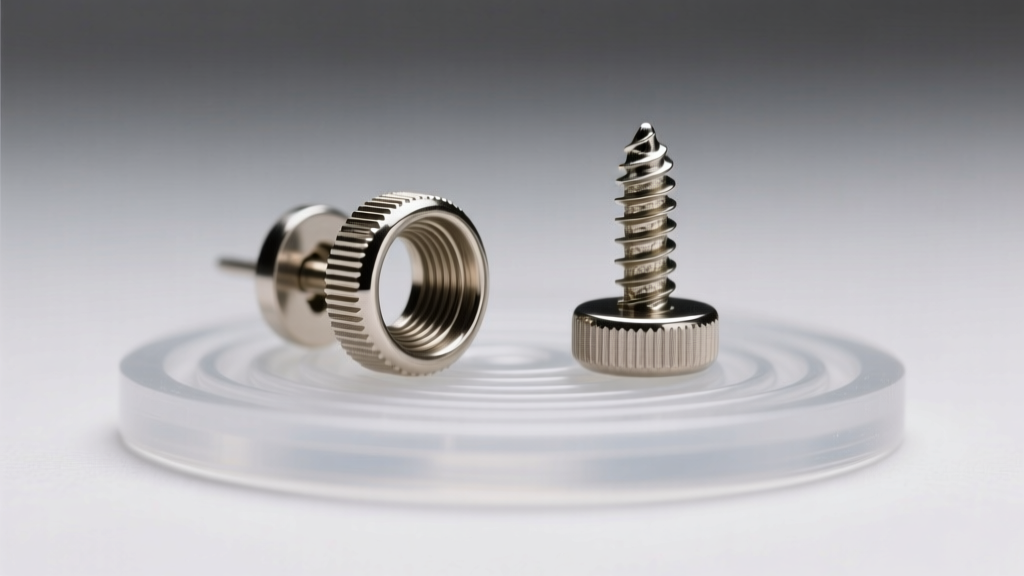
Instead of a tension spring, screw-back converters use a threaded barrel that gently tightens against the back of the earlobe. This is the mandatory choice for heavy chandelier earrings, vintage brooch-conversions, or gemstone drops exceeding 5 grams. The adjustable tension prevents the earring from slipping while allowing the wearer to customize the tightness.
3. Magnetic Adapters (For Flat Studs)
Magnetic converters utilize N52-grade neodymium magnets to sandwich the earlobe. The pierced earring post is either snipped off (permanent) or fitted with a specialized magnetic cap. These are virtually invisible and eliminate the pinching associated with mechanical clips, though they are strictly limited to lightweight, flat-back studs.
4. Silicone Cushion Slips (Comfort Mods)
While not a standalone clip-on, silicone friction backs with a wide, winged flange can be paired with specialized ear-cuff wraps to create a makeshift, highly comfortable clip-on for standard studs.
What to Look For: A Buyer’s Checklist
Before adding a converter set to your cart, evaluate the materials and engineering. Skin sensitivities are a major factor, as many budget adapters are cast from raw brass or nickel-plated zinc alloys. According to the Mayo Clinic, nickel allergies are among the most common causes of contact dermatitis, making material selection critical for items worn against the skin.
| Material Grade | Nickel Content | Durability & Tarnish | Best Application | Price Range (Per Pair) |
|---|---|---|---|---|
| 316L Surgical Steel | Very Low (Hypoallergenic) | High / Will not tarnish | Everyday wear, sensitive skin | $12 - $20 |
| 14k/18k Gold Vermeil | None (if sterling base) | Medium / Plating may wear | Fine jewelry, vintage pieces | $25 - $60 |
| Rhodium-Plated Brass | Trace (under plating) | Medium / High shine | Occasion wear, heavy drops | $8 - $15 |
| Titanium-Coated Alloy | None | High / Scratch resistant | Active wear, secure grips | $15 - $25 |
Expert Insight: Always verify the inner diameter of the converter's receiving tube. Standard earring posts are 20G (0.81mm). If you are converting vintage pieces, posts may be thicker (18G or 16G). Ensure the adapter explicitly states it accommodates 18G or 16G wires, or you will bend the post upon insertion.
Matching the Converter to the Earring Style
The geometry of the earring dictates the type of adapter you must purchase. The Gemological Institute of America (GIA) notes that the structural integrity of jewelry settings must be respected when modifying how they are worn.
- Button Studs & Solitaires: Use flat-pad friction converters or magnetic adapters. The center of gravity is close to the lobe, requiring minimal clamping force.
- Drop & Dangle Earrings: The pendulum effect of a swinging drop generates kinetic leverage that will pull a standard friction clip right off the ear. You must use a screw-back converter or a paddle clip with a deep, locking set-screw.
- Hoops & Huggies: Converting hoops is notoriously difficult because the post is often soldered at an angle. Look for "swivel-head" converters that allow the receiving tube to rotate 90 degrees, accommodating the natural curve of the hoop wire.

Step-by-Step: How to Convert Pierced Earrings to Clip Ons Safely
Once you have sourced the correct adapters, follow this precise method to avoid damaging your jewelry:
- Inspect the Post: Ensure the earring post is perfectly straight. If it is slightly bent, use a nylon-jaw jewelry plier to gently straighten it before insertion.
- Loosen the Set Screw: If using a friction converter, use a micro-jeweler's screwdriver to back out the tension screw on the side of the receiving tube.
- Insert the Post: Slide the earring post into the tube until the base of the earring sits flush against the front of the converter paddle.
- Secure the Grip: Tighten the set screw just enough to bite into the post. Do not overtighten, as this can strip the soft metal of a gold or silver post.
- Adjust the Paddle Tension: Gently squeeze or pull the metal paddle to adjust the spring tension to your comfort level before clipping it to your ear.
Troubleshooting Common Converter Failures
Even with premium adapters, you may encounter mechanical issues. Here is how to troubleshoot them like a professional jeweler:
The "Slipping" Problem
If the earring rotates forward and droops, the center of gravity is too far forward for the converter's paddle size. Solution: Apply a small dot of clear museum wax or silicone earring back glue to the front of the converter paddle where it meets the earring base to create a high-friction barrier.
The "Pinching" Problem
If the lobe throbs after 30 minutes, the leaf spring tension is too high. Solution: Carefully insert a flat-head screwdriver into the hinge gap and gently twist to widen the paddle angle, reducing the clamping force. Alternatively, adhere a 1mm adhesive silicone pad to the inner paddle.
Post Breakage
If the earring post snaps at the base of the converter tube, it was likely subjected to lateral torque. Solution: Never sleep in converted earrings, and always remove the adapter by loosening the set screw rather than pulling the earring out by force.
Final Verdict & Sourcing Recommendations
Mastering how to convert pierced earrings to clip ons opens up an entirely new world of jewelry acquisition. For everyday wear and sensitive skin, invest in 316L surgical steel screw-back adapters. For high-end estate jewelry, seek out 14k gold vermeil friction clips with custom silicone cushions. Avoid bulk packs of unmarked alloys from generic marketplaces; instead, source your converters from specialized jewelry supply houses or dedicated vintage jewelry restoration shops. By prioritizing material safety, gauge compatibility, and weight distribution, you can wear any pierced masterpiece with absolute confidence and comfort.


