Pink Clip On Earrings: The Ultimate Budget & Value Guide
Discover the true value of pink clip on earrings. We analyze mechanisms, materials, and pricing tiers to help you find comfortable, lasting styles.

The Non-Pierced Renaissance: Why Pink Clip On Earrings Are Surging
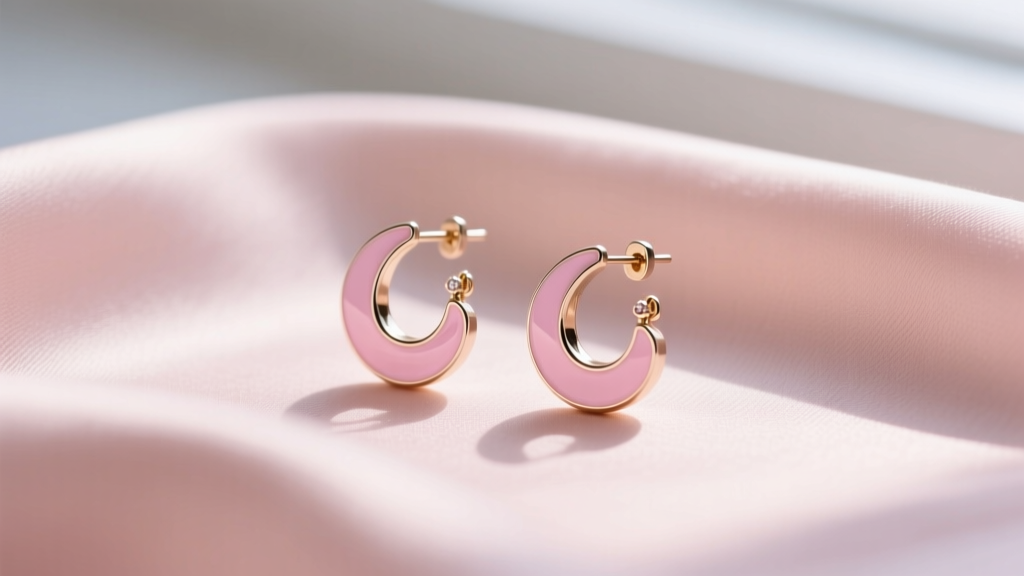
The resurgence of non-pierced jewelry in 2026 is not just a fleeting trend; it is a fundamental shift in how consumers approach ear styling. Driven by the enduring popularity of 'balletcore' and 'coquette' aesthetics, pink clip on earrings have become a staple for both non-pierced individuals and those looking to curate elaborate, temporary ear scapes without committing to new cartilage piercings. However, the market is flooded with options ranging from $5 fast-fashion acrylics to $300 vintage heirlooms. As a buyer, how do you separate genuine value from overpriced costume jewelry?
Evaluating the true cost of non-pierced earrings requires looking past the pink pigment and examining the mechanical engineering of the clasp, the metallurgical integrity of the base wire, and the long-term comfort of the tension system. In this comprehensive budget and value assessment, we break down exactly what you are paying for when you invest in pink clip on earrings, ensuring your money is spent on durability, comfort, and style.
Decoding the Hardware: What You Are Actually Paying For
The primary differentiator between a $15 pair of clip-ons that give you a headache after twenty minutes and a $65 pair you can wear to a wedding is the hinge mechanism. The hardware dictates the earring's weight capacity, tension distribution, and overall lifespan.
Paddle-Back vs. Screw-Back vs. Invisible Spring Clips
- Paddle-Back Clips: Characterized by a wide, flat metal surface that presses against the back of the earlobe. These offer excellent weight distribution, making them ideal for heavier pink enamel or resin drop earrings. However, cheap paddle-backs often lack adjustable tension, leading to either painful pinching or constant slipping.
- Screw-Back Mechanisms: A staple of vintage 1950s jewelry, these feature a tiny screw that allows the wearer to manually calibrate the tension. While they offer a custom fit, the micro-threads are prone to stripping if over-tightened, and they require more manual dexterity to secure.
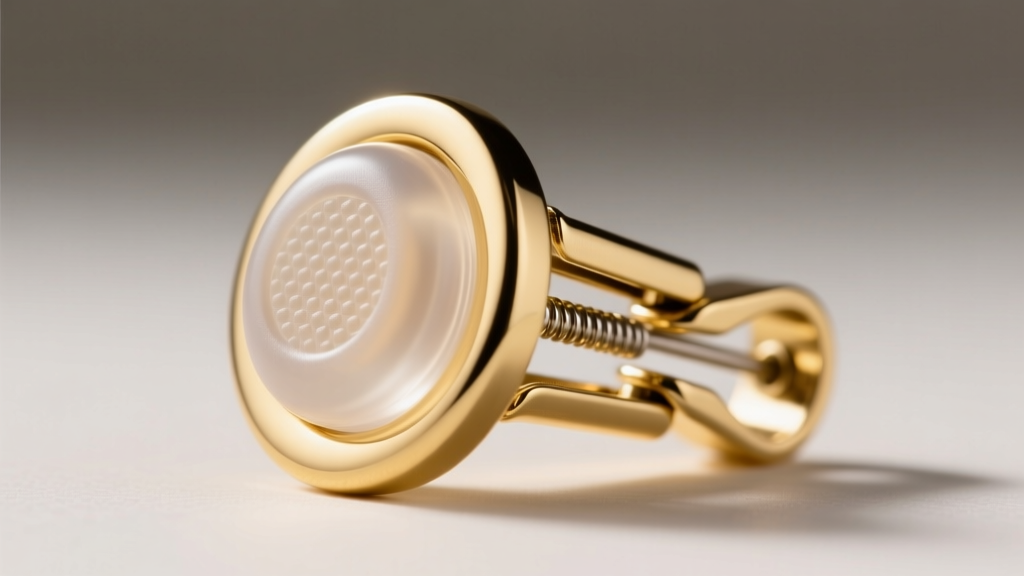
- Invisible Spring Clips: Modern iterations use high-carbon steel micro-springs hidden within a sleek, minimalist wire frame. These are virtually undetectable from the front and are best suited for lightweight pink acrylic or delicate chain styles. The trade-off is that the high-tension springs can cause localized pressure points on the earlobe if worn for more than six hours.
Material Science: The Truth Behind the Pink Pigment
Not all pink finishes are created equal. The method used to achieve the pink hue drastically impacts the earring's resistance to chipping, fading, and everyday wear. When assessing value, you must align the material with the appropriate price point.
| Material Type | Average Price Range | Durability & Wear | Ideal Clip Mechanism |
|---|---|---|---|
| Acrylic / Resin | $10 - $25 | Low (Scratches easily, pigment is uniform) | Invisible Spring |
| Cold Enamel over Brass | $25 - $50 | Medium (Prone to chipping if dropped) | Paddle-Back |
| Vitreous (Fired) Enamel | $60 - $150 | High (Glass-like finish, highly durable) | Screw-Back |
| Lab-Grown Pink Sapphire | $80 - $250+ | Very High (Mohs scale 9, heirloom quality) | Hinge with Silicone Pad |
According to the Gemological Institute of America (GIA), sapphires rank a 9 on the Mohs scale of hardness, making lab-grown pink sapphires an exceptional investment for daily-wear clip-ons, as they will not scratch or cloud over time like dyed quartz or pink glass alternatives.
The Budget Tiers: A Value Assessment
To determine where your money is best spent, we have categorized the market into three distinct budget tiers, analyzing the hidden costs and value propositions of each.
Tier 1: Fast Fashion & Acrylic (Under $25)
In the sub-$25 category, you are primarily paying for the design, not the materials. Most pink clip on earrings in this tier are made from injection-molded acrylic or resin attached to base-metal findings via industrial adhesives. The Value Verdict: Low. The primary risk here is the base metal of the clip itself. Cheap findings frequently contain nickel to increase malleability. As noted by the Mayo Clinic, prolonged skin contact with nickel-containing alloys can trigger severe contact dermatitis, especially on the sensitive skin behind the earlobe where sweat can accumulate. If you buy in this tier, ensure the clip is coated in a hypoallenic barrier or surgical steel.
Tier 2: Demi-Fine & Enamel Plating ($25 - $65)
This is the sweet spot for trend-driven buyers who want quality without the fine jewelry markup. Here, you will find cold pink enamel poured over brass or stainless steel bases. When evaluating gold-toned clips in this range, look for PVD (Physical Vapor Deposition) plating rather than traditional electroplating. PVD creates a much harder, more water-resistant surface that prevents the gold tone from rubbing off onto your skin. The Value Verdict: High. You get excellent aesthetic variety and reliable hardware, provided you verify the plating method and base metal.
Tier 3: Fine Jewelry & Vintage Heirlooms ($75 - $300+)
At the top tier, you are investing in solid gold, heavy sterling silver vermeil, and genuine or lab-grown gemstones. The Federal Trade Commission (FTC) Jewelry Guides strictly regulate the use of the term 'vermeil,' requiring a sterling silver base and a gold layer of at least 2.5 microns thick. Vintage 1950s guilloché enamel pieces also fall into this tier, offering a level of hand-crafted translucent pink enamel that modern mass-manufacturing cannot replicate. The Value Verdict: Excellent for longevity, but requires careful maintenance of the mechanical hinges.
The Hidden 'Comfort Tax' and Maintenance Costs
When budgeting for pink clip on earrings, the initial purchase price is only half the equation. Non-pierced jewelry carries a unique set of hidden costs that impact its overall value.
Pro-Tip: Always factor in the 'Comfort Tax.' Budget an extra $8 to $12 for high-quality silicone earring cushions. These adhesive-backed pads attach to the paddle or screw-back, increasing the surface area and reducing pressure points by up to 60%. They are an absolute necessity for wearing clip-ons beyond a four-hour window.
Additionally, consider the 'Loss Tax.' Clip-on earrings inherently carry a higher risk of falling off compared to post-and-butterfly earrings, especially if the tension spring experiences metal fatigue. Brands that offer a 'single replacement' policy—allowing you to buy just the left or right earring if one is lost—offer a significantly higher long-term value than brands that only sell in pairs.
Final Verdict: Maximizing Your Investment
If you are buying pink clip on earrings for a one-off event or a seasonal trend, the $25 to $45 demi-fine tier offers the best balance of aesthetic appeal and hardware reliability. Opt for paddle-back mechanisms with cold pink enamel, and immediately apply a silicone comfort pad to prevent lobe fatigue. However, if you rely on clip-ons daily due to unpierced ears or workplace restrictions, bypass the fast-fashion tier entirely. Invest in the $80+ tier, focusing on vitreous enamel or lab-grown pink sapphires set in sterling silver vermeil with adjustable screw-backs. By understanding the mechanics of the hinge and the chemistry of the plating, you can build a non-pierced jewelry collection that is as comfortable as it is visually stunning.


