How to Safely Clean and Maintain Pink Coral Earrings
Learn how to safely clean, store, and maintain your pink coral earrings. Expert tips on avoiding damage, polishing metal posts, and preserving color.

The Organic Chemistry of Pink Coral
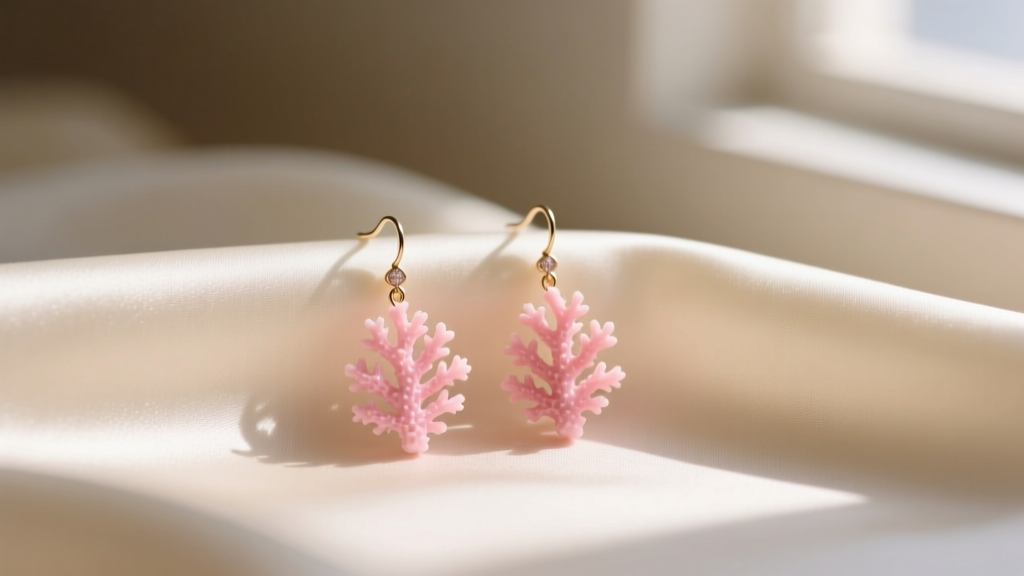
Unlike faceted minerals mined from the earth, pink coral is a mesmerizing organic gemstone created by living marine polyps. Varieties such as Pleurocorallium elatius (often called Momo or Cerasuolo coral) are prized for their delicate, peachy-pink to deep salmon hues. However, this biological origin dictates a completely unique approach to jewelry care. According to mineralogical databases like Mindat.org, precious coral is composed primarily of calcium carbonate (CaCO3) in the form of calcite or aragonite, interspersed with organic conchiolin. This gives it a Mohs hardness rating of just 3.5 to 4.0, making it significantly softer than quartz or topaz. Furthermore, its microscopic porous structure means it acts like a sponge, readily absorbing chemicals, oils, and moisture from its environment. Understanding this delicate chemistry is the first step in preserving the vibrant luster of your pink coral earrings for generations to come.
The "Coral Killers": What to Strictly Avoid
Because calcium carbonate is highly reactive, standard jewelry cleaning methods that work brilliantly for diamonds or sapphires can permanently destroy pink coral in a matter of seconds. To protect your investment, you must eliminate the following hazards from your maintenance routine:
Ultrasonic and Steam Cleaners
Never place pink coral earrings in an ultrasonic cleaner. These devices use high-frequency sound waves to create cavitation bubbles that implode with microscopic shockwaves. While this blasts dirt out of diamond prongs, it will easily fracture, pit, or completely shatter the porous structure of organic coral. Similarly, steam cleaners introduce intense heat and pressurized moisture, which can strip the coral of its natural hydration, leading to a dull, chalky appearance and severe micro-cracking.
Acids and Harsh Chemicals
Coral is acutely sensitive to anything below a neutral pH of 7. Common household items like vinegar, lemon juice, and even the natural lactic acid in human sweat can etch the surface, leaving permanent white spots. The Gemological Institute of America (GIA) explicitly warns against exposing coral to harsh chemicals, which includes everyday cosmetics. Hairspray, perfume, and lotions contain alcohols and acidic compounds that will degrade the polish and alter the gemstone's delicate pink coloration over time.
Tap Water and Chlorine
While water seems harmless, standard tap water contains chlorine, fluorides, and dissolved minerals that can leave a cloudy film or cause chemical etching on the coral's surface. Swimming pools and hot tubs are even more dangerous due to highly concentrated chlorine levels, which will rapidly eat away at the calcium carbonate matrix.
Step-by-Step Cleaning Routine for Pink Coral Earrings
Proper cleaning requires a gentle, minimalist approach. Adopt the "Last On, First Off" rule: put your coral earrings on after applying makeup, perfume, and hairspray, and remove them immediately upon returning home to minimize exposure to skin acids and environmental pollutants.
Step 1: Dry Dusting
Before introducing any moisture, remove loose dust and skin cells. Use a brand-new, ultra-soft makeup brush (like a goat-hair powder brush) or a clean, dry microfiber cloth. Gently sweep the surface of the coral cabochon or carved bead. Avoid using stiff-bristled jewelry brushes, as even soft nylon can leave microscopic scratches on a Mohs 3.5 surface.
Step 2: The Distilled Water Wipe
If your earrings have accumulated stubborn oils or sweat, dampen a soft, lint-free cotton cloth with distilled water only. Wring the cloth out until it is barely damp—you want to avoid water pooling around the bezel or drilling holes. Gently wipe the surface of the pink coral, then immediately dry it with a second soft, dry cloth. Never let the coral air dry, as evaporating water can leave mineral deposits behind.
Step 3: Polishing the Metal Hardware
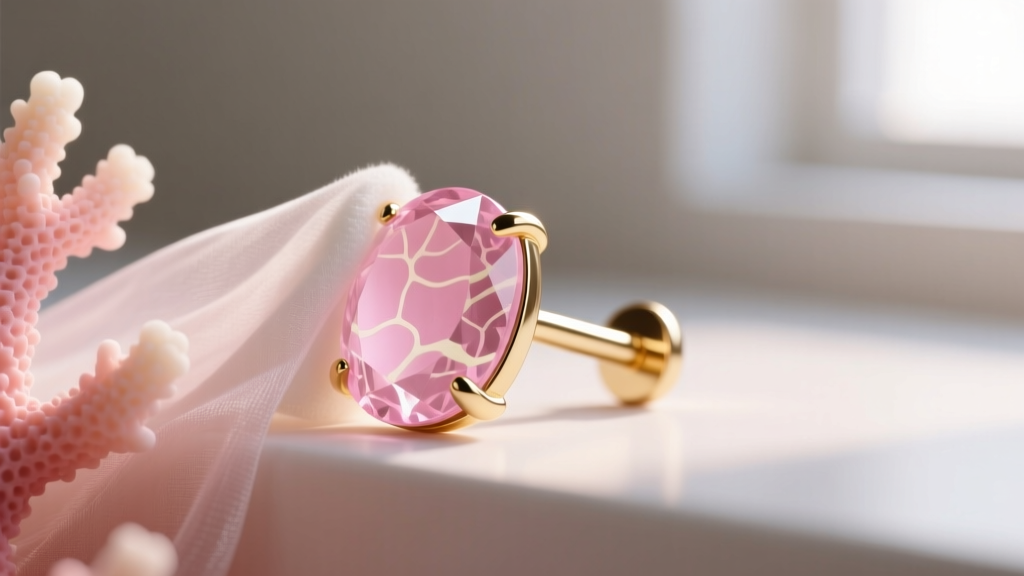
The metal components of your earrings—whether 14k gold, 18k gold, or sterling silver—require a different cleaning protocol than the coral itself. The earring posts and friction backs accumulate sebum, dead skin, and soap scum, which can harbor bacteria and cause ear lobe irritation. Dip a cotton swab in 70% isopropyl alcohol and carefully swab the metal post, the earring back, and the metal bezel. Critical precaution: Ensure the alcohol-soaked swab does not touch the pink coral, as alcohol can dehydrate the organic gemstone and strip its natural oils.
Long-Term Storage and Hydration
How you store your pink coral earrings is just as important as how you clean them. Organic gems require a stable environment to prevent structural degradation. Extreme dryness can cause the conchiolin (the organic protein binding the calcium carbonate) to shrink, leading to surface crazing or deep cracks.
Avoid storing coral in airtight plastic ziplock bags. Many plastics off-gas volatile organic compounds (VOCs) over time, which can react with the coral's surface. Additionally, plastic traps ambient moisture, creating a microclimate ripe for mildew. Instead, wrap your earrings in acid-free, unbleached tissue paper and place them inside a breathable, unbleached cotton or soft velvet pouch. Keep them in a climate-controlled room rather than a dry safety deposit box or a humid bathroom. Finally, always store coral separately from harder gemstones; a diamond (Mohs 10) or sapphire (Mohs 9) resting against your coral will effortlessly gouge and scratch the soft surface.
Troubleshooting Common Coral Issues
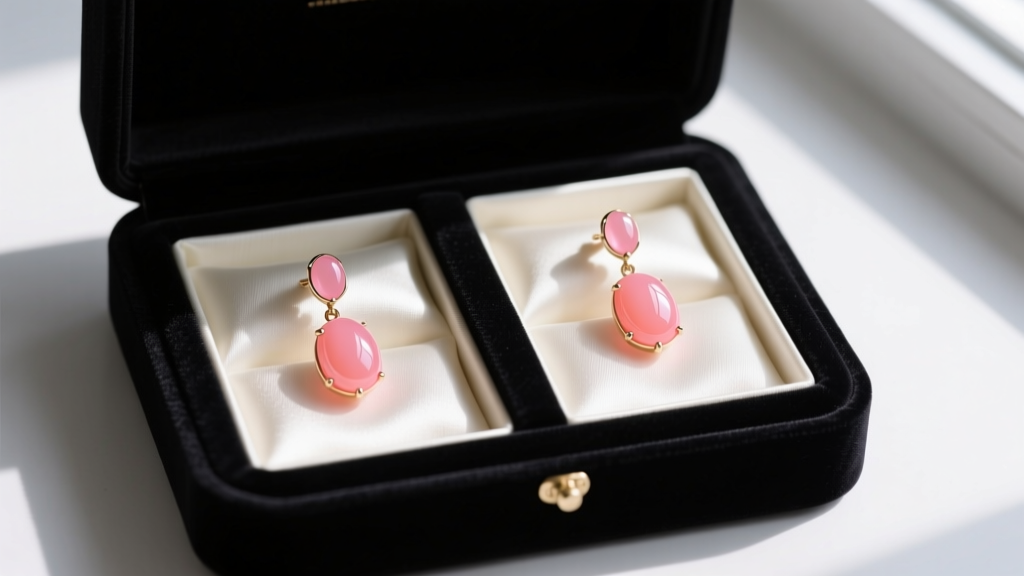
Even with meticulous care, vintage or frequently worn pink coral earrings may develop issues. The Jewelers of America recommends consulting a professional for severe damage, but here is a diagnostic guide for common problems:
| Issue | Probable Cause | Expert Solution |
|---|---|---|
| Chalky White Spots | Acid etching from sweat, perfume, or tap water minerals. | Wipe gently with a damp cloth using distilled water. If etching is deep, consult a lapidary for a light professional polish. |
| Dull, Matte Finish | Dehydration from extreme heat, sunlight, or ultrasonic exposure. | A professional jeweler can apply a microscopic layer of mineral oil to restore temporary luster, but the structural damage may be permanent. |
| Surface Scratches | Friction against harder jewelry or accidental impacts. | Do not use DIY polishing compounds. A gemologist must carefully re-polish the cabochon using specialized, gentle abrasives. |
| Coral Rattling in Bezel | Adhesive degradation or metal prongs pulling back. | Stop wearing immediately. Take to a bench jeweler to have the bezel tightened or the epoxy replaced to prevent the stone from falling out. |
| Darkening of Color | Absorption of heavy oils, lotions, or prolonged UV exposure. | Keep out of direct sunlight. Professional cleaning may lift surface oils, but deep color changes in organic gems are often irreversible. |
Preserving the Legacy of Organic Gems
Caring for pink coral earrings is an exercise in mindfulness. Because of strict CITES regulations and global conservation efforts to protect endangered coral reefs, the acquisition of new, ethically sourced precious coral is increasingly rare and heavily regulated. This makes the preservation of existing vintage and antique pink coral jewelry not just a matter of personal style, but of environmental and historical stewardship. By adhering to these meticulous cleaning and storage protocols, you ensure that the soft, rosy glow of your organic gemstones remains as captivating in the future as it is today.


