2026 Gift Guide: Pink Pearl Drop Earrings for Every Occasion
Discover the ultimate 2026 gift guide for pink pearl drop earrings. Learn how to match pearl types, metals, and styles to any special occasion.

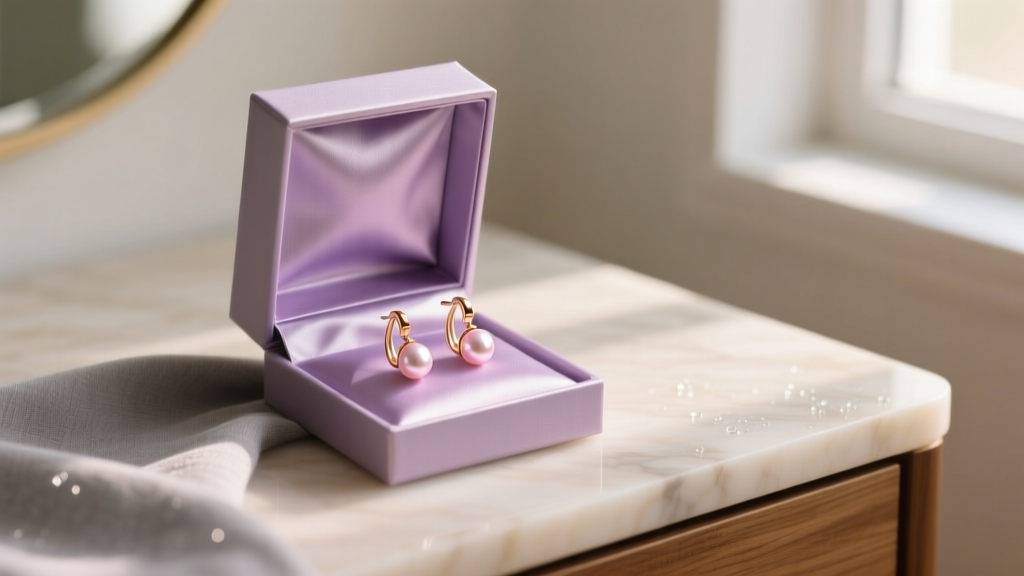
Gifting jewelry requires a delicate balance of personal taste, timeless elegance, and wearable versatility. In 2026, pink pearl drop earrings have surged to the forefront of curated gift guides, offering a romantic yet sophisticated alternative to traditional diamond studs or plain gold hoops. Whether you are shopping for a milestone anniversary, a bridal party, or a significant graduation, the subtle blush of a pink pearl provides a universally flattering pop of color that complements every skin tone. However, not all pink pearls are created equal. The market is flooded with dyed imitations, mislabeled overtones, and fragile hardware. This comprehensive guide decodes the nuances of pearl cultivation, metal pairings, and structural findings to ensure your gift is both breathtaking and built to last.
Decoding the Pearl: Freshwater vs. Akoya vs. Edison
The term "pink pearl" encompasses three distinct categories of cultured pearls, each with unique biological origins, luster profiles, and price points. Understanding these differences is critical for matching the gift to the recipient's lifestyle and your budget.
| Pearl Type | Origin & Cultivation | Typical Size | Color Profile | Est. Price (Pair) |
|---|---|---|---|---|
| Freshwater | Mussel (Tissue-nucleated) | 6mm - 10mm | Natural pastel pink, peach | $80 - $350 |
| Akoya | Saltwater Oyster (Bead-nucleated) | 7mm - 9.5mm | White body, rose overtone | $250 - $900 |
| Edison | Mussel (Bead-nucleated) | 11mm - 15mm | Metallic pink, deep purple | $150 - $600 |
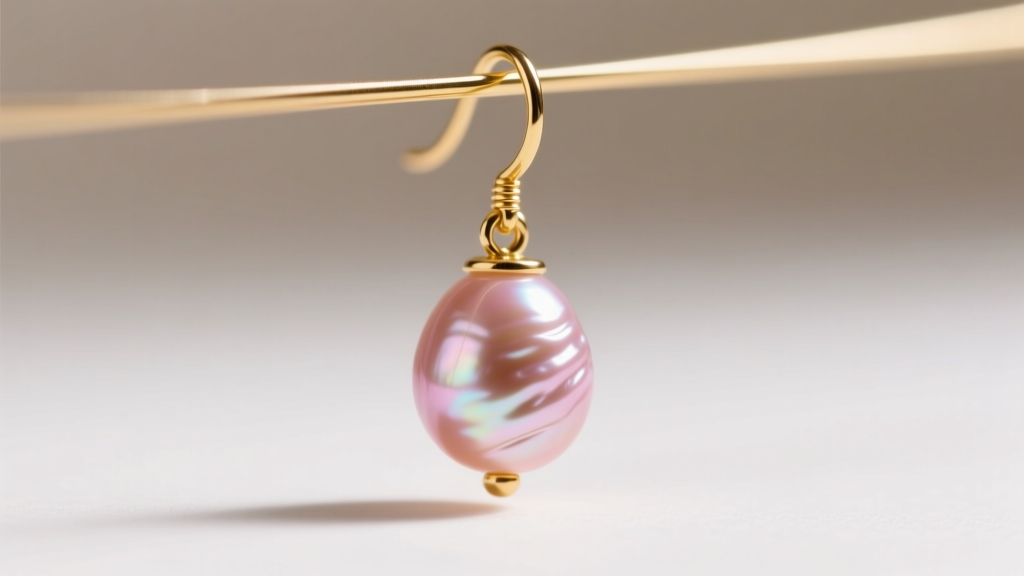
- Freshwater Pearls: Cultivated primarily in China using the Hyriopsis mussel, these pearls are tissue-nucleated, meaning they are composed entirely of nacre. This results in a softer, satiny luster and natural pastel hues ranging from pale peach to deep lavender-pink.
- Akoya Pearls: Originating from the Pinctada fucata martensii saltwater oyster, Akoya pearls are bead-nucleated. True "pink" Akoyas are rare; instead, buyers seek out white Akoya pearls with a strong "rose" overtone caused by light refracting through micro-crystalline aragonite platelets.
- Edison Pearls: A modern marvel in gemology, Edison pearls are bead-nucleated freshwater pearls. By inserting a single, perfectly round bead into the mussel, cultivators produce large pearls with intense, metallic pink hues that rival the rarity of South Sea pearls.
Dye Detection and Treatment Disclosures
The market is saturated with artificially dyed pearls marketed as natural pink. Freshwater pearls are frequently subjected to gamma irradiation or organic dye baths to achieve a uniform, vibrant fuchsia that does not occur in nature. When purchasing, always request a treatment disclosure from the jeweler.
How to Spot Dyed Pearls
- Color Concentration: Examine the drill hole under a jeweler's loupe. If you see a dark ring of concentrated color around the drill hole while the rest of the pearl is pale, it has been dyed.
- Uniformity: Natural pink pearls exhibit subtle color zoning and variations. A pair of drop earrings with perfectly identical, saturated hot-pink hues is almost certainly treated.
- Price Red Flags: If a pair of 10mm, perfectly round, vivid pink pearl drop earrings is priced under $100, they are either heavily dyed, shell-bead imitations, or glass.
Metal Pairings: Enhancing the Blush
The metal alloy you choose dramatically alters the visual temperature of the pink pearl.
- 14k Rose Gold: Alloyed with copper and silver, the warm, reddish undertones of rose gold harmonize seamlessly with natural freshwater pinks and Edison pearls, creating a monochromatic, romantic aesthetic.
- 18k Yellow Gold: The rich, buttery contrast of high-karat yellow gold makes pale pink pearls pop. This pairing leans vintage and is ideal for recipients who favor classic, heirloom-style jewelry.
- Platinum or 14k White Gold: Cool-toned metals are the mandatory choice for Akoya pearls with a rose overtone. The white metal acts as a blank canvas, allowing the pinkish iridescence to reflect sharply without color competition.
Occasion Matching Guide
The Bridesmaid Gift: Akoya on White Gold
For weddings, uniformity and elegance are paramount. A matched pair of 7.5mm Akoya pearls with a rose overtone, set on delicate 14k white gold French wires, offers a refined look that photographs beautifully and can be worn again in professional settings.
The Milestone Anniversary: Edison Pearls on Rose Gold
Anniversaries call for drama and rarity. A pair of 13mm metallic pink Edison pearls suspended from 18k rose gold shepherd hooks makes a bold, luxurious statement. The large size and metallic luster convey a sense of modern opulence that marks a significant life chapter.
The Graduation Gift: Baroque Freshwater on Yellow Gold
Graduates entering the professional world benefit from versatile, artful pieces. Baroque (non-symmetrical) freshwater pink pearls offer organic, unique shapes that express individuality. Set on secure 14k yellow gold leverbacks, they transition effortlessly from daytime interviews to evening networking events.
Hardware and Findings: The Mechanics of the Drop
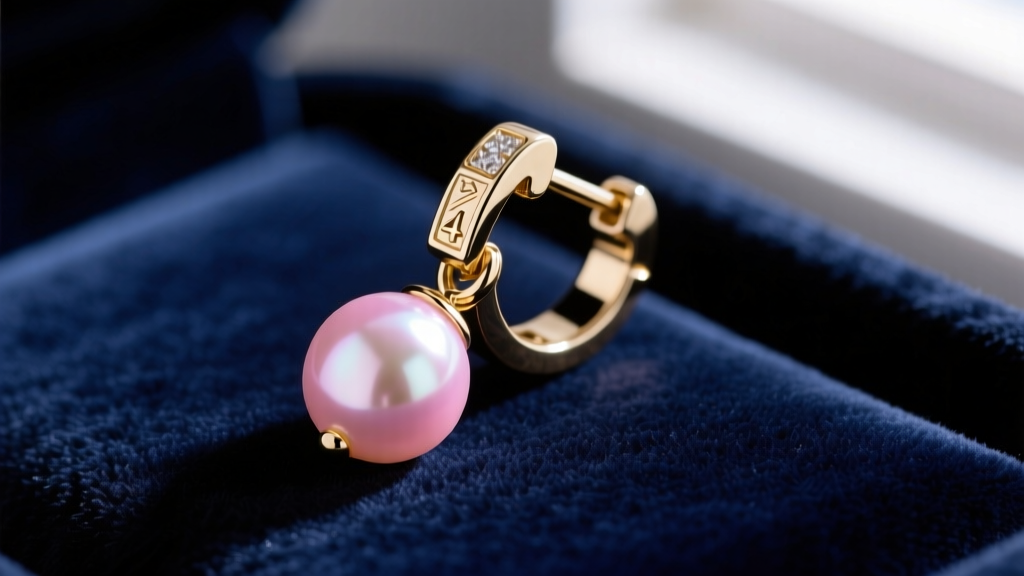
A beautiful pearl is useless if the earring finding is poorly constructed. Drop earrings exert more leverage on the earlobe than studs, making the gauge (thickness) of the ear wire critical.
- 22-Gauge (0.64mm): Standard for lightweight, inexpensive French wires. Warning: If the pearl exceeds 9mm, a 22-gauge wire will bend under the weight, causing the earring to droop forward awkwardly.
- 20-Gauge (0.81mm): The ideal sweet spot for most drop earrings. It provides enough structural integrity to hold a 10mm pearl upright while remaining thin enough to slide comfortably through a standard lobe piercing.
- Leverback vs. French Wire: For active recipients or those with slightly stretched piercings, always opt for a leverback clasp. The hinged closure prevents the heavy pearl from slipping out during movement, a common failure mode with open French hooks.
The Buyer’s Quality Checklist
According to the Gemological Institute of America (GIA), pearl value is determined by seven factors. When inspecting pink pearl drop earrings, prioritize these three:
- Luster: The most critical value factor. Look for sharp, distinct reflections on the pearl's surface. A chalky or dull appearance indicates poor nacre quality or premature harvesting.
- Surface Cleanliness: Minor blemishes are expected in natural gems, but avoid pearls with deep cracks or chalky spots that compromise structural integrity.
- Nacre Thickness: Particularly vital for bead-nucleated Akoya and Edison pearls. If you can see the shell bead nucleus through the nacre (a phenomenon called "blinking"), the pearl is too thin and will eventually peel.
Care and Maintenance for Long-Lasting Luster
To preserve the delicate nacre and the metal's finish, educate your gift recipient on proper maintenance. The GIA's pearl care guidelines emphasize the "last on, first off" rule. Pearls are highly porous and will absorb acids from perfumes, hairsprays, and cosmetics, which can etch the surface and dull the pink hue over time. After wearing, gently wipe the pearls with a damp, lint-free microfiber cloth. Never store them in airtight plastic bags, as nacre requires ambient moisture to prevent cracking. Store them flat in a soft pouch to prevent the metal drops from scratching the pearl's delicate surface.


