How to Clean and Care for Pink Tourmaline Stud Earrings
Learn expert cleaning and maintenance tips for pink tourmaline stud earrings. Protect your gems from damage and keep them sparkling.

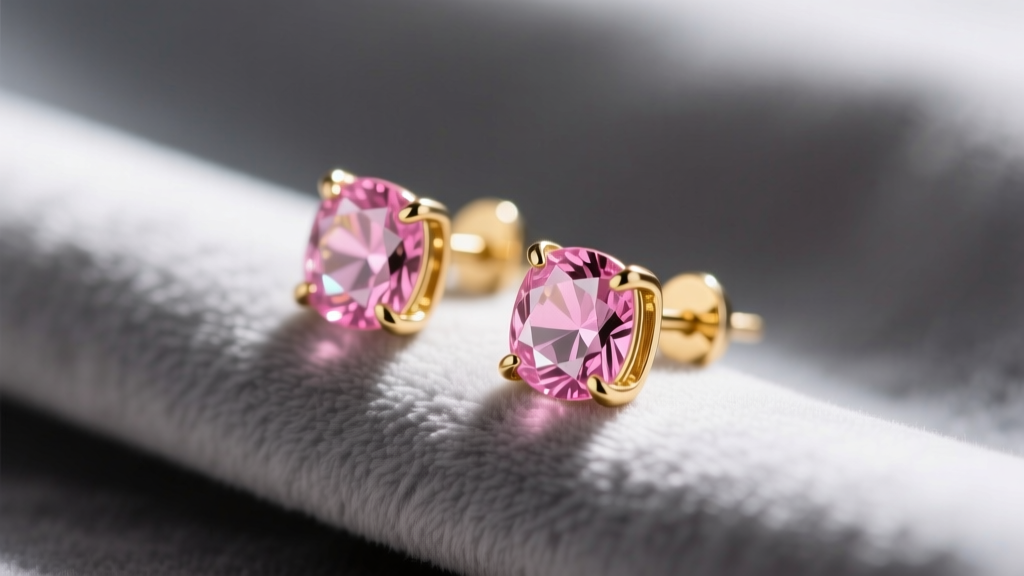
Pink tourmaline stud earrings, particularly those featuring the deeply saturated rubellite variety, are a staple in fine jewelry collections. Their vibrant, rosy hues range from delicate pastel pinks to intense, ruby-like reds, making them a versatile choice for both everyday wear and formal occasions. However, maintaining the brilliance of these gems requires more than a simple wipe-down. Tourmaline possesses unique physical and chemical properties that dictate how it must be cleaned, stored, and worn. If you own a pair of pink tourmaline stud earrings, understanding the gemological nuances of this stone is critical to preventing irreversible damage, preserving the integrity of the setting, and ensuring your jewelry retains its optical fire for decades to come.
The Gemological Science: Why Pink Tourmaline Demands Special Care
To properly care for pink tourmaline stud earrings, you must first understand the stone's physical characteristics. According to the Gemological Institute of America (GIA), tourmaline ranks between 7 and 7.5 on the Mohs scale of mineral hardness. While this makes it reasonably durable for daily wear in stud earrings, it is notably softer than diamonds (10), sapphires (9), and spinels (8). This means your pink tourmaline can easily be scratched if stored improperly alongside harder gemstones.
The Pyroelectric and Piezoelectric Effects
One of the most fascinating—and frustrating—properties of tourmaline is its pyroelectric and piezoelectric nature. When tourmaline is subjected to temperature changes (pyroelectricity) or mechanical pressure and friction (piezoelectricity), it generates a weak electrical charge. In practical terms, this means that simply wiping your pink tourmaline stud earrings with a dry cloth creates friction that charges the stone, turning it into a magnet for dust, lint, and microscopic skin cells. This is why tourmaline often looks cloudy or dull just hours after being cleaned. To combat this, gemologists recommend using anti-static gem cloths or specific drying techniques, which we will cover in the cleaning protocol below.
Inclusions and Fracture Risks
Pink tourmaline, especially the highly prized rubellite, is classified by the GIA as a Type II or Type III clarity gemstone. This means it almost always contains natural inclusions, such as liquid-filled feathers, needle-like rutile, or microscopic stress fractures. These internal characteristics are proof of the stone's natural origin, but they also represent structural vulnerabilities. Sudden temperature changes or harsh chemical exposures can cause these liquid inclusions to expand or contract, leading to catastrophic internal shattering.
Step-by-Step Cleaning Routine for Pink Tourmaline Studs
Because of the inclusion risks and the pyroelectric effect, mechanical and automated cleaning methods are strictly prohibited. You must rely on a gentle, manual cleaning process. Jewelers of America consistently recommends mild, non-abrasive methods for included gemstones.
Gathering the Correct Materials
- Distilled Water: Never use tap water. Tap water contains dissolved minerals like calcium and magnesium that will leave stubborn, cloudy spots on the surface of the tourmaline and dull the metal setting.
- pH-Neutral Dish Soap: Use a mild, lotion-free, pH-neutral liquid dish soap (such as original Dawn). Avoid soaps with moisturizers, harsh degreasers, or citrus extracts, which can degrade the alloy metals in your earring posts.
- Ultra-Soft Baby Toothbrush: A brush with ultra-soft bristles is mandatory. Standard toothbrushes are too abrasive and can scratch the polished surface of the tourmaline or wear down the rhodium plating on white gold settings.
- Lint-Free Microfiber Cloth: For drying and polishing.
- Compressed Air Duster: To bypass the pyroelectric dust-magnet effect.
The Soak, Swish, and Air-Dry Method
Begin by mixing a few drops of your pH-neutral soap into a small glass bowl of lukewarm distilled water. Ensure the water is strictly lukewarm—never hot, as thermal shock can fracture the stone. Submerge your pink tourmaline stud earrings in the solution for exactly three to five minutes. This brief soak is sufficient to loosen sebum, cosmetics, and environmental oils without allowing water to penetrate any surface-reaching fractures.
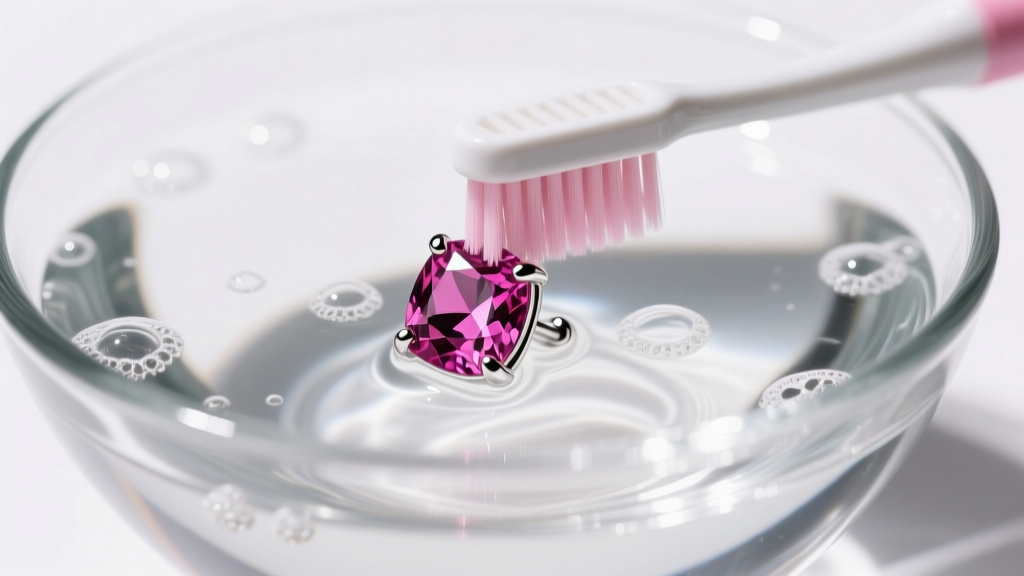
After soaking, gently agitate the water with your fingers. Take your ultra-soft baby toothbrush and lightly brush the back of the earring settings and the metal posts. When cleaning the face of the pink tourmaline, use sweeping, feather-light strokes. Do not apply downward pressure, and avoid scrubbing directly against the prongs, as this can slowly bend the metal away from the gemstone's girdle.
Rinse the earrings thoroughly under a gentle stream of lukewarm distilled water. To dry, do not rub the stone with a cloth, as the friction will trigger the pyroelectric charge and immediately attract dust. Instead, place the earrings on a clean microfiber cloth and use a can of compressed air to blow the water droplets away from the setting and the stone's table. Allow them to air-dry completely before storing.
Hazardous Cleaning Methods to Avoid Immediately
Many commercial jewelry cleaners and automated machines are heavily marketed to consumers, but they can be fatal to pink tourmaline. The table below outlines common cleaning methods and their specific risk levels for tourmaline stud earrings.
| Cleaning Method | Risk Level | Scientific Reason for Avoidance |
|---|---|---|
| Ultrasonic Cleaners | EXTREME | High-frequency cavitation bubbles implode against the stone, violently shaking internal liquid inclusions and causing the tourmaline to shatter from the inside out. |
| Steam Cleaners | EXTREME | Sudden, intense thermal shock combined with high-pressure steam forces moisture into microscopic fissures, leading to immediate structural failure and clouding. |
| Chemical Dips (Silver/Gold) | HIGH | Harsh acids and thiourea-based chemicals used to strip tarnish from metals will permanently etch the surface polish of the tourmaline and degrade the gem's luster. |
| Boiling Water | HIGH | Extreme heat causes differential expansion between the metal setting and the gemstone, potentially cracking the stone or permanently warping the earring post. |
| Toothpaste/Baking Soda | HIGH | These are abrasive compounds. Tourmaline (Mohs 7-7.5) will suffer micro-scratches, permanently dulling its optical brilliance and light return. |
Expert Warning: Never wear your pink tourmaline stud earrings in swimming pools or hot tubs. Chlorine and bromine are highly reactive halogens that will rapidly degrade the copper and zinc alloys present in 14k and 18k gold settings, leading to prong failure and gemstone loss.
Prong and Setting Maintenance
The security of your pink tourmaline relies entirely on the integrity of the metal setting. Because tourmaline has distinct cleavage planes and can chip if struck against a hard surface, a secure setting is non-negotiable. Most pink tourmaline studs are crafted in 14k gold, 18k gold, or platinum.
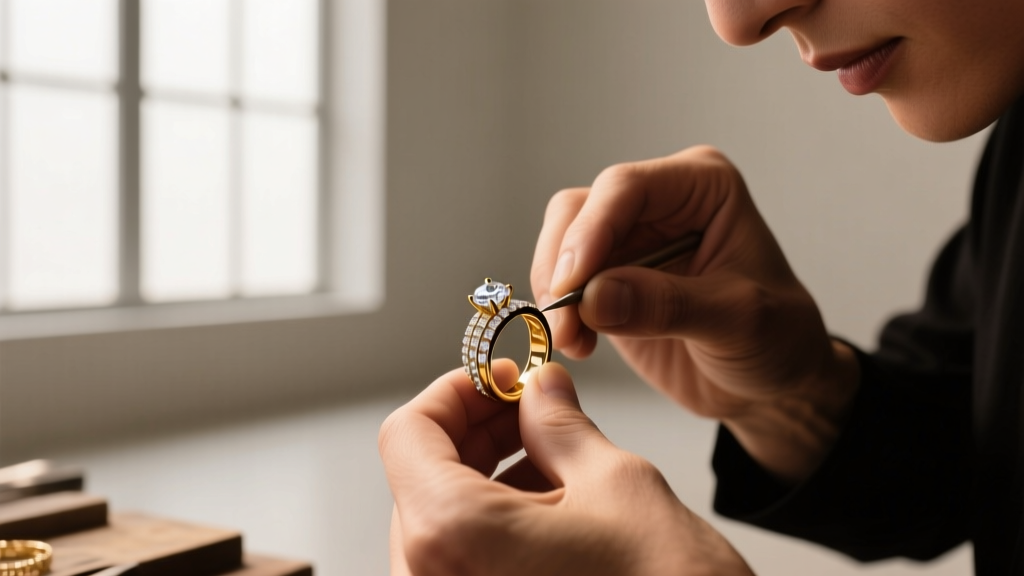
While 18k gold offers a richer color and higher purity, it is a softer metal. If your studs are set in 18k gold, the prongs are more susceptible to bending, catching on knitwear, or pulling away from the gemstone's girdle. Platinum and 14k gold are significantly more rigid and offer superior long-term security for daily-wear studs. You should perform a tactile and visual inspection of your earrings every three months. Run the head of the earring lightly across the fabric of a cotton t-shirt; if the prongs catch or snag on the fibers, the metal has lifted and the stone is at immediate risk of falling out.
Additionally, pay close attention to the earring backs (clutches or screw-backs). The constant friction of pushing and pulling friction-back clutches can wear down the grooves on the earring post over time. If your earring backs feel loose or slide off with minimal resistance, take the studs to a professional jeweler to have the posts re-grooved or replaced before you lose the piece entirely.
Proper Storage to Prevent Scratching and Tarnish
Because pink tourmaline is softer than many other popular gemstones, it must be stored in isolation. Tossing your tourmaline studs into a communal jewelry box alongside diamond studs or sapphire rings guarantees that the tourmaline will sustain surface abrasions. Store your pink tourmaline earrings in individual, soft fabric-lined compartments or dedicated anti-tarnish flannel pouches.
Furthermore, the metal settings (particularly sterling silver or lower-karat gold alloys) are prone to oxidation when exposed to ambient humidity and sulfur in the air. Placing a small, activated silica gel packet or specialized anti-tarnish strip inside your jewelry box will absorb excess moisture and neutralize sulfur compounds, drastically reducing the frequency with which you need to polish the metal settings. By combining gemological knowledge with a disciplined, gentle maintenance routine, your pink tourmaline stud earrings will remain a vibrant, flawless cornerstone of your jewelry collection for a lifetime.


