Preventing an Infected Earring Lobe in Heavy Statement Trends
Discover how to rock heavy statement earrings without risking an infected earring lobe. Expert material guides, gauge tips, and safe styling trends.

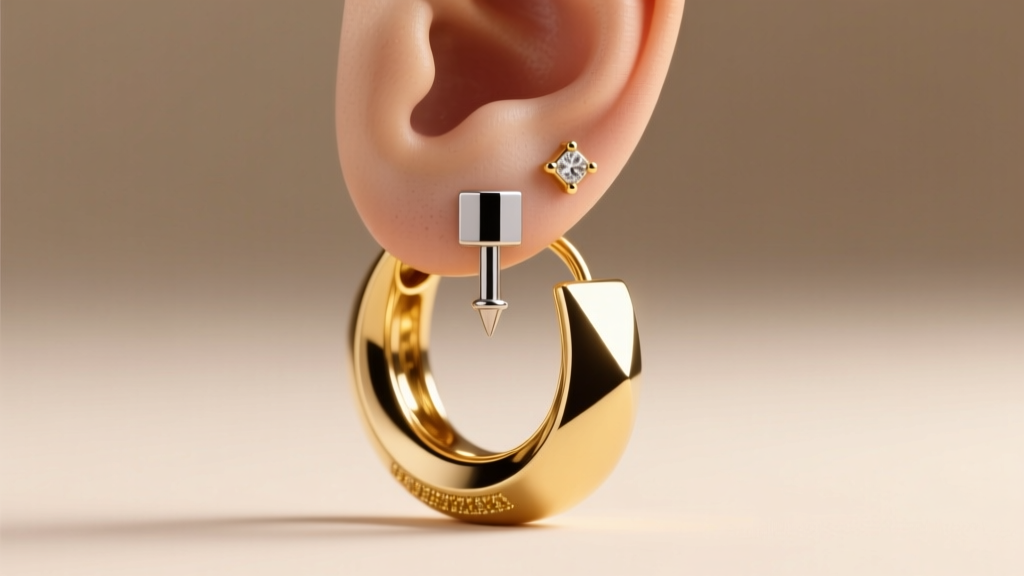
The intersection of high fashion and body modification has never been more apparent than in the current maximalist jewelry movement. As we navigate the bold styling eras of the mid-2020s, ear curations featuring oversized resin shapes, chunky mixed-metal hoops, and heavy brass geometric dangles are dominating runways and street style alike. However, this pursuit of avant-garde aesthetics comes with a hidden physical cost. The surge in lobe trauma and the subsequent spike in searches for how to treat an infected earring lobe reveal a critical gap between trend adoption and anatomical safety.
Styling your ears should never require a trip to the urgent care clinic. To safely participate in the heavy statement earring trend, we must deconstruct the mechanics of lobe stress, understand the metallurgy of safe jewelry, and adopt professional piercing protocols that protect your skin barrier while keeping your look impeccably curated.
The Maximalist Ear Curation Trend and Lobe Trauma
The modern ear curation has evolved from a simple stud-and-hoop combination into a complex, weighted architectural display. Stylists are increasingly favoring "heavy metal" aesthetics—think solid bronze ear shields, thick 14k gold vermeil chains, and oversized acrylic drops. While visually striking, these pieces often exceed the structural load-bearing capacity of a standard lobe piercing.
When a lobe is subjected to excessive downward drag, the fistula (the healed skin tube of the piercing) experiences micro-tears. These microscopic fissures compromise the skin's natural barrier, inviting opportunistic bacteria like Staphylococcus aureus to enter the tissue. Furthermore, heavy earrings often rely on traditional butterfly clutches, which pinch the swollen tissue against the post, restricting blood flow and creating a dark, moist environment where bacteria thrive. The result is a painful, swollen, and ultimately infected earring lobe that forces you to abandon your carefully planned aesthetic.
Anatomy of an Infected Earring Lobe: Friction vs. Allergy
Not all lobe irritation is a bacterial infection. In fact, a significant percentage of what consumers believe is an infected earring lobe is actually allergic contact dermatitis. Distinguishing between the two is vital for proper treatment and future jewelry selection.
Bacterial Infection vs. Contact Dermatitis
According to the American Academy of Dermatology, nickel is one of the most common causes of allergic contact dermatitis. Many mass-market "statement" earrings are crafted from nickel-heavy base metals and merely plated with a thin layer of gold or silver. Once sweat and friction wear through this microscopic plating, the nickel leaches into the skin, causing intense itching, redness, and weeping clear fluid.
- Bacterial Infection: Characterized by localized heat, throbbing pain, thick yellow/green discharge, and systemic symptoms like a mild fever or swollen lymph nodes.
- Allergic Reaction: Characterized by intense itching, flaky or crusty skin, redness that spreads beyond the immediate piercing site, and clear, watery discharge.
Treating an allergy with antibiotics will not solve the problem; the only cure is the immediate removal of the reactive metal and a switch to biocompatible alternatives.
The Material Matrix: What to Wear When Healing
If your lobe is currently compromised, traumatized, or recovering from an infection, you must downgrade your jewelry to implant-grade materials. The Association of Professional Piercers (APP) strictly recommends specific ASTM-standard materials for healing tissue. Below is a breakdown of what to wear—and what to avoid—when your lobes are vulnerable.
| Material | Industry Standard | Nickel Content | Best Use Case |
|---|---|---|---|
| Implant-Grade Titanium | ASTM F-136 | 0% (Nickel-Free) | Active infections, fresh piercings, highly reactive skin |
| Niobium | N/A (Pure Element) | 0% (Nickel-Free) | Hypoallergenic statement pieces, anodized colors |
| Solid 14k/18k Gold | Nickel-Free Alloy | Trace to 0% | Healed lobes, luxury everyday wear (avoid 24k as it is too soft) |
| Surgical Steel (316L) | ASTM F-138 | 8-10% | Strictly for fully healed, non-reactive lobes only |
| "Hypoallergenic" Plated | Unregulated | Unknown/High | Avoid entirely; high risk of triggering dermatitis |
The Gauge and Weight Factor: Preventing the Cheese-Cutter Effect
Material is only half the battle; the physical dimensions of the jewelry post dictate how weight is distributed across your lobe. Standard fashion earrings are typically 20-gauge (0.81mm) or 22-gauge (0.64mm). When you hang a heavy brass statement piece from a 22-gauge wire, the extreme pressure on such a thin surface area creates the "cheese-cutter effect." The wire slowly migrates downward, slicing through the tissue and causing severe trauma.
The Expert Fix: For heavy statement earrings, always opt for 18-gauge (1.0mm) or 16-gauge (1.2mm) posts. The thicker the post, the more surface area is available to distribute the weight of the earring, drastically reducing the downward drag on the fistula. If a designer piece only comes with a thin wire, take it to a professional piercer to have the post swapped for a thicker, implant-grade titanium shaft.
Styling Safely: Alternatives to Traditional Heavy Dangles
You do not need to sacrifice the maximalist aesthetic to protect your lobes. The jewelry industry has responded to the demand for bold, heavy-looking pieces that are structurally lightweight. By shifting your styling strategy, you can achieve the visual weight of the trend without the physical toll.
1. Hollow Tubing and Resin Cores
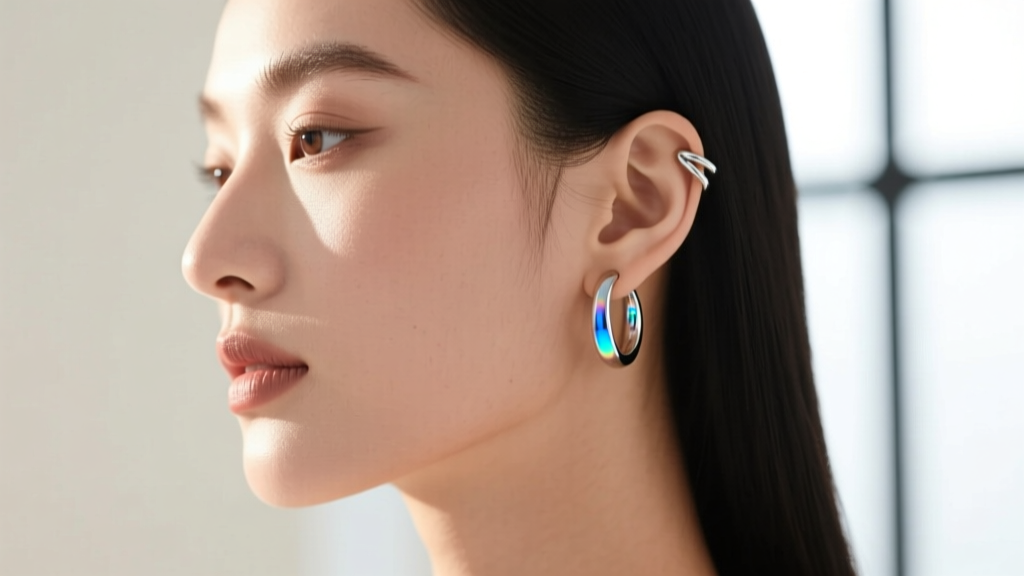
Seek out oversized hoops crafted from hollow 14k gold tubing or lightweight, body-safe epoxy resins. These materials provide the massive silhouette required for the 2026 maximalist trend but weigh a fraction of solid brass or bronze alternatives.
2. Threadless Flat-Back Labrets
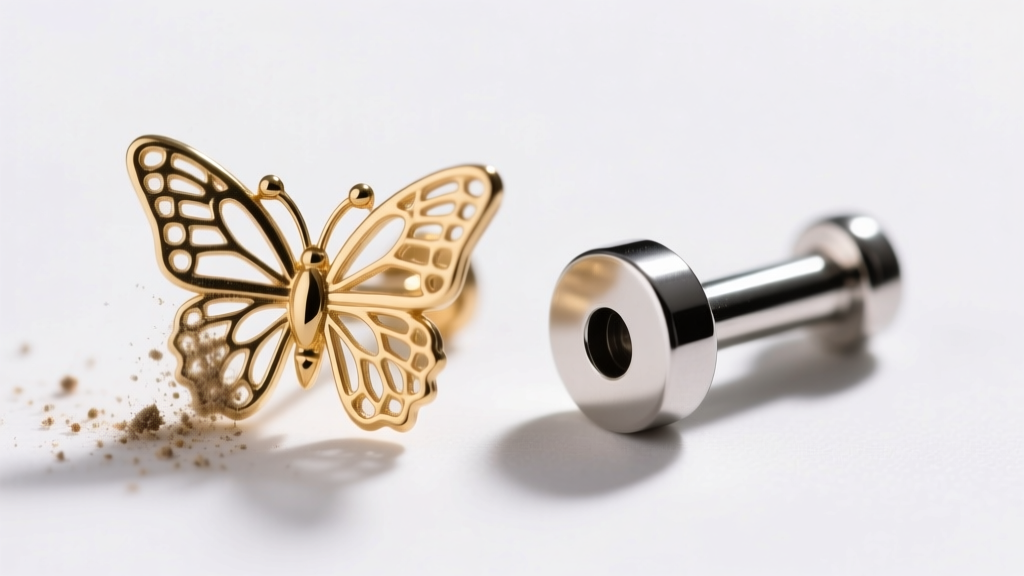
Ditch the butterfly clutch entirely. Threadless jewelry uses a tiny, 10-degree bend on the insertion pin to create tension against the inside of the post, locking it securely in place. Flat-back labrets sit flush against the back of the earlobe, eliminating the pressure points and bacteria traps associated with traditional earring backs. You can purchase heavy, ornate threadless ends and pair them with lightweight titanium posts for a secure, lobe-friendly fit.
3. Strategic Ear Cuff Placement
Distribute the visual weight of your curation upward. Use heavy, ornate ear cuffs on the helix or auricle. This draws the eye upward, creating the illusion of a heavy, complex ear curation while leaving your delicate lower lobes completely unburdened.
Expert Protocols for Lobe Recovery and Maintenance
If you are currently battling an infected earring lobe or recovering from a blowout caused by heavy jewelry, strict adherence to professional aftercare is non-negotiable. Abandon outdated home remedies like tea tree oil, rubbing alcohol, or hydrogen peroxide, which destroy healthy, regenerating cells and delay healing.
- Downsize and Swap: Immediately switch to an ASTM F-136 implant-grade titanium flat-back labret. The smooth surface and lack of moving parts will allow the fistula to rest and heal.
- Sterile Saline Only: Spray the area twice daily with a sterile, 0.9% sodium chloride wound wash. Ensure the only ingredients listed are water and salt.
- The LITHA Method: "Leave It The Hell Alone." Do not twist, turn, or sleep on the affected ear. Use a travel neck pillow to keep pressure off the lobe while sleeping.
- Know When to See a Doctor: If the redness spreads rapidly, the ear feels hot to the touch, or you develop a fever, the infection may have spread to the cartilage or bloodstream. Remove the jewelry and seek immediate medical attention for prescription antibiotics.
By respecting the anatomy of your ear and making informed, material-conscious styling choices, you can fully embrace the bold jewelry trends of the year without compromising your health. True style is sustainable, and that begins with a healthy, well-supported foundation.


