Push Back Earrings Value Guide: Budgeting for Daily Wear
Discover the true value of push back earrings. We analyze material grades, hidden costs, gauge sizes, and pricing tiers to help you budget smartly.

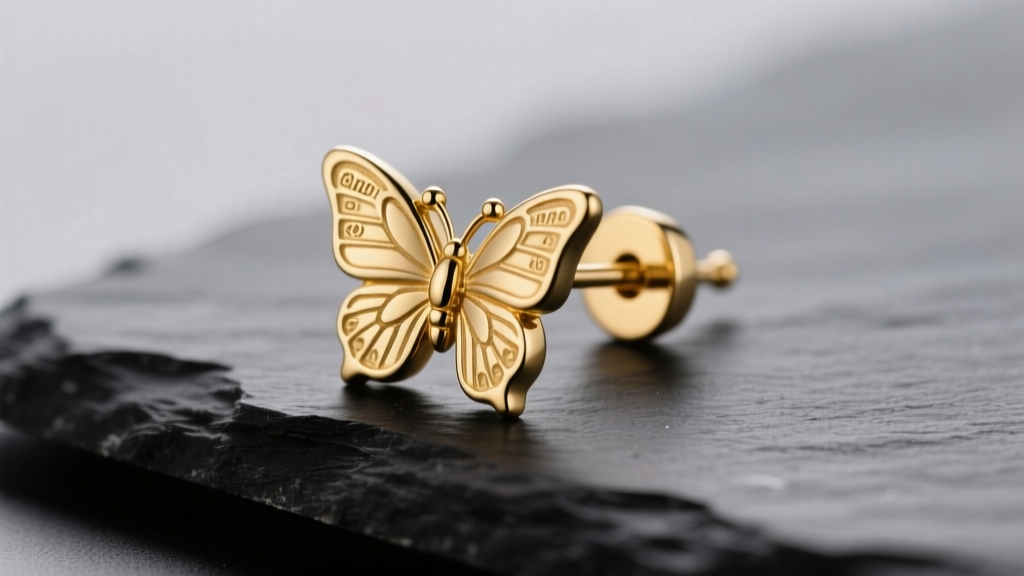
The True Cost of Push Back Earrings: Beyond the Price Tag
When building a daily jewelry wardrobe, push back earrings—often referred to as friction backs or butterfly backs—are the undisputed workhorses of the accessory world. They are ubiquitous, easy to manufacture, and generally inexpensive. However, from a strict budget and value assessment perspective, the initial price tag of a pair of push back earrings rarely tells the whole financial story. In the current 2026 market, consumers are increasingly scrutinizing the longevity, material safety, and hidden replacement costs of their everyday jewelry.
The fundamental value proposition of a push back earring lies in its mechanical simplicity. A straight metal post passes through the earlobe, and a separate clutch (the "butterfly") slides onto the post, using tension to grip a small carved groove known as a friction notch. While this design is highly secure for active wear, it introduces specific failure modes that can turn a "budget-friendly" purchase into a recurring expense. To truly assess the value of push back earrings, we must break down the metallurgy, the mechanics of the clutch, and the long-term cost of ownership.
Material Grades and Pricing Tiers: Where Does Your Money Go?
The most critical factor in determining the value of push back earrings is the base metal. The market is flooded with deceptive terminology like "hypoallergenic" or "surgical steel," which often mask cheap alloys that degrade quickly. Below is a comparative analysis of the most common materials used for push back posts and clutches, evaluated on price, longevity, and biological safety.
| Material Grade | Average Price Range | Nickel Content | Expected Lifespan | Value Rating |
|---|---|---|---|---|
| Plated Brass / Copper | $5 - $20 | High (in base metal) | 3 - 6 Months | Poor |
| 316L Surgical Steel | $15 - $45 | Trace (8-12%) | 1 - 3 Years | Fair |
| ASTM F136 Titanium | $30 - $80 | 0% (Nickel-Free) | Lifetime | Excellent |
| Solid 14k / 18k Gold | $150 - $500+ | 0% (if alloyed properly) | Lifetime / Heirloom | High (Premium) |
The Budget Trap: Plated Metals
Fast fashion retailers frequently sell push back earrings made from brass or copper, plated with a microscopically thin layer of gold or rhodium. While the $10 price point seems like a steal, the friction of the butterfly clutch sliding on and off the post will wear through the plating within weeks. Once the base metal is exposed, it reacts with skin oils and oxygen, leading to tarnishing, structural weakening, and a high risk of contact dermatitis. From a value perspective, replacing five pairs of $10 plated earrings a year is a poor allocation of funds compared to a single $40 pair of solid titanium studs.
The Gold Standard for Value: Implant-Grade Titanium
According to the Association of Professional Piercers (APP), ASTM F136 implant-grade titanium is the premier material for body jewelry. It is entirely nickel-free, highly resistant to corrosion, and possesses a high tensile strength that prevents the post from bending. For budget-conscious buyers with sensitive ears, titanium push back earrings offer the highest return on investment, providing the safety of fine jewelry at a fraction of the cost of solid gold.
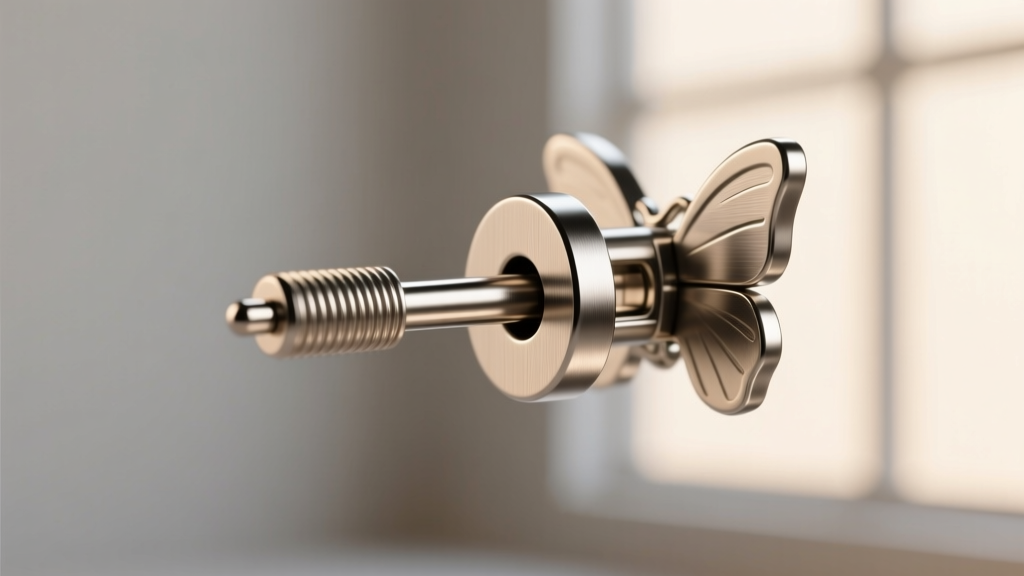
The Mechanics of Friction: Why Cheap Backs Fail
To understand the long-term value of push back earrings, one must examine the physical engineering of the friction back. The security of the earring relies entirely on the metal tension of the butterfly clutch gripping the friction notch on the post.
Gauge Sizes and Post Integrity
The thickness of the earring post, measured in gauges, directly impacts its durability. Standard fine jewelry push backs are typically 20-gauge (0.81mm) or 18-gauge (1.02mm).
- 22-Gauge (0.64mm): Often found in ultra-cheap mall kiosk jewelry. These posts are dangerously thin and will bend under the slight pressure required to push the clutch into place, ruining the earring.
- 20-Gauge (0.81mm): The industry standard for diamond and gemstone studs. It offers a balance of delicate aesthetics and sufficient rigidity.
- 18-Gauge (1.02mm): Ideal for heavier stones or sleepers. The thicker post requires a sturdier clutch but is highly resistant to bending.
Metal Fatigue in Butterfly Clutches
The butterfly clutch consists of a flat base with two looped wires that curl inward to snap into the post's friction notch. In budget earrings, these clutches are stamped from low-grade steel or soft silver. Over time, the repeated expansion and contraction of these loops cause metal fatigue. The clutch loses its tension, meaning it no longer grips the notch securely. This mechanical failure is the primary reason expensive diamond studs are lost. A high-value push back earring will feature a clutch made from hardened steel or solid gold, designed to maintain tension for decades. Replacing a worn-out clutch costs between $5 and $15 at a local jeweler, but losing a $500 gemstone due to a $2 failing clutch is a catastrophic failure of value assessment.
Hidden Costs: Allergies, Loss, and Replacement
When calculating the true cost of ownership for push back earrings, we must factor in the hidden expenses that budget buyers often overlook.
The Nickel Tax: The National Center for Biotechnology Information (NCBI) notes that nickel allergy is the most common contact allergy worldwide, affecting up to 20% of the population. 316L surgical steel, despite its "surgical" name, contains 8-12% nickel. When sweat and skin oils break down the passive oxide layer on the steel, nickel ions leach into the skin, causing itching, swelling, and weeping wounds. The cost of over-the-counter hydrocortisone creams, antihistamines, and discarded earrings far outweighs the initial savings of buying surgical steel over titanium.
Furthermore, the "lost earring tax" is a real financial drain. Because push backs rely on friction rather than a positive lock (like a screw back or a hinged clicker), they are susceptible to being pulled off by hairbrushes, clothing, and towels. If you frequently lose budget push back earrings, your annual jewelry spend is artificially inflated. Upgrading to push backs with deep, precision-milled friction notches and high-tension clutches reduces the loss rate significantly, protecting your overall jewelry budget.
The 2026 Value Verdict: When to Buy and When to Upgrade
Are push back earrings worth the investment? The answer depends entirely on your material choices and wearing habits. To maximize your jewelry budget, apply the following decision framework before making your next purchase.
Strategic Purchasing Framework
- For Everyday Sleepers & Sensitive Ears: Bypass all plated metals and 316L steel. Invest $40-$60 in a pair of ASTM F136 titanium push back hoops or studs. The upfront cost is higher, but the lifetime value is unmatched due to zero corrosion and zero allergy risk.
- For Fine Gemstones & Diamonds: Demand solid 14k or 18k gold posts with heavy-duty, precision-cast butterfly clutches. According to the Gemological Institute of America (GIA), ensuring the mounting metal matches the quality of the stone is vital for long-term asset preservation. Never trust a $1,000 diamond to a stamped sheet-metal friction back.
- For Trendy, Seasonal Fashion: If you are buying push back earrings purely for a short-term aesthetic trend (e.g., novelty shapes, colorful enamel), plated brass is acceptable. However, treat these as disposable assets. Limit your spend to under $15, and discard them at the first sign of post discoloration or skin irritation.
Final Thoughts on Maintenance
To extend the lifespan and protect the value of your push back earrings, implement a simple maintenance routine. Once a month, clean the friction notches with a soft toothbrush and isopropyl alcohol to remove sebum and dead skin cells that can act as a lubricant, causing the clutch to slide off. Periodically test the tension of your butterfly clutches; if they slide onto the post without a distinct "snap" over the friction notch, it is time to replace the clutch. By understanding the mechanics and metallurgy of push back earrings, you can transition from a cycle of endless, cheap replacements to a curated collection of high-value, secure, and comfortable daily wear.


