Expert Cleaning and Care for Rainbow Sapphire Earrings
Learn expert cleaning, maintenance, and storage tips to keep your rainbow sapphire earrings vibrant, secure, and free from damage over time.

Understanding Corundum Durability and Gem Treatments
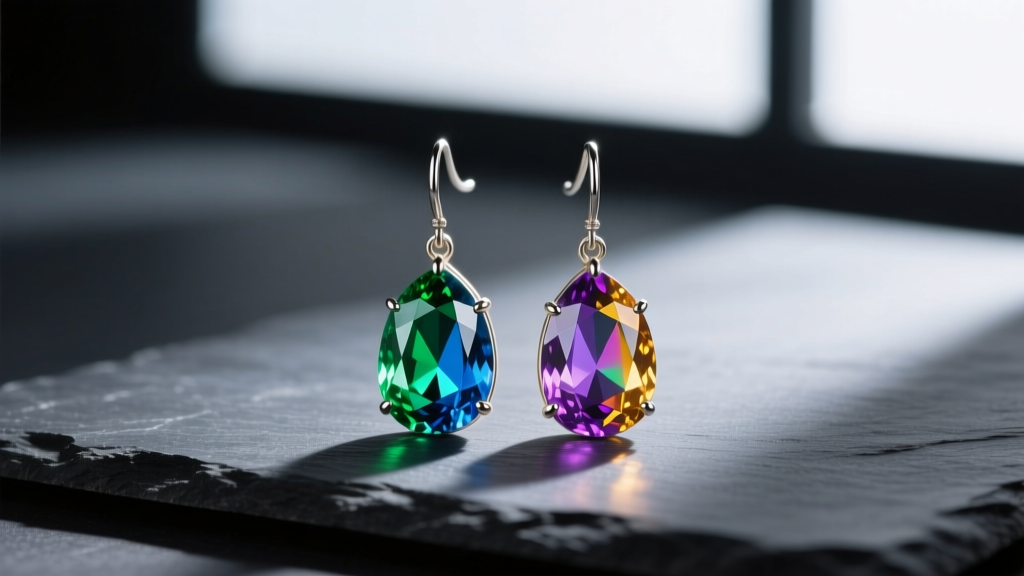
Rainbow sapphire earrings are a spectacular investment, showcasing a vibrant spectrum of corundum hues ranging from padparadscha orange-pink to deep cornflower blue. As a variety of corundum, sapphires rank at a formidable 9 on the Mohs scale of mineral hardness. However, hardness (resistance to scratching) is entirely different from toughness (resistance to chipping or breaking). Sapphires possess good toughness, but they can still cleave or fracture if struck at the wrong angle against a hard surface.
Before applying any cleaning regimen, you must identify whether your rainbow sapphires have undergone specific gemological treatments. According to the Gemological Institute of America (GIA), while heat treatment is standard and generally stable, other enhancements require extreme caution:
- Fracture Filling: Some lower-clarity sapphires are filled with lead-glass or silica-based resins to improve transparency. These fillings are highly vulnerable to mild acids (even lemon juice) and the intense cavitation bubbles of ultrasonic cleaners, which can shatter the stone from the inside out.
- Lattice Diffusion: This treatment introduces color-causing elements into the stone's crystal lattice at high temperatures. While generally stable, aggressive polishing or harsh chemical exposure can sometimes alter the surface-level color layer over time.
- Dyeing: Rarely used for high-end rainbow sapphires, but if present, dyes will immediately bleed or fade when exposed to alcohol, acetone, or warm soapy water.
The Step-by-Step At-Home Cleaning Protocol
To restore the optical brilliance of your rainbow sapphire earrings, you must remove the microscopic layers of sebum, dead skin cells, and cosmetic residue that block light refraction. Sapphires possess a high refractive index (1.76 to 1.78), but this fire is easily dulled by everyday buildup.
Materials Required
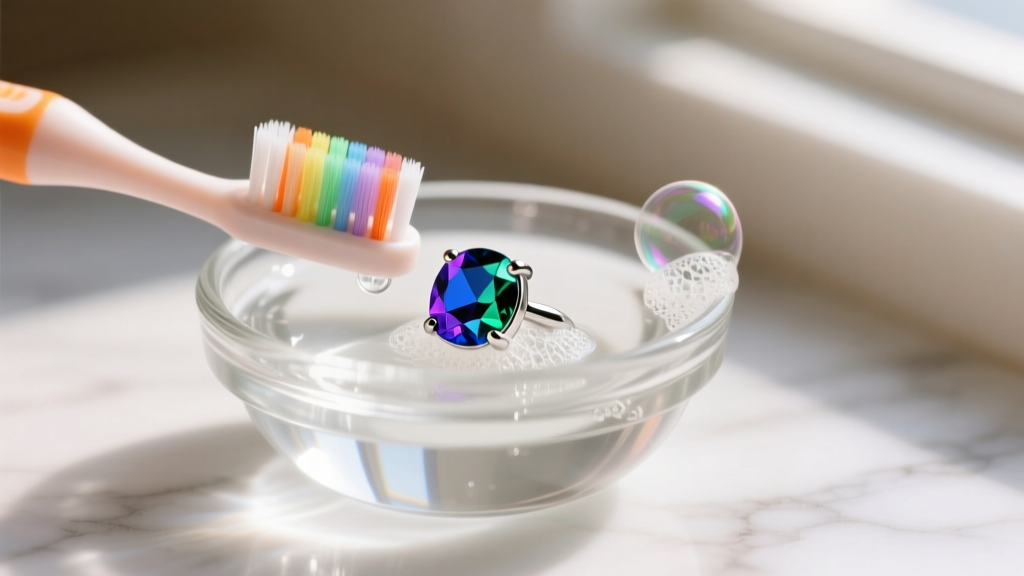
- Distilled water (pH 7.0) — avoid tap water, as dissolved calcium and magnesium leave hard water spots that mimic gemstone cloudiness.
- Phosphate-free, mild dish soap (e.g., original Dawn).
- An extra-soft baby toothbrush (bristle thickness of 0.10mm or less).
- A lint-free microfiber polishing cloth.
The Cleaning Process
- Prepare the Solution: Mix one part mild dish soap with ten parts lukewarm distilled water in a small glass bowl. Never use hot water, as rapid thermal expansion can stress existing micro-fractures in the gems.
- Soak: Submerge the earrings for exactly 10 to 15 minutes. This allows the surfactants to break down the lipid bonds of skin oils trapped beneath the gallery (the basket holding the stones).
- Agitate Gently: Using the baby toothbrush, gently sweep across the crown (top) and the pavilion (back) of each sapphire. Pay special attention to the culet (the bottom point) where grease accumulates most heavily.
- Rinse and Dry: Rinse thoroughly under a gentle stream of lukewarm distilled water. Pat dry with the microfiber cloth, ensuring no moisture remains trapped between the prongs and the gemstone girdle.
Expert Warning: Never clean your earrings over an open sink drain. Always use a strainer or a rubber mat in the basin. A loose 2mm accent sapphire slipping down the drain is one of the most common, yet entirely preventable, jewelry disasters.
Prong, Pavé, and Setting Maintenance
Rainbow sapphire earrings frequently utilize intricate multi-stone pavé or shared-prong settings to maximize the color gradient effect. The structural integrity of these settings is just as critical as the health of the gems themselves.
The 'Tap Test' for Loose Stones
Once a month, perform the tap test. Hold the earring close to your ear and gently tap the metal shank or post with your fingernail. If you hear a faint, high-pitched rattling sound, a sapphire is loose within its setting. Stop wearing the earring immediately and take it to a jeweler. Continuing to wear it will cause the metal prong to abrade the sapphire's girdle, leading to permanent chipping.
Metal Alloy Considerations
The metal holding your rainbow sapphires dictates how you handle the piece. If your earrings are set in 18k yellow gold, be aware that the higher pure-gold content makes the prongs softer and more prone to bending than 14k gold or platinum. If set in white gold, the rhodium plating will naturally wear off over 12 to 18 months, revealing the slightly yellowish alloy beneath. This does not harm the sapphires, but it requires professional replating to restore the bright white contrast that makes the rainbow colors pop.
Environmental Hazards and Storage Rules
Proper storage and environmental awareness are the cornerstones of long-term jewelry preservation. The Jewelers of America organization emphasizes that most jewelry damage occurs during storage or exposure to household chemicals, rather than during regular wear.
| Environmental Hazard | Impact on Rainbow Sapphire Earrings | Prevention Strategy |
|---|---|---|
| Chlorine Bleach | Pits, weakens, and eventually dissolves the copper and zinc alloys in 14k/18k gold prongs. | Always remove earrings before swimming in chlorinated pools or using household cleaners. |
| Hairspray & Perfume | Creates a stubborn, cloudy polymer film on the sapphire table, blocking light refraction. | Adopt a strict 'jewelry last' policy. Put your earrings on only after cosmetics have fully dried. |
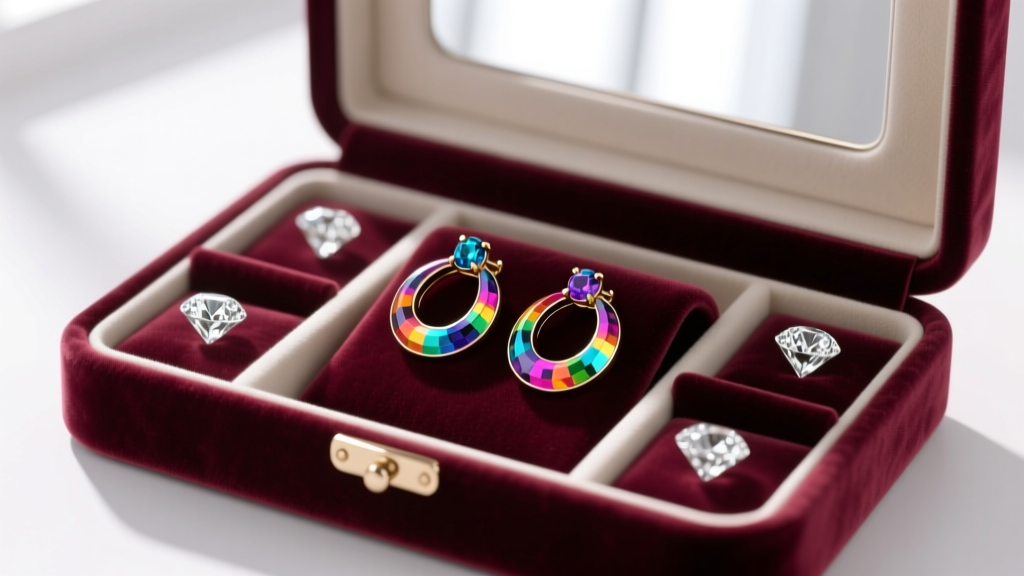
| Diamond Jewelry | Diamonds (Mohs 10) will easily scratch and scuff the surface of sapphires (Mohs 9). | Store rainbow sapphire pieces in separate, individual fabric-lined compartments or soft pouches. |
| Ultrasonic Cleaners (40 kHz) | High-frequency cavitation can shatter fracture-filled stones and vibrate pavé stones out of their seats. | Avoid at-home ultrasonic machines entirely unless a certified gemologist has confirmed your stones are untreated. |
When to Seek Professional Jeweler Services
While at-home maintenance is excellent for removing surface oils, it cannot replace professional servicing. You should schedule a bench jeweler appointment every 12 to 18 months for a comprehensive inspection.
A professional will use a 10x triplet loupe to inspect the prong tips for metal fatigue and micro-abrasions. If your rainbow sapphire earrings feature a complex huggie or hoop mechanism, the jeweler will also check the tension of the hinge and the security of the locking clasp. Furthermore, if your stones are confirmed to be completely natural and untreated, a jeweler can use professional-grade steam cleaning and high-frequency ultrasonics to extract deep-seated grime that a baby toothbrush simply cannot reach, restoring your rainbow sapphires to their original, breathtaking brilliance.


