Gaspeite Earrings: A Beginner's Guide to Rare Green Gems
Discover everything about rare gaspeite earrings. Learn how to choose, style, and protect these vibrant green gems with our beginner-friendly guide.

The Allure of Gaspeite: More Than Just a Pretty Green
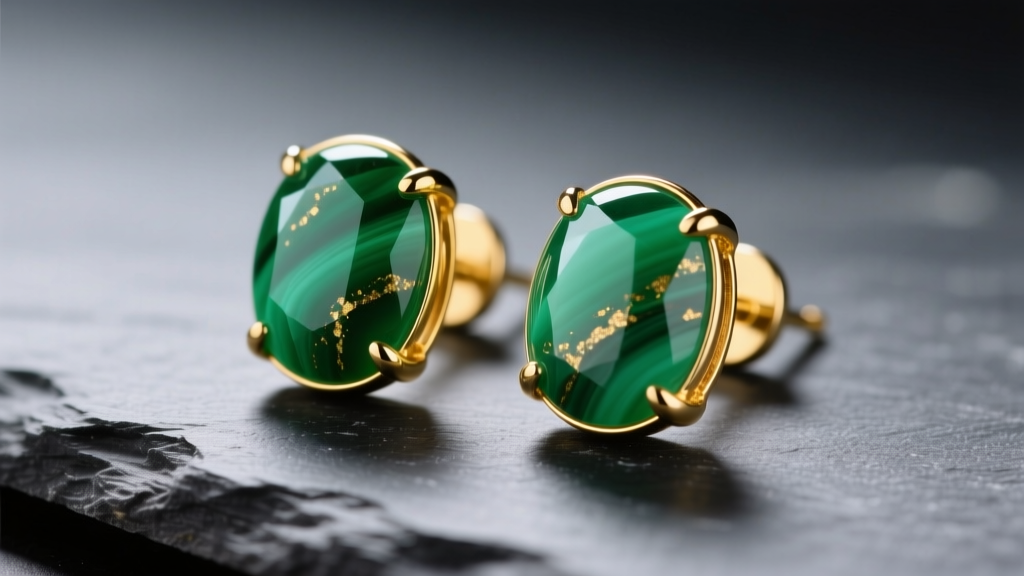
If you are stepping into the world of colored gemstone jewelry, you have likely encountered the usual suspects: turquoise, jade, and malachite. But gaspeite earrings offer something distinctly different. Known for its striking apple-green to yellowish-green hue, often interlaced with intricate brown matrix patterns, gaspeite is a rare nickel carbonate mineral that demands attention. First discovered in 1966 on the Gaspé Peninsula in Quebec, Canada, the vast majority of today's gem-grade gaspeite is actually mined in Western Australia.
However, because it is a relatively obscure and delicate stone, buying gaspeite earrings requires a different approach than purchasing diamond or sapphire jewelry. This beginner-friendly explainer will walk you through the exact specifications, setting requirements, and care protocols you need to know before adding these vibrant green gems to your collection.
Understanding the Mohs Hardness Challenge
Before selecting a pair of gaspeite earrings, you must understand the stone's physical limitations. According to mineralogical data from Mindat.org, gaspeite ranks between 4.5 and 5.0 on the Mohs hardness scale. To put that in perspective, it is softer than a steel knife (5.5) and significantly softer than quartz (7.0).
Porosity and Chemical Sensitivity
Gaspeite is not just soft; it is also moderately porous and highly sensitive to acids and harsh chemicals. The nickel carbonate composition means that exposure to everyday beauty products—like aerosol hairspray, alcohol-based perfumes, and acidic skin sweat—can dull the stone's polish over time, causing it to develop a chalky, matte finish. When wearing gaspeite drop earrings, the stones are often exposed to hair products and the natural oils from your neck and jawline, making proactive care essential.
Mandatory Setting and Post Specifications
Because of its low hardness and tendency to chip along the edges, the way your gaspeite is set into the earring mounting is non-negotiable. If a jeweler attempts to use traditional prongs, the stone will eventually fracture.
Bezel vs. Prong: The Verdict
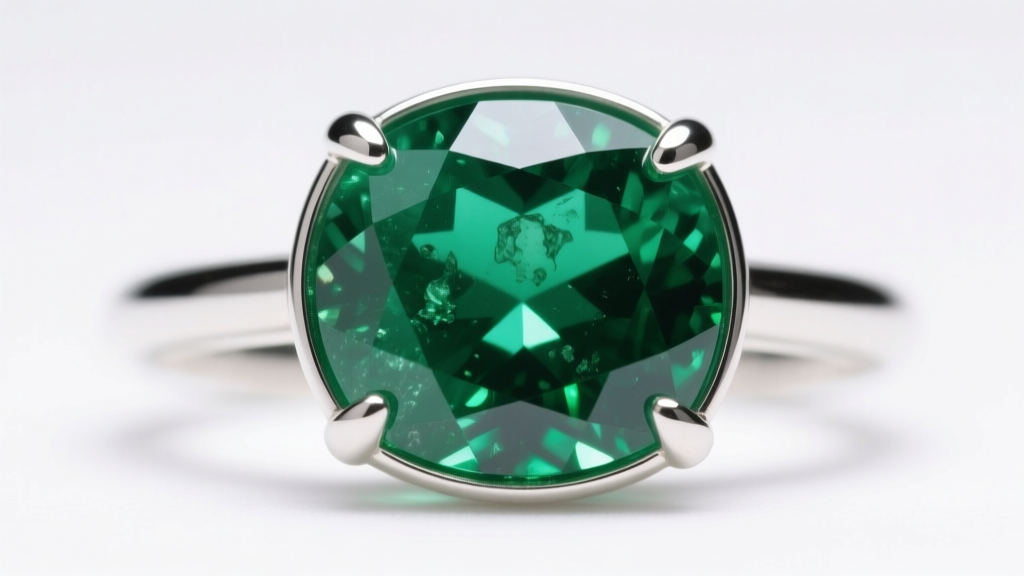
For gaspeite, a full bezel setting is mandatory. A bezel setting involves a continuous rim of metal (usually 925 sterling silver or 14k gold) that wraps entirely around the girdle (edge) of the cabochon. This protects the most vulnerable part of the stone from lateral impacts. Avoid semi-bezel or open-prong settings at all costs, as a single accidental bump against a doorway or mirror can chip the exposed edges of the soft green gem.
Post Gauge and Backings for Heavy Cabochons
Gaspeite is a dense stone with a specific gravity of roughly 3.71. When cut into cabochons for statement earrings, it carries noticeable weight.
- Standard 22-gauge (0.64mm) posts will bend under the weight of a 10mm+ gaspeite cabochon, causing the earring to droop uncomfortably on your lobe.
- Opt for 18-gauge (1.02mm) or 16-gauge (1.29mm) posts for structural integrity.
- Use locking backs: Standard butterfly friction backs often fail to hold heavy stones securely. Upgrade to La Pousette locking backs or heavy-duty silicone stoppers to prevent losing your earrings to gravity.
Best Earring Styles for Daily Wear
Not all earring silhouettes are created equal when working with soft, porous gemstones. Here is how different styles perform with gaspeite:
- Bezel-Set Studs (Highly Recommended): The safest option for everyday wear. Studs sit flush against the earlobe, minimizing the risk of the stone catching on hair or clothing. A 6mm to 8mm round or oval cabochon is ideal for daily use.
- French Wire Drops (Moderate Risk): Beautiful for showcasing the brown limonite matrix, but the swinging motion increases the chance of the stone hitting your shoulder or necklace clasps. Always store these separately in a soft pouch.
- Hoops and Huggies (Not Recommended): The constant friction against the neck, hair, and collars will quickly scratch the surface of a gaspeite inlay. Avoid gaspeite in any continuous hoop design.
Gaspeite Care and Maintenance Matrix
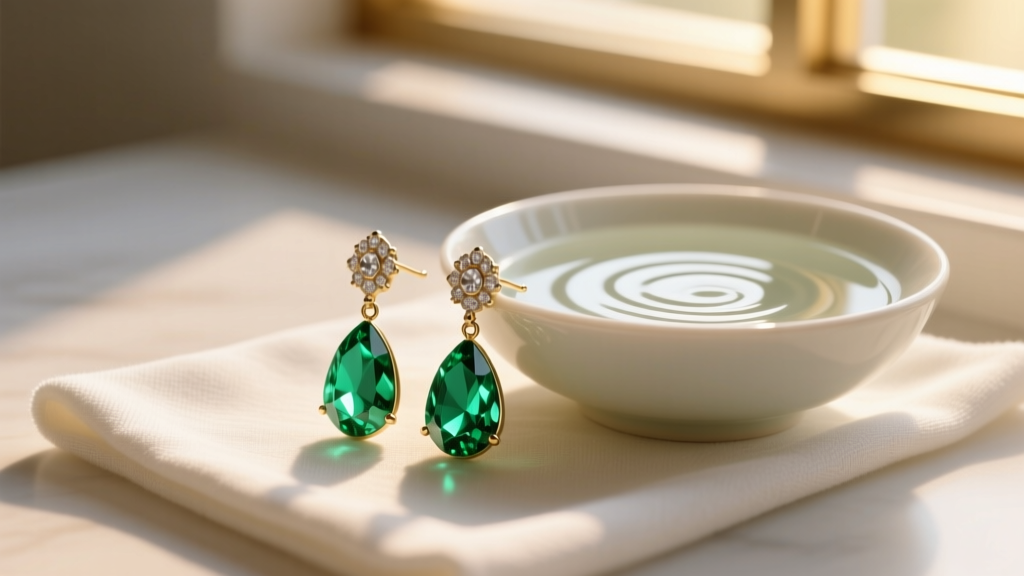
Proper maintenance will ensure your gaspeite earrings retain their vibrant apple-green luster for decades. Refer to this quick matrix before cleaning your jewelry:
| Cleaning Method | Safety Rating | Expert Notes |
|---|---|---|
| Ultrasonic Cleaners | DANGER | High-frequency vibrations will shatter the stone or separate it from the bezel glue. |
| Steam Cleaning | DANGER | Thermal shock and moisture penetration will ruin the polish and alter the color. |
| Mild Soap & Lukewarm Water | SAFE | Use a drop of Dawn dish soap. Dip a soft baby toothbrush, gently wipe, and dry immediately. |
| Jewelry Polishing Cloths | CAUTION | Use only untreated microfiber. Avoid chemically treated silver cloths on the stone itself. |
Pricing, Authenticity, and Spotting Fakes
Because genuine gaspeite is relatively rare and highly sought after by artisan jewelers, the market is unfortunately flooded with imitations. The most common fakes are dyed howlite and dyed magnesite.
According to gemological identification standards outlined by the Gemological Institute of America (GIA), treated stones often reveal their secrets under magnification. If you inspect the brown matrix lines of a suspected gaspeite stone with a 10x jeweler's loupe, natural gaspeite will show organic, flowing, three-dimensional limonite inclusions. Dyed fakes, however, will show "spiderwebbing"—where the green dye concentrates heavily in the surface cracks and crevices of a white host stone.
What Should You Expect to Pay?
Pricing for authentic gaspeite earrings varies based on the matrix contrast and the metal used:
- Small Studs (6mm - 8mm) in Sterling Silver: $45 to $85 per pair.
- Medium Drops in 14k Gold Vermeil: $90 to $160 per pair.
- Large Statement Cabochons in Solid 14k/18k Gold: $250 to $500+ per pair, especially if the brown matrix forms a distinct, landscape-like pattern.
Final Thoughts on Wearing Gaspeite
Gaspeite earrings are a phenomenal choice for collectors and jewelry lovers who want to step outside the mainstream. Their earthy, vibrant aesthetic pairs beautifully with both casual linen outfits and sophisticated evening wear, provided the stones are properly protected in bezel settings. By respecting the stone's Mohs hardness, avoiding chemical exposure, and investing in proper post gauges, your rare green gems will remain a stunning staple in your jewelry box for years to come.


