How to Recreate the Girl with the Pearl Earring Look
Learn how to recreate the iconic Girl with the Pearl Earring look. Step-by-step guide on pearl sizes, earring settings, and styling for modern wear.

The Enduring Allure of Vermeer’s Masterpiece
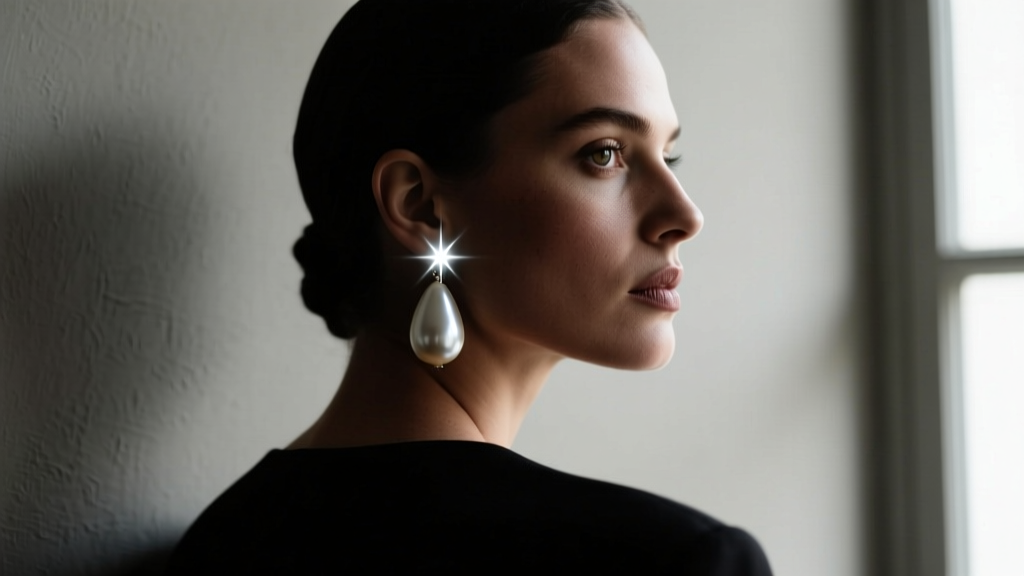
Johannes Vermeer’s 1665 masterpiece, often referred to as the "Mona Lisa of the North," captivates viewers not just through the subject’s enigmatic gaze, but through the striking, luminous focal point at her earlobe. The girl with the pearl earring represents a masterclass in the use of light, shadow, and minimalist composition. For jewelry enthusiasts and style historians, the earring itself is a subject of intense fascination. It is massive, teardrop-shaped, and catches a single, sharp reflection that gives it an almost three-dimensional weight.
Recreating this iconic aesthetic in real life requires more than simply buying a pair of pearl studs. It demands a nuanced understanding of gemological proportions, jewelry hardware mechanics, and the interplay of light against the skin. In this comprehensive guide, we will break down the exact specifications needed to achieve this legendary look, from selecting the correct millimeter size and luster grade to choosing the appropriate wire gauge to support the weight of a statement drop.
Step 1: Decoding the Pearl’s Anatomy and Dimensions
Art historians and gemologists who have studied the painting at the Mauritshuis Museum note that the earring is unusually large. Based on the proportions of the subject's head, the pearl is estimated to be between 12mm and 15mm in diameter. Furthermore, the sharpness of the highlight suggests it may not have been a natural pearl at all, but rather a varnished tin drop or a glass imitation—a common practice in the 17th century for those who could not afford massive natural saltwater pearls.
To recreate the girl with the pearl earring look today using authentic materials, you must look for a drop-shaped (teardrop) pearl with high luster. The Gemological Institute of America (GIA) grades pearl luster on a scale from Excellent to Poor. For this specific look, you need an "Excellent" or "Very Good" luster grade, where reflections appear bright, sharp, and distinct. A chalky or dull pearl will completely fail to capture Vermeer’s chiaroscuro lighting effect.
Pearl Type Comparison for the Vermeer Aesthetic
| Pearl Type | Size Range | Luster Profile | Est. Price (Per Pair) | Best For |
|---|---|---|---|---|
| White South Sea | 10mm - 15mm+ | Soft, satiny, deep glow | $1,500 - $8,000+ | Luxury collectors seeking authentic, massive saltwater pearls. |
| Edison Freshwater | 11mm - 14mm | Sharp, bright, metallic | $150 - $400 | High-impact luster on a moderate budget; excellent teardrop shapes. |
| Majorica (Imitation) | 12mm - 16mm | Extremely sharp, glass-like | $150 - $300 | Historical accuracy regarding the painting's suspected glass/tin origin. |
| Baroque Keshi | 10mm - 15mm | Intense, irregular orient | $80 - $250 | Modern, asymmetrical adaptations of the classic teardrop silhouette. |
Step 2: Selecting the Correct Hardware and Wire Gauge
One of the most common mistakes when wearing oversized drop earrings is ignoring the structural limitations of standard jewelry hardware. A solid 14mm White South Sea pearl can weigh between 3.5 and 5 grams. While this may not sound heavy, when suspended from the edge of the earlobe, it creates significant leverage and downward pull.
Standard fashion earrings are typically crafted with 22-gauge (0.64mm) or 20-gauge (0.81mm) wire. If you hang a 15mm pearl from a 22-gauge French hook, the wire will physically deform, bend, and eventually snap under the dynamic stress of daily movement. Furthermore, thin wire will slice into the earlobe piercing, causing discomfort and potential migration of the piercing hole.
The 18-Gauge Leverback Solution
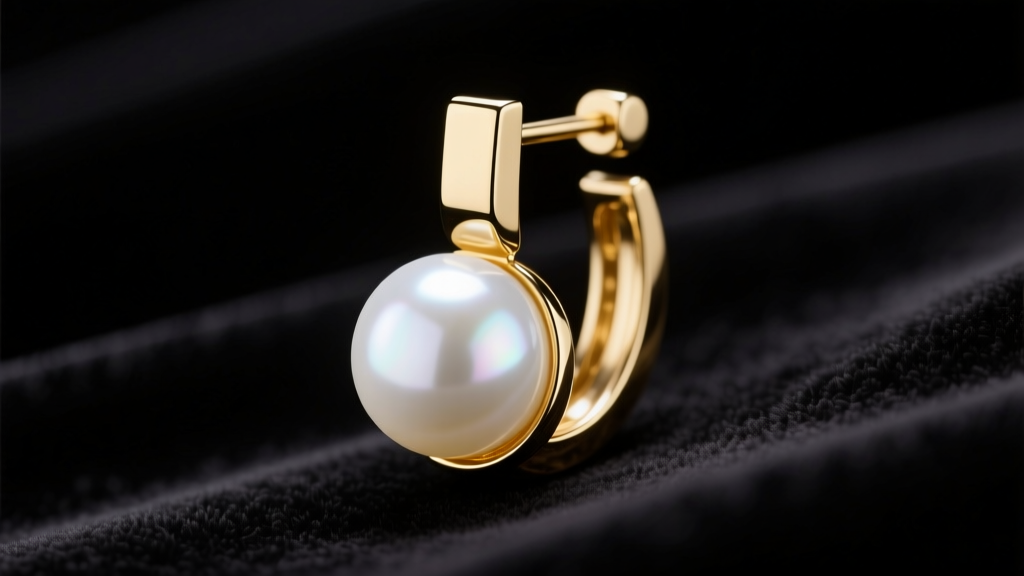
To properly support a Vermeer-sized pearl drop, you must upgrade your hardware. We strongly recommend an 18-gauge (1.02mm) or even a 16-gauge (1.29mm) wire for the ear hook. This thickness provides the necessary rigidity to hold the pearl upright without drooping, ensuring the teardrop shape hangs perfectly perpendicular to the floor to catch the light.
Additionally, abandon the traditional open "shepherd’s hook" or "French wire" design. A heavy 14mm pearl can easily slip out of an open hook if it catches on a scarf or hair. Instead, opt for a leverback or latch-back setting. These mechanisms feature a hinged clasp that securely locks the earring in place, providing peace of mind when wearing thousands of dollars' worth of nacre on your earlobe.
Step 3: Styling, Lighting, and the Chiaroscuro Effect
The painting is not a formal portrait, but a "tronie"—a Dutch Golden Age study of facial expressions, exotic clothing, and lighting. The subject wears an ultramarine blue turban (painted with crushed lapis lazuli, a pigment more expensive than gold at the time) and a lead-tin yellow jacket. To truly embody the girl with the pearl earring, your styling must facilitate the same dramatic lighting.
- Hair Placement: The hair must be swept up and tucked securely behind the ear. The pearl requires an unobstructed canvas to reflect light against the skin. Any loose strands will diffuse the shadow and ruin the sharp highlight.
- Wardrobe Colors: You do not need to wear a 17th-century costume. Instead, translate the color palette into modern tailoring. A deep cobalt blue silk blouse or a mustard-toned structured blazer will provide the high-contrast background necessary to make the white pearl pop.
- Lighting Angles: The pearl in the painting is illuminated by a light source coming from the upper left. When attending evening events, position yourself so that ambient room lighting hits your face from a slight side-angle, maximizing the "orient" (the play of light across the nacre).
Modernizing the Look for 2026
While historical accuracy is fascinating, wearing a literal 17th-century costume in 2026 is impractical. The current editorial trend for oversized pearl drops leans heavily into asymmetrical styling. Rather than wearing a matched pair of massive 14mm teardrops—which can overwhelm the face and look overly bridal—wear a single, oversized pearl drop on one ear.

On the opposite ear, wear a minimalist, flush-set diamond or sapphire stud (around 3mm to 4mm). This 2026 styling technique balances the visual weight of the face, honors the single-pearl focus of Vermeer’s composition (the subject's second ear is hidden in shadow), and anchors the historical reference firmly in contemporary high fashion. Pair this asymmetrical ear styling with a clean, slicked-back low bun and a structured, high-neck garment to elongate the neck and draw the eye directly to the jewelry.
Care and Maintenance for Oversized Nacre
Pearls are organic gemstones, ranking a mere 2.5 to 3.0 on the Mohs hardness scale. They are exceptionally vulnerable to the acids in human sweat, the alcohols in perfumes, and the chemicals in hairsprays. Because a 14mm pearl presents a massive surface area, it is highly likely to come into contact with cosmetics applied to the jawline and neck.
Always follow the golden rule of pearl care: "Last on, first off." Apply all perfumes, lotions, and setting sprays at least 15 minutes before putting on your pearl earrings. After wearing, gently wipe the pearl with a clean, untreated microfiber cloth to remove microscopic skin oils. Never use ultrasonic cleaners, steam cleaners, or commercial silver dips on pearl jewelry, as these will strip the nacre and permanently destroy the luster that defines the girl with the pearl earring aesthetic. For long-term storage, keep the earrings in a soft silk pouch away from harder gemstones like diamonds or sapphires that could easily scratch the pearl's delicate surface.
Final Thoughts on the Masterpiece
Recreating the magic of Vermeer’s subject is an exercise in proportion, material science, and stylistic restraint. By carefully selecting a 12mm-15mm teardrop pearl with excellent luster, securing it with an 18-gauge leverback setting, and styling it with modern asymmetrical elegance, you can capture the timeless, luminous essence of the world's most famous piece of ear jewelry. Whether you choose a luxurious White South Sea drop or a historically resonant Majorica imitation, the key lies in how the light catches the curve—a silent, glowing conversation between the wearer and the observer.