Rectangle Drop Earrings: A Material & Durability Guide
Discover the best metals for rectangle drop earrings. Compare weight, durability, and hypoallergenic properties to find your perfect, long-lasting pair.

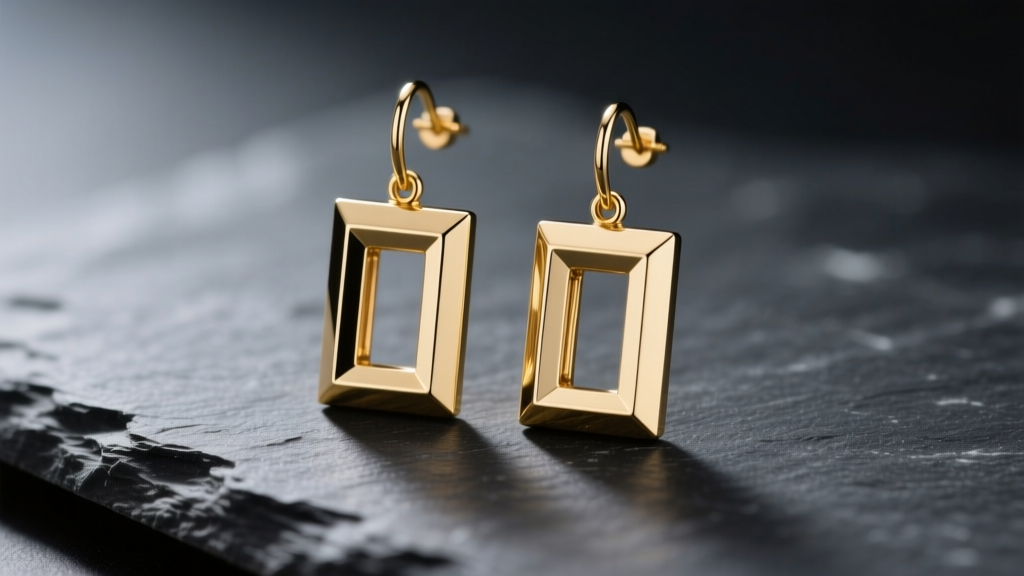
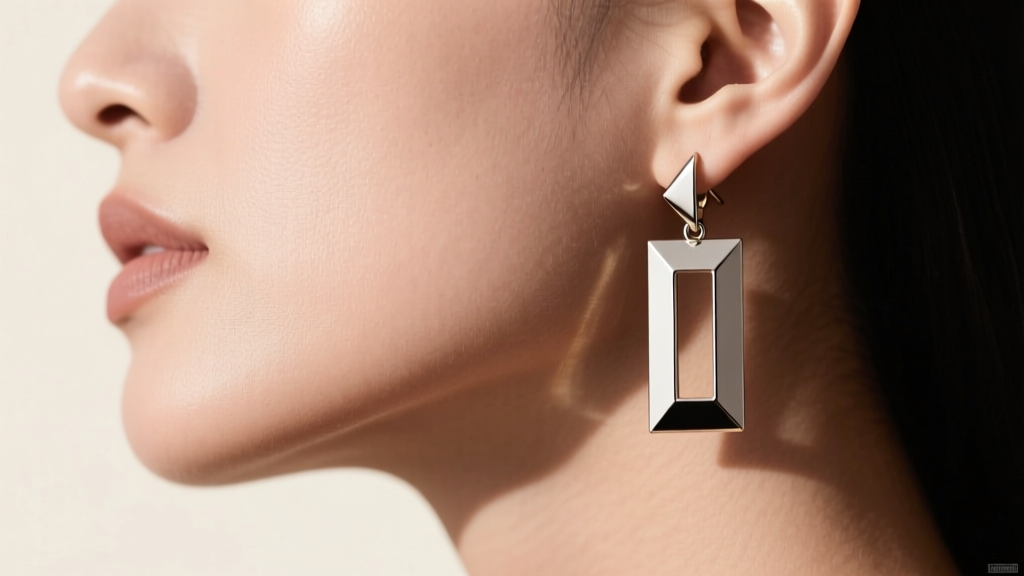
Rectangle drop earrings are a cornerstone of modern geometric jewelry, offering a striking, architectural silhouette that flatters nearly every face shape. However, the elongated nature of a rectangular drop creates unique physical stresses on the earlobe that standard studs or hoops do not. Because a drop earring acts as a pendulum, the material chosen dictates not only the aesthetic and price point, but the structural integrity, the drape, and the long-term health of your piercing. In this comprehensive guide, we break down the metallurgical properties, weight dynamics, and hardware considerations essential for selecting the perfect pair of rectangle drop earrings.
The Physics of the Drop: Weight and Lobe Stress
Unlike a balanced hoop that distributes weight evenly around the piercing, a rectangle drop earring concentrates its mass below the lobe. This creates a lever effect. If the material is too dense—such as solid brass or thick stainless steel—the constant downward pull can lead to the dreaded "cheese-cutter" effect, where the earring post slowly stretches and thins the piercing hole over time.
For a standard 1.5 to 2-inch rectangular drop, the ideal weight should remain under 8 grams per earring to prevent lobe fatigue. Materials like hollow-tubing gold, cast acrylic, or lightweight titanium offer the visual volume of a large geometric shape without the structural penalty of excessive mass. Furthermore, the rigidity of the material matters; a thin wire-frame rectangle made from soft 24k gold will easily bend out of shape when bumped, whereas 14k gold or titanium will maintain its sharp, 90-degree angles.
Comprehensive Material Comparison Chart
Use the table below to compare the most common materials used in rectangle drop earrings, evaluating them across critical metrics for daily wear.
| Material | Grade / Type | Avg Weight (2" Drop) | Price Range | Hypoallergenic | Tarnish Resistance |
|---|---|---|---|---|---|
| Titanium | Implant-Grade (ASTM F136) | 3 - 5g | $40 - $120 | Yes | Excellent |
| Gold | 14k Solid | 6 - 8g | $250 - $600 | Yes | Excellent |
| Brass | Gold-Plated Base | 9 - 14g | $25 - $60 | No | Poor |
| Surgical Steel | 316L | 7 - 10g | $20 - $50 | Mostly | Good |
| Acrylic / Resin | Cast Polymer | 2 - 4g | $15 - $40 | Yes (Post dependent) | N/A |
Precious Metals: Gold Purity and Structural Rigidity
14k vs. 18k Solid Gold
When investing in solid gold rectangle drop earrings, the karat weight directly impacts the jewelry's structural viability. According to the Gemological Institute of America (GIA), 24k gold is 99.9% pure but far too soft for structural jewelry. 18k gold (75% pure) offers a rich, warm color but remains relatively malleable. If your rectangle drops feature thin, geometric wire frames, 18k gold may warp if dropped or snagged. 14k gold (58.3% pure), alloyed with copper, silver, or zinc, provides the optimal balance of tarnish resistance, skin safety, and the tensile strength required to hold a sharp rectangular shape indefinitely.
The Vermeil vs. Plated Trap
Many affordable rectangle drops are marketed as "gold," but are actually base metals covered in a microscopic layer of gold. It is vital to understand the difference between gold-plated and gold vermeil. Gold-plated earrings typically use a brass base with less than 0.5 microns of gold electroplating. The friction of the post against the ear, combined with skin oils, will wear this away in months, exposing the brass and causing the skin to turn green due to copper oxidation. Gold vermeil, by legal definition, must feature a sterling silver base with a minimum of 2.5 microns of gold. While vermeil is vastly superior to standard plating, the rectangular edges and high-friction post areas will still eventually require re-plating.
Base Metals and Hypoallergenic Alternatives
Implant-Grade Titanium (ASTM F136)
For those with metal sensitivities, titanium is the undisputed champion. However, not all titanium is created equal. You must look for ASTM F136 implant-grade titanium. This specific alloy is entirely nickel-free and biocompatible, making it the exact material used in medical joint replacements. Because titanium is roughly 45% lighter than steel, it allows designers to create oversized, bold rectangle drop earrings that remain feather-light on the lobe, completely eliminating the risk of stretching the piercing.
316L Surgical Steel and the Nickel Problem
"Surgical steel" is a ubiquitous term in affordable jewelry, but it is highly problematic for sensitive ears. 316L stainless steel contains between 8% and 12% nickel to achieve its corrosion resistance. According to the Mayo Clinic, nickel allergy is one of the most common causes of allergic contact dermatitis. Even if the steel is coated, the microscopic friction of the post sliding in and out of the piercing will eventually expose the nickel core, leading to itching, swelling, and weeping of the earlobe. If you have any history of metal sensitivities, avoid steel posts entirely.
Hardware Mechanics: Gauges and Backings
The material of the earring face is only half the equation; the hardware that secures it is equally critical. The standard gauge for lobe earrings is 20G (0.81mm). However, if you are purchasing heavy, solid-metal rectangle drops, a 20G post may be too thin, risking bending or snapping under the pendulum weight. Upgrading to an 18G (1.02mm) post provides significantly more shear strength. Ensure your piercings can accommodate 18G before purchasing, as forcing a thicker post can cause micro-tears in the fistula.
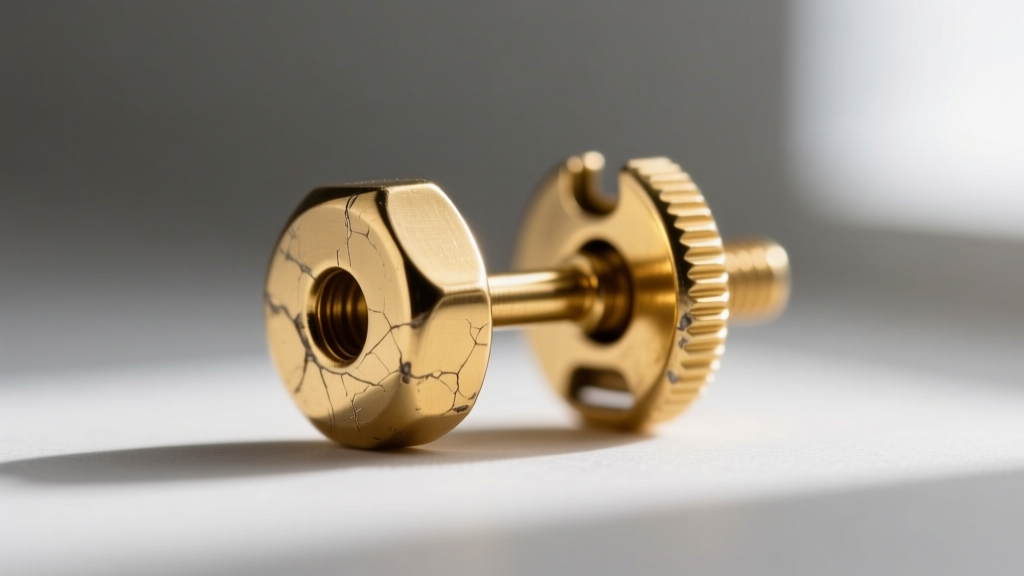
Furthermore, the backing mechanism must match the drop's weight. Standard butterfly clutches (friction backs) often fail on heavy geometric drops, allowing the earring to droop forward or fall off entirely. For rectangle drops exceeding 6 grams, seek out leverback closures, which mechanically lock into place, or secure the posts with medical-grade silicone O-rings that provide high-friction grip without the discomfort of tight metal clutches.
Care, Tarnish, and Longevity
Maintaining the crisp lines and brilliant finish of your rectangle drop earrings requires material-specific care. Solid gold and titanium require almost zero maintenance beyond occasional washing with mild soap and water to remove sebum buildup. However, if you own sterling silver or brass-based geometric drops, tarnish is an inevitable chemical reaction with sulfur in the air.
Pro Tip: Never use abrasive silver polishing cloths on textured or matte-finish rectangle drops. The mild abrasives in the cloth will smooth out intentional matte textures and leave shiny, uneven patches. Instead, use a liquid silver dip for seconds, followed by an immediate and thorough rinse in distilled water.
Ultimately, the best material for your rectangle drop earrings depends on your budget, your skin's reactivity, and how you plan to wear them. For everyday, worry-free geometric style, implant-grade titanium or 14k solid gold remains the smartest investment, ensuring your earrings maintain their sharp architecture and keep your lobes healthy for decades to come.


