Tribal Silver Hoop Earrings: 2026 Value & Buying Guide
Discover how to evaluate tribal silver hoop earrings in 2026. Learn pricing tiers, silver grades, gauge sizes, and how to spot authentic artisan value.

The Allure and Economics of Tribal Silver Hoops
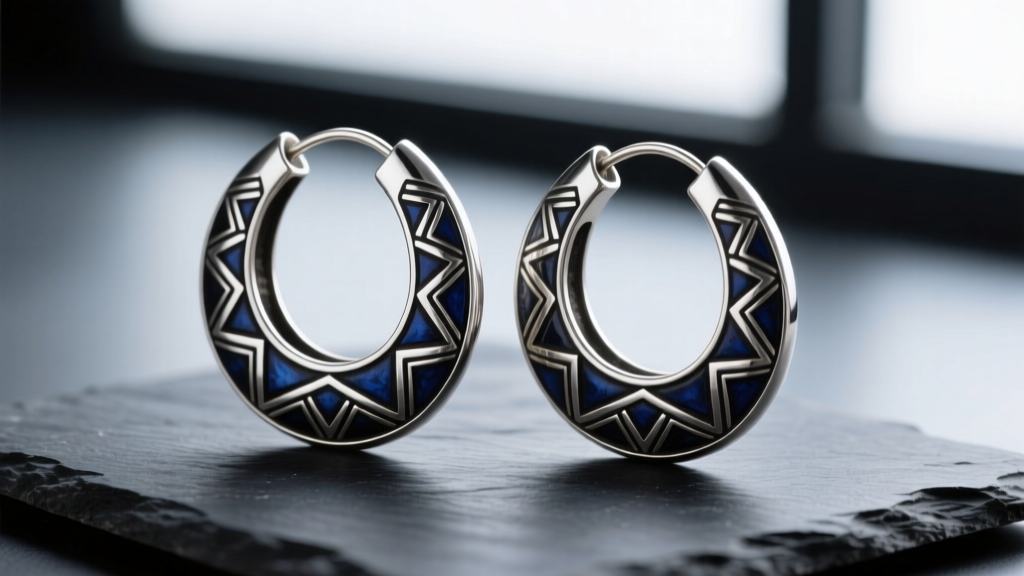
Tribal silver hoop earrings have transcended fleeting bohemian trends to become permanent fixtures in fine jewelry collections. Characterized by bold geometric motifs, heavy oxidization, and artisanal metalworking techniques, these pieces carry deep cultural narratives. However, the 2026 market is heavily saturated with mass-produced imitations disguised as heritage pieces. As silver spot prices continue to fluctuate—hovering near the $30 per troy ounce mark this year—understanding the true value of tribal silver hoops requires looking far beyond the aesthetic. This guide provides a rigorous budget and value assessment, equipping you with the metallurgical and structural knowledge to separate genuine artisan investments from overpriced base-metal costumes.
Decoding Silver Grades: Where the Budget Bleeds
The most common pitfall when shopping for ethnic or tribal jewelry is falling for misleading alloy nomenclature. Terms like 'Tibetan Silver,' 'Tribal Alloy,' or 'Himalayan Silver' are industry euphemisms for base metals (usually zinc, copper, and nickel) that contain absolutely zero elemental silver. According to the Gemological Institute of America (GIA), genuine silver jewelry must meet strict fineness standards to be legally marketed as such.
The Hierarchy of Tribal Silver
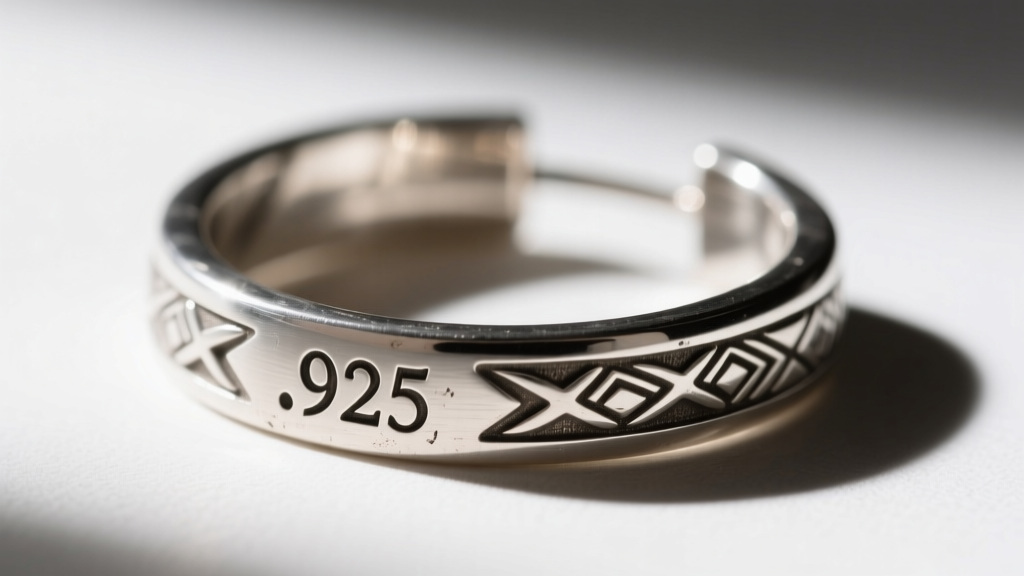
- Sterling Silver (.925): The global standard. Composed of 92.5% pure silver and 7.5% copper. The copper adds the necessary tensile strength for heavy hoops, though it requires regular polishing to prevent tarnish in deep tribal engravings.
- Argentium Silver (.935 or .960): A modern upgrade where some copper is replaced with germanium. It is highly tarnish-resistant, making it an exceptional value for intricate tribal hoops where polishing deep crevices is tedious.
- Fine Silver (.999): Rarely used for structural hoops due to its softness, but sometimes seen in traditional Berber or Tuareg pendants attached to hoop bases. It bends easily under the weight of heavy tribal motifs.
- Silver-Plated Brass: The budget trap. A thin micron-layer of silver over brass. Once the friction of the clasp wears through the plating, the underlying brass will oxidize green and cause contact dermatitis.
2026 Pricing Tiers: What You Actually Get
Evaluating the cost of tribal silver hoop earrings requires segmenting the market by manufacturing origin and material integrity. Below is the 2026 value matrix for a standard 50mm diameter hoop.
| Market Tier | Price Range (50mm Pair) | Material & Weight | Value Verdict |
|---|---|---|---|
| Fast Fashion | $18 - $35 | Plated alloy, 4-6g | Poor. High failure rate, skin irritation risk. |
| Mid-Tier Artisan | $65 - $140 | Solid .925, 12-18g | Excellent. Best balance of durability and artistry. |
| Heritage / Antique | $250 - $600+ | .900-.925, 20g+, Provenance | Collector grade. High intrinsic and historical value. |
The 'Weight-to-Price' Ratio Formula
To objectively assess a mid-tier pair of tribal hoops, use the melt-value baseline. One troy ounce equals 31.1 grams. If silver is $30/oz, the raw melt value of silver is roughly $0.96 per gram. A genuine 15-gram pair of .925 hoops contains about 13.9 grams of pure silver, yielding a baseline melt value of $13.34. If a seller is asking $150 for a 15-gram pair, you are paying a massive 1000% premium for the 'tribal' branding. A fair artisan premium for hand-stamped or granulated work is typically 3x to 5x the melt value. Therefore, a $65 to $90 price point for a 15-gram pair represents genuine value.
The Golden Rule of Tribal Hoops: Genuine tribal silver is inherently heavy. If a 50mm hoop feels feather-light (under 8 grams), it is either hollow-tubing (which dents easily) or a plated base metal. Demand the exact gram weight from the seller before purchasing.
Hardware and Gauge: Hidden Costs of Cheap Hoops
The structural integrity of tribal silver hoop earrings is heavily dependent on wire gauge and clasp mechanics. Tribal designs are visually dense and physically heavy; therefore, standard 20-gauge (0.8mm) or 18-gauge (1.0mm) wires are insufficient and will warp under the weight of the motifs.
Optimal Gauge Sizes for Tribal Styles
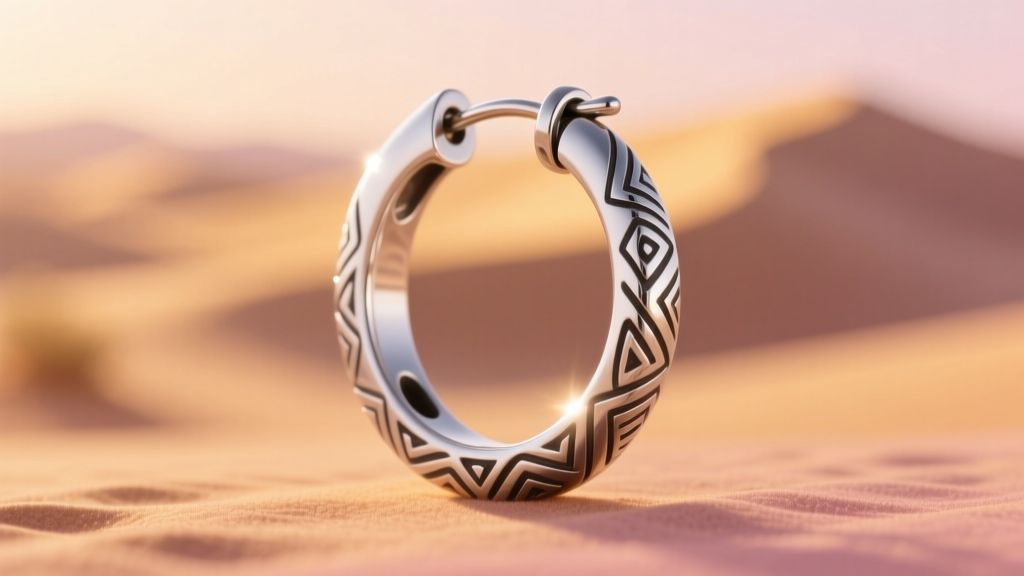
For authentic tribal hoops, insist on 16-gauge (1.2mm) or 14-gauge (1.6mm) wire. This thickness not only supports heavy geometric pendants and granulation but also prevents the earring from tearing through the earlobe over time. Note that 14-gauge requires a slightly stretched piercing or a standard 16-gauge lobe piercing that has relaxed over years of wear.
Clasp Mechanics and Failure Modes
- Latch-Back (Hinged): Common in heavy Berber styles. Ensure the hinge pin is flush and the latch clicks audibly. Cheap cast hinges snap within months.
- Continuous Hoop (Tension): The post slides into a hollow tube. Excellent for security, but the wire must be perfectly tempered. If the silver is too soft, the tension fails and the earring falls out.
- French Wire (Shepherd's Hook): Generally unsuited for heavy tribal hoops unless secured with a heavy silicone back, as the weight distribution will cause the earring to droop forward aggressively.
Authenticity vs. Mass Production: Spotting the Fakes
The term 'tribal' encompasses diverse global traditions, each with distinct metallurgical signatures. According to The Silver Institute, verifying hallmarks and craftsmanship techniques is essential for value retention.
Cultural Signatures to Look For
- Tuareg (Sahara): Recognizable by sharp, geometric ebony wood inlays and deep, hand-chiseled oxidized lines. Authentic pieces are forged, not cast, meaning you will see slight, beautiful asymmetries.
- Balinese: Famous for granulation (tiny silver spheres fused to the surface) and intricate floral filigree. Mass-produced fakes will show uniform, machine-cast granules with visible seams.
- Navajo / Native American: Often features heavy stamp-work and bezel-set turquoise or coral. Look for 'sickles' or tool marks on the back of the silver that indicate hand-stamping rather than hydraulic pressing.
Final Verdict: Maximizing Your Investment
In 2026, the true value of tribal silver hoop earrings lies at the intersection of material density, structural gauge, and verifiable artisan craftsmanship. Avoid the budget trap of 'Tibetan' alloys and hollow-tubed imitations. By demanding solid .925 or Argentium silver, verifying the gram weight, and ensuring a robust 16-gauge or 14-gauge profile, you secure a piece of wearable art that holds both intrinsic metal value and enduring aesthetic power. Always request a hallmark verification and a precise weight specification from your jeweler to ensure your budget is translating into genuine, lasting silver.


