Red Coral Earrings Gold: The Beginner's Style Guide
Discover how to choose authentic red coral earrings gold settings. Learn about coral types, gold karats, pricing, and care in this beginner guide.

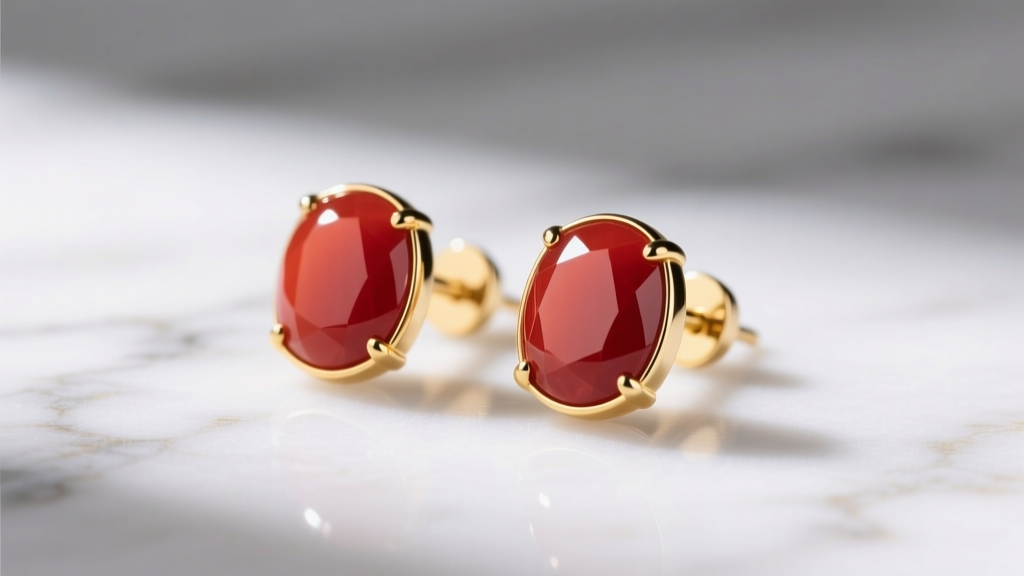
Understanding Red Coral: Nature’s Organic Gem
When you begin exploring the world of colored gemstones, few materials capture the imagination quite like coral. Unlike diamonds, sapphires, or emeralds, which are formed through intense geological pressure and heat within the earth's crust, coral is an organic gemstone. It is created by living organisms—specifically, marine polyps that secrete calcium carbonate to form protective skeletal structures. As we navigate the 2026 vintage and estate jewelry revival, the demand for vintage and newly crafted red coral earrings gold settings has surged, driven by a desire for warm, organic, and historically rich accessories.
The most prized variety in fine jewelry is Corallium rubrum, commonly known as Mediterranean red coral. This species grows slowly in the deep, dark waters of the Mediterranean Sea and the adjacent Atlantic coast. Its natural color ranges from a soft salmon pink to a deep, saturated oxblood red. Because it is composed primarily of calcium carbonate, coral is inherently soft and porous, registering a mere 3.5 to 4 on the Mohs hardness scale. This unique composition dictates everything from how the gem must be cut and set, to how it should be worn and stored. According to the Gemological Institute of America (GIA), the organic nature of coral means it requires vastly different handling than traditional crystalline gemstones.
The Authenticity Trap: Mediterranean vs. Bamboo Coral
For a beginner, the most critical hurdle in buying red coral jewelry is understanding the difference between genuine precious coral and its heavily treated imitations. The market is currently flooded with "bamboo coral," a completely different species that grows in a tree-like structure with a naturally gray or white, highly porous skeleton. To mimic the look of expensive Mediterranean coral, bamboo coral is routinely bleached, filled with polymers, and dyed a vibrant, unnatural red.
Spotting the difference requires a keen eye and an understanding of gemological structures. Genuine Mediterranean coral is dense, exhibits a subtle, natural waxy luster, and takes a brilliant, glass-like polish. When viewed under 10x magnification, it may show faint, parallel growth striations, but the surface remains largely uniform. Bamboo coral, on the other hand, is riddled with tiny, visible pits and pores where the dye tends to pool and concentrate. If you look closely at the drill holes or the edges of a bamboo coral bead, you will often see dark red rings where the dye has settled into the porous channels.
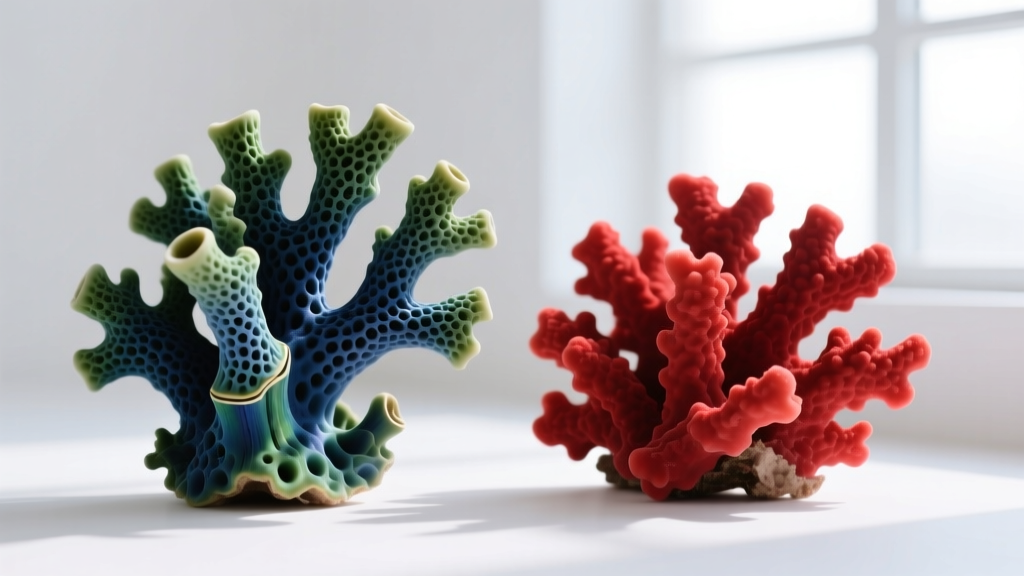
Another common imitation is dyed sea coral or sponge coral, which is heavily stabilized with epoxy resin to hold its shape. While these alternatives are budget-friendly, they lack the rich heritage, the natural thermal warmth, and the investment value of true Corallium rubrum. Always ask the jeweler for a disclosure of treatments; reputable dealers will explicitly state if a piece is dyed, stabilized, or completely natural.
Choosing the Right Gold: 14K vs. 18K Pairings
The warm, orangey-red undertones of natural coral pair spectacularly with yellow gold, but the karat weight you choose will impact both the aesthetics and the structural integrity of your earrings. Gold purity is measured in karats, with 24K being pure gold. Because pure gold is too soft for jewelry, it is alloyed with other metals.
- 18K Gold (75% Pure Gold): This is the premier choice for fine coral jewelry. The high gold content gives the metal a rich, buttery yellow hue that perfectly complements the warm tones of red coral. Furthermore, 18K gold is highly hypoallergenic. Because coral is often cut into smooth cabochons, jewelers prefer to use 18K gold for bezel settings. The metal is malleable enough to be pushed tightly and smoothly over the delicate edges of the coral without chipping the gemstone.
- 14K Gold (58.5% Pure Gold): 14K gold is harder and more durable due to its higher alloy content (usually copper, silver, or zinc). This makes it the superior choice for the structural components of the earring, such as the posts, hooks, and friction backs. However, beginners must be cautious with 14K white gold, as the nickel alloys used to bleach the gold can cause severe contact dermatitis for sensitive earlobes. If you prefer a silver-toned metal, opt for platinum or palladium instead.
A common and highly effective design strategy in high-end jewelry is to use 18K yellow gold for the decorative bezel and face of the earring, while utilizing 14K gold for the post and backing to ensure the earring doesn't bend under the weight of a heavy coral drop.
Pricing Breakdown: What Should a Beginner Pay?
Understanding the pricing tiers will protect you from overpaying for treated materials or underestimating the value of genuine estate pieces. The price of red coral is determined by its origin, the saturation of its color (deep oxblood red commands the highest premiums), and the quality of the cut.
| Coral Type | Origin & Treatment | Estimated Price Range (Studs) | Durability & Longevity |
|---|---|---|---|
| Dyed Bamboo Coral | Deep sea; heavily dyed and polymer-filled | $25 - $80 | Low; dye can fade, surface may scratch easily |
| Dyed Sponge/Sea Coral | Shallow reefs; bleached and epoxy-stabilized | $60 - $150 | Medium; stable but lacks natural luster |
| Natural Mediterranean | Corallium rubrum; untreated, polished | $400 - $1,500+ | High (if cared for); heirloom quality, holds value |
If you encounter a pair of large, flawless, deep red coral drop earrings in 14k gold selling for under $150, you are almost certainly looking at dyed bamboo coral or a synthetic glass imitation. Genuine Mediterranean coral of substantial size is rare and heavily regulated, which keeps its market price firmly in the luxury tier.
Essential Care Rules for Porous Organic Gems
The most common failure mode for vintage coral earrings is surface degradation caused by improper cleaning and chemical exposure. Because calcium carbonate is highly reactive to acids, everyday substances can permanently etch and dull the surface of your coral.
The "Last On, First Off" Rule
Never put your coral earrings on before applying cosmetics. Hairspray, perfume, lotions, and even the natural acidic pH of your sweat can slowly strip the polish from the coral over time. Always apply your beauty products, let them dry completely, and put your earrings on last. When you return home, take them off first.
Expert Warning: Never, under any circumstances, place red coral in an ultrasonic jewelry cleaner. The high-frequency cavitation bubbles will violently fracture the internal porous structure of the organic gem, causing it to crack or shatter. Steam cleaners will also cause thermal shock. Always refer to the GIA Coral Care Guide for safe maintenance protocols.
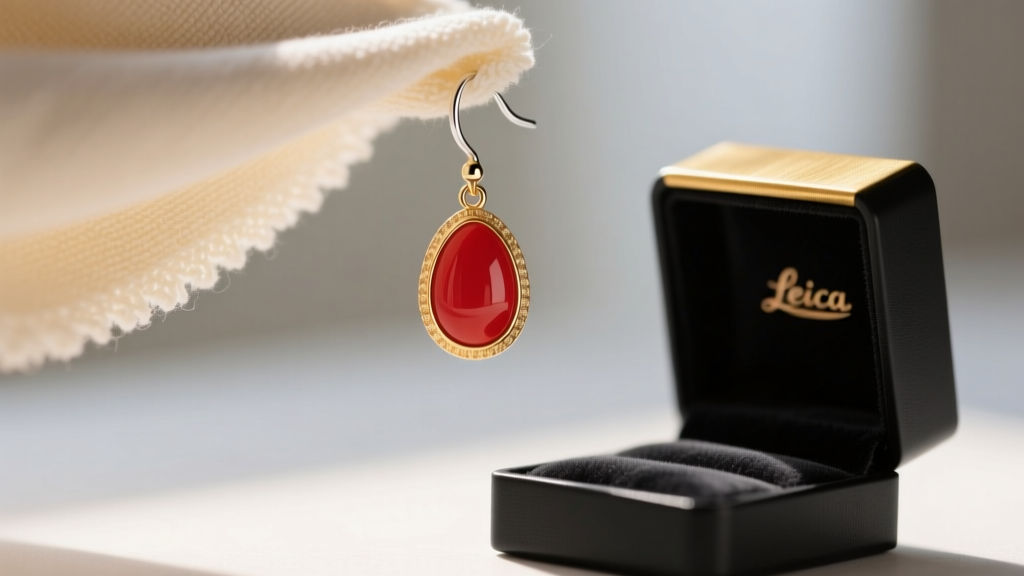
To clean your earrings, simply wipe them gently with a soft, slightly damp microfiber cloth after wearing. Allow them to air dry completely before storing them in a soft pouch. Storing coral in an airtight plastic bag can sometimes trap moisture or cause the gem to dry out and crack; a breathable fabric pouch inside a wooden jewelry box is ideal.
Sizing, Gauges, and Face Shape Styling
When selecting the physical style of your earrings, you must consider both the weight of the gemstone and the anatomy of your ear. Standard lobe piercings are typically done at 20-gauge (0.81mm) or 18-gauge (1.02mm). Because genuine red coral is relatively heavy compared to hollow metals or plastic imitations, large coral dangles should be fitted with thicker 18-gauge or even 16-gauge (1.29mm) gold hooks. Using a thin 20-gauge wire to support a heavy coral teardrop will cause the wire to bend and can lead to painful lobe stretching or tearing over time.
From a styling perspective, the bold, opaque nature of red coral makes it a powerful statement piece. If you have a round face shape, opt for elongated coral drop earrings set in sleek gold wire; the vertical lines will help elongate your facial features. Conversely, if you have a square or angular jawline, large, round coral cabochon studs or curved gold huggies featuring small coral inlays will soften your profile and draw attention to your eyes. For beginners entering the corporate or formal space, a simple 6mm or 8mm round coral stud in an 18K gold bezel offers a sophisticated pop of color that remains entirely appropriate for professional environments.
Final Thoughts for First-Time Buyers
Investing in your first pair of authentic red coral and gold earrings is a rewarding entry into the world of organic gemstones. The key to a successful purchase lies in prioritizing transparency and craftsmanship. Always buy from jewelers who adhere to the strict disclosure guidelines set forth by organizations like the American Gem Trade Association (AGTA). Demand to know the exact species of coral, the origin of the material, and any treatments it has undergone.
By understanding the gemological differences between Mediterranean and bamboo coral, selecting the appropriate gold karat for your setting, and committing to the strict care routines required for porous gems, you will secure a piece of jewelry that is not only visually stunning but capable of being passed down as a cherished heirloom. Red coral is a testament to the beauty of the natural world; treat it with the respect it deserves, and it will reward you with a lifetime of vibrant, warm elegance.


