What Is the Gauge of Regular Earrings? A Cleaning & Care Guide
Discover what is the gauge of regular earrings and how post thickness impacts your cleaning routine, ear health, and long-term piercing maintenance.

Why Earring Gauge Dictates Your Cleaning Routine
When curating an ear stack or managing a fresh piercing, most enthusiasts obsess over metal types, gemstone cuts, and aesthetic placement. However, the structural foundation of your ear health relies on a metric that is frequently misunderstood: the gauge. Understanding the biomechanics of your jewelry is not just a matter of comfort; it is the cornerstone of effective piercing maintenance. In 2026, modern dermatological and professional piercing standards emphasize that your cleaning protocols must adapt to the physical dimensions of your jewelry. If you have ever wondered, what is the gauge of regular earrings, and how that specific thickness influences tissue stress, sebum buildup, and healing timelines, this comprehensive care guide will provide the exact specifications you need to maintain optimal ear health.
What Is the Gauge of Regular Earrings? The Core Metrics
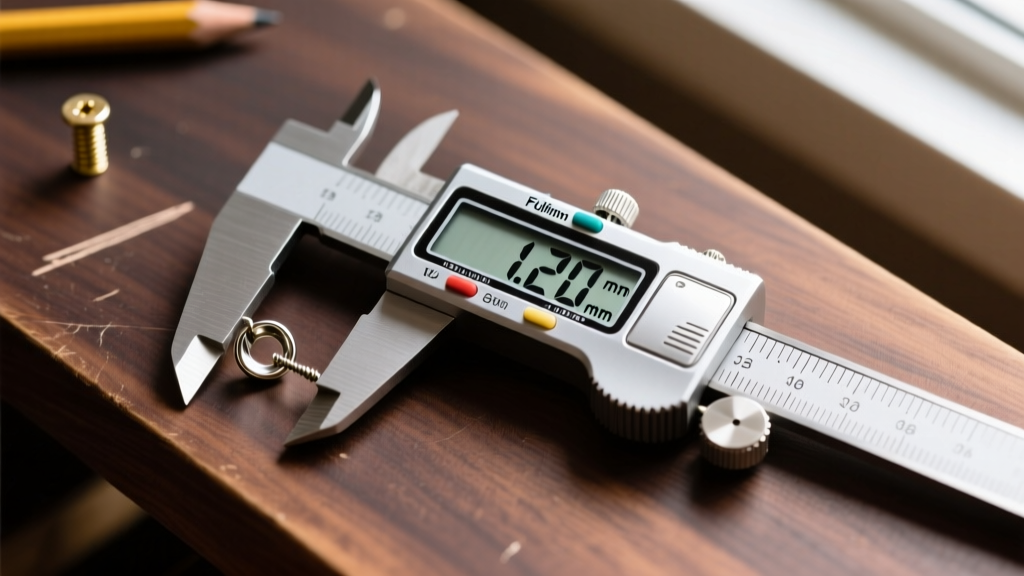
The term "gauge" (often abbreviated as "g" or "ga") refers to the thickness of the earring post or wire that passes through the fistula (the tube of scar tissue forming the piercing hole). The gauge system is inverse: the higher the number, the thinner the jewelry. To properly clean and maintain your piercings, you must first identify the baseline dimensions of your jewelry.
| Gauge Size | Millimeter (mm) | Typical Application | Cleaning Consideration |
|---|---|---|---|
| 22g | 0.64mm | Mass-market fashion studs, ultra-thin wires | High risk of tissue slicing; requires gentle handling during cleaning. |
| 20g | 0.81mm | Standard mall-kiosk lobe piercings, butterfly-back studs | Tight fistula; prone to trapping dead skin cells and sebum. |
| 18g | 1.02mm | Standard professional lobe piercings, some cartilage | Allows minimal saline flow; requires targeted flushing. |
| 16g | 1.29mm | Professional standard for lobes, helix, and tragus | Ideal fistula size for saline flushing and debris removal. |
| 14g | 1.63mm | Healed lobe stretching, industrial bars, daith | Excellent airflow and saline circulation; easiest to maintain. |
According to the Association of Professional Piercers (APP), while 20g is often considered the "regular" gauge for commercial, mass-produced fashion earrings, professional piercers almost universally recommend 16g or 14g for initial lobe piercings to ensure structural stability and long-term tissue health.
How Gauge Thickness Impacts Ear Health and Maintenance
The thickness of your earring post directly alters the micro-environment of your fistula. Ignoring this relationship is a primary cause of chronic irritation, contact dermatitis, and localized infections.
The "Cheese-Cutter" Effect and Tissue Stress
When you wear ultra-thin earrings (22g or 20g), especially heavy dangles or hoops, the weight of the jewelry is distributed across a microscopic surface area. This creates a phenomenon known in the body modification community as the "cheese-cutter effect." The thin wire slowly migrates downward through the lobe tissue, causing micro-tears. When cleaning an ear suffering from this stress, applying even mild friction with a cotton swab can exacerbate the tearing. Thicker gauges (14g and 16g) distribute weight evenly, preserving the integrity of the fistula and making routine cleaning a painless, non-irritating process.
Fistula Buildup and Sebum Traps
The fistula naturally sheds dead skin cells and produces sebum (an oily substance secreted by sebaceous glands). In a 20g piercing, the gap between the jewelry and the skin is incredibly narrow. This tight space acts as a trap for sebum, dead skin, and soap residue, leading to the notorious "ear cheese" odor. Conversely, a 16g or 14g post leaves a slightly larger micro-gap within the fistula, allowing for natural airflow and making it significantly easier to flush out debris using liquid saline.
Step-by-Step Cleaning Protocols Based on Gauge Size
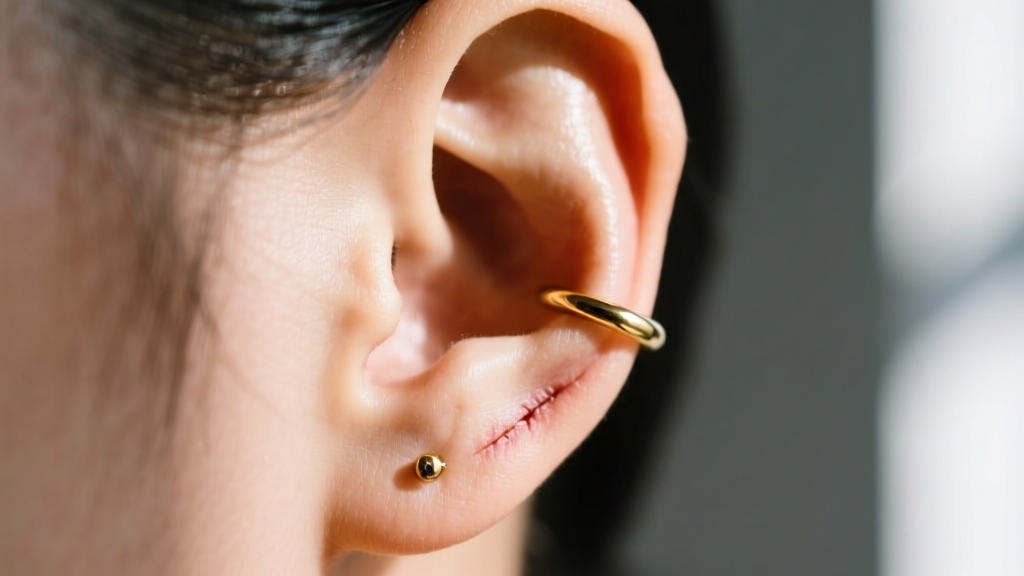
The current 2026 consensus among dermatologists and professional piercers strictly advises against using rubbing alcohol, hydrogen peroxide, or tea tree oil, as these destroy fibroblasts (the cells responsible for tissue repair) and dry out the fistula. Instead, rely on sterile 0.9% sodium chloride wound wash. However, your application method should change based on your earring gauge.
Protocol for Standard Thin Gauges (20g - 22g)
- Preparation: Wash hands thoroughly with antimicrobial soap.
- Application: Spray sterile saline onto a non-woven sterile gauze pad. Avoid cotton balls, as microscopic fibers can wrap around thin 20g posts and become embedded in the tight fistula.
- Cleaning Motion: Gently wipe the entry and exit points. Do not forcefully spin or rotate thin posts, as this acts like a saw against the delicate inner tissue.
- Drying: Use a hairdryer on the "cool" setting to dry the area. Thin posts trap moisture against the skin, which can lead to fungal or bacterial overgrowth if left damp.
Protocol for Professional Thick Gauges (16g - 14g)
- Preparation: Wash hands and ensure the saline solution is at room temperature.
- Flushing: Because the fistula is wider, you can spray the sterile saline directly onto the piercing site, allowing the liquid to flow through the fistula channel to flush out internal sebum buildup.
- Mobilization: While the saline is softening the debris, gently glide the 16g or 14g post back and forth (a millimeter or two) to dislodge internal dead skin cells.
- Drying: Pat dry with a clean paper towel or use non-woven gauze, followed by a cool air dry.
Material Grades and Gauge: Preventing Corrosion
The gauge of your earring also dictates how susceptible the metal is to structural failure and galvanic corrosion. Thin 20g wires made from low-grade "surgical steel" or mystery alloys contain high levels of nickel. When exposed to the slightly acidic pH of human sebum and saline cleaning solutions, these thin wires can rapidly corrode, creating microscopic pits that harbor bacteria and trigger severe allergic contact dermatitis.
"For initial piercings and long-term wear, the APP recommends only implant-grade metals, such as ASTM F-136 titanium, which are highly resistant to corrosion and do not contain nickel."
— Association of Professional Piercers (APP)
When wearing thicker 14g or 16g jewelry, the sheer volume of the metal provides structural durability, but you must still insist on Implant-Grade Titanium (ASTM F-136) or Niobium. These materials will not react with your cleaning solutions, ensuring that your maintenance routine focuses solely on hygiene rather than managing metal-induced inflammation.
Troubleshooting Common Gauge-Related Ear Issues
Even with meticulous care, misunderstanding your earring gauge can lead to specific complications. Here is how to troubleshoot them using modern aftercare standards, such as those outlined by the Mayo Clinic.
| Complication | Likely Gauge Culprit | Actionable Solution |
|---|---|---|
| Persistent "Ear Cheese" Odor | 20g or 22g (Tight fistula trap) | Upgrade to a 16g titanium post to allow the fistula to expand slightly, enabling proper saline flushing and sebum removal. |
| Lobe Migration / Thinning Tissue | 22g or 20g (Cheese-cutter effect) | Remove heavy dangles immediately. Switch to a 14g or 16g flat-back labret stud to redistribute weight and halt tissue tearing. |
| Localized Redness & Itching | Any thin gauge in cheap alloy | Thin wires corrode faster. Discard the jewelry and switch to ASTM F-136 Implant-Grade Titanium. Cleanse with sterile saline only. |
| Irritation Bumps (Granulomas) | 18g or 16g hoop (Movement friction) | Hoops rotate, introducing bacteria into the fistula. Switch to a flat-back labret stud of the exact same gauge to stabilize the tissue. |
Final Thoughts on Earring Maintenance
Ultimately, answering the question of what is the gauge of regular earrings reveals a critical truth about jewelry care: thickness is just as important as material composition. While commercial fashion brands default to 20g to save on manufacturing costs, transitioning your everyday ear stack to 16g or 14g implant-grade titanium is the single most effective upgrade you can make for your ear health. By matching your cleaning protocols to the physical dimensions of your jewelry—utilizing targeted saline flushing for thicker gauges and gentle, fiber-free wiping for thinner wires—you ensure that your piercings remain healthy, odor-free, and structurally sound for a lifetime of wear.


