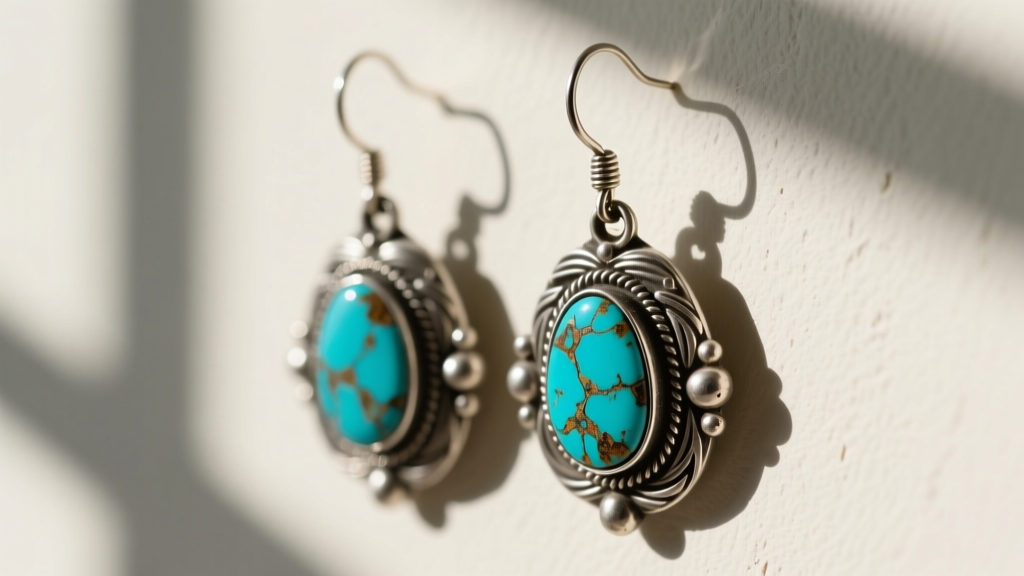
How to Remove a Stuck Earring: Emergency Pre-Event Guide
Learn how to remove a stuck earring safely before a big event. Expert troubleshooting for friction, screw, and clicker backs to wear your new gift.

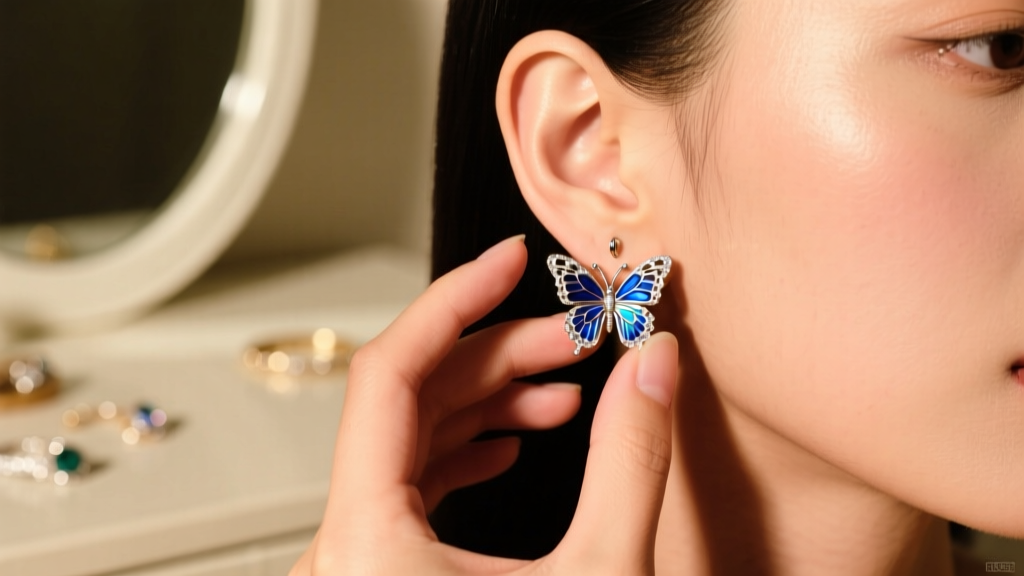
The Pre-Event Earring Swap: When Sentimental Pieces Get Stuck
You have just received a breathtaking pair of platinum diamond drop earrings for your anniversary, or perhaps a set of 18k gold huggies as a graduation gift. The occasion is tonight, your outfit is flawless, and you are ready to insert your new luxury pieces. There is just one problem: your everyday "sleeper" earrings are completely jammed. Whether it is a calcified friction back, a cross-threaded screw post, or a hinged clicker ring swollen shut by humidity, you are suddenly facing a wardrobe malfunction. Knowing how to remove a stuck earring without causing tissue trauma or missing your event is a critical skill for any jewelry lover.
In 2026, high-end gifting has heavily leaned toward intricate, secure clasps and thicker gauge statement pieces, making the transition from everyday wear to occasion wear more complex. This guide bridges the gap between emergency piercing troubleshooting and occasion-matching, ensuring you can safely extract the old and seamlessly insert the new.
The Anatomy of a Jam: Why Earrings Get Stuck
Before applying force, it is vital to understand the mechanics of the jam. The fistula (the healed skin tube of your piercing) is highly reactive to pressure, debris, and gauge mismatches.
- Gauge Mismatch Friction: Standard lobe piercings are typically 20G (0.81mm) or 18G (1.02mm). If you are trying to remove an 18G earring that was forced into a 20G hole, the tissue compresses around the post, creating a vacuum seal against the backing.
- Sebum and Keratin Buildup: Over time, dead skin cells and natural oils calcify around the post and backing, essentially gluing the butterfly clutch to the earlobe.
- Cross-Threading: Common in luxury screw-backs, overtightening strips the micro-threads on the post, locking the backing in place.
- Thermal Expansion: Hinged segment rings (clickers) in cartilage can jam if exposed to sudden temperature changes or if microscopic debris enters the hinge mechanism.
According to the Association of Professional Piercers (APP), applying blunt force to a stuck post can cause micro-tears in the fistula, leading to hypertrophic scarring or contact dermatitis—exactly what you want to avoid hours before a major event.
Emergency Removal Protocols by Backing Type
Different earring mechanisms require specific, physics-based removal techniques. Skip the harsh soaps and use these professional methods.
1. Friction (Butterfly) Backs: The Dental Floss Method
If a standard push-back earring is wedged against a swollen earlobe, the dental floss trick is the gold standard. Take a piece of unflavored, unwaxed dental floss and thread it between the earlobe and the backing. Wrap the floss tightly around the metal post. Pull the ends of the floss forward (away from the head) while gently wiggling the backing backward. The floss acts as a wedge, breaking the suction and distributing pressure evenly so you do not tear the skin.
2. Screw-Backs: The Nitrile Grip Technique
Luxury diamond studs often feature screw-backs for security. If your fingers are slipping, do not use pliers—this will permanently mar the precious metal. Instead, put on a pair of textured nitrile or latex examination gloves. The rubber dramatically increases the friction coefficient. Grip the front stud firmly with your thumb and index finger to stabilize the post, and use your dominant hand to twist the backing counter-clockwise. If it resists, apply a single drop of pure jojoba oil to the thread junction and wait three minutes for capillary action to draw the lubricant into the threads.
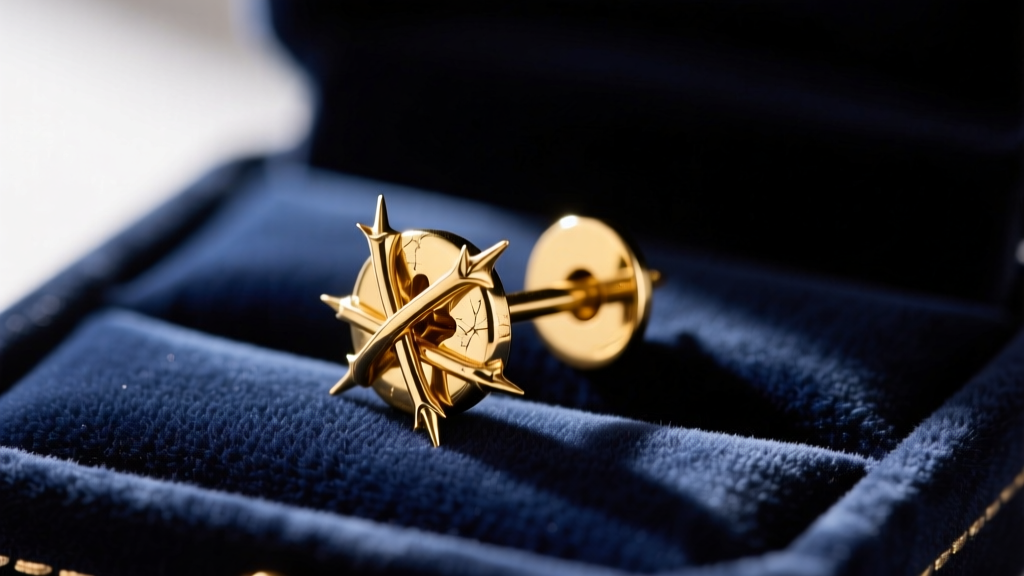
3. Hinged Clickers (Cartilage/Helicopters): The Warm Compress
Cartilage piercings (helix, tragus, daith) are notoriously prone to swelling. If a hinged hoop will not unclick, the tissue is likely swollen over the clasp. Soak a sterile gauze pad in warm saline solution and hold it against the ear for five minutes. The warmth encourages localized vasoconstriction and reduces tissue edema, while the saline breaks down crusties. Once dry, use two pairs of rubber-gloved hands to gently pull the hinged segment away from the receiving tube.
Expert Warning: Never use rubbing alcohol or hydrogen peroxide to lubricate a stuck earring. The American Academy of Dermatology (AAD) warns that these astringents dry out the fistula, increasing friction and the risk of tissue tearing.
The Post-Removal Gifting Guide: Matching the Occasion
Now that the stubborn everyday earring is safely removed, it is time to insert your gifted pieces. However, not every gifted earring suits every occasion. When curating or receiving jewelry gifts, matching the silhouette, material, and gauge to the event is crucial for both aesthetics and comfort.
| Occasion | Recommended Gift Style | Material & Gauge Specs | Styling Note |
|---|---|---|---|
| Black-Tie Wedding | Chandelier or Drop Earrings | Platinum or 18k White Gold; 18G post | Choose lever-backs for security during dancing; pairs best with updos. |
| Corporate Gala | Medium Diamond Huggies | 14k Yellow Gold; 16G hinged hoop | Offers a modern, authoritative look without the distraction of dangling movement. |
| Music Festival | Ear Cuffs & Helix Chains | Implant-Grade Titanium (ASTM F136) | Titanium prevents sweat-induced oxidation; cuffs require zero additional piercings. |
| Intimate Anniversary | Pearl or Sapphire Studs | 18k Rose Gold with Screw-Backs | Screw-backs ensure the sentimental heirloom is never lost during travel. |
As of 2026, luxury jewelers are increasingly prioritizing implant-grade titanium (ASTM F136) even in high-end gifting, as recipients become more educated about nickel allergies and metal sensitivities. When gifting for cartilage events, always verify the recipient's gauge—most modern helix piercings are done at 16G (1.2mm), whereas vintage piercings may be 18G.
Safeguarding High-End Gifting Pieces
Once you have successfully swapped your earrings, implement a maintenance routine to ensure your gifted pieces never become stuck in the future. High-end jewelry requires specific care to maintain the integrity of its clasps and posts.
- Monthly Thread Checks: For screw-backs, use a jeweler's loupe to inspect the threads. If you spot a burr or cross-threading, take it to a bench jeweler for re-tapping before it permanently locks.
- Friction Back Tensioning: Butterfly backs lose tension over time. Use a pair of nylon-jaw pliers to gently squeeze the loops of the backing inward, restoring the grip so you do not have to push them dangerously close to the earlobe to keep them secure.
- The Jojoba Routine: Once a week, apply a micro-drop of organic jojoba oil to the posts of your everyday and gifted earrings. Jojoba mimics human sebum, keeping the fistula lubricated and preventing the calcification that causes jams.
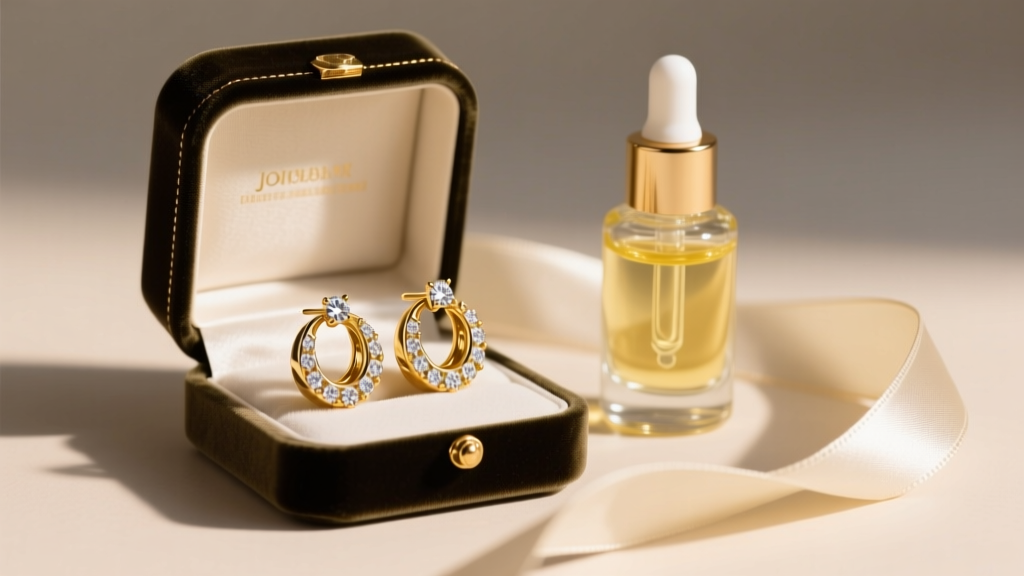
Final Thoughts on Earring Emergencies
Learning how to remove a stuck earring is about combining anatomical awareness with mechanical patience. By utilizing the dental floss wedge, the nitrile grip, and warm saline compresses, you can rescue your piercings from trauma and seamlessly transition into your occasion-ready gifting pieces. Remember, the hallmark of a true jewelry connoisseur is not just wearing luxury pieces, but knowing the precise mechanics of how to care for, remove, and style them for every milestone life throws your way.