Replacement Earring Backs: Budget vs Premium Value Guide
Discover if premium replacement earring backs are worth the cost. We compare silicone, friction, screw, and locking backs for security and budget.

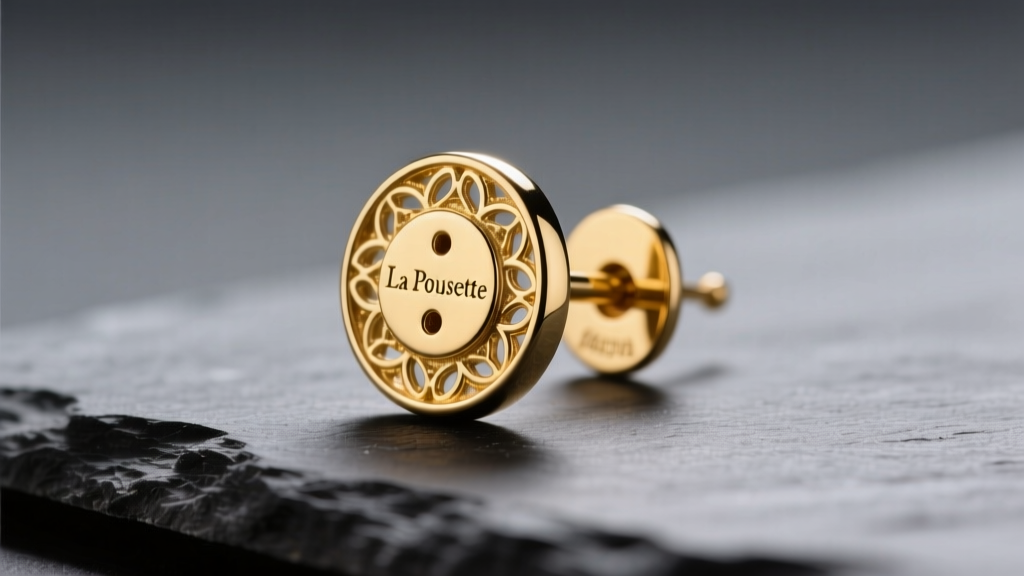
When investing in fine jewelry, the focal point is almost always the front: the diamond's cut, the gold's karat, or the gemstone's saturation. Yet, the structural integrity of your most prized studs relies entirely on a component that often costs less than a cup of coffee. The humble earring back is the unsung hero of jewelry security, and choosing the wrong one is a financial liability waiting to happen. As a core focus of our budget and value assessment series, we are putting replacement earring backs under the microscope to determine if upgrading from standard friction clutches to premium locking mechanisms is a necessary investment or an upsell.
The True Cost of Losing a Fine Jewelry Stud
To evaluate the value of replacement earring backs, we must first quantify the risk of failure. Consider a standard pair of 1-carat total weight (CTW) diamond stud earrings. Depending on the color and clarity, the replacement value of these stones typically ranges from $2,500 to $6,000. If you are securing a $4,000 asset with a $3 stamped-metal butterfly back, your security-to-asset ratio is dangerously skewed.
According to consumer protection data from the Jewelers Vigilance Committee, lost earrings represent a significant percentage of jewelry insurance claims, often stemming from mechanical failure of the backing rather than theft or physical trauma. When a standard friction back loses its tension, the earring slides off imperceptibly. Therefore, the budget assessment of replacement earring backs shouldn't just be about the upfront cost of the findings; it must be weighed against the catastrophic financial loss of the earring itself.
Material & Mechanism Breakdown: What You Are Paying For
Not all replacement earring backs are created equal. The price discrepancy between a $5 pack of silicone stoppers and a $150 pair of platinum locking clutches comes down to metallurgy, mechanical engineering, and manufacturing precision.
The Metallurgy of Tension
Friction backs rely on the "spring memory" of the metal. This is where karat weight becomes a functional issue, not just a purity metric. Pure 24k gold is too soft to hold tension. 18k gold (75% pure) is softer than 14k gold (58.5% pure) because it contains less alloyed copper and zinc. Consequently, an 18k gold butterfly back will lose its grip and stretch out much faster than a 14k or 10k gold back. When buying precious metal replacement earring backs, 14k gold or platinum actually offers superior mechanical longevity due to the stiffness of the alloys.
Silicone vs. Metal: The Polymer Problem
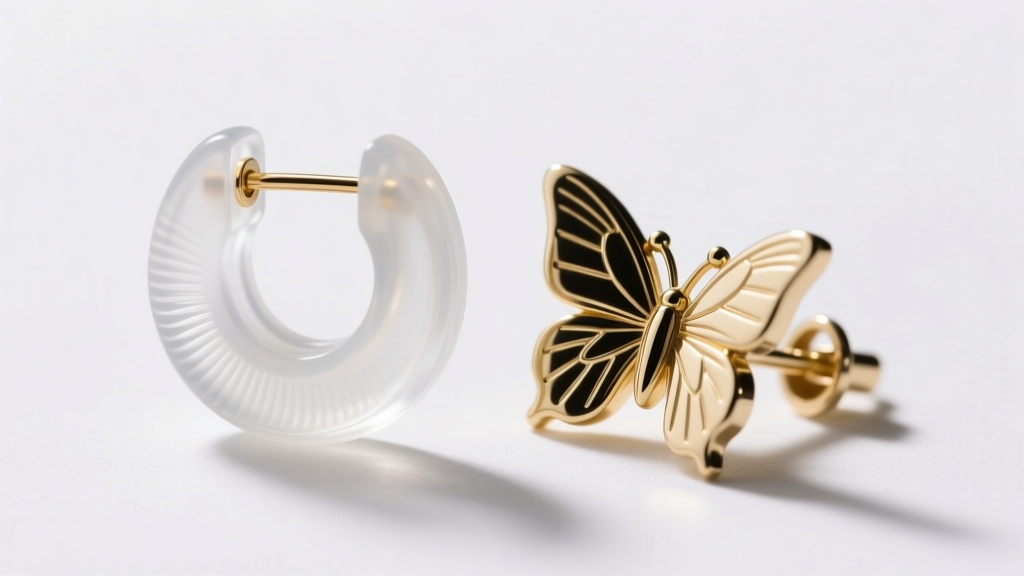
Silicone replacement earring backs are the undisputed champions of the budget category, often sold in bulk for under $10. However, they are a consumable product, not a permanent solution. Thermoplastic polyurethane (TPU) and medical-grade silicone degrade when exposed to human sebum, cosmetics, and UV light. Over 6 to 12 months, the plasticizers migrate out of the silicone, causing the back to turn yellow, become brittle, and eventually crack under the pressure of insertion.
Value Assessment: Budget vs. Premium Earring Back Types
To help you allocate your jewelry maintenance budget effectively, we have categorized the most common replacement earring backs by their cost, security profile, and ideal use case. The following data is sourced from wholesale pricing structures at major jewelry suppliers like Rio Grande.
| Back Type | Material | Avg. Retail Price (Pair) | Security Rating | Tension Longevity |
|---|---|---|---|---|
| Silicone Bullets | Medical-grade TPU | $3 - $8 | Low (Degrades) | 6 - 12 Months |
| Standard Friction (Butterfly) | 14k Gold / Surgical Steel | $15 - $35 | Medium | 2 - 5 Years |
| Screw Backs | 14k / 18k Gold | $40 - $80 | High | Lifetime (if cared for) |
| Locking Clutch (e.g., La Pousette) | 14k Gold / Platinum | $90 - $180 | Very High | Lifetime |
| Jumbo Comfort Discs | 14k Gold / Silicone core | $25 - $50 | Medium-High | 3 - 5 Years |
As the table illustrates, the jump from standard friction to screw backs represents the highest value-to-cost ratio for security. However, locking clutches offer unparalleled peace of mind for heavy or highly valuable pieces.
Failure Modes: Why Cheap Backs Cost More in the Long Run
Understanding how replacement earring backs fail is critical for assessing their true long-term value. A cheap back that ruins an expensive earring post or results in a lost diamond is a massive net negative for your wallet.
- Friction Back Tension Loss: Repeatedly pushing a standard butterfly back onto a post causes the metal loops to stretch. Once the internal diameter exceeds the post's gauge, the earring will fall off. Cheap stamped backs fail in months; CNC-machined backs last years.
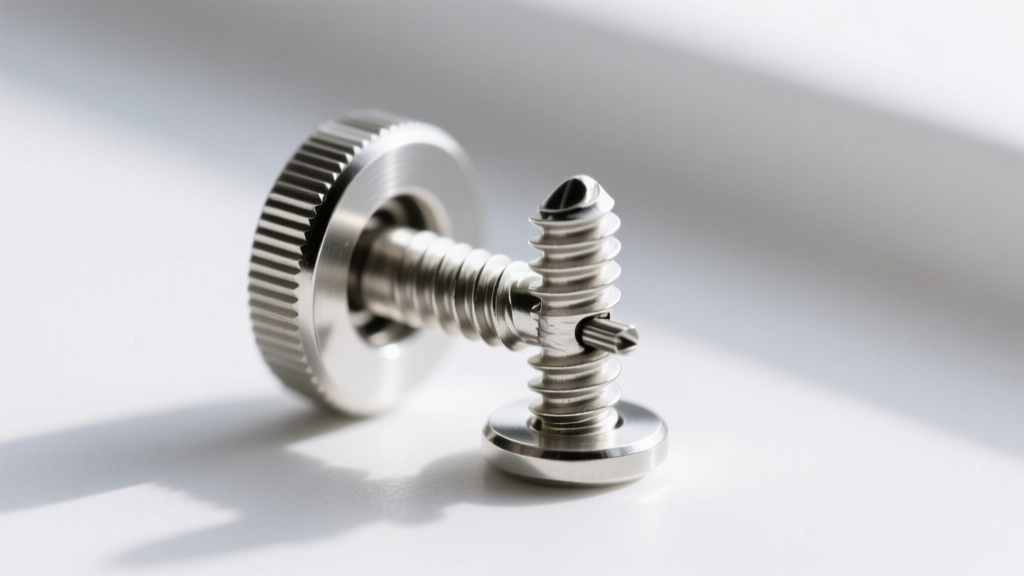
- Screw Back Cross-Threading: Screw backs are highly secure, but if forced at an angle, they will strip the threads on the earring post. Re-threading or replacing a solid gold post can cost $50 to $150 at a bench jeweler, entirely negating the initial savings of buying a budget earring.
- Silicone Snagging: Low-quality silicone backs often feature a rough internal mold line. This can act like a file against a soft gold post, shaving off microscopic layers of metal every time you remove the earring, eventually thinning the post to the point of snapping.
Sizing and Gauge Compatibility: The Hidden Dealbreaker
The most common mistake consumers make when buying replacement earring backs is ignoring wire gauge. Earring posts are not universally sized, and a mismatch will ruin both the back and the jewelry.
Standard Gauge Measurements
- 20-Gauge (0.81mm): The standard for most fine jewelry diamond studs and lightweight gold earrings.
- 18-Gauge (1.02mm): Common for heavier gemstone studs, pearl earrings, and some cartilage piercings.
- 16-Gauge (1.29mm): Standard for body jewelry, cartilage, and heavy statement pieces.
If you attempt to force an 18-gauge replacement earring back onto a 20-gauge post, you will permanently stretch the clutch, rendering it useless. Conversely, sliding a 20-gauge back onto an 18-gauge post will result in a loose, spinning fit that offers zero security. Always measure your earring post with a digital caliper or consult your jeweler before purchasing premium replacement backs.
The Verdict: Where to Spend and Where to Save
Our budget and value assessment concludes that the "right" replacement earring back is entirely dependent on the asset value and weight of the earring it secures. Here is our actionable decision framework:
The Golden Rule of Earring Backs: Never spend less than 2% to 5% of the earring's total replacement value on its security mechanism.
When to Buy Budget (Silicone & Standard Friction)
Reserve silicone and basic stamped friction backs for fashion jewelry, lightweight hollow gold hoops, and earrings valued under $300. They are perfectly adequate for low-stakes wear and can be replaced cheaply when they degrade.
When to Invest in Premium (Screw & Locking Clutches)
If you are wearing diamond studs over 0.50 CTW, heavy South Sea pearls, or vintage heirloom pieces, premium replacement earring backs are non-negotiable. The $120 investment in a pair of platinum La Pousette locking clutches is a fractional insurance premium that guarantees your $5,000 earrings stay exactly where they belong. Furthermore, for individuals with active lifestyles or those who frequently change clothes (where fabric snagging is a primary cause of earring loss), the mechanical lock of a screw or clutch back provides indispensable value.
Ultimately, assessing the value of replacement earring backs requires looking past the initial price tag. By matching the mechanical security of the back to the financial and sentimental value of the earring, you ensure that your jewelry remains a lasting investment rather than a costly lesson in gravity.


