How to Authenticate and Restore Vintage JCM China Earrings
Learn how to authenticate, clean, and restore vintage JCM China earrings with our expert step-by-step guide for costume jewelry collectors.

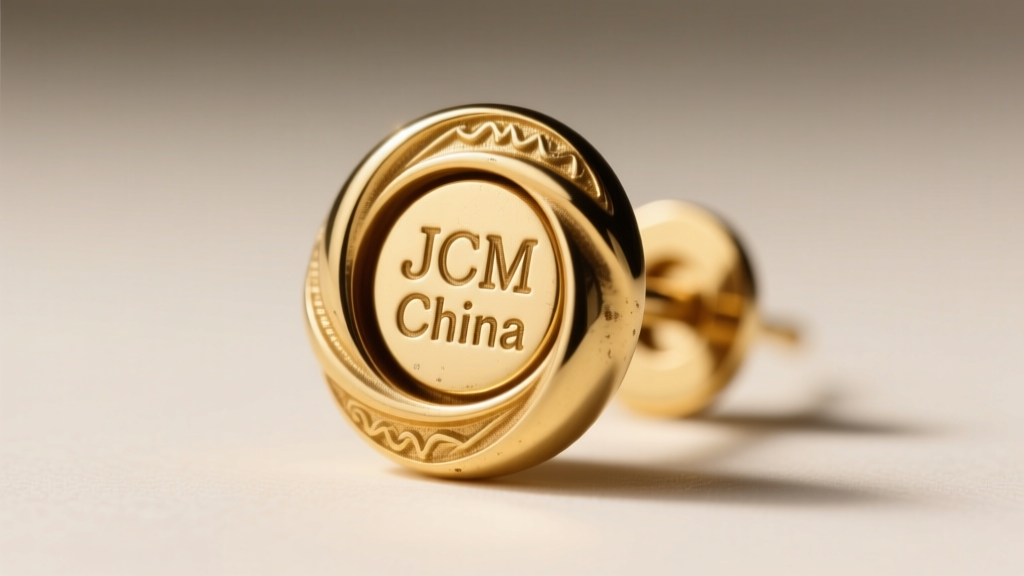
Understanding the JCM China Maker's Mark
For vintage jewelry collectors and estate sale enthusiasts, the 'JCM China' stamp is a frequent and fascinating discovery. Found primarily on the reverse side of clip-on earrings, screw-backs, and pierced posts from the late 1980s through the 1990s, this maker's mark represents a specific era of mass-produced, high-quality costume jewelry. But what exactly does it mean, and how should you care for these pieces?
The 'JCM' stamp is widely attributed to Jacoby-Melby, a prominent New York-based jewelry importer and manufacturer that supplied department stores and boutiques across the United States. The addition of the word 'China' is a direct result of U.S. customs regulations. According to the Lang Antiques jewelry mark database, the Tariff Act of 1930 required all imported goods to be marked with their country of origin. However, it wasn't until the late 1980s and early 1990s that enforcement on jewelry became strict enough to mandate the permanent stamping or tagging of the country of manufacture directly on the metal findings. Therefore, a 'JCM China' stamp reliably dates your earrings to the late 20th century, distinguishing them from earlier, unmarked mid-century pieces.
Step-by-Step Guide to Authenticating JCM Earrings
Because JCM earrings were mass-produced, they are not typically counterfeited. However, distinguishing genuine vintage JCM pieces from modern, unmarked reproductions requires a trained eye. Follow these steps to verify your earrings.
Step 1: Locate and Analyze the Stamp
Use a 10x jeweler's loupe to inspect the earring back. On clip-ons, the stamp is usually located on the flat metal paddle or the hinge mechanism. On pierced earrings, look along the post or the base of the butterfly clutch. The genuine JCM stamp is typically die-struck into the metal, meaning the letters will have sharp, clean edges and uniform depth. If the stamp looks laser-etched or blurry, it may be a later reproduction.
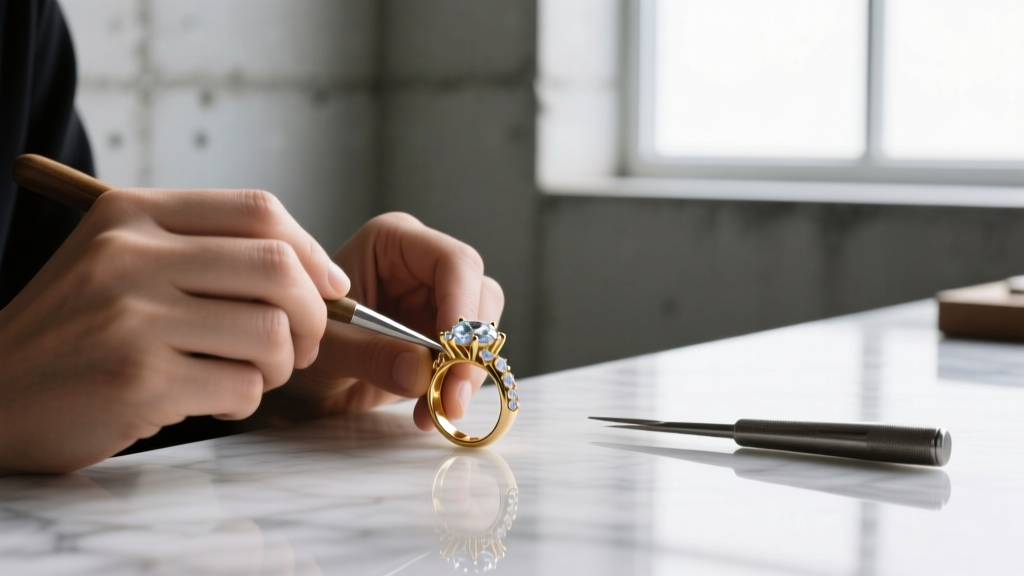
Step 2: Perform the Magnet Test
JCM primarily used brass, pewter, or white metal alloys as base materials for their gold and silver electroplated jewelry. None of these base metals are magnetic. Hold a strong neodymium magnet near the earring body. If the earring is attracted to the magnet, it contains a steel or iron core, which is highly uncharacteristic of genuine JCM manufacturing and indicates a different origin or a modern replica.
Step 3: Examine the Rhinestone Settings
JCM was known for utilizing high-quality glass rhinestones, often with foil backing to enhance brilliance. Inspect the settings closely. Authentic vintage pieces will feature precise metal prongs folded over the edges of the stone, or a clean, minimal application of jeweler's epoxy. Modern mass-market replicas often feature stones that are haphazardly glued with visible, cloudy adhesive seeping out from the edges.
Material Breakdown: What Are JCM Earrings Actually Made Of?
To properly care for your earrings, you must understand their material composition. JCM specialized in costume jewelry, meaning the intrinsic value lies in the design and craftsmanship rather than the raw materials. Below is a breakdown of the standard materials used in their production.
| Component | Typical Material | Characteristics & Vulnerabilities |
|---|---|---|
| Base Metal | Brass or Pewter Alloy | Provides weight and durability; prone to green oxidation if plating wears off. |
| Plating | Gold Electroplate (often 14K HGE) | Microscopic layer of gold; highly susceptible to flaking if exposed to ammonia or friction. |
| Stones | Lead Glass Rhinestones | High refractive index; foil backings will turn black or peel if exposed to moisture. |
| Findings | Steel Springs (in clip-ons) | The only magnetic component; provides the tension for the clip-on mechanism. |
Understanding this matrix is critical. As noted by vintage jewelry experts at Ruby Lane, treating electroplated brass as if it were solid gold is the most common mistake collectors make, leading to irreversible damage to the plating.
How to Safely Clean Gold-Plated and Rhinestone JCM Earrings
Never use ultrasonic cleaners, ammonia-based glass cleaners, or silver dip solutions on JCM earrings. Ultrasonic waves will shatter the glue holding the rhinestones, and harsh chemicals will instantly strip the gold electroplate. Follow this safe, step-by-step cleaning protocol:
- Prepare the Solution: Mix three drops of mild, phosphate-free dish soap (like Dawn) into a bowl of lukewarm distilled water. Avoid tap water, as chlorine and hard minerals can leave microscopic spots on the plating.
- Surface Wipe: Dip a lint-free microfiber cloth into the solution, wring it out until it is barely damp, and gently wipe the metal surfaces of the earring. Do not submerge the earrings.
- Detailing the Stones: Use an extra-soft baby toothbrush dipped lightly in the soapy water to gently brush the tops of the rhinestones. Keep the brush moving to avoid pushing water under the stone settings where the foil backing resides.
- Rinsing: Dampen a fresh cloth with plain distilled water and wipe away any soap residue.
- Drying: Immediately pat the earrings dry with a clean microfiber towel. Use a hair dryer on the 'cool' setting to blow out any trapped moisture from the crevices of the settings.
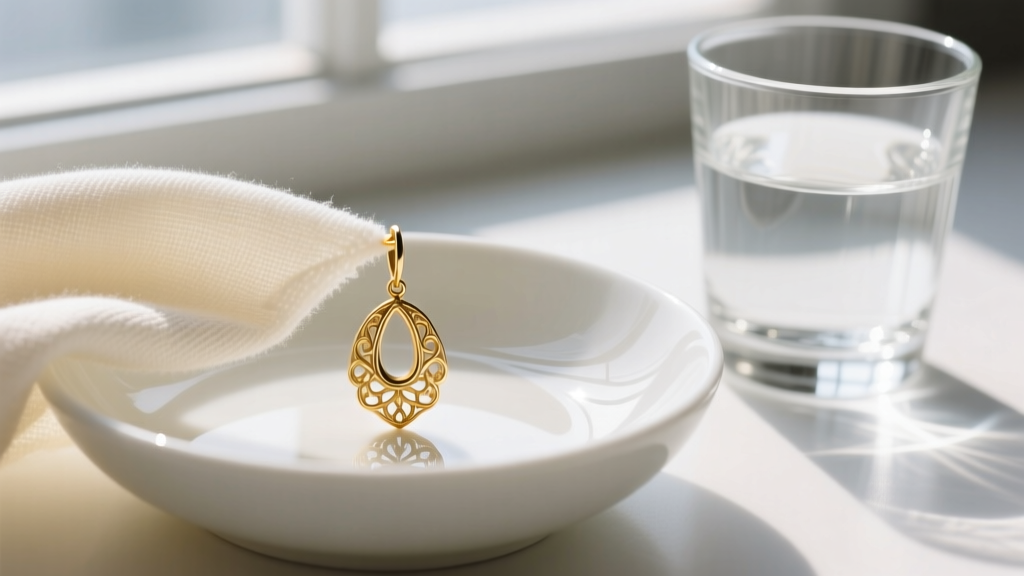
Restoring Damaged Clip-Ons and Pierced Posts
Vintage JCM earrings have survived decades of wear, which often leads to mechanical fatigue in the findings. Here is how to restore their functionality without damaging the finish.
Adjusting Clip-On Tension
Over time, the metal hinge on clip-on earrings can loosen, causing them to fall off, or become too tight, causing earlobe pain. To adjust the tension, use nylon-jaw pliers. The nylon coating prevents the teeth of the pliers from scratching the delicate gold plating. Gently squeeze the sides of the clip mechanism to increase tension, or carefully pry it open slightly to decrease it. If the metal paddle is missing its comfort pad, you can purchase self-adhesive silicone clip-on pads online to restore wearability.
Re-Gluing Loose Pierced Posts
If the post on a pierced JCM earring has snapped or detached from the base, do not use Super Glue (cyanoacrylate), which dries brittle and leaves a cloudy white residue. Instead, clean both the post and the earring base with rubbing alcohol to remove skin oils. Apply a microscopic drop of E6000 Jewelry and Bead Adhesive or G-S Hypo Cement to the base. Press the post into place, hold it firmly for 60 seconds, and let it cure on a flat surface for 24 hours before wearing.
Valuation and Selling Your JCM Collection
While JCM China earrings are not fine jewelry, they hold a distinct place in the vintage costume jewelry market. Their value is driven by design complexity, condition, and current fashion trends. Standard, unembellished gold-plated hoops or simple clip-ons typically sell in the $12 to $25 range on platforms like Etsy or eBay. However, elaborate, multi-tiered drop earrings featuring intact, high-quality aurora borealis (AB) rhinestones or intricate filigree work can command between $45 and $85. Rare, deadstock (new old stock) pieces with original department store tags can occasionally exceed $120. When selling, always photograph the maker's mark clearly and disclose any wear to the gold plating, particularly on the high-contact areas of the clip-on paddles.
Final Thoughts on Vintage Care
Owning a pair of JCM China earrings is like holding a piece of late-20th-century fashion history. By understanding the materials, respecting the electroplating process, and performing gentle, targeted maintenance, you can ensure these vintage treasures remain vibrant and wearable for decades to come. Always store your cleaned earrings in individual anti-tarnish flannel pouches to prevent the metal pieces from scratching one another in your jewelry box.


