How to Get Earring Out of Sink Drain: A Step-by-Step Rescue Guide
Learn exactly how to get an earring out of a sink drain safely. Step-by-step P-trap retrieval, tool guides, and gemstone protection tips inside.

The Panic Moment: Immediate Triage
There are few feelings worse than the faint clink of a diamond stud or a favorite 14k gold hoop slipping through the metal grate of your bathroom sink. When you are figuring out how to get earring out of sink drain systems, your first instinct might be to turn on the faucet to flush it down or pour a chemical drain cleaner to dissolve the clog. Stop immediately. Running water will push the earring past the P-trap and into the main sewer line, making retrieval nearly impossible without a professional plumber's snake. Chemical cleaners, on the other hand, can permanently ruin porous gemstones and degrade certain metal alloys.
As jewelry and plumbing intersect in this highly specific emergency, you need a strategy that respects both the mechanical anatomy of your sink and the material science of your earrings. Below is a comprehensive, step-by-step rescue guide to retrieve your lost jewelry safely, assessing everything from pop-up rod entanglements to P-trap disassembly.
Phase 1: Assess the Situation and Your Earring's Materials
Before reaching for tools, identify what exactly fell down the drain and what it is made of. Bathroom sinks typically feature a 1.25-inch or 1.5-inch drain pipe. Small items like butterfly friction backs, screw-backs, and delicate studs easily pass through the grate but get trapped in the bio-sludge and hair matrix inside the plumbing. Hoops and dangle earrings often get wedged horizontally just below the stopper.
The Chemical Warning
If you suspect the earring is stuck, never use caustic drain cleaners (which typically contain sodium hydroxide or sulfuric acid) to clear the path. According to the Gemological Institute of America (GIA), porous and organic gemstones are highly susceptible to chemical damage. Sodium hydroxide can strip the natural oils from emeralds, dissolve the calcium carbonate structure of pearls, and cause severe crazing or cracking in opals due to rapid dehydration and heat generation.
| Material | Mohs Hardness | Chemical Reaction Risk | Retrieval Verdict |
|---|---|---|---|
| Diamond / Sapphire | 9.0 - 10.0 | Low (Stone is safe, but prongs may degrade if base metal) | Manual retrieval safe |
| Emerald (Oil-Treated) | 7.5 - 8.0 | High (Alkalis strip cedar oils, leaving fractures visible) | Avoid chemicals entirely |
| Pearl (Organic) | 2.5 - 4.5 | Severe (Acids/Alkalis dissolve nacre and ruin luster) | Immediate manual rescue |
| 14k / 18k Gold | 2.5 - 3.0 | Moderate (Alloyed metals like copper/zinc can oxidize) | Manual retrieval, polish later |
| Gold-Plated Brass | N/A | Severe (Brass core will rapidly corrode in bio-sludge) | Urgent manual rescue |
Phase 2: The Wet/Dry Vacuum Technique (Non-Invasive)
If the earring dropped recently and you have not run any water, it is likely sitting in the U-bend of the P-trap or caught on the pop-up pivot rod. Before dismantling the plumbing, try suction.
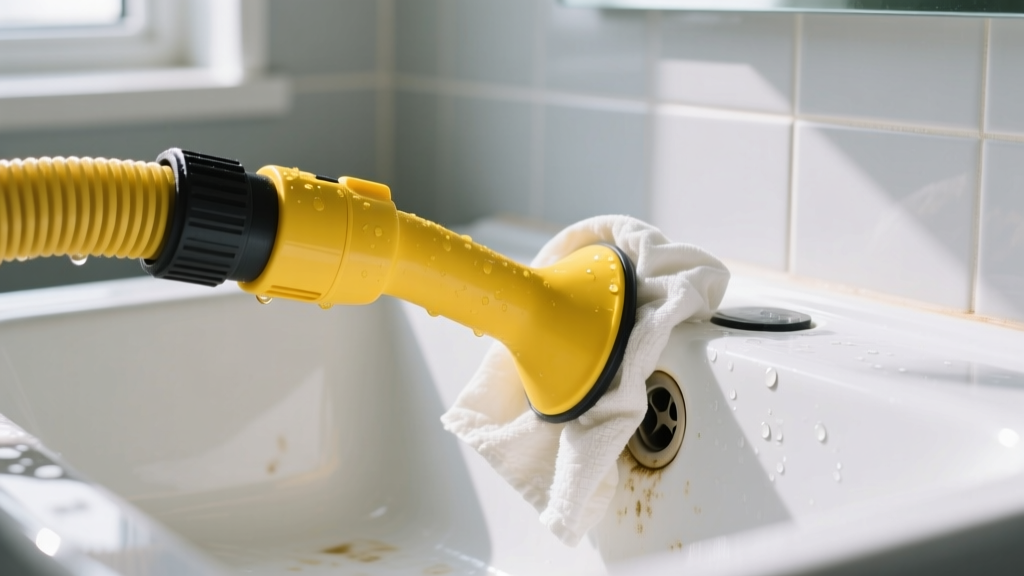
Step-by-Step Vacuum Extraction
- Prepare the Vacuum: Use a wet/dry Shop-Vac (standard household vacuums will burn out if they ingest water). Remove the internal paper filter and ensure the tank is empty.
- Create a Seal: The hose of a Shop-Vac is usually much wider than a 1.25-inch sink drain. Take a damp microfiber cloth or a thick wet rag, drape it over the drain opening, and push the vacuum hose into the rag. This creates an airtight gasket.
- Apply Suction: Turn on the vacuum for 15 to 20 seconds. The intense negative pressure is often enough to pull a lightweight stud or a hollow hoop up through the grate or dislodge it from the pivot rod hair-catch.
- Inspect the Tank: Turn off the vacuum and check the tank. If you hear a rattle, you have successfully retrieved the piece.
Phase 3: The Pop-Up Pivot Rod (The Hidden Culprit)
If the vacuum fails, do not immediately assume the earring is deep in the pipes. In 60% of bathroom sink jewelry losses, the item is tangled in the pop-up assembly. The horizontal pivot rod that controls your drain stopper protrudes directly into the water stream. Hair, dental floss, and soap scum wrap around the ball-end of this rod, creating a net that snags earring backs and small hoops.
Extracting the Pivot Rod
- Look under the sink and locate the horizontal rod connected to the back of the drain tailpiece.
- Using your fingers or slip-joint pliers, unscrew the small retaining nut (usually plastic or chrome-plated brass) where the rod enters the pipe.
- Gently pull the pivot rod straight back and out of the pipe.
- Inspect the ball-end of the rod. You will likely find a matrix of hair and biofilm. Carefully pick through this debris with tweezers to locate your earring or earring back.
- Reinsert the rod, hand-tighten the retaining nut, and test the stopper mechanism.
Phase 4: P-Trap Disassembly (The Surefire Method)
If the earring bypassed the pivot rod, it is resting in the P-trap—the U-shaped pipe beneath the sink designed to hold a water seal and block sewer gases. According to plumbing experts at This Old House, the P-trap is specifically intended to be removable for cleanouts and retrieval of dropped objects.
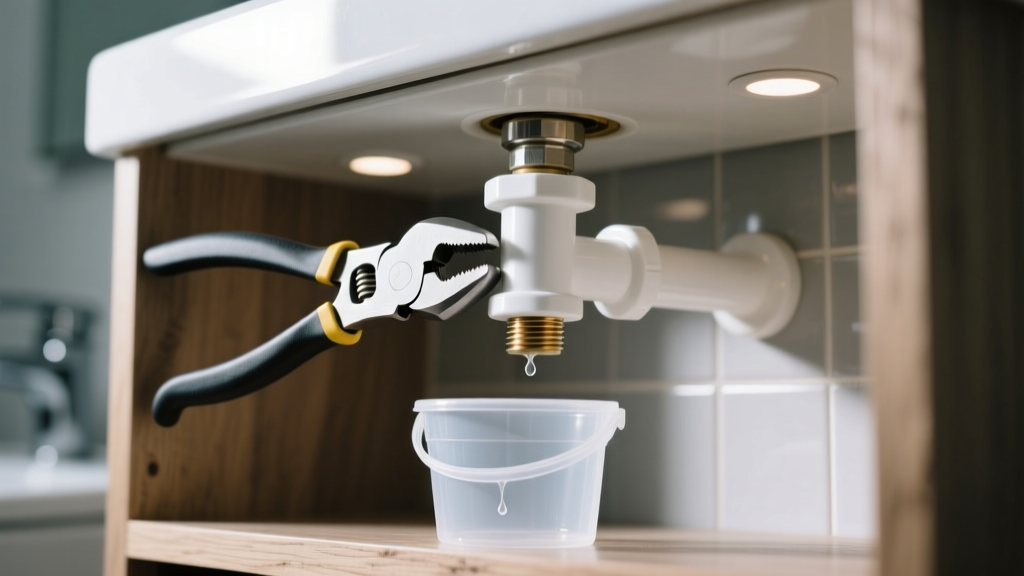
Tools Required
- Slip-joint pliers (Channellocks) or a strap wrench (for chrome pipes to prevent scratching)
- A small plastic bucket or mixing bowl
- Old towels
- Plumber's grease or Teflon tape (for reassembly)
Step-by-Step P-Trap Removal
- Clear the Area: Place your towels and bucket directly beneath the U-bend of the P-trap.
- Loosen the Slip Nuts: Use your slip-joint pliers to grip the slip nuts on either side of the U-bend. Turn counter-clockwise. If the nuts are hand-tightened PVC, you may be able to loosen them by hand.
- Drain the Water: As you pull the U-bend away, the standing water seal (usually about 1/2 cup of foul-smelling water) will dump into your bucket.
- Inspect and Retrieve: Shine a flashlight into the U-bend. The heavy metal of a gold or silver earring will usually sink to the lowest point of the curve, while lightweight fashion jewelry might be suspended in the sludge. Dump the contents into the bucket and sift through carefully.
- Reassemble: Clean the slip nut threads and the pipe ends. Ensure the nylon or rubber slip washers are seated correctly (beveled side facing the nut). Hand-tighten the nuts, then give them a quarter-turn with the pliers. Run water to check for leaks.
Phase 5: Post-Rescue Sanitization and Jewelry Care
Once you have successfully navigated how to get earring out of sink drain plumbing, the piece will be covered in biofilm, soap scum, and bacteria. Proper sanitization is critical, but you must avoid damaging the jewelry during the cleaning process.
Expert Warning: Never place a freshly retrieved earring directly into an ultrasonic jewelry cleaner. The high-frequency vibrations can loosen prongs that may have been stressed during the drop, and the heat can permanently fracture temperature-sensitive stones like opals or tanzanite.
The Safe Cleaning Protocol
- Initial Rinse: Rinse the earring under warm (not hot) running water to remove loose debris.
- Soap Soak: Mix a few drops of mild, phosphate-free dish soap (like Dawn) into a bowl of lukewarm water. Let the earring soak for 10 minutes to break down the bio-sludge.
- Gentle Agitation: Use a brand-new, extra-soft baby toothbrush to gently sweep the back of the setting, the post, and the butterfly clutch. Pay special attention to the crevices where the post meets the basket setting.
- Disinfection (Metal Only): If the earring is solid 14k/18k gold, platinum, or surgical steel without porous gems, you can wipe the post with a cotton swab dipped in 70% isopropyl alcohol to ensure it is fully sanitized before re-wearing. Do not use alcohol on pearls, emeralds, or opals.
- Drying: Pat dry with a lint-free microfiber cloth. Ensure the post is completely dry to prevent moisture from getting trapped against the earlobe, which can cause contact dermatitis or localized infections.
Preventative Measures for the Future
To avoid repeating this stressful process, consider installing a mesh drain catcher specifically designed for bathroom sinks. These sit beneath the metal pop-up stopper and catch jewelry while allowing water to flow freely. Additionally, make it a strict habit to remove your earrings before washing your face or applying skincare routines, placing them in a dedicated ceramic jewelry dish rather than resting them on the edge of the sink where a slight bump can send them straight down the drain.


