How to Get an Earring Out of a Sink Drain: Expert Rescue Guide
Lost your favorite stud? Learn how to get an earring out of a sink drain safely with our expert P-trap retrieval guide and jewelry trend analysis.

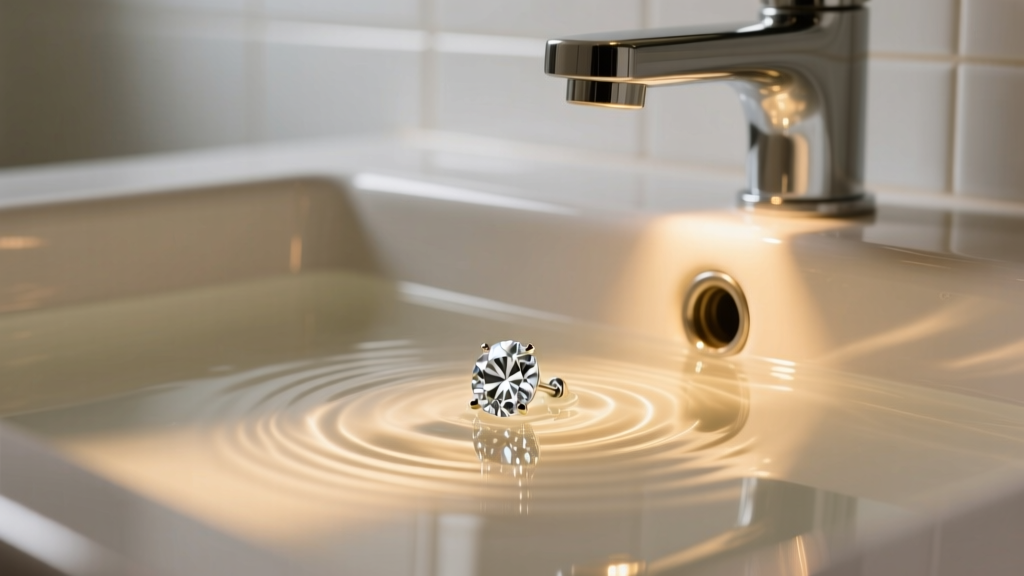
The Micro-Jewelry Trend: Why Drains Are Winning in 2026
The modern "curated ear" aesthetic has driven a massive surge in micro-jewelry. While visually stunning, this trend presents a unique hazard: standard bathroom sink strainers feature holes ranging from 3mm to 5mm. A typical 20-gauge earring post is merely 0.81mm thick, and an 18-gauge post is 1.02mm. Even a 14-gauge post (1.6mm) easily slips through the grid. The real culprit, however, is the earring head or decorative end. A 3mm micro-stud diamond, a delicate 5mm gold huggie, or a threadless jewelry end can effortlessly bypass the strainer if the backing fails or the pin bends.
According to industry data, the shift toward frictionless and threadless jewelry styles has inadvertently increased sink-side losses. When a piece falls onto a hard porcelain or stone countertop, the impact often dislodges the delicate 1.2mm pin of a threadless end, sending it rolling directly into the abyss. Understanding how different earring backs function is the first step in both prevention and retrieval.
Immediate Triage: The Golden Rules of Sink Retrieval
If you just watched your favorite 14k gold stud vanish down the drain, your adrenaline is likely spiking. Before you act, you must follow these critical triage rules to prevent permanent damage to both your plumbing and your jewelry.
- Do NOT run the water. The P-trap (the U-shaped pipe beneath your sink) is designed to hold a small seal of water to block sewer gases. Your earring is almost certainly sitting in this 1-2 cup reservoir. Running water will flush it past the trap arm and into the main waste line, turning a 10-minute retrieval into a plumber's nightmare.
- Do NOT use chemical drain cleaners. Products containing sodium hydroxide (lye) or bleach will violently oxidize the copper and silver alloys in 14k and 18k gold, turning them black. Sterling silver will tarnish instantly. Furthermore, porous gemstones like opals, pearls, and emeralds will be permanently etched and destroyed by caustic chemicals.
- Do NOT use a wire hanger. Blindly poking a wire down the drain will likely push the earring out of the P-trap or scratch your gemstone's pavilion.
Method 1: The Wet/Dry Vac & Mesh Technique (Non-Invasive)
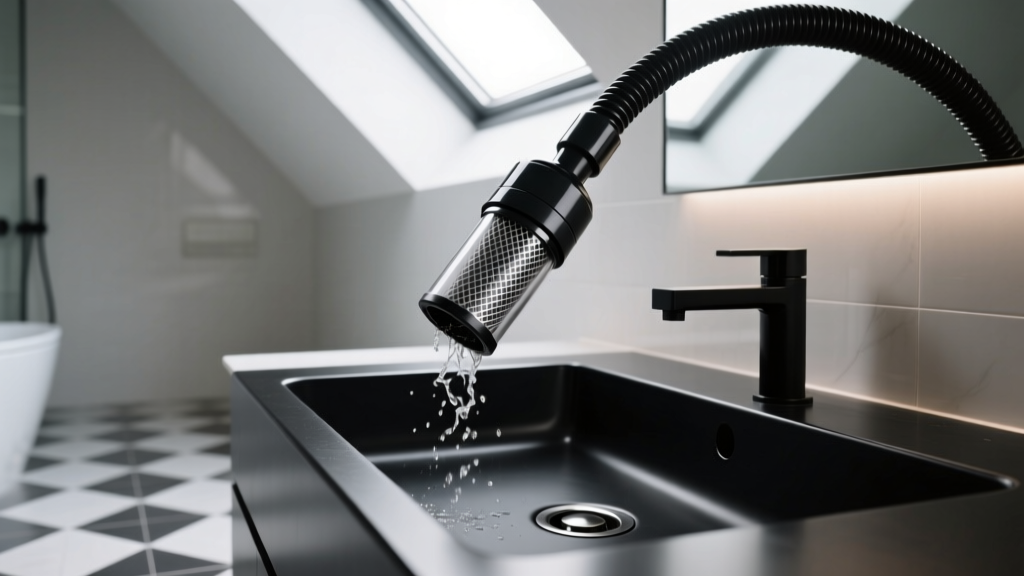
If the earring fell recently and you haven't run the water, the suction method is your best non-invasive option. This works exceptionally well for lightweight items like hollow gold hoops or 20-gauge titanium threadless ends.
- Take a wet/dry shop vacuum and remove the internal paper filter (leave the foam sleeve if present).
- Stretch a piece of fine mesh, pantyhose, or a thin cotton cloth over the vacuum hose nozzle.
- Secure the mesh tightly with a rubber band or zip-tie. This creates a catch-net so the earring doesn't get sucked into the vacuum's motor housing.
- Turn the vacuum on and press the nozzle directly over the drain opening, creating a tight seal with your hand or a wet rag.
- Hold for 15-20 seconds. The high static pressure and suction will often pull the water—and the earring—up through the strainer and catch it against the mesh.
Method 2: The P-Trap Extraction (The 100% Success Method)
If the vacuum method fails, or if the earring is heavy (like a solid platinum drop earring or a large diamond cluster), it has sunk to the lowest point of the U-bend. Extracting the P-trap is a fundamental plumbing skill that requires zero specialized tools and takes under five minutes. As outlined by The Spruce's plumbing experts, modern PVC and ABS traps are designed for hand-assembly.
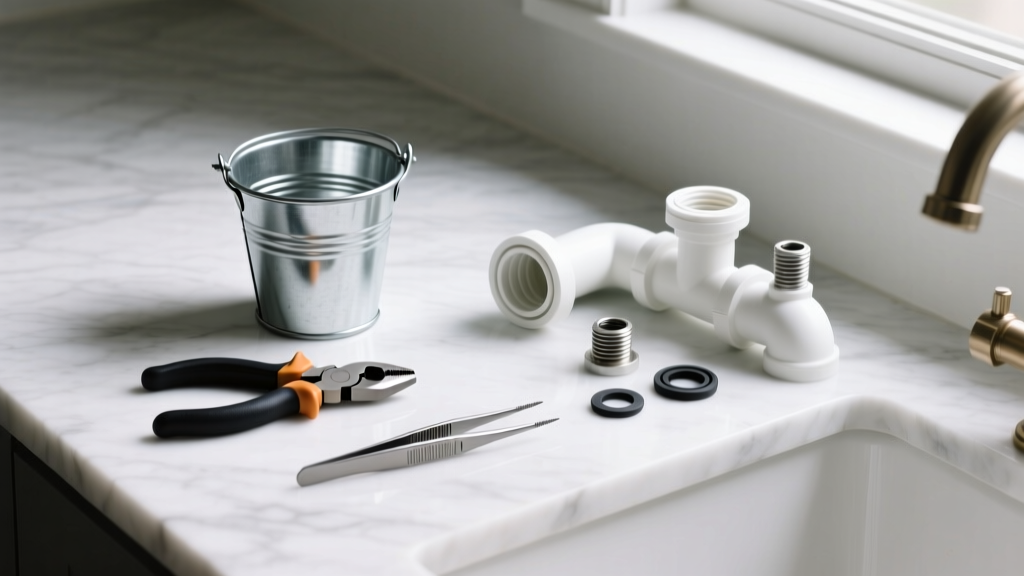
Step-by-Step P-Trap Removal
- Clear the Cabinet: Remove all cleaning supplies from under the sink and place a small plastic bucket or bowl directly beneath the U-shaped P-trap.
- Loosen the Slip Nuts: Locate the two slip nuts connecting the trap to the tailpiece (vertical pipe) and the trap arm (horizontal pipe going into the wall). Try to unscrew them by hand. If they are overtightened, use slip-joint pliers (Channellocks), but wrap the jaws in a microfiber cloth to prevent cracking or scratching the PVC.
- Drain and Inspect: Carefully lower the trap, allowing the standing water to empty into your bucket. Shine a flashlight into the U-bend.
- Retrieve the Earring: Use a pair of silicone-tipped tweezers to extract the jewelry. Avoid metal-on-metal scraping, which can damage delicate prong settings or scratch high-polish finishes.
- Reassemble with Care: Ensure the beveled side of the internal slip washers is facing toward the trap arm. Hand-tighten the nuts, then give them a quarter-turn with pliers. Run the water for 10 seconds to check for leaks.
Material Science: Magnetism and Chemical Vulnerability
Many viral internet hacks suggest dropping a magnet down the drain to retrieve lost jewelry. However, understanding the metallurgical composition of fine jewelry reveals why this rarely works. According to the GIA Gem Encyclopedia, precious metals used in high-end earrings have specific magnetic and chemical properties.
| Metal Type | Magnetic? | Vulnerability to Drain Cleaners |
|---|---|---|
| Stainless Steel (Surgical) | Yes (Weakly) | Low (may pit over time) |
| White Gold (Nickel Alloy) | Slightly | High (strips rhodium plating) |
| 14k / 18k Yellow Gold | No | Moderate (tarnishes copper alloys) |
| Platinum (950) | No | Low (highly resistant) |
| Sterling Silver (925) | No | Extreme (blackens instantly) |
Note: If your earring features a steel post but a gold-plated head, a magnetic retrieval tool on a flexible wire might work, but it will likely scratch the plating. The P-trap method remains the safest route for all fine jewelry.
The Style Shift: Upgrading Your Earring Backs
The trauma of losing a valuable earring down the drain is driving a distinct style and manufacturing shift in 2026. Jewelers and piercing artists are moving away from standard "butterfly" friction backs, which degrade over time as the metal loops stretch and accumulate sebum.
"We are seeing a massive demand for La Pousette locking backs and screw-in threadless ends. Clients who have experienced the 'sink drop' panic are willing to pay a premium for mechanical security over simple friction," notes a senior bench jeweler.
Top Secure Backs for Sink-Side Wear
- La Pousette Backs: Function like a camera lens cap. You squeeze two tiny tabs to slide the back on, and it locks into a grooved post. Virtually impossible to fall off accidentally.
- Screw Backs: The post is threaded (usually 18g or 16g). The back screws on, requiring intentional rotational force to remove.
- Threadless (Push-Pin) with Bent Pin: Standard in modern cartilage piercings. The pin must be bent at a 15-degree angle before insertion to create internal tension. If it falls out, the pin is likely straight and needs re-bending with pliers.
Prevention: Sink-Side Organization Trends
Interior design trends in 2026 heavily feature integrated sink-side jewelry catch trays. Modern vanities are being designed with built-in, felt-lined alcoves or magnetic ceramic dishes specifically placed away from the splash zone. If your vanity lacks this, investing in a weighted, silicone-based jewelry dish that grips the countertop is a vital preventive measure. Never balance a 20-gauge micro-stud on the edge of a wet porcelain sink while washing your face; the risk-to-reward ratio is simply too high.
Final Thoughts
Knowing how to get an earring out of a sink drain is an essential skill for any jewelry lover. By skipping the caustic chemicals, utilizing the wet-vac trick, or confidently dismantling your P-trap, you can rescue your favorite pieces without calling a plumber. More importantly, use the scare as an opportunity to upgrade your earring backs to modern, locking mechanisms that keep your curated ear safe, secure, and entirely out of the plumbing.


