How to Choose Rose Gold Dangle Earrings: A Buyer's Guide
Discover how to choose the perfect rose gold dangle earrings. Our buying guide covers karat weights, clasp types, weight limits, and face shapes.

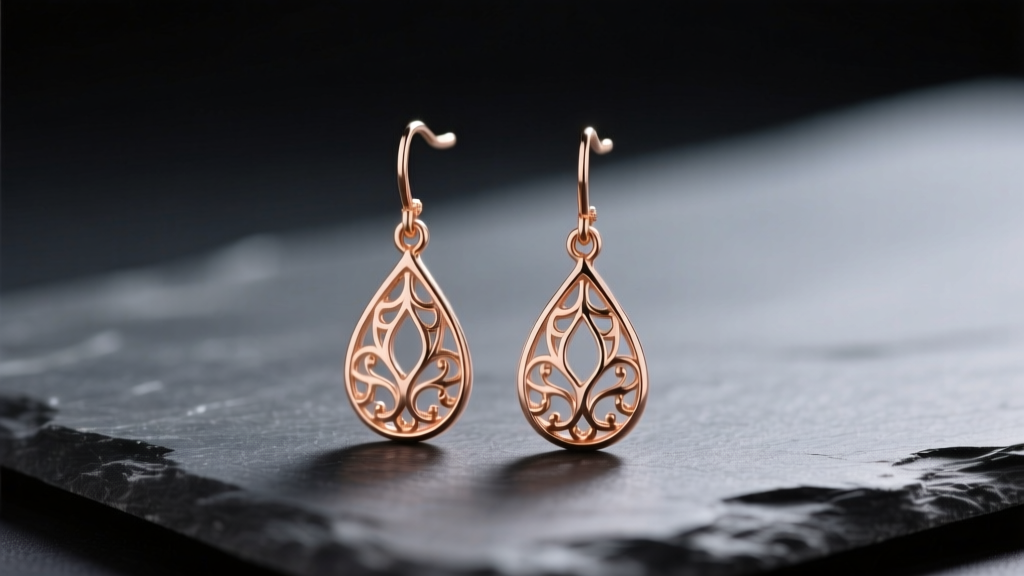
Rose gold dangle earrings occupy a unique space in fine jewelry, blending the romantic, vintage warmth of copper-infused alloys with the kinetic, face-framing movement of drop silhouettes. As we navigate the 2026 jewelry market, buyers are increasingly prioritizing ergonomic designs, hypoallergenic metallurgy, and sustainable sourcing over sheer carat weight. However, purchasing dangle earrings requires a deeper understanding of physics and anatomy than buying standard studs. The pendulum effect of a dangling charm places unique stress on the earlobe, making alloy composition, clasp mechanics, and weight distribution critical factors in your decision.
This comprehensive buying guide breaks down the exact specifications you need to evaluate before investing in rose gold dangle earrings, ensuring your purchase is as comfortable as it is captivating.
Decoding the Alloy: 14k vs. 18k Rose Gold
Unlike yellow or white gold, rose gold does not exist in nature. Its signature blush hue is entirely dependent on the copper-to-silver ratio mixed with pure gold. According to the Gemological Institute of America (GIA), the karat weight dictates not only the price but the depth of the pink color and the metal's tensile strength.
| Specification | 14k Rose Gold | 18k Rose Gold |
|---|---|---|
| Gold Content | 58.3% | 75.0% |
| Copper Content | ~31.0% | ~22.25% |
| Silver/Zinc | ~10.7% | ~2.75% |
| Color Profile | Deep, salmon-pink | Soft, romantic peach |
| Durability | Highly scratch-resistant | Softer, prone to micro-scratches |
| Best For | Intricate filigree dangles | Solid, minimalist geometric drops |
Expert Insight: If you are buying dangle earrings with delicate, lace-like filigree work, opt for 14k rose gold. The higher copper and zinc content increases the alloy's hardness, allowing the thin wires to hold their shape without bending when snagged on clothing. For solid, heavy teardrops, 18k offers a richer, more luxurious luster that complements the smooth surface area.
Clasp Mechanics and Earlobe Ergonomics
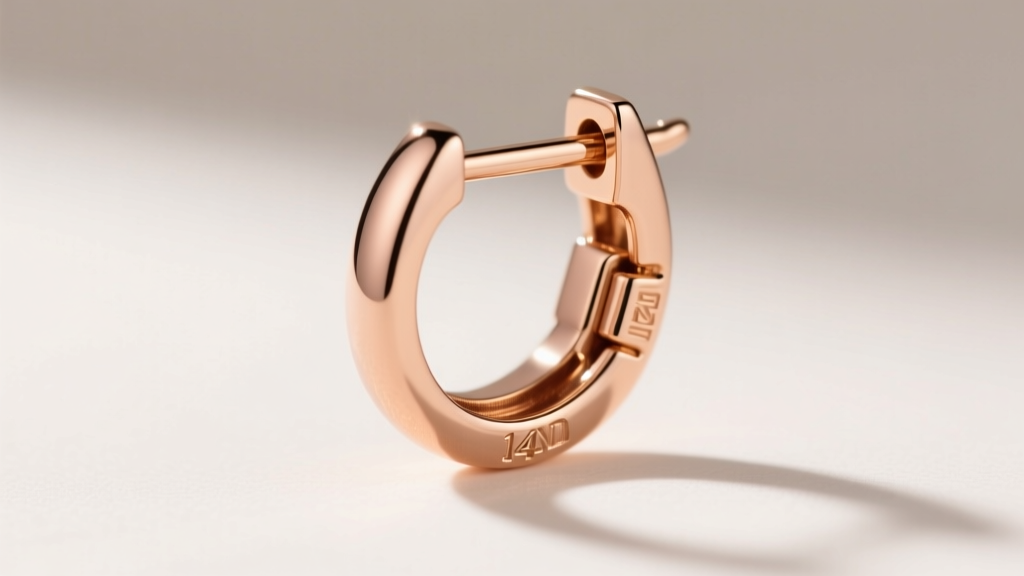
The most overlooked aspect of buying dangle earrings is the clasp. Because dangles swing, they generate kinetic leverage that pulls on the piercing fistula. Selecting the wrong clasp can lead to lost earrings or, worse, permanent earlobe stretching.
The Weight Thresholds
- Under 4 grams: Ideal for all-day wear. Suitable for standard French wires (shepherd hooks).
- 4 to 8 grams: Moderate weight. Requires a secure leverback or a French wire with a silicone stopper to prevent the earring from slipping out during movement.
- Over 8 grams: Heavy statement pieces. Prolonged wear (6+ hours) will cause lobe fatigue. These must feature an Omega-back or a specialized locking leverback to distribute the weight across the back of the earlobe, rather than concentrating it entirely on the piercing hole.
Avoid: Standard butterfly push-backs on dangle earrings. The friction post is not designed to handle the lateral torque generated by a swinging charm, leading to warped posts and lost jewelry.
Proportion Matrix: Matching Dangles to Face Shapes
Dangle earrings are powerful tools for manipulating facial proportions. The terminal end (the bottom tip) of the earring draws the eye, so its placement relative to your jawline is crucial.
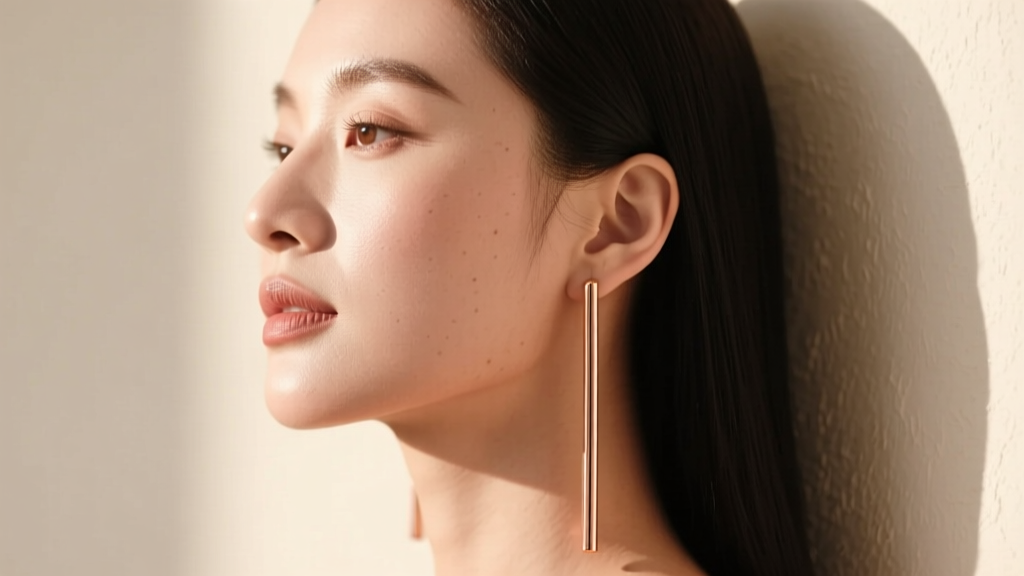
- Round Faces: Avoid circular hoops or short, bulbous drops that end at the cheekbone. Look for linear, rectangular, or elongated teardrop rose gold dangles that terminate below the jawline to create a visual lengthening effect.
- Square Faces: Soften strong jawlines with curved silhouettes. Oval drops, organic floral motifs, or fluid, asymmetrical liquid-metal designs in 18k rose gold work beautifully to offset angularity.
- Heart Faces: Balance a narrower chin with chandelier dangles or teardrops that are wider at the bottom than the top. The volume at the base of the earring adds visual weight to the lower half of the face.
- Oval Faces: The universal shape. You can confidently wear any style, from minimalist bar dangles to elaborate, multi-tiered chandelier pieces.
Pricing Tiers: What You Are Actually Paying For
When shopping for rose gold dangle earrings in 2026, understanding the pricing architecture prevents overpaying for branded markup or underpaying for mislabeled alloys.
- Demi-Fine ($80 - $250): Typically features 14k gold vermeil (a thick layer of 14k rose gold over a sterling silver core). Excellent for trend-driven, seasonal dangles, but the gold layer will eventually wear down at high-friction points like the clasp hinge.
- Solid Fine Jewelry ($400 - $1,500): Solid 14k or 18k rose gold without a base metal core. This is the sweet spot for heirloom-quality dangles. You are paying for the raw melt value of the gold plus the artisan's labor for casting and polishing.
- High Jewelry ($3,000+): Incorporates precision-set diamonds or rare gemstones (like Padparadscha sapphires, which perfectly complement the peach tones of rose gold). The price is driven by the gemological rarity and the micro-pave setting techniques required to secure the stones in a moving dangle.
Care Protocols for Copper-Rich Alloys
The copper that gives rose gold its beautiful color also makes it susceptible to oxidation and environmental reactions. According to dermatological guidelines on contact dermatitis from the American Academy of Dermatology, while pure gold is hypoallergenic, the copper and zinc in rose gold alloys can occasionally cause localized skin discoloration or irritation if the metal is exposed to harsh chemicals.
The Cleaning Rule: Never use commercial silver dips or harsh ultrasonic cleaners on rose gold, especially if the dangles feature porous gemstones like opals, pearls, or turquoise. The chemicals can strip the copper patina, leaving the metal looking brassy and yellow.
Proper Maintenance: Clean your rose gold dangles using a few drops of mild, phosphate-free dish soap in lukewarm water. Use a baby-soft toothbrush to gently agitate the crevices of the clasp and jump rings, where lotion and dead skin cells accumulate. Dry immediately with a microfiber cloth to prevent water spotting.
The Final Pre-Purchase Checklist
Before finalizing your purchase, run the earrings through this rapid diagnostic checklist:
- Hallmark Verification: Is the post stamped with '585' (14k) or '750' (18k)?
- Clasp Security: Does the leverback snap shut with an audible click, or does the French wire have a deep enough curve to prevent slipping?
- Weight Check: Is the weight under 8 grams per ear for comfortable all-day wear?
- Termination Point: Does the bottom of the dangle flatter your specific jawline and face shape?
- Surface Finish: Are the jump rings (the tiny loops connecting the charm to the wire) soldered shut to prevent the dangle from detaching?
By prioritizing metallurgical integrity and ergonomic design over fleeting trends, you ensure your rose gold dangle earrings remain a comfortable, stunning staple in your jewelry rotation for decades to come.