Rowan Hypoallergenic Earrings: 2026 Style & Trend Analysis
Discover 2026 trends for Rowan hypoallergenic earrings. Explore implant-grade titanium, 14k gold styles, and curated ear stacking tips.

The Evolution of Sensitive Ear Styling in 2026
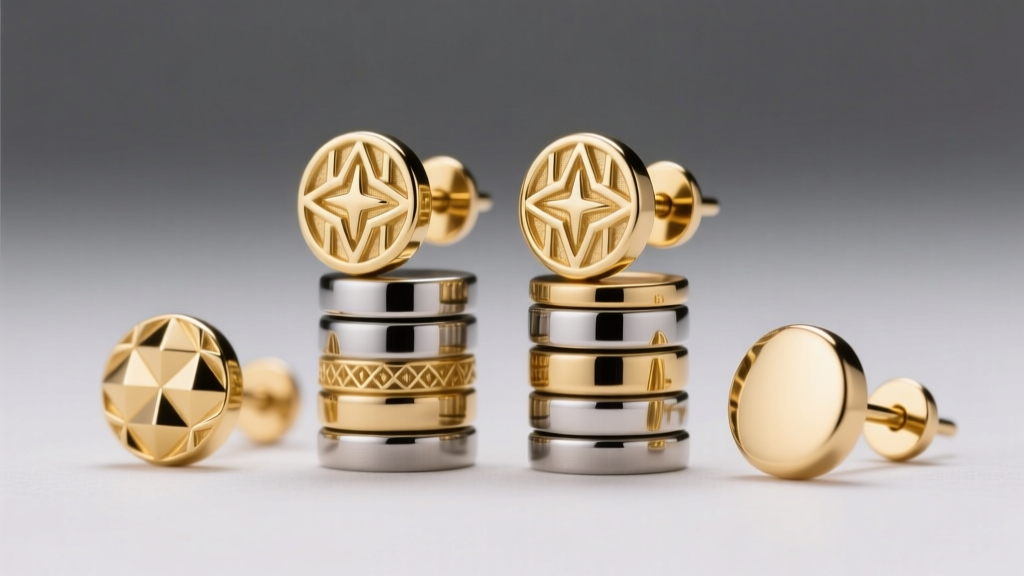
The landscape of fine jewelry for sensitive ears has undergone a radical transformation. Historically, hypoallergenic earrings were relegated to clinical, utilitarian designs—basic surgical steel studs meant strictly for healing fresh piercings. However, as we navigate the 2026 jewelry market, the demand for high-fashion, sensitive-skin-safe pieces has skyrocketed. Rowan hypoallergenic earrings have emerged at the intersection of dermatological safety and curated ear aesthetics, leading a market shift that refuses to compromise on either style or biocompatibility.
Today’s consumers are highly educated on material science. They understand that 'surgical steel' is often a marketing misnomer that can still contain nickel, triggering contact dermatitis. Consequently, the modern curated ear project relies heavily on premium, nickel-free alternatives. This analysis breaks down the material integrity, emerging styling trends, and precise sizing metrics that define the Rowan hypoallergenic earring ecosystem this year.
Material Breakdown: What Makes Rowan Truly Hypoallergenic?
To understand the value proposition of premium hypoallergenic jewelry, we must first examine the biological mechanism of metal allergies. According to the Mayo Clinic, nickel allergy is an immune system reaction where the body mistakenly identifies nickel ions as a harmful substance (a hapten), leading to localized inflammation, erythema, and weeping skin. Because up to 20% of the global population exhibits some degree of nickel sensitization, true hypoallergenic jewelry must eliminate this variable entirely.
Rowan’s premium collections focus on two primary material tiers that align with the strict standards set by the Association of Professional Piercers (APP):
- ASTM F136 Implant-Grade Titanium: Unlike commercial-grade titanium (ASTM F67), implant-grade F136 contains zero nickel and features a mirror-polished surface that resists bacterial adhesion and biofilm buildup. It is the undisputed gold standard for fresh piercings and hyper-reactive ears.
- Nickel-Free 14k and 18k Solid Gold: While gold alloys can sometimes contain nickel or zinc to increase hardness, premium hypoallergenic lines utilize palladium or silver as alloying agents. This maintains the structural integrity of the earring post while ensuring absolute dermal safety.
2026 Trend Forecast: The Curated Ear & Rowan's Role
The 'curated ear' trend has matured from a niche subculture into a mainstream aesthetic pillar. In 2026, the focus has shifted from maximalist, heavy hardware to 'quiet luxury' cartilage stacking. Rowan hypoallergenic earrings are perfectly positioned for this movement, offering minimalist silhouettes that prioritize comfort and long-term wearability.
The Constellation Lobe Stack
The traditional single-lobe piercing is being rapidly replaced by the constellation stack—three to five micro-piercings cascading up the earlobe. For this trend, 2mm to 4mm bezel-set studs are the dominant choice. Because these piercings are clustered closely together, the backing mechanism is critical. The industry has definitively moved away from traditional butterfly backs, which trap sebum and dead skin cells, toward low-profile flat-back labrets. This ensures the ear can rest comfortably on a pillow without the post digging into the mastoid bone.
Flat-Back Cartilage Minimalism
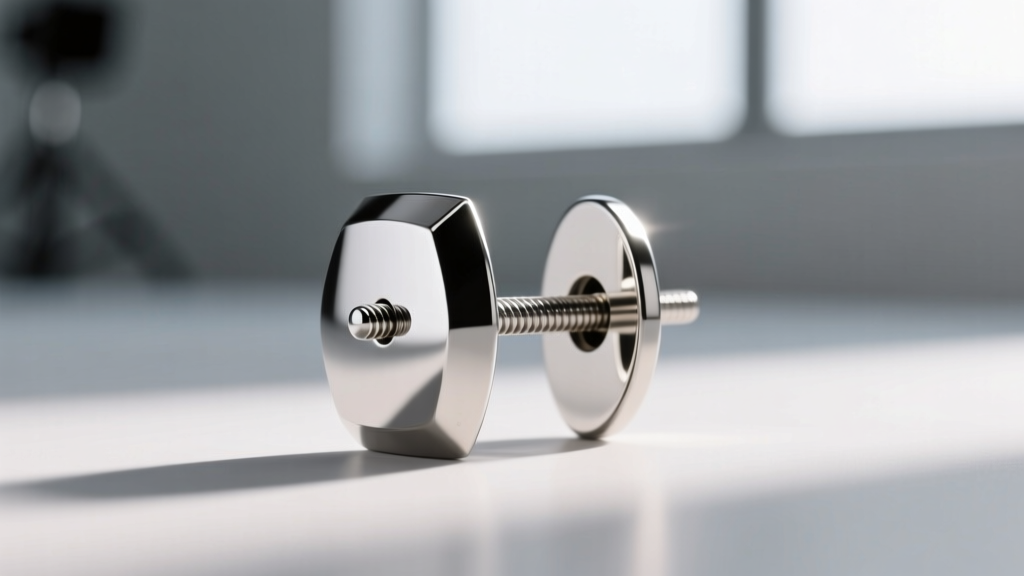
For helix, flat, and conch piercings, the 2026 aesthetic favors threadless (push-pin) or internally threaded flat-back posts. External threading is now widely considered obsolete for cartilage, as the sharp threads can tear the delicate fistula (piercing channel) during insertion. Rowan’s high-end titanium and gold studs utilize precision-machined threadless pins, allowing for a seamless, flush fit against the cartilage ridge.
Sizing, Gauge, and Price Matrix
Selecting the correct gauge and post length is not merely a matter of comfort; it is essential for preventing migration and rejection. Below is a comprehensive matrix detailing the standard specifications for premium hypoallergenic studs in the current market.
| Gauge Size | Post Length | Primary Placement | Avg. Price Range (14k Gold) |
|---|---|---|---|
| 20g (0.8mm) | 5mm - 6mm | Standard Earlobe (Healed) | $65 - $110 |
| 18g (1.0mm) | 6mm - 8mm | Lobe, Upper Lobe, Nostril | $75 - $130 |
| 16g (1.2mm) | 6mm - 8mm | Helix, Flat, Conch, Tragus | $85 - $150 |
| 14g (1.6mm) | 8mm - 10mm | Industrial, Scaffold, Daith | $110 - $180 |
Note: When purchasing for a newly pierced ear, always opt for a longer post (e.g., 8mm for a 16g helix) to accommodate initial swelling, then downsize to a 6mm post after 8-12 weeks to prevent the jewelry from snagging.
Styling Hypoallergenic Studs for Your Face Shape
While material safety is paramount, the visual geometry of the earring must complement the wearer's facial architecture. Here is how to style minimalist hypoallergenic studs based on face shape:
- Round Faces: Avoid large, circular hoops or wide cluster studs that emphasize facial width. Instead, opt for vertical drop earrings or elongated baguette-cut studs that create an illusion of length. A 4mm marquise diamond flat-back in the upper lobe draws the eye upward.
- Square Faces: Soften strong jawlines with curved elements. While studs are inherently geometric, choosing Rowan styles with soft, rounded bezels or organic, asymmetrical pearl settings helps balance angular features.
- Oval Faces: The most versatile canvas. Oval faces can effortlessly carry off bold constellation stacks, geometric tragus studs, and asymmetrical ear curation without throwing off facial proportions.
- Heart-Shaped Faces: Draw attention downward to balance a narrower chin. Utilize slightly larger 5mm-6mm hypoallergenic studs in the lower lobe, keeping the upper cartilage piercings delicate and understated.
Troubleshooting: Healing vs. Healed Piercings
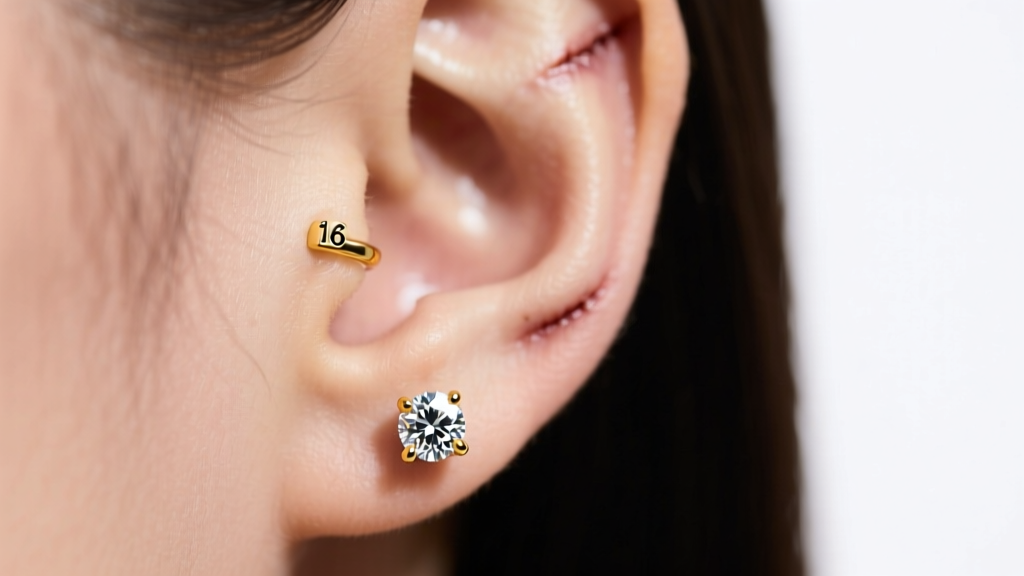
Even with premium ASTM F136 titanium and 14k gold, improper jewelry management can lead to irritation bumps (hypertrophic scarring). The most common failure mode in 2026 is premature downsizing. If a client switches from an 8mm healing post to a 5mm healed post before the fistula has fully contracted, the flat back will embed into the tissue, causing localized necrosis and severe inflammation.
Furthermore, cleaning protocols have evolved. The use of harsh alcohol-based solutions or tea tree oil is now strongly discouraged by dermatologists and professional piercers alike. The current gold standard for maintaining hypoallergenic earrings is sterile, 0.9% sodium chloride wound wash, applied twice daily via a gentle mist, followed by drying with a non-woven gauze to prevent moisture entrapment behind the flat-back disc.
Final Verdict: Are Premium Hypoallergenic Earrings Worth the Investment?
The era of sacrificing aesthetic brilliance for dermal safety is over. Rowan hypoallergenic earrings, alongside other premium implant-grade and nickel-free gold manufacturers, represent a vital investment in long-term ear health. By prioritizing threadless mechanics, mirror-polished surfaces, and anatomically correct post lengths, these pieces eliminate the chronic irritation that plagues wearers of commercial-grade fashion jewelry. For the modern consumer building a curated ear, starting with a biocompatible foundation is not just a stylistic choice—it is a medical necessity.


