Ruby Diamond Hoop Earrings: 2026 Style & Trend Analysis
Discover 2026 trends for ruby diamond hoop earrings. Explore styling tips, gemstone grades, asymmetric designs, and pricing for luxury and everyday wear.

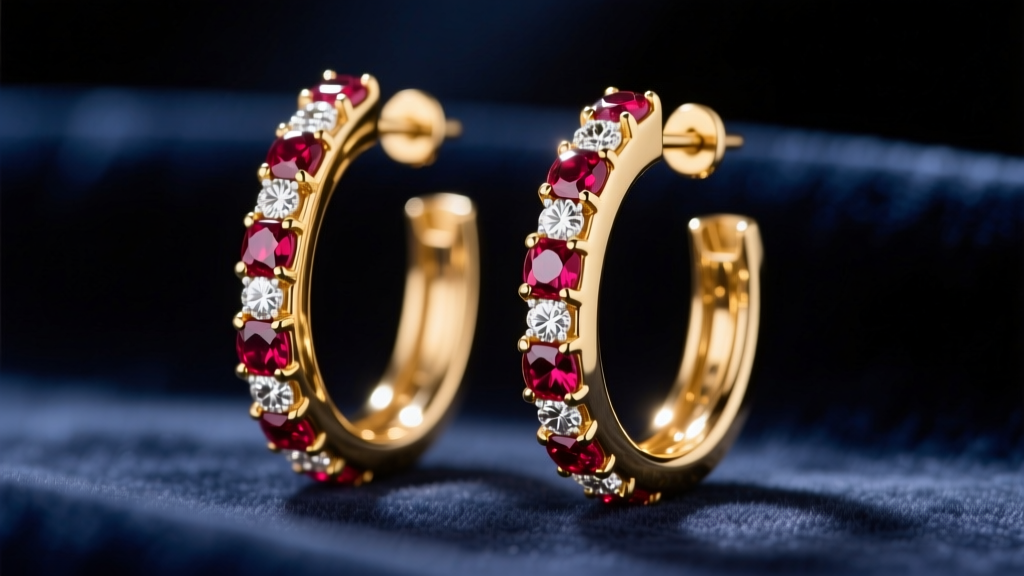
The landscape of fine jewelry is constantly evolving, and as we navigate 2026, the classic ruby diamond hoop earrings have undergone a radical transformation. No longer confined to the traditional alternating stone pattern of the early 2000s, today's designs are a masterclass in structural engineering and gemological contrast. For collectors and style enthusiasts alike, understanding the nuances of ruby origins, diamond melee grading, and hoop architecture is essential for making an informed investment.
The 2026 Shift: From Classic Alternating to Asymmetric Mastery
Historically, ruby and diamond hoops relied on a predictable 1:1 alternating ratio. However, 2026 trend reports indicate a massive pivot toward asymmetric clustering and gradient fades. Designers are now grouping three to five precision-cut rubies in a single cluster, balanced by a sweeping arc of micro-pavé diamonds. This approach creates a dynamic visual weight that catches the light differently as the wearer moves.
Furthermore, the 'inside-out' hoop design—where gemstones are set on both the interior and exterior of the hoop wire—has gained significant traction. This technique requires 40% more gemstones but ensures that the earrings maintain their brilliance from every conceivable angle, a crucial factor for modern, highly photographed lifestyles.
Gemstone Anatomy: What Defines a High-Quality Ruby Hoop
The value and aesthetic impact of ruby diamond hoop earrings hinge entirely on the origin and treatment of the corundum. According to the Gemological Institute of America (GIA), ruby is a 9 on the Mohs hardness scale, making it exceptionally durable for daily-wear hoops, provided the setting is secure.
Pigeon Blood vs. Mozambique Rubies
The term 'Pigeon Blood' refers to a specific, highly saturated vivid red hue with a slight purplish undertone and strong fluorescence. While historically associated with Burmese origins, top-tier Mozambique rubies are now achieving this coveted color grade. In 2026, unheated Mozambique rubies command a 45% to 60% premium over their heat-treated counterparts. When selecting hoops, always request a lab report from GIA or GRS to verify the absence of lead-glass fracture filling, which severely compromises the stone's structural integrity.
Diamond Melee Grading
A common mistake in mid-tier jewelry is pairing premium rubies with low-grade diamond melee. Because rubies possess a high refractive index (1.762-1.770), milky or heavily included diamonds will look dull by comparison. For a cohesive luxury piece, insist on F-G color and VS1/VS2 clarity for the diamond accents. This ensures the diamonds act as brilliant, icy mirrors that amplify the ruby's internal fire rather than competing with it.
Structural Innovations in Hoop Design
The longevity of any hoop earring is dictated by its wire gauge and clasp mechanism. Flimsy wires bend, causing stones to pop out of their settings. Here is what you must look for in modern hoop architecture:
- Wire Thickness: For hoops ranging from 20mm to 35mm in diameter, the structural wire should be no less than 1.2mm to 1.5mm thick. Anything thinner risks warping when putting on or taking off the earrings.
- Clasp Security: The traditional friction post is being replaced by the saddleback clasp and the click-top hinge. Saddlebacks offer a flush, seamless profile against the earlobe, while click-tops provide an audible 'snap' that guarantees the post is fully seated.
- Bezel vs. Prong: While shared-prong settings maximize light entry, bezel settings are surging in popularity for active lifestyles. A micro-bezel rim protects the ruby's vulnerable girdle from chipping against hard surfaces.
'In 2026, we are seeing a demand for tension-set rubies in diamond halos on hoops. It requires absolute precision in the metalwork, but the floating effect of the ruby is unparalleled.' — Master Jeweler & CAD Specialist, Jewel Style Radar Interview
Pricing Matrix: What to Expect in 2026
Navigating the pricing of ruby diamond hoop earrings requires an understanding of the variables at play. Below is a realistic market matrix based on current luxury and fine jewelry retail pricing.
| Configuration | Ruby Origin & Treatment | Diamond Quality | Metal Base | Estimated Price Range (USD) |
|---|---|---|---|---|
| 15mm Huggie, 1.50 ctw | Mozambique, Heated | SI1/SI2, H-I Color | 14k Rose Gold | $1,200 - $1,800 |
| 25mm Standard Hoop, 3.00 ctw | Mozambique, Unheated (Vivid) | VS1/VS2, F-G Color | 18k Yellow Gold | $4,500 - $7,500 |
| 35mm Inside-Out, 5.50 ctw | Burmese, Unheated (Pigeon Blood) | VVS2, D-E Color | Platinum / 18k White Gold | $18,000 - $35,000+ |
| 20mm Asymmetric Cluster, 2.20 ctw | Lab-Grown Ruby Accents | Lab-Grown VS, F Color | 18k Recycled Yellow Gold | $800 - $1,400 |
Styling Framework: Face Shape & Hoop Diameter
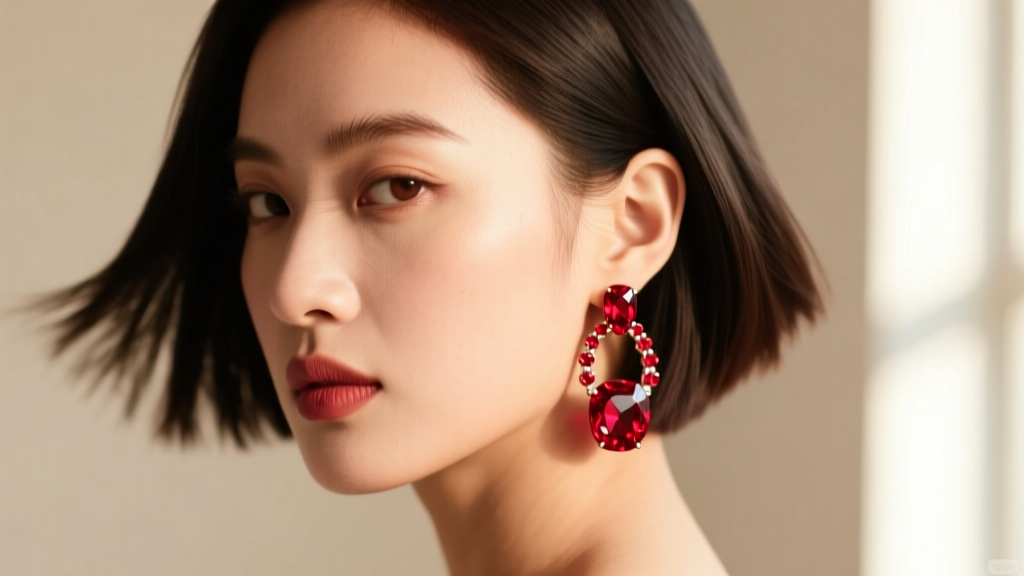
The versatility of ruby diamond hoop earrings makes them a staple, but selecting the correct diameter is crucial for facial harmony. Industry stylists recommend the following framework for 2026:
Round and Square Faces
Opt for elongated, oval-shaped hoops or standard 30mm to 40mm circular hoops with a heavier diamond concentration at the bottom. This draws the eye vertically, creating a lengthening illusion. Avoid thick, tight huggies, which can emphasize facial width.
Oval and Heart-Shaped Faces
These face shapes can pull off almost any silhouette. The 2026 trend for these profiles is the 15mm to 20mm 'huggie' style, heavily encrusted with alternating rubies and diamonds. This keeps the visual weight close to the earlobe, complementing the natural taper of the chin.
Care and Maintenance for Two-Stone Hoops
Because ruby diamond hoop earrings combine two distinct gemstones with different chemical tolerances, maintenance requires a specific protocol. According to JCK Online's gemological care guidelines, you must never place fracture-filled or heavily included rubies in an ultrasonic cleaner. The high-frequency vibrations can cause internal fissures to expand, shattering the stone.
Instead, clean your hoops bi-weekly using a solution of lukewarm water and a few drops of ammonia-free dish soap. Use a baby-soft toothbrush to gently agitate the pavilion (underside) of the diamonds, where lotion and skin oils accumulate and dull the brilliance. Always dry the hoops with a lint-free microfiber cloth, ensuring no moisture is trapped in the hinge mechanism, which can lead to long-term oxidation in lower-karat gold alloys.
By prioritizing structural integrity, verified gemstone origins, and modern asymmetric styling, your ruby diamond hoops will remain a relevant, breathtaking centerpiece of your collection for decades to come.