How to Choose and Safely Insert Baby Knot Earrings
Learn how to choose, safely insert, and care for baby knot earrings. Expert guide on hypoallergenic materials, gauge sizes, and aftercare.

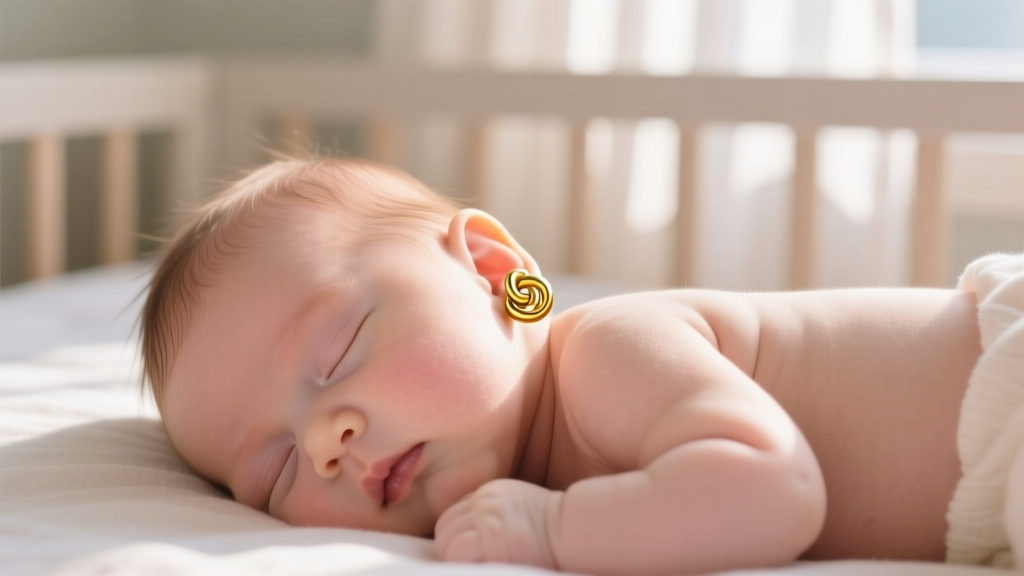
The Appeal and Anatomy of Baby Knot Earrings
Knot earrings are a timeless symbol of eternal love and connection, making them an incredibly popular choice for a baby's first ear piercing. Their continuous, rounded design lacks sharp edges or dangling components, which theoretically makes them safer for infants who frequently grab at their ears. However, the infant earlobe is highly vascular, exceptionally delicate, and prone to rapid swelling (edema). Choosing the wrong metal, gauge, or backing mechanism can quickly turn a sentimental milestone into a medical complication involving contact dermatitis, embedding, or choking hazards.
This comprehensive guide provides parents and caregivers with exact metallurgical specifications, precise sizing metrics, and a clinical step-by-step protocol for safely inserting and maintaining baby knot earrings. We will bypass generic jewelry store advice and focus strictly on body-safe standards recognized by pediatric and professional piercing authorities.
Metallurgical Grades: What is Actually Safe for Infant Lobes?
The most critical decision you will make is the material of the earring post and knot. Infants have highly reactive immune systems, and their skin barrier is still developing. According to the Association of Professional Piercers (APP), the term 'surgical steel' is largely a marketing misnomer that often masks high nickel content, a primary trigger for allergic contact dermatitis.
Approved vs. Hazardous Materials
For a fresh infant piercing, or for long-term wear in sensitive lobes, you must look for specific ASTM (American Society for Testing and Materials) certifications. Implant-grade titanium is the undisputed gold standard for biocompatibility. If you prefer the aesthetic of gold, it must be 14k or 18k solid gold that is explicitly alloyed without nickel.
| Material | Standard / Grade | Nickel Risk | Avg. Price Range | Expert Verdict |
|---|---|---|---|---|
| Implant-Grade Titanium | ASTM F136 / F67 | Zero | $30 - $65 | Best overall. Hypoallergenic, lightweight, and highly polished. |
| Solid Yellow Gold | 14k or 18k (Nickel-Free) | Zero | $60 - $150 | Excellent if alloyed with palladium/silver. Avoid white gold (often contains nickel). |
| Surgical Steel | 316L / 316LVM | Moderate to High | $15 - $35 | Avoid for babies. Contains 8-12% nickel which can leach during healing. |
| Sterling Silver | 925 | Moderate (Tarnish) | $20 - $45 | Never use in fresh piercings. Silver sulfide tarnish can cause permanent argyria (skin staining). |
Sizing, Gauge, and the Choking Hazard Factor
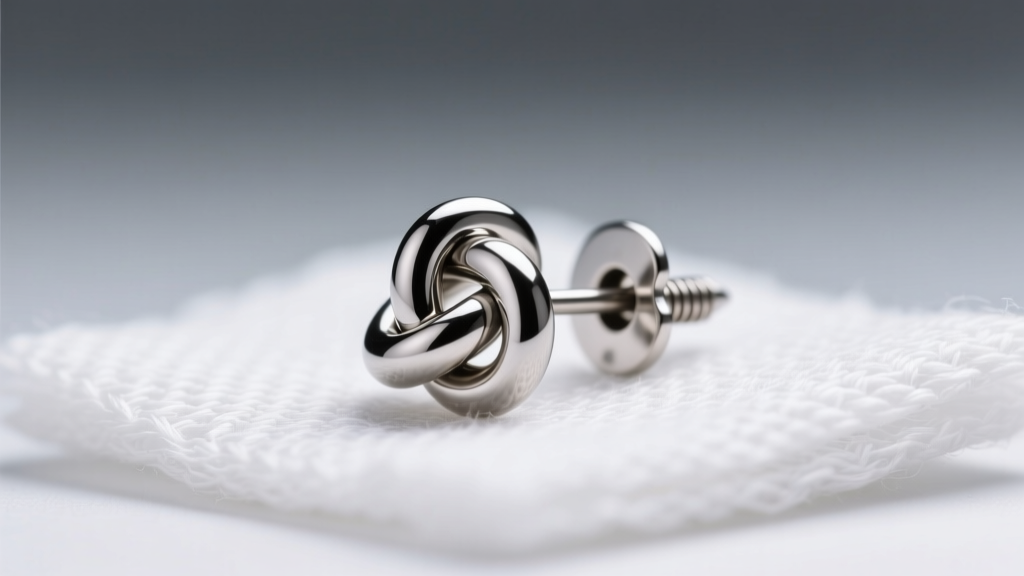
Size matters immensely when it comes to infant jewelry. A knot that is too large will catch on onesies and blankets, leading to traumatic tearing of the lobe. A post that is too short will become embedded in the earlobe as it swells.
Exact Measurements to Look For
- Post Gauge (Thickness): Standard infant lobe piercings are typically performed at 20-gauge (0.81mm) or 18-gauge (1.0mm). Do not buy 22-gauge or thinner earrings; the 'cheese-cutter effect' can cause the thin wire to slice through the lobe if snagged.
- Knot Diameter: Opt for a knot diameter between 3mm and 4mm. Anything larger than 5mm increases the surface area for snagging and adds unnecessary weight to a developing earlobe.
- Post Length: For initial insertion, the post must be at least 6mm (1/4 inch) to 8mm (5/16 inch) to accommodate the first two weeks of swelling. Once healed, you can downsize to a 4mm or 5mm post to prevent the earring from poking behind the ear.
The Backing Mechanism: Why Screw-Ins are Mandatory
Standard 'butterfly' or friction push-backs are a severe choking hazard for infants. They rely on tension, which easily degrades, and they harbor bacteria in their tiny crevices. You must select baby knot earrings with flat-back screw-in threading. Internal threading (where the screw is on the post) or high-quality external threading ensures the backing will not pop off when the baby pulls on their ear, and the flat back prevents the post from digging into the infant's neck while sleeping.
Step-by-Step Guide: Inserting Knot Earrings Safely
If you are changing out healed earrings or assisting a professional piercer with the initial insertion of a knot stud, follow this strict hygienic protocol to prevent introducing pathogens into the fistula (the piercing channel).
- Environmental Prep: Wash your hands with an antibacterial soap for a full 20 seconds. Dry them with a lint-free paper towel. Do not use cloth towels, which harbor staphylococcus bacteria.
- Jewelry Sterilization: Even if the earrings are brand new, submerge the knot and post in a sterile saline solution or a specialized jewelry cleaning spray for 5 minutes. Dry with a sterile gauze pad.
- The Lobe Stabilization: Gently pinch the infant's earlobe between your non-dominant thumb and index finger. Apply very light pressure to flatten the tissue; this opens the piercing channel and makes insertion smoother.
- The Insertion Angle: Infant earlobes often sit at a slight downward angle compared to adult lobes. Insert the post from the front, aiming slightly upward and backward to follow the natural angle of the fistula. Never force the metal. If you meet resistance, the angle is wrong or the channel has partially closed.
- Securing the Threaded Back: Slide the flat-back disc onto the post from behind. Turn the back clockwise until it meets the base of the post. Tighten it until it is snug, but do not overtighten to the point of compressing the earlobe tissue, which will restrict blood flow and cause necrosis.
Daily Aftercare and Cleaning Protocol
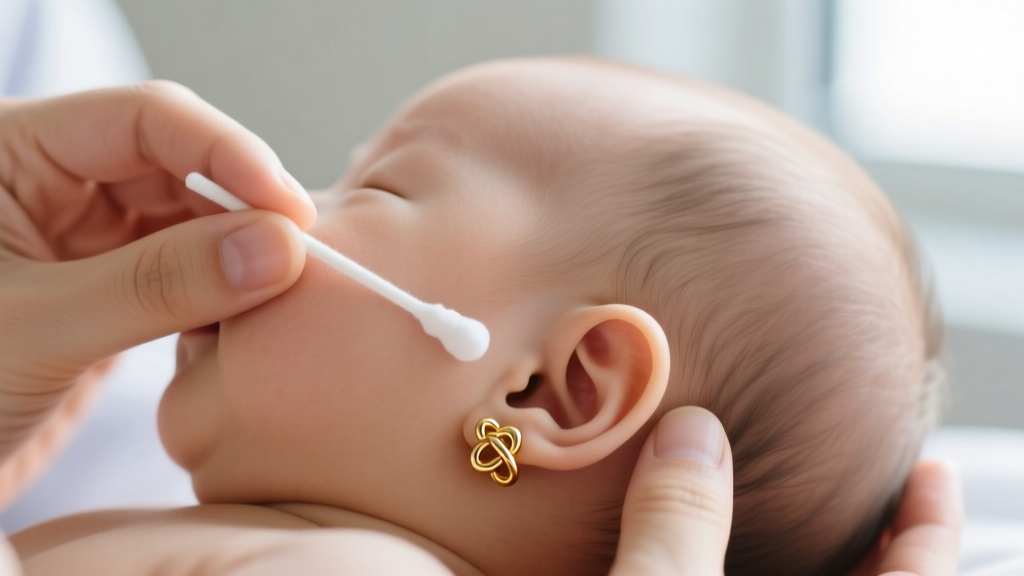
The American Academy of Pediatrics (AAP) emphasizes that keeping the piercing site clean and dry is the primary defense against infection. However, many parents mistakenly use harsh chemicals that destroy healing cells.
What to Use (and What to Avoid)
Your only cleaning agent should be 0.9% sterile sodium chloride wound wash with no additives, preservatives, or fragrances. Spray it directly onto the front and back of the knot earring twice a day. Allow it to air dry or gently pat it with non-woven gauze.
Expert Warning: Never use rubbing alcohol, hydrogen peroxide, tea tree oil, or antibiotic ointments on a baby's piercing. Alcohol and peroxide destroy fibroblasts (the cells responsible for rebuilding tissue), severely delaying healing. Ointments block oxygen from reaching the fistula and trap bacteria.
During bath time, allow warm water to run over the ears, but avoid getting baby shampoo directly on the knots, as the surfactants can cause contact irritation. Always ensure the ears are thoroughly dried after a bath; moisture trapped behind the knot backing creates an ideal environment for yeast and bacterial overgrowth.
Troubleshooting: Redness, Snags, and Stuck Backings
Even with perfect technique, minor issues can arise. Here is how to handle them without panicking.
The Earring Snagged on Clothing
If the knot catches on a blanket and the baby cries, immediately assess the lobe. If there is minor bleeding, apply gentle pressure with sterile gauze. Clean the area with saline. If the lobe is torn or the fistula is elongated, remove the earring entirely and consult a pediatrician to prevent scarring or migration.
The Screw-Back is Stuck
Body fluids, dead skin cells, and dried saline can act like cement on tiny screw threads. If you cannot unscrew the backing, do not use pliers, which will crush the metal and damage the ear. Instead, put on a pair of textured nitrile medical gloves. The rubber grip provides the exact amount of friction needed to break the seal of a stuck 20-gauge screw-back without applying dangerous torque to the infant's ear.
Persistent Redness vs. Normal Healing
It is normal for the piercing site to be slightly pink and warm for the first 5 to 7 days. However, if the redness spreads beyond the immediate perimeter of the knot, or if you observe thick yellow/green discharge (purulent exudate), this indicates a localized infection. Remove the jewelry to prevent the hole from closing over an abscess, and seek immediate medical evaluation for potential pediatric antibiotic treatment.
Final Thoughts on Infant Ear Safety
Baby knot earrings are a beautiful, low-profile way to celebrate a child's first piercing, provided they are treated as medical-grade implants rather than mere accessories. By insisting on ASTM F136 titanium or nickel-free solid gold, utilizing secure screw-in flat backs, and adhering to a strict sterile saline aftercare routine, you ensure the piercing heals beautifully. Always prioritize the anatomical safety and comfort of the infant over the aesthetic preferences of the jewelry, and when in doubt, consult an APP-certified professional piercer rather than a mall kiosk.


