The Beginner’s Guide to Styling and Wearing Emoji Earrings Safely
Discover how to style emoji earrings safely. Learn about hypoallergenic materials, gauge sizes, and expert tips to avoid ear irritation.

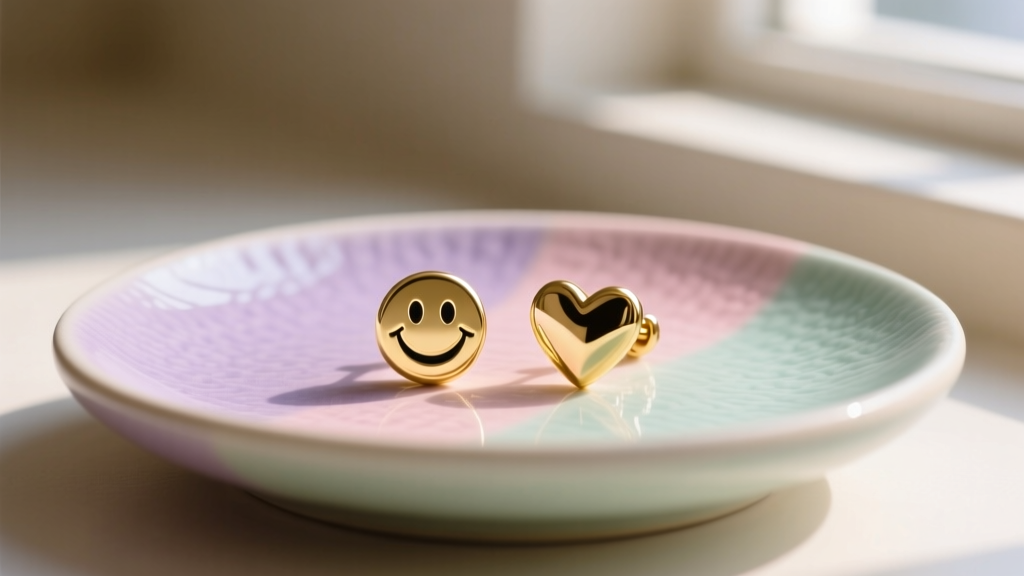
The Appeal of Emoji Earrings: More Than Just a Trend
In the evolving landscape of novelty jewelry, emoji earrings have cemented their place as a staple of micro-trend styling. What began as a fast-fashion fad in the early 2010s has matured into a recognized sub-genre of expressive jewelry in 2026. Whether you are reaching for a classic yellow smiley face stud, a winking heart, or a playful ghost motif, these miniature expressions offer a unique way to inject personality into your daily rotation. However, as beginners quickly discover, the novelty jewelry market is fraught with material inconsistencies. The excitement of finding the perfect emoji expression can easily lead to contact dermatitis or piercing irritation if you do not know what to look for beneath the colorful enamel.
This beginner-friendly explainer will demystify the process of buying, sizing, and styling emoji earrings. We will move past the superficial aesthetics and dive deep into the metallurgy, gauge requirements, and care routines necessary to build a safe, long-lasting collection.
The Hidden Danger: Material Grades and Nickel Allergies
The most common failure mode for novice emoji earring buyers is ignoring the base metal. Because emojis require vibrant, opaque colors, manufacturers typically use a casting metal base that is then coated in enamel or epoxy resin. In cheap, mass-produced pairs, this base is often a zinc alloy or brass that contains high levels of nickel to improve malleability and reduce costs.
According to the American Academy of Dermatology, nickel allergy is one of the most common causes of allergic contact dermatitis. When sweat breaks down the cheap plating on alloy earrings, nickel salts leach into the piercing fistula, causing redness, weeping, and severe itching. To avoid this, you must look for specific material grades.
Decoding the Base Metals
When shopping for high-quality emoji studs, look for the following materials. The Association of Professional Piercers (APP) strongly recommends implant-grade materials for any jewelry that sits in the body for extended periods.
- ASTM F-136 Implant-Grade Titanium: The gold standard for sensitive ears. It is completely nickel-free, lightweight, and takes a high polish. Many premium novelty brands now cast their emoji designs in solid titanium before applying cold enamel.
- 316L Surgical Steel: A step down from titanium but generally safe for healed lobes. It contains trace amounts of nickel, but the nickel is usually trapped in the crystalline structure of the steel and does not leach easily.
- 14k or 18k Solid Gold: High-end designers occasionally release luxury emoji collections in solid gold. Ensure it is nickel-free (yellow or rose gold is usually safer than white gold, which often uses nickel alloys).
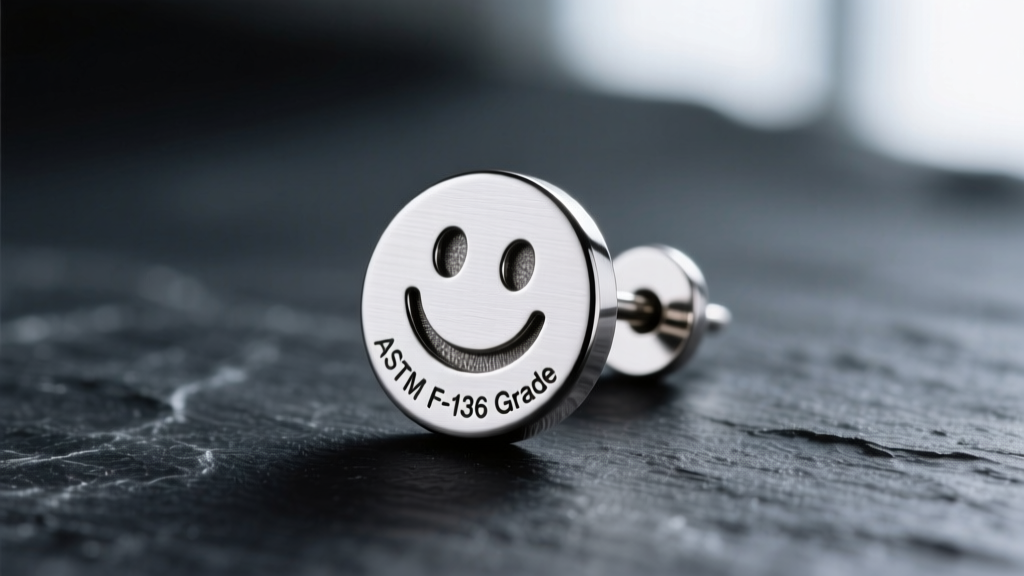
Material Comparison Chart
| Material | Nickel Content | Durability | Average Price Range | Best For |
|---|---|---|---|---|
| Zinc Alloy (Fast Fashion) | High | Poor (tarnishes quickly) | $3 - $10 | Occasional, short-term wear |
| 925 Sterling Silver | None (usually) | Moderate (can oxidize) | $15 - $35 | Healed lobes, daily wear |
| 316L Surgical Steel | Trace | High | $12 - $25 | Healed lobes, budget-conscious |
| ASTM F-136 Titanium | Zero | Extremely High | $25 - $55 | Sensitive ears, fresh piercings |
Sizing and Fit: Gauge Thickness and Post Length
Novelty earrings often come with a "one size fits all" mentality, but ear anatomy varies wildly. Understanding gauge (thickness) and post length is critical for comfort, especially if you plan to wear your emoji earrings in cartilage piercings or secondary lobe holes.
Gauge Size: Most standard emoji studs are manufactured at 20-gauge (0.81mm) or 18-gauge (1.0mm). A standard primary lobe piercing is usually pierced at 20g or 18g. However, if you are wearing them in a helix, tragus, or conch piercing, those are typically pierced at 16-gauge (1.2mm). Forcing a 20g emoji post into a 16g cartilage hole can cause the tissue to shrink around the thinner wire, leading to the "cheese-cutter effect" where the earring slowly migrates through the skin.
Post Length: Standard friction-back posts are usually 6mm long. While this works for thin earlobes, it will dig into the back of thicker lobes or cartilage, trapping bacteria and causing pressure necrosis. Look for brands that offer 8mm posts or, ideally, threadless flat-back labret posts, which sit flush against the ear and eliminate the discomfort of traditional butterfly backs.
Expert Tip: If you find a pair of alloy emoji earrings you absolutely love but have sensitive skin, you can coat the post and backing in a layer of clear, flexible nail polish or a specialized jewelry barrier coating. This creates a temporary physical shield between the nickel and your skin, though it must be reapplied every few weeks.
How to Style Emoji Earrings for Different Face Shapes
Because emoji earrings are inherently graphic and bold, their scale and placement can dramatically affect your facial proportions. Here is a practical decision framework for styling them based on your face shape.
- Round Faces: Avoid wide, oversized circular emoji studs (like large smiley faces) directly on the lobe, as they can emphasize width. Instead, opt for vertical emoji dangles (e.g., a teardrop or a stack of descending hearts) to elongate the face.
- Oval Faces: You have the most versatility. Standard 6mm to 8mm emoji studs sit perfectly on the lobe. You can also experiment with ear cuffs featuring climbing emoji motifs (like stars or lightning bolts) to draw attention upward.
- Square Faces: Soften a strong jawline by choosing emoji earrings with curved lines and organic shapes. Heart emojis, clouds, or melting smiley faces work beautifully. Avoid rigid, geometric emoji shapes like the robot face or square blocks.
- Heart Faces: Balance a narrower chin by wearing slightly wider, bottom-heavy emoji drops or huggies featuring emoji charms. This draws the eye downward and adds visual weight to the lower half of the face.
Care and Maintenance: Preserving the Enamel
The vibrant colors of emoji earrings are achieved through either cold enamel (an epoxy resin) or hard vitreous enamel (fired glass). Cold enamel is far more common in the $15–$40 price range, but it is highly susceptible to degradation from oils, perfumes, and harsh chemicals. Improper cleaning is the fastest way to ruin the glossy finish of a novelty piece.
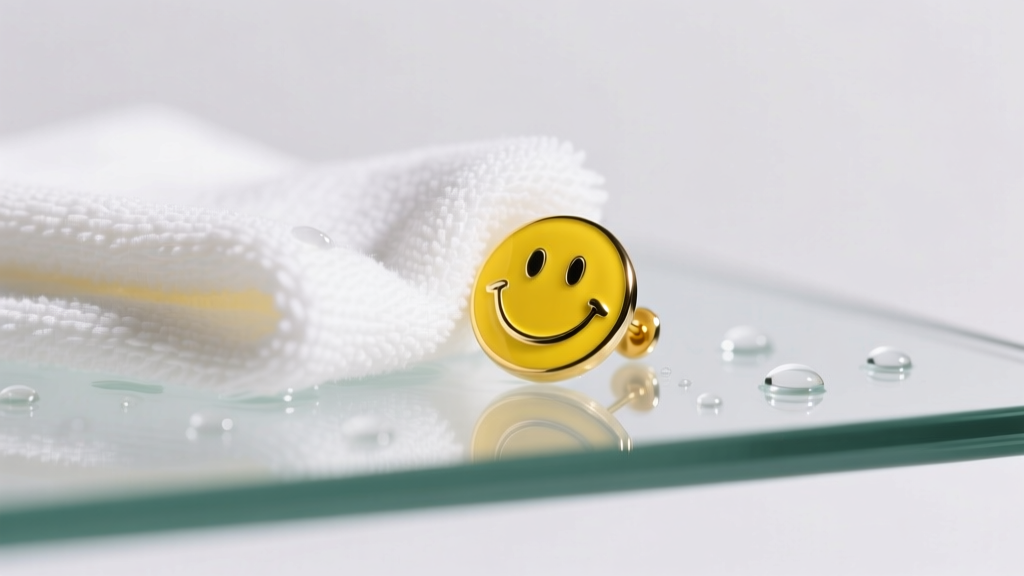
Step-by-Step Cleaning Routine
- Remove and Inspect: Take the earrings out and check the post for any buildup of sebum or dead skin, which can harbor bacteria and degrade the metal plating.
- Use Sterile Saline Only: Avoid rubbing alcohol, hydrogen peroxide, or ultrasonic cleaners. These will strip the epoxy resin, causing the emoji colors to turn cloudy or peel. Spray sterile wound-wash saline (0.9% sodium chloride) onto a lint-free microfiber cloth.
- Gentle Wiping: Gently wipe the face of the emoji and the post. Do not scrub the junction where the enamel meets the metal base, as this is where moisture gets trapped and causes rust.
- Dry Completely: Moisture is the enemy of novelty jewelry. Use a dry corner of the cloth or a hairdryer on the "cool" setting to ensure the earring is 100% dry before storing it in an airtight container or anti-tarnish pouch.
Final Verdict: Building a Safe Novelty Collection
Emoji earrings are a fantastic, low-stakes way to participate in jewelry trends and express your daily mood. However, treating them as disposable fast-fashion items is a disservice to your ear health. By prioritizing ASTM F-136 titanium or 316L surgical steel bases, paying attention to your specific gauge and post-length requirements, and adopting a gentle, alcohol-free cleaning routine, you can safely enjoy your favorite expressions for years to come. Start small, invest in quality base metals, and let your ears do the talking.


