How to Take Off Earrings With Safety Back: Trend & Removal Guide
Learn how to take off earrings with safety back mechanisms. Explore secure jewelry trends, removal steps, and troubleshooting stuck clutches.

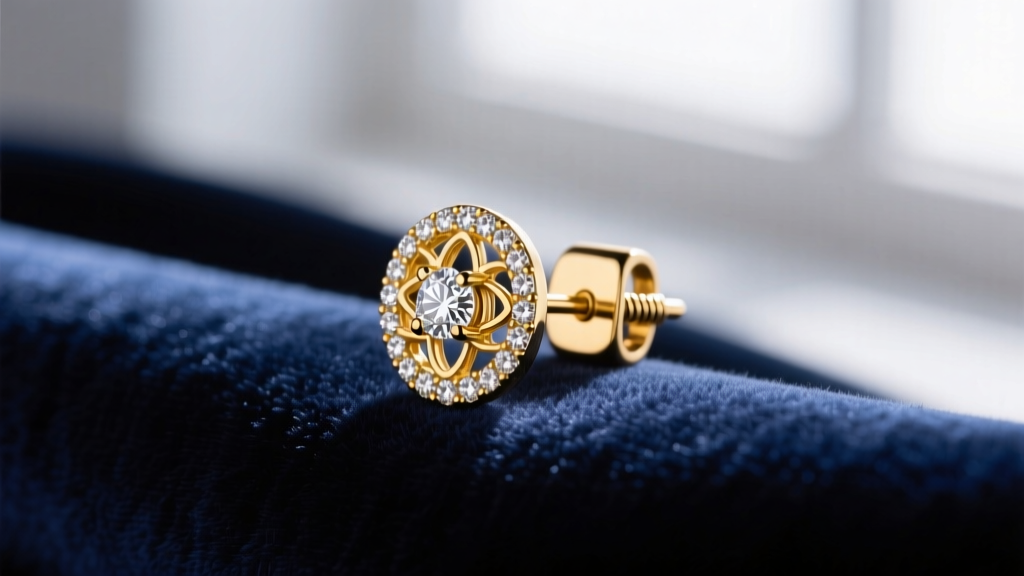
The Shift Toward Secure Closures in Fine Jewelry
In the evolving landscape of fine jewelry, the focus has shifted dramatically from mere aesthetics to functional security. As the cost of high-quality diamonds and precious gemstones continues to climb, collectors and everyday wearers are no longer willing to trust standard friction backs—often called butterfly clutches—with their most prized possessions. This has sparked a major trend in the 2025 and 2026 jewelry market: the widespread adoption of locking and safety back earrings.
Leading jewelry houses and bespoke designers are increasingly defaulting to secure mechanisms for stud earrings, recognizing that an active lifestyle involving Pilates, tennis, or even just changing clothes poses a risk to loose jewelry. However, this upgrade in security introduces a new learning curve for consumers. If you have recently upgraded your collection and are wondering how to take off earrings with safety back mechanisms without damaging your earlobe or the jewelry itself, you are not alone. The engineering that keeps your diamonds secure requires a specific, deliberate approach to removal.
Identifying Your Specific Safety Back Mechanism
Before attempting removal, it is crucial to identify which type of safety back you are dealing with. Forcing the wrong mechanism can result in bent posts, stripped threads, or damaged internal springs. Below is a breakdown of the most common secure earring backings found in modern fine jewelry.
| Mechanism Type | How It Locks | Common Post Gauge | Average Replacement Cost |
|---|---|---|---|
| La Pousette (Push-Pull) | Internal spring-loaded tabs grip the notched post | 18G or 20G | $60 - $120 (18k Gold) |
| Screw Back | Threaded post screws directly into the threaded clutch | 20G (Standard) | $30 - $75 (14k/18k Gold) |
| Snap-Lock / Lever Clutch | A tiny metal lever snaps over a groove on the post | 18G or 16G | $40 - $90 |
| Silicone-Grip Lock | Friction silicone hides a secondary metal locking cap | 20G or 22G | $15 - $30 |
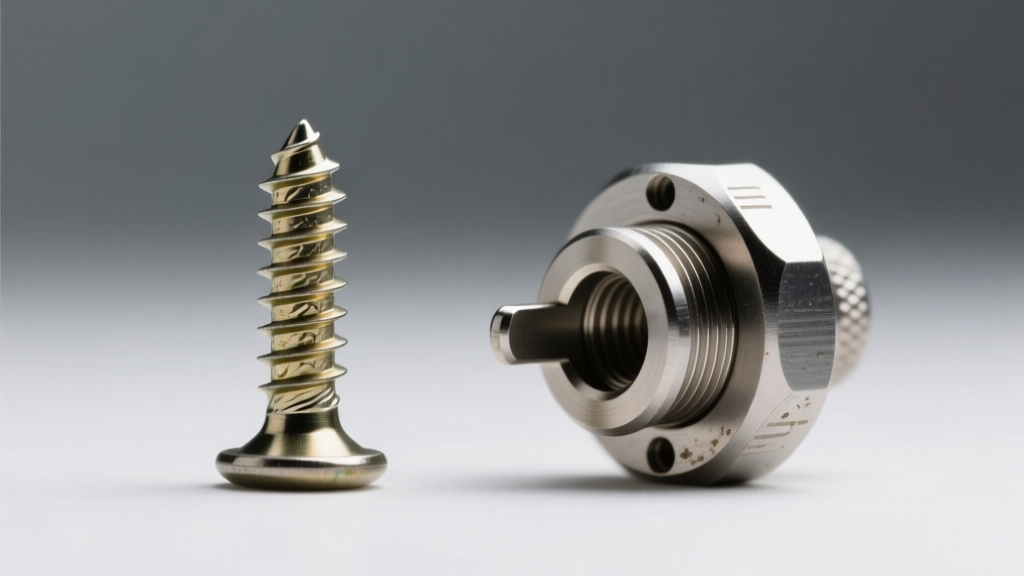
Step-by-Step: How to Take Off Earrings With Safety Back Hardware
Removing secure earrings requires patience and the right technique. Unlike friction backs that simply pull off, safety backs demand mechanical disengagement. Here is how to handle the three most prevalent designs.
1. The La Pousette (Push-Pull) Clutch
The La Pousette is widely considered the gold standard in fine jewelry security. Named after its French inventor, it features a hollow cylindrical clutch with two small, corrugated metal tabs on the sides.
- Step 1: Wash and dry your hands thoroughly to ensure a good grip.
- Step 2: Hold the front of the earring stud firmly between the thumb and index finger of your non-dominant hand to stabilize the post.
- Step 3: With your dominant hand, pinch the two corrugated metal tabs on the side of the clutch inward toward the center. This compresses the internal spring and releases the grip on the notched post.
- Step 4: While maintaining inward pressure on the tabs, pull the clutch straight back off the post. Never twist or wiggle a La Pousette, as this can bend the internal locking pins.
2. The Threaded Screw Back
Screw backs feature a post with microscopic threads (usually 0.25mm to 0.5mm deep) that mate with corresponding threads inside the clutch. They are highly secure but prone to user error during removal.
- Step 1: Secure the front of the earring to prevent the post from twisting inside the ear piercing, which can cause tissue irritation.
- Step 2: Grip the outer edge of the threaded clutch and turn it counter-clockwise (lefty-loosey).
- Step 3: If you encounter resistance, stop immediately. Do not force it. Forcing a screw back can strip the soft 18k gold threads, rendering the earring unwearable until a jeweler re-taps the post.
- Step 4: Once loosened, continue unscrewing until the clutch slides freely off the post.
3. The Snap-Lock or Lever Clutch
Often used for heavier diamond studs or cartilage earrings, these clutches feature a tiny hinged lever or a push-button that snaps into a groove on the earring post.
- Step 1: Inspect the clutch to locate the release lever. It is often on the top or side of the backing.
- Step 2: Use your fingernail or a soft, non-metallic tool (like a wooden toothpick) to gently lift the lever or press the release button.
- Step 3: Once the lock is disengaged, slide the backing straight off the post.
Troubleshooting: What to Do When the Mechanism Jams
Even the highest-quality safety backs can become stuck. The most common culprits are dried soap, hard water deposits, body oils, and lotion buildup inside the mechanical parts. According to care guidelines from the Gemological Institute of America (GIA), regular exposure to cosmetics and sweat can easily gum up micro-mechanisms.
Expert Warning: Never use metal needle-nose pliers to force a stuck earring back. The jaws of the pliers will crush the delicate 18k gold or platinum clutch, and the slipping metal can severely lacerate your earlobe or neck.
If your safety back is jammed, follow this troubleshooting protocol:
- The Rubber Grip Trick: Put on a pair of textured nitrile gloves or use a piece of rubber dam. The immense friction provided by the rubber will often give you the leverage needed to turn a stuck screw back or squeeze a tight La Pousette without slipping.
- The Warm Soak: Fill a small ceramic bowl with warm (not hot) distilled water and a single drop of mild, lotion-free dish soap. Submerge your earlobe and the earring back in the solution for 10 to 15 minutes. This will dissolve trapped sebum and soap scum.
- The Floss Method: For screw backs, take a piece of dental floss, wrap it tightly around the clutch to create a makeshift grip handle, and pull the ends counter-clockwise to generate rotational force without crushing the metal.

Material Science: Why Your Earring Post Matters
The ease of removing and maintaining your safety back is heavily dictated by the metallurgy of the earring post. The Jewelers of America notes that different alloys behave differently under the stress of daily locking and unlocking.
- 18k Yellow Gold: Highly prized for its rich color and hypoallergenic properties, 18k gold is relatively soft. Screw backs made of 18k gold are highly susceptible to cross-threading if you do not align them perfectly before twisting. Always thread them backward (clockwise) until you feel a slight 'click' as the threads align, then reverse to tighten.
- 14k Gold: Harder and more durable than 18k, making it an excellent choice for threaded screw backs that will be removed daily.
- Platinum: Extremely durable and heavy. Platinum safety backs will not strip easily, but because platinum has a high coefficient of friction, screw backs can feel 'gritty' or tight when turning. A micro-drop of jewelry-safe synthetic oil on the post threads can resolve this.
Maintenance: Keeping Your Secure Closures Functional
To ensure your safety backs continue to function flawlessly, they require dedicated maintenance. Once a week, remove the backs and clean them using an ultrasonic jewelry cleaner or a soft-bristled baby toothbrush with mild soap. Pay special attention to the interior of the clutch where the post inserts. For La Pousette backs, avoid spraying hairspray or perfume directly onto the earrings, as the alcohol and resins can freeze the internal spring mechanism. Store your earrings in a dedicated box where the backs are kept attached to the posts but not fully locked, preserving the tension of the springs over time.
The Style Verdict: Security as a Luxury Standard
The transition toward safety back earrings represents a maturation in jewelry design. It acknowledges that true luxury is not just about the brilliance of a diamond or the purity of the gold, but about the peace of mind that comes with wearing it. While learning how to take off earrings with safety back hardware requires a brief adjustment period and a bit of manual dexterity, the trade-off is invaluable. By understanding the specific mechanics of your jewelry, you ensure that your most treasured pieces remain securely with you, no matter where your day takes you.


