The Ultimate Stopper for Earrings: A Material Comparison Guide
Discover the best stopper for earrings based on material properties. Compare titanium, silicone, and gold backs for sensitive ears and secure fit.

Introduction: Why the Right Stopper for Earrings Matters
When curating a fine jewelry collection, enthusiasts often obsess over the carat weight of a diamond or the purity of a gold hoop, completely neglecting the most critical functional component: the earring back. The stopper for earrings is the unsung hero of your jewelry box. It dictates not only the security of your prized possessions but also the long-term health of your earlobes and cartilage piercings. A poorly chosen back can lead to lost diamonds, chronic contact dermatitis, and stretched fistulas.
From a metallurgical and biomechanical perspective, an earring stopper must balance tensile strength, friction coefficients, and biocompatibility. In this comprehensive guide, we dissect the material properties of the five most common earring stoppers, providing you with the empirical data needed to make an informed, skin-safe choice.
The Physics of the Grip: Friction vs. Tension
Before analyzing materials, we must understand how a standard friction back (often called a push-back or clutch) interacts with an earring post. Standard earring posts range from 20-gauge (0.81mm) to 18-gauge (1.02mm). The stopper relies on an internal mechanism—usually a stamped metal loop or the inherent elasticity of a polymer—to grip the post's notch or grooved end.
The failure mode of most lost earrings is not the post breaking, but the stopper's internal tension degrading over time, or the material's coefficient of friction dropping due to sebum and skin oil buildup. Therefore, the material's resistance to environmental degradation is just as vital as its initial grip strength.
Material Breakdown: Comparing the Top 5 Stopper Materials
1. Medical-Grade Silicone (Polydimethylsiloxane)
Silicone stoppers have surged in popularity due to their high friction coefficient and hypoallergenic nature. High-quality medical-grade silicone typically registers between 40 and 50 on the Shore A durometer scale, providing a firm yet yielding grip that conforms to the earring post.
- Biocompatibility: Excellent. Silicone is inert and rarely triggers allergic reactions.
- Failure Mode: Silicone is porous at a microscopic level. It traps dead skin cells and sebum, leading to a foul odor (often called "ear cheese") if not cleaned weekly. Furthermore, exposure to high-concentration isopropyl alcohol or harsh ultrasonic cleaners will cause the polymer chains to break down, resulting in a brittle, crumbling stopper.
- Best For: Heavy statement earrings, sleepers, and individuals with severe metal allergies.
2. Implant-Grade Titanium (ASTM F136)
When discussing titanium, precision matters. Commercially pure titanium (ASTM B265) is acceptable, but ASTM F136 compliant Ti-6Al-4V ELI (Extra Low Interstitial) is the gold standard for body jewelry. This specific alloy is devoid of nickel and highly biocompatible.
- Biocompatibility: Unmatched. The Association of Professional Piercers recommends implant-grade titanium as the safest metal for fresh and healing piercings.
- Failure Mode: Titanium is incredibly hard. If the internal tension loop is stamped poorly, it will not flex, making it difficult to push onto a post. However, once seated, it rarely loses tension.
- Best For: Fresh piercings, hyper-sensitive ears, and high-value diamond studs where security is paramount.
3. 14K and 18K Solid Gold
Gold butterfly backs are the traditional choice for fine jewelry. However, pure 24K gold is too soft for functional mechanics. 14K (58.5% gold) and 18K (75% gold) are alloyed with copper, silver, and zinc to increase hardness.
- Biocompatibility: Generally good, but 14K gold contains higher amounts of alloy metals. If alloyed with nickel (common in some white gold variants), it can cause contact dermatitis.
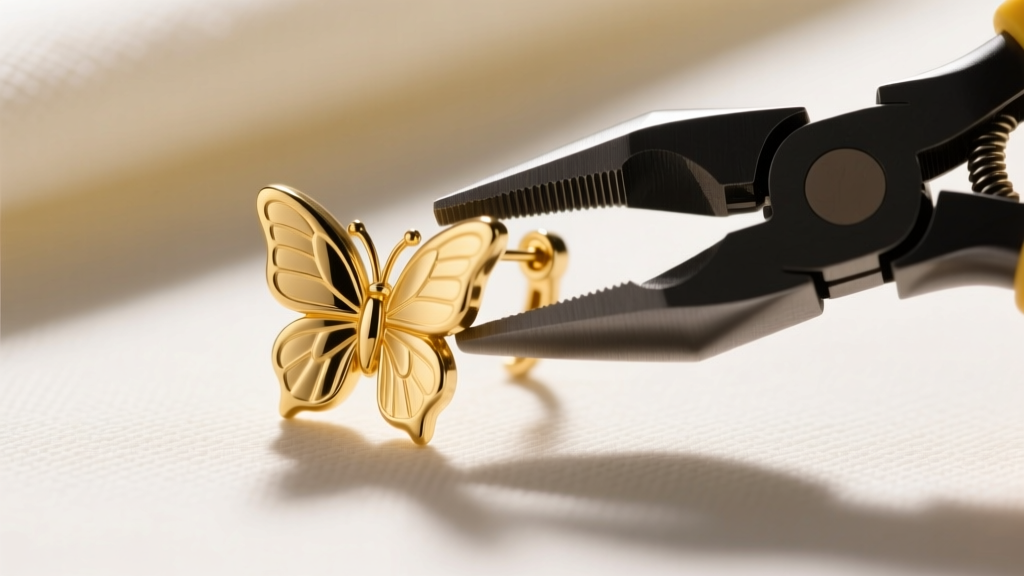
- Failure Mode: Gold is a relatively soft, malleable metal. The "wings" of a gold butterfly back will slowly bend outward over months of use, losing their grip on the post. Jewelers must periodically use nylon-jaw pliers to gently squeeze the wings back into tension.
- Best For: Heirloom pieces and luxury daily-wear studs, provided the owner performs routine tension maintenance.
4. Surgical Stainless Steel (316L)
Often marketed as "hypoallergenic," 316L surgical steel is the most common and budget-friendly stopper material. It contains iron, chromium, molybdenum, and roughly 8% to 10.5% nickel to prevent corrosion.
- Biocompatibility: Moderate to Poor for sensitive individuals. The Mayo Clinic notes that nickel allergies are among the most common contact allergies worldwide. While the chromium oxide passivation layer in 316L steel traps the nickel, acidic sweat can degrade this layer over time, allowing nickel ions to leach into the skin.
- Failure Mode: Excellent tension retention, but high risk of localized allergic contact dermatitis on the back of the earlobe.
- Best For: Budget fashion jewelry and individuals with confirmed non-reactive skin.
5. Standard Clear Plastic / Acrylic
Often included as free replacements in cheap jewelry sets, hard acrylic or polycarbonate stoppers are the lowest tier of earring backs.
- Biocompatibility: Fair, but the rigid edges can cause micro-abrasions on the posterior earlobe.
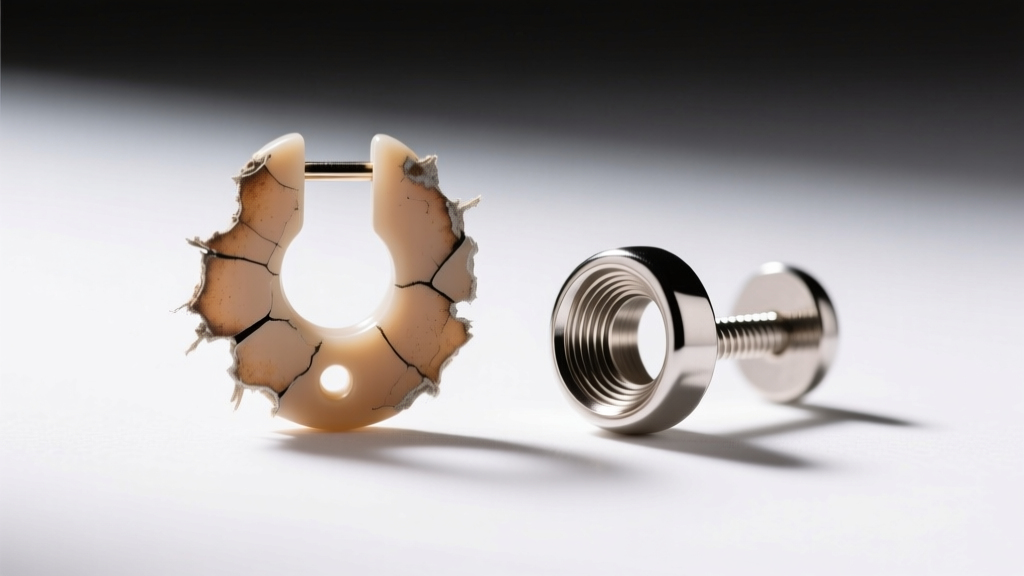
- Failure Mode: UV degradation and mechanical stress. Clear plastic yellows rapidly when exposed to sunlight and skin oils. The internal hole easily strips out, rendering the stopper useless within a few months.
- Best For: Strictly temporary, emergency use.
Comprehensive Material Comparison Chart
| Material | Hypoallergenic Rating | Tension Retention | Avg. Price (Per Pair) | Maintenance Required |
|---|---|---|---|---|
| Medical Silicone | Excellent | High (Degrades with chemicals) | $3 - $8 | Weekly washing, annual replacement |
| Implant-Grade Titanium | Excellent | Very High | $8 - $15 | Routine sanitization |
| 14K / 18K Solid Gold | Good (Alloy dependent) | Moderate (Soft metal) | $25 - $60 | Periodic tension adjustment |
| 316L Surgical Steel | Poor (Contains Nickel) | Very High | $1 - $4 | Keep dry to prevent leaching |
| Hard Acrylic / Plastic | Fair | Low (Strips easily) | $0.50 - $2 | Frequent replacement |
Troubleshooting Common Stopper Failures
Even the highest quality stopper for earrings will fail if subjected to improper care. Here is how to troubleshoot the most common issues:
Expert Insight: If your earring post feels "slippery" and the stopper slides off too easily, do not immediately blame the stopper. Examine the post. Many mass-produced posts lack a properly machined groove or notch. Without a mechanical lock point, even a brand-new titanium clutch will slide off. Always ensure your posts feature a distinct, laser-cut notch.
The "Loose Gold Back" Dilemma
If your 18K gold butterfly backs are constantly falling off, the metal has fatigued and spread. Do not use standard steel jewelry pliers to squeeze them back together; the steel teeth will deeply scratch the soft gold. Instead, invest in a pair of nylon-jaw pliers. Gently compress the wings of the butterfly back until you feel the internal loop tighten against the post.
Silicone Swelling and Odor
Silicone stoppers are prone to absorbing ambient moisture and skin flora. If your silicone backs develop a chalky white residue or an unpleasant odor, they have reached the end of their lifecycle. While boiling them in water for three minutes can sterilize them temporarily, the polymer degradation is irreversible. Replace silicone stoppers every 6 to 12 months for optimal hygiene.
Expert Verdict: Which Stopper Should You Choose?
The ideal stopper for earrings is not a one-size-fits-all solution; it requires matching the material properties to your specific lifestyle and physiological needs.
For maximum security and zero allergy risk, implant-grade titanium (ASTM F136) is the undisputed champion. It offers the structural rigidity of steel without the nickel content, ensuring your heirloom diamond studs remain safely on your ears without irritating your skin.
For heavy, oversized hoops or drop earrings that pull on the lobe, medical-grade silicone provides the highest coefficient of friction, preventing the earring from drooping forward while cushioning the back of the earlobe against pressure necrosis.
Ultimately, treating your earring backs as disposable, unimportant accessories is a costly mistake. Upgrading to precision-machined titanium or high-durometer silicone stoppers is a minor investment that protects both your physical comfort and your most valuable jewelry pieces.


