Troubleshooting a Bulk Pack of Earrings: Tarnish & Allergy Fixes
Bought a bulk pack of earrings that turned your ears green or bent? Learn expert troubleshooting for tarnish, nickel allergies, and bent posts.

The Hidden Costs of Buying a Bulk Pack of Earrings
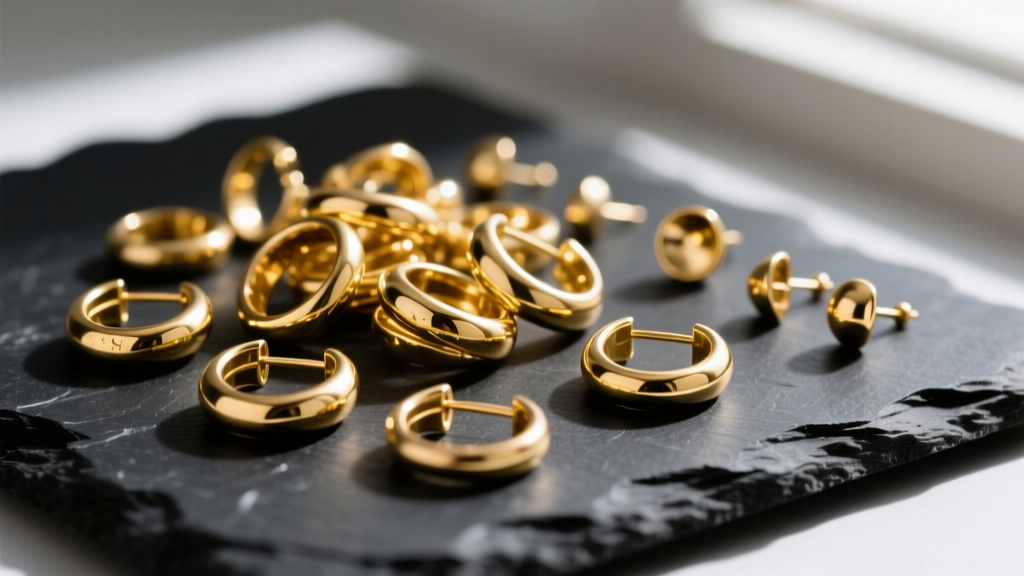
The allure of the modern jewelry market is undeniable: for $12 to $18, you can purchase a massive pack of earrings containing anywhere from 30 to 100 individual pieces. These multipacks, heavily promoted on social media and e-commerce giants, promise endless variety, featuring an assortment of hoops, huggies, studs, and dangles. However, as any seasoned jeweler or dermatologist will tell you, the upfront savings often come with a hidden metallurgical cost. By the time you experience your first bout of contact dermatitis, notice a severely bent post, or watch the gold plating flake away to reveal a greenish-gray base metal, that bargain pack suddenly feels like a liability.
Troubleshooting the inherent flaws of mass-produced, low-cost jewelry requires a deep understanding of base metal alloys, flash-plating thicknesses, and wire gauges. In this comprehensive guide, we will dissect the most common failure modes found in bulk earring sets and provide actionable, expert-level solutions to salvage your collection, protect your piercings, and extend the lifespan of your accessories.
Diagnosing the "Green Ear" and Contact Dermatitis
The most frequent complaint surrounding a cheap pack of earrings is the dreaded "green ear" or the development of itchy, weeping earlobes. To solve this, you must first distinguish between two entirely different chemical and biological reactions: copper oxidation and nickel-induced allergic contact dermatitis.
1. Copper Oxidation (The Green Stain)
If your skin turns green or black, but does not itch or swell, you are experiencing a harmless chemical reaction. The base metal in 90% of budget earring packs is brass (an alloy of copper and zinc) or a copper-nickel-zinc blend often mislabeled as "Tibetan silver." When the microscopic pores in your skin secrete sweat (which contains salts and lactic acid), it reacts with the copper in the brass to form copper chloride. This green salt transfers directly to your skin.
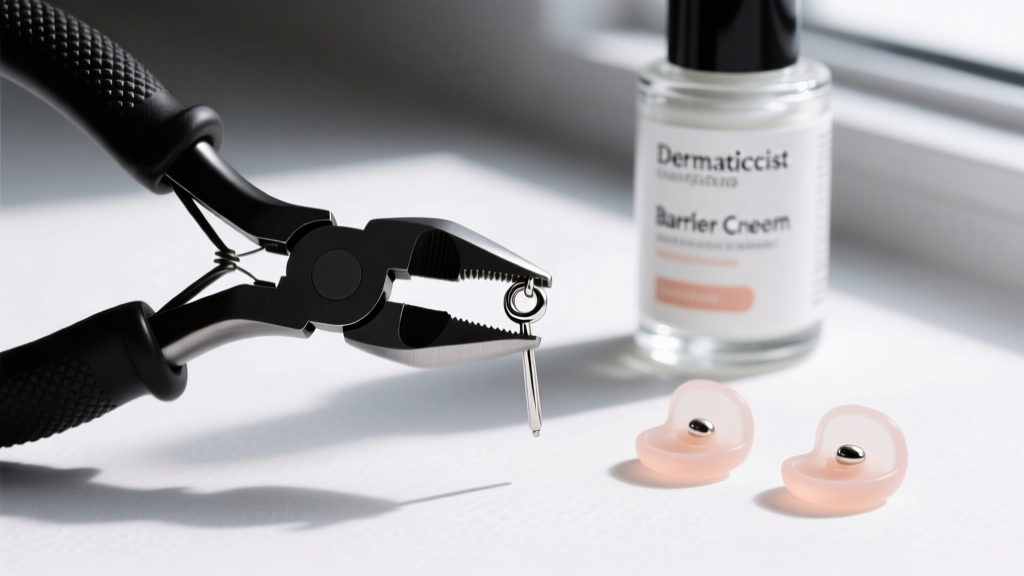
The Fix: You cannot reverse the base metal composition, but you can create a physical barrier. While the internet often suggests painting the posts with clear nail polish, this is a temporary, flaky solution that degrades within 48 hours of wear. A far superior, dermatologist-recommended approach is applying a specialized polymer barrier cream, such as Skintifique Protective Cream, which is designed to block metal ion transfer for up to 24 hours per application.
2. Nickel Allergy (Type IV Hypersensitivity)
If your earlobes become red, swollen, itchy, or develop small blisters, you are experiencing a Type IV delayed hypersensitivity reaction to nickel. According to the American Academy of Dermatology, nickel allergy affects approximately 18% of the population, and it is the primary culprit behind infected-looking piercings from cheap jewelry. Budget manufacturers frequently use nickel-silver alloys or nickel-based undercoats to help gold plating adhere to brass.
The Fix: Immediate removal is mandatory. Once a nickel allergy is triggered, it is lifelong. To salvage the aesthetic of the earrings without risking your health, you must completely replace the hardware that touches the skin (detailed in the hardware upgrade section below).
Straightening and Reinforcing Flimsy Posts
Another universal issue with bulk earring sets is the structural integrity of the posts. Standard, high-quality earring posts are crafted from 20-gauge (0.81mm) or 18-gauge (1.02mm) wire. However, to cut costs on precious metals or steel, manufacturers of multipacks frequently use ultra-thin 22-gauge (0.64mm) or even 24-gauge (0.51mm) wire. This results in posts that bend simply from the friction of pushing them through a healed earlobe.
The Nylon-Jaw Pliers Technique
Never use standard steel jewelry pliers to straighten a bent earring post. Steel jaws will instantly crush the soft base metal and scrape off the microscopic layer of gold or rhodium plating, accelerating tarnish and exposing the skin to raw brass.
- Step 1: Invest in a pair of nylon-jaw or silicone-jaw jewelry pliers (typically $12–$18 from jewelry supply stores).
- Step 2: Grip the bent post gently at the base, right where it meets the earring head or solder pad.
- Step 3: Apply slow, even pressure to coax the wire back to a 90-degree angle. Do not bend it back and forth, as cheap brass wire suffers from work-hardening and will snap if flexed repeatedly.
Expert Note: If the post snaps off entirely, the earring is not necessarily trash. You can use a jeweler's epoxy (like Devcon 5-Minute Epoxy) to glue a flat-pad stainless steel post to the back of the design, effectively converting it from a cheap brass post to a hypoallergenic steel one.
Tarnish Removal: What Works and What Ruins Plating
The jewelry industry uses the term "flash plating" to describe a microscopic layer of gold or silver applied via electroplating. On a standard pack of earrings from a fast-fashion brand, this plating is usually between 0.1 and 0.5 microns thick (for context, a human hair is about 70 microns thick). Because the plating is so thin, aggressive polishing will strip it entirely, leaving you with a bare brass earring that will tarnish within hours.
| Metal Composition | Safe Cleaning Method | Dangerous Cleaners (Avoid) | Expected Plating Lifespan |
|---|---|---|---|
| Flash Gold-Plated Brass | Mild Dish Soap, Lukewarm Water, Microfiber Cloth | Tarn-X, Brasso, Ultrasonic Cleaners, Baking Soda | 1 to 4 Months |
| Gold Vermeil (Sterling Silver Base) | Phosphate-Free Soap, Soft Cotton Swab | Silver Dip Solutions, Toothpaste | 1 to 3 Years |
| 316L Surgical Steel (Unplated) | 70% Isopropyl Alcohol, Warm Soapy Water | Bleach (causes pitting) | Indefinite |
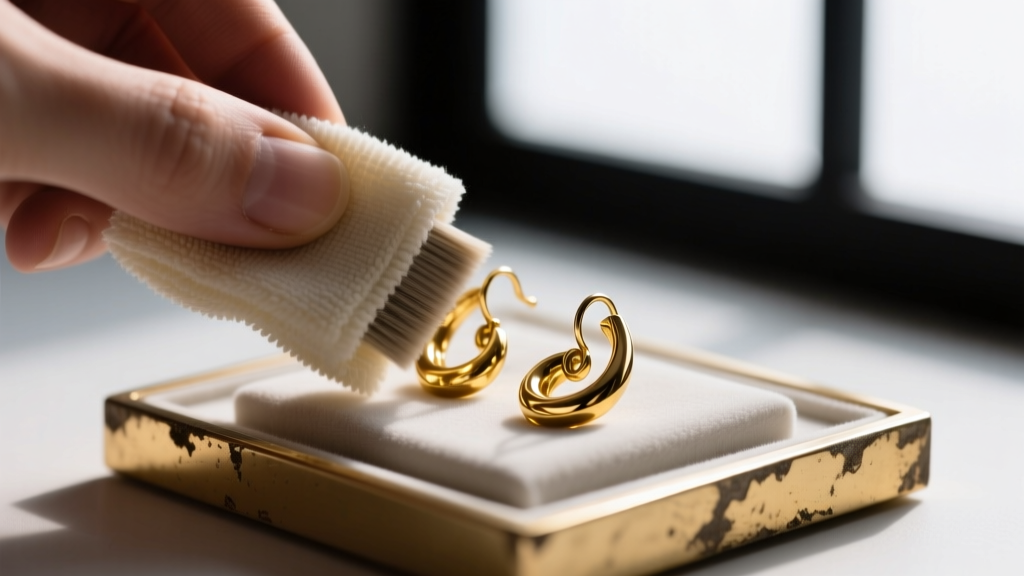
As noted by the Gemological Institute of America (GIA), chemical dips designed to remove tarnish rely on thiourea and acids that will instantly dissolve flash plating. If your multipack earrings have dulled, the safest method is a gentle bath in warm water with a drop of Dawn dish soap, followed by a meticulous drying with a lint-free microfiber cloth. Moisture trapped in the crevices of a hoop clasp or a butterfly back will accelerate galvanic corrosion.
Upgrading the Hardware: Swapping Backs and Hooks
The hardware included in a bulk pack of earrings is often an afterthought. The standard "butterfly" or "friction" backs provided in these sets are frequently stamped from low-grade alloys with rough, unfinished edges. These rough edges scrape the delicate skin of the earlobe, while the tight, enclosed design traps sebum, dead skin cells, and bacteria, leading to foul odors and localized infections.
The Dangle Conversion Hack
If you have a pack of beautiful but highly allergenic brass dangles or studs, you can bypass the base metal entirely by converting them.
- Use flush cutters to snip off the cheap brass post or hook.
- File the remaining nub smooth with a diamond nail file.
- Attach a 5mm or 6mm 20-gauge jump ring to the earring's loop.
- Thread the jump ring onto a high-quality, hypoallergenic hook made from ASTM F136 implant-grade titanium or 14k solid gold.
Ditching the Butterfly Back
For studs, discard the provided metal butterfly backs immediately. Replace them with medical-grade silicone friction backs or 316L stainless steel "la pousette" (screw-back or locking) clasps. Silicone backs distribute the pressure evenly across the back of the earlobe, preventing the deep indentations and pressure necrosis caused by tight, cheap metal backs.
When to Toss the Pack: Recognizing Irreversible Damage
Not every earring in a multipack can be saved. Troubleshooting is only viable when the structural integrity and safety of the piece remain intact. You must discard the earrings if you observe any of the following failure modes:
- Deep Pitting: If the brass base metal has begun to pit or flake away in chunks, the electroplating process failed at the factory level. This cannot be polished out.
- Cracked Epoxy on Faux Stones: Budget packs often use glass or resin stones glued with cheap cyanoacrylate. If the glue is cracking or the stone is loose, moisture will seep underneath, turning the brass black and harboring bacteria.
- Compromised Hinge Mechanisms: If a hoop or huggie earring's hinge feels gritty, or the clicker closure no longer snaps securely, the internal tension wire is bent. Forcing it closed will result in the earring snapping or falling out and being lost.
Pro Tip for the Future: When shopping for a pack of earrings, always read the fine print regarding the base metal. Look for listings that explicitly state "316L Stainless Steel Base" or "ASTM F136 Titanium Base," even if they are plated with gold PVD (Physical Vapor Deposition). PVD coating over steel is vastly superior to electroplated gold over brass, offering years of tarnish-free wear without the allergy risks.
Conclusion
A bulk pack of earrings does not have to be a fast-fashion failure. By understanding the metallurgy of your jewelry, employing gentle, non-abrasive cleaning techniques, and strategically upgrading the posts and backs with hypoallergenic alternatives, you can safely salvage your favorite designs. Armed with nylon-jaw pliers, barrier creams, and titanium hardware, you can transform a questionable budget purchase into a versatile, skin-safe rotation that lasts well beyond its intended expiration date.


