The Ultimate Buying Guide to Screw Backs Earrings
Discover what to look for when buying screw backs earrings. Learn about thread types, implant-grade metals, gauge sizes, and troubleshooting tips.

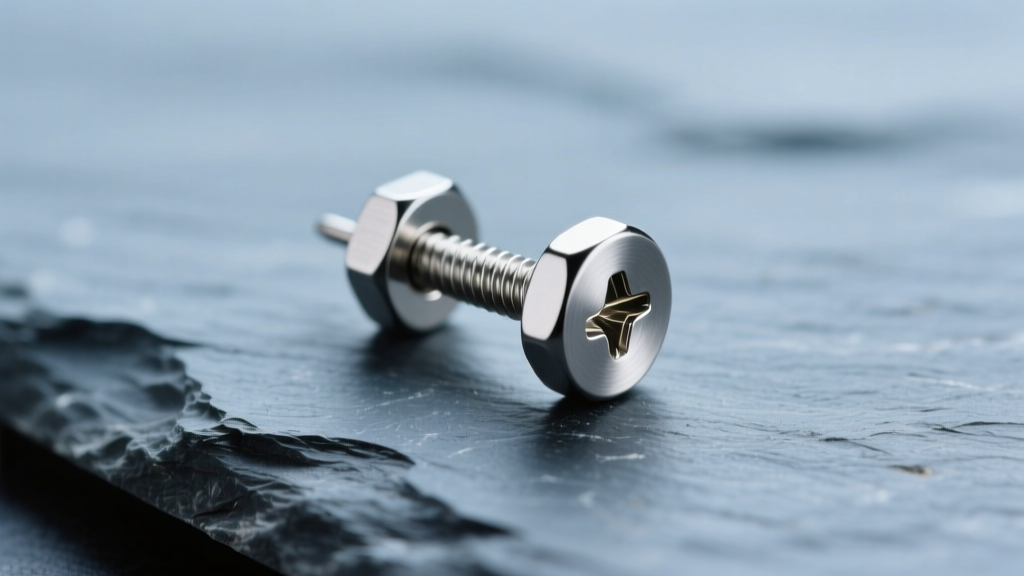
When it comes to securing your favorite studs, friction backs (often called butterfly backs) are notorious for slipping off, getting lost in hair, and causing discomfort while sleeping. Enter screw backs earrings: the gold standard for secure, comfortable, and long-lasting ear jewelry. Whether you are shopping for active children, healing cartilage piercings, or simply want peace of mind that your diamond studs won't disappear, screw-back mechanisms offer a mechanical lock that friction simply cannot match.
However, not all threaded jewelry is created equal. From thread pitch and gauge sizing to metallurgical grades, buying the right pair requires a bit of technical knowledge. This comprehensive guide breaks down exactly what to look for when investing in high-quality screw back earrings.
Why Choose Screw Backs Over Friction Backs?
Standard push-back earrings rely on tension and friction to stay in place. Over time, the metal loops on a butterfly back loosen, leading to lost earrings and irritated piercings. Screw backs earrings utilize a threaded post and a corresponding threaded nut (or a threaded front and smooth post, which we will cover below). This creates a physical interlock that will not vibrate loose during exercise, sleep, or daily wear.
Furthermore, screw backs are vastly superior for hygiene. Traditional butterfly backs feature crevices that trap dead skin, sebum, and hair products, leading to foul odors and localized infections. A high-quality screw back—particularly a flat-back labret style—creates a seamless, flush surface against the back of the earlobe or cartilage, eliminating debris traps and allowing the piercing channel to breathe.
The Critical Difference: Internal vs. External Threading
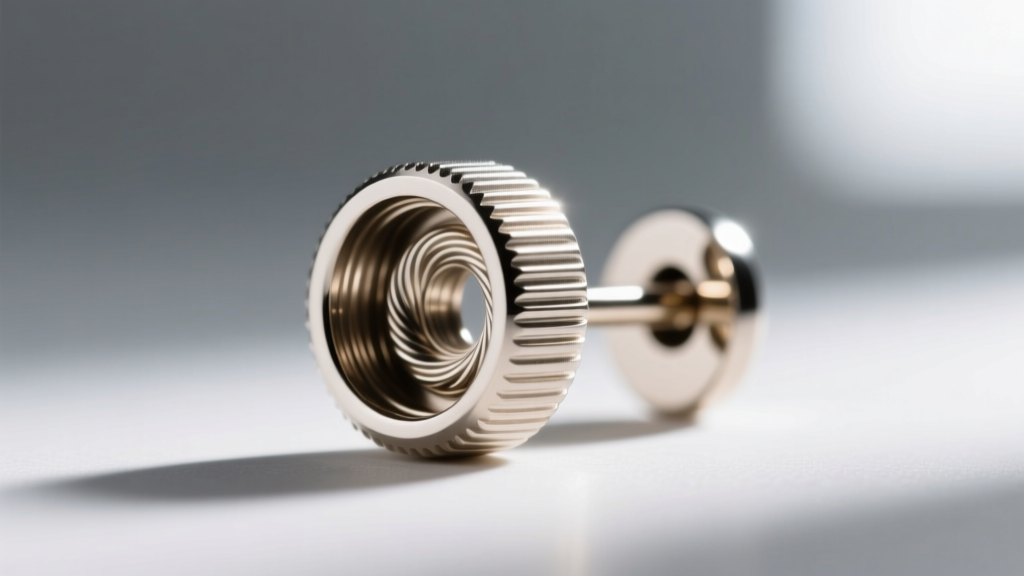
The most crucial decision you will make when buying screw backs earrings is choosing between internal and external threading. This distinction is especially vital for fresh piercings or those prone to irritation.
Externally Threaded (The Budget Option)
In externally threaded jewelry, the screw threads are cut directly into the post that passes through your ear. As the post slides through the fistula (the piercing hole), those sharp, ridged threads can cause micro-tears in the delicate tissue. The Association of Professional Piercers (APP) strongly advises against externally threaded jewelry for healing piercings due to this tissue trauma.
Internally Threaded (The Professional Standard)
Internally threaded jewelry features a completely smooth post. The threading is located on the inside of the backing nut or the decorative front end. This means only smooth, polished metal passes through your piercing channel. While internally threaded screw backs earrings are more expensive to manufacture due to the precision machining required, they are the undisputed standard for comfort, safety, and tissue health.
Material Grades: Protecting Your Piercings
The metal composition of your earrings dictates how your body will react to them. When browsing product descriptions, look for these specific material certifications:
- Implant-Grade Titanium (ASTM F-136): This is the premier material for sensitive ears and fresh piercings. It is entirely nickel-free, lightweight, and highly resistant to corrosion. Ensure the listing specifies implant-grade, not just 'titanium steel' (which is often a marketing term for low-grade alloys).
- Solid 14k or 18k Gold: High-karat gold is excellent for long-term wear, provided it is alloyed without nickel. Reputable jewelers will explicitly state their gold is nickel-free and cadmium-free.
- Metals to Avoid: Steer clear of 'surgical steel' or 316L stainless steel if you have metal sensitivities. Surgical steel contains between 8% and 12% nickel, which is a primary trigger for allergic contact dermatitis, as noted by the Mayo Clinic.
Sizing Matrix: Gauge and Post Length
Buying the correct size ensures the screw back sits flush without squeezing the tissue (which causes necrosis) or leaving a gap (which causes snagging and migration). Below is a standard sizing matrix for screw backs earrings based on piercing placement.
| Piercing Type | Standard Gauge | Standard Post Length | Thread Pitch |
|---|---|---|---|
| Standard Earlobe | 20G (0.81mm) or 18G (1.0mm) | 6mm - 8mm | 0.9mm |
| Upper Lobe / Helix | 18G (1.0mm) or 16G (1.2mm) | 6mm - 8mm | 0.9mm or 1.2mm |
| Conch / Flat | 16G (1.2mm) or 14G (1.6mm) | 6mm - 10mm | 1.2mm |
| Tragus | 16G (1.2mm) | 5mm - 7mm | 1.2mm |
Note: Thread pitch refers to the distance between the threads. A 16G post typically uses a 1.2mm thread pitch, meaning a 16G screw back will not fit an 18G post, even if the brand is the same. Always match your backing to your exact post gauge and pitch.
Real-World Troubleshooting & Maintenance
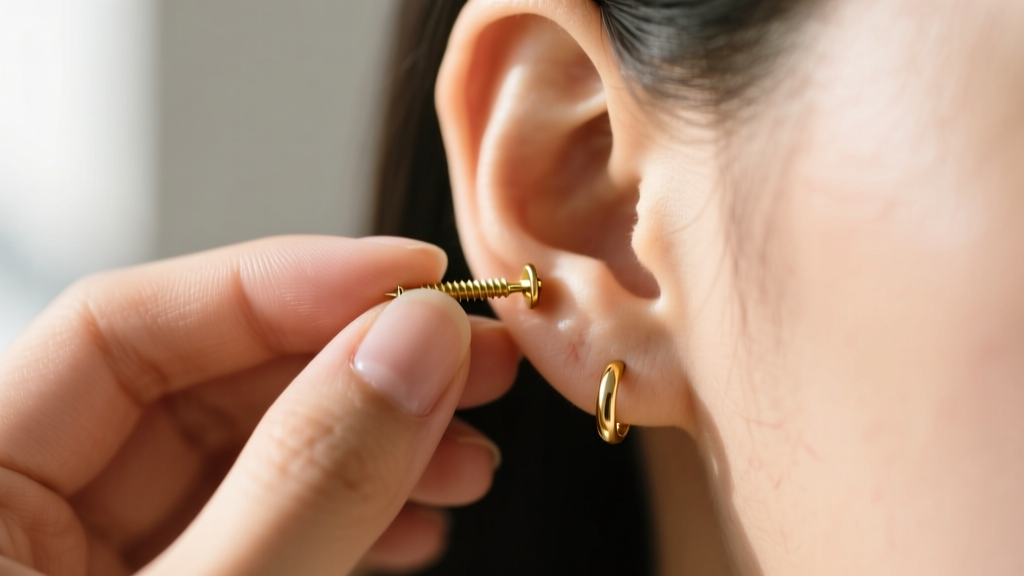
Even the best screw backs earrings can encounter mechanical issues if handled improperly. Here is how to troubleshoot common problems:
Cross-Threading
If the back feels stuck and won't turn, do not force it. Forcing causes cross-threading, where the metal threads grind against each other and strip. Instead, gently reverse the back (turn counter-clockwise) until you feel a subtle 'click' or drop. This indicates the threads have realigned. Then, proceed to tighten clockwise.
Overtightening and Stripping
Tighten the screw back only until it meets resistance, then give it a gentle quarter-turn. Overtightening can stretch the metal and strip the internal threads, rendering the backing useless. If you struggle with grip, use a specialized jewelry rubber gripper pad rather than metal pliers, which will scratch and weaken the gold or titanium.
Debris Buildup
Body oils and lotions can act like glue inside the threading. Once a week, unscrew the back and soak both the post and the nut in a small cup of warm water with a drop of mild, fragrance-free dish soap. Use a soft-bristled baby toothbrush to gently sweep the threads clean before air-drying.
Pricing Tiers & What to Expect
Because of the precision machining required, screw backs earrings command a higher price point than stamped friction-back jewelry. Here is what you can expect to pay in the current market:
- Budget ($20 - $45): Usually externally threaded, made from surgical steel or lower-grade titanium. Acceptable for fully healed, non-sensitive standard lobes, but not recommended for cartilage.
- Mid-Range ($50 - $120): Internally threaded, implant-grade titanium (ASTM F-136) or basic 14k gold. This is the sweet spot for everyday wear, healing piercings, and active lifestyles.
- Fine Jewelry ($150 - $500+): Internally threaded, solid 14k or 18k gold, often featuring precision-set diamonds or genuine gemstones. Brands in this tier offer custom post lengths and proprietary thread pitches for a flawless fit.
Final Thoughts
Upgrading to screw backs earrings is a one-time investment in the security and health of your piercings. By prioritizing internally threaded mechanisms, verifying implant-grade materials, and selecting the precise gauge and post length for your anatomy, you will eliminate the frustration of lost earrings and irritated piercing channels. Always purchase from reputable piercers or specialized jewelry brands that transparently list their metallurgical standards and thread specifications.


