How to Fit and Style Wrap Earrings for Any Ear Shape
Master the art of wearing wrap earrings. Learn step-by-step how to fit, secure, and style cartilage wraps for any ear shape without slipping.

What Exactly Are Wrap Earrings?
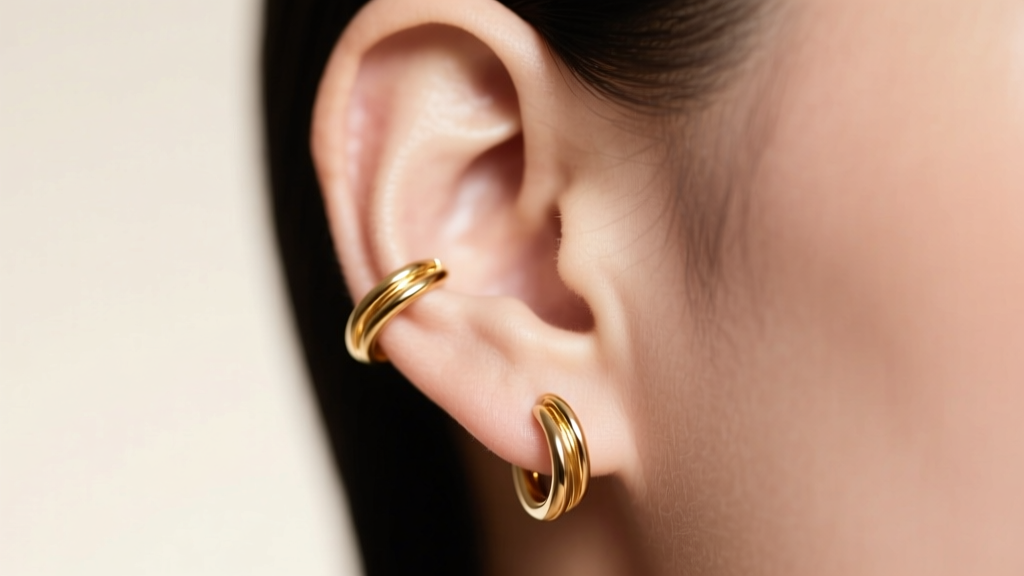
Wrap earrings, often referred to as ear cuffs or helix wraps, are a staple in modern ear curation. Unlike traditional studs or hoops that require a pierced fistula, wrap earrings rely on tension and anatomical contouring to stay in place. They wrap around the outer rim of the ear (the helix), the lower lobe, or even the mid-ear scapha. Because they do not require a needle, they are an excellent option for those who want the look of a complex cartilage piercing without the months-long healing process.
However, the most common complaint regarding wrap earrings is slippage. An ill-fitting wrap will slide off the moment you brush your hair or put on a sweater. To solve this, you must understand the mechanics of wire tension, ear anatomy, and proper application techniques. This guide will walk you through the exact steps to secure, adjust, and style your wrap earrings for a flawless, all-day hold.
Step-by-Step Guide: Applying a Cartilage Wrap
Putting on a helix wrap earring requires a bit more finesse than simply pushing a post through a piercing. Follow these steps to ensure a secure fit that won't damage the metal or your skin.
Step 1: Prep and Sanitize
Before applying any non-pierced jewelry, cleanse the outer rim of your ear with a cotton pad soaked in 70% isopropyl alcohol. This removes natural sebum, skincare residue, and sweat. Oils act as a lubricant and are the primary reason wrap earrings slide off the cartilage. According to the Association of Professional Piercers, maintaining a clean surface is vital for both skin health and jewelry stability, even when no open wound is present.
Step 2: Locate the Thinnest Cartilage Ridge
Run your finger along the outer rim of your ear. You are looking for the thinnest, most prominent ridge of the helix. This is your "anchor point." Do not attempt to slide the wrap over the thicker, flatter parts of the cartilage, as the wire will not have enough surface area to grip.
Step 3: Slide and Rotate
Gently open the wrap earring just enough to clear the thickness of your cartilage. Slide it onto the ear from the top down or from the outer edge inward, depending on the design. Once it is past the thickest part of the rim, rotate it so the decorative element sits exactly where you want it (usually the mid-helix or upper scapha).
Step 4: The Tension Squeeze
This is the most critical step. Using your thumb and index finger, gently pinch the sides of the wrap earring together. You want to close the gap just enough so that it hugs the cartilage snugly. Warning: Do not squeeze too hard, or you risk work-hardening and snapping the metal, especially if it is sterling silver.
The Science of Tension: Wire Gauges and Metal Tempers
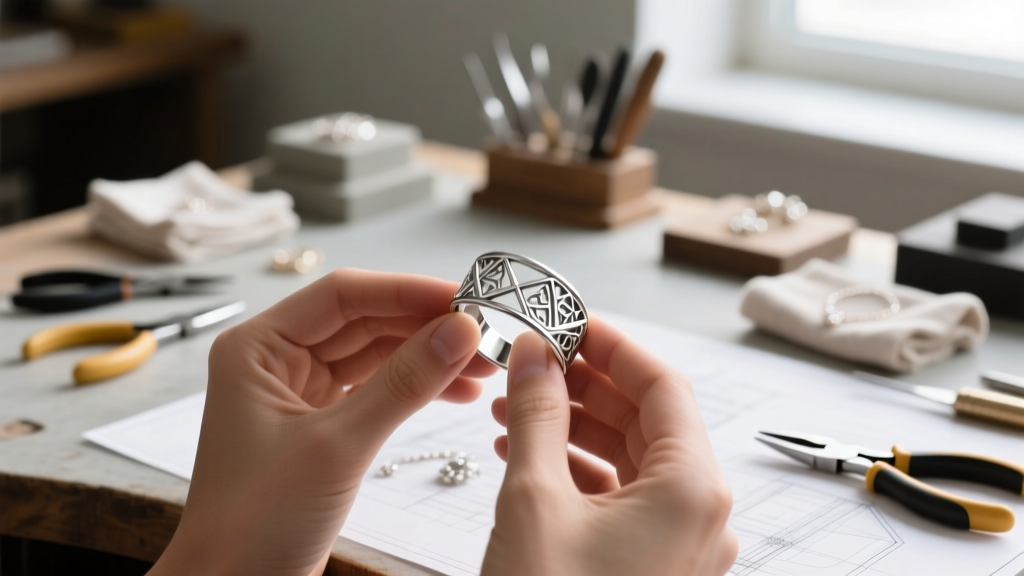
To truly master wrap earrings, you need to understand the materials they are made from. Jewelry wire is manufactured in specific gauges (thicknesses) and tempers (hardness levels). This directly impacts how well your earring will hold its shape.
- Gauge Size: Most high-quality wrap earrings are crafted from 18-gauge (1.0mm) or 20-gauge (0.8mm) wire. An 18-gauge wire provides a sturdy, heavy-duty grip that is less likely to bend out of shape, making it ideal for larger, gemstone-heavy wraps. A 20-gauge wire is more delicate and easier to adjust, perfect for minimalist, dainty helix climbers.
- Wire Temper: The "temper" refers to the metal's hardness. "Dead soft" wire is easily bent but will lose its shape quickly, causing the earring to fall off. "Full hard" wire holds its shape perfectly but is nearly impossible to adjust to your unique ear shape without specialized jewelry pliers. The gold standard for wrap earrings is half-hard temper, which offers the perfect balance of malleability for custom fitting and structural memory to maintain tension.
Material Comparison Chart
| Metal Type | Malleability | Durability & Risks | Best Wrap Style |
|---|---|---|---|
| Sterling Silver (925) | Medium | Prone to work-hardening; can snap if bent repeatedly. | Minimalist helix cuffs |
| 14k Gold-Filled | High | Malleable and durable, but sharp crimps can flake the gold layer. | Intricate wire-wrapped vines |
| Solid 14k/18k Gold | Low to Medium | Extremely durable, retains tension well, highest price point. | Thick, structural ear armor |
| Titanium (Grade 23) | Very Low | Hypoallergenic, virtually unbreakable, but cannot be adjusted at home. | Pre-shaped tension cuffs |
For deep insights into how different precious metals react to stress and bending, the Gemological Institute of America (GIA) provides extensive metallurgical guidelines that jewelry designers use to select the right alloys for tension-based pieces.
Troubleshooting: Why Do My Wrap Earrings Keep Falling Off?
If you have followed the application steps and your wrap earrings are still slipping, consider these common failure modes and their solutions:
1. The Wrap is Top-Heavy
If your wrap earring features a large cluster of crystals or a long dangling chain, the center of gravity will pull it away from your ear. Solution: Look for wrap earrings that feature a secondary "lobe wrap" or a small post that anchors the piece in two places, distributing the weight evenly across the ear.
2. Your Cartilage is Too Thick or Too Thin
Standard wrap earrings are designed for an average helix rim thickness of about 3mm to 5mm. If your cartilage is exceptionally thick, the wire will sit too wide, failing to create tension. If it is very thin, the wrap will slide up and down the rim. Solution: Purchase adjustable open-cuff styles rather than closed-loop wraps, allowing you to overlap the ends slightly to reduce the inner diameter.
3. Environmental Friction
Wool scarves, high-collared coats, and over-ear headphones are the natural enemies of wrap earrings. The friction catches the decorative elements and pries the wire open. Solution: Reserve delicate, single-point wrap earrings for indoor events or summer months, and opt for secure, hinged cartilage clips during the winter.
Styling Your Ear Stack with Wrap Earrings
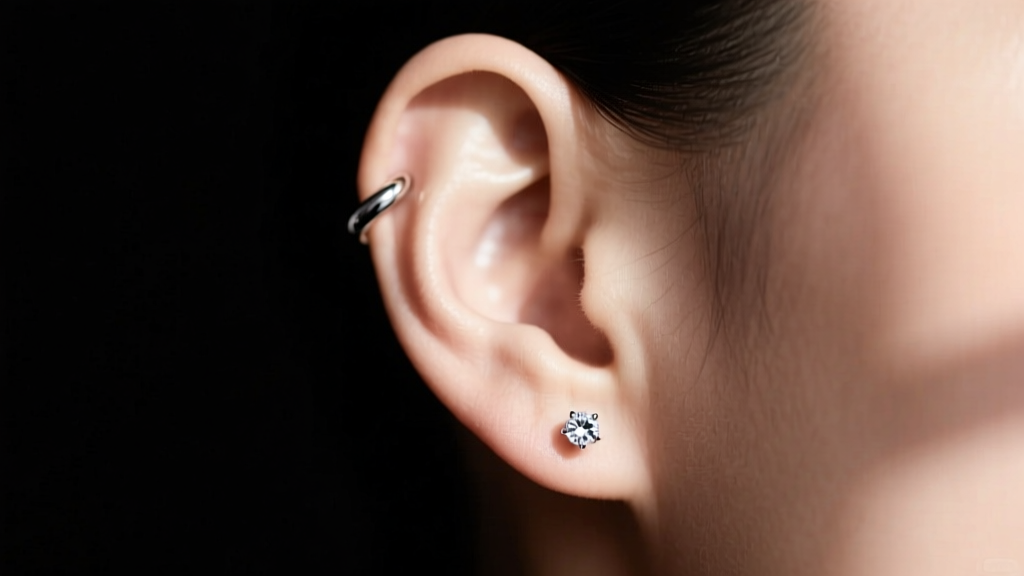
Wrap earrings are incredibly versatile and can elevate a simple ear stack into a curated masterpiece. The key to styling is balance and negative space.
- The Minimalist Stack: Pair a delicate 20-gauge gold helix wrap with a simple diamond or moissanite stud in the upper lobe, and a tiny 8mm huggie hoop in the lower lobe. This creates a diagonal line of symmetry across the ear.
- The Statement Look: If you are wearing a bold, heavily embellished ear cuff that covers the scapha and anti-helix, leave the rest of the ear bare. Let the wrap earring be the focal point. Adding too many studs will make the ear look cluttered and distract from the wrap's intricate design.
- Mixing Metals: While matching metals was once a strict rule, modern curation embraces mixed metals. Try a silver-toned wrap earring on the helix paired with warm gold-filled lobe hoops. The contrast highlights the architectural shape of the wrap.
Expert Maintenance and Hygiene
Because wrap earrings sit tightly against the skin and trap dead skin cells and sebum, they require regular maintenance. Once a week, remove your wraps and wash them in a small bowl of warm water with a drop of mild, fragrance-free dish soap. Use an extra-soft baby toothbrush to gently scrub the inside of the wire where it touches the cartilage.
Never use harsh chemical dips or ultrasonic cleaners on wrap earrings that feature glued-in gemstones or enamel detailing, as the vibrations and chemicals can loosen the adhesive. Store your wraps in a dedicated compartment of your jewelry box, separated from heavier pieces. If a heavy bracelet or necklace rests on top of a delicate wire wrap, it will warp the metal, ruining the tension required to keep it on your ear.
By understanding the mechanics of wire tension, respecting the anatomical nuances of your ear, and maintaining strict hygiene, your wrap earrings will remain a secure, stunning addition to your jewelry collection for years to come.


