How to Secure and Customize Earrings with French Hooks
Learn how to secure, style, and customize earrings with french hooks. Step-by-step guide on silicone stoppers, wire wrapping, and gauge matching.

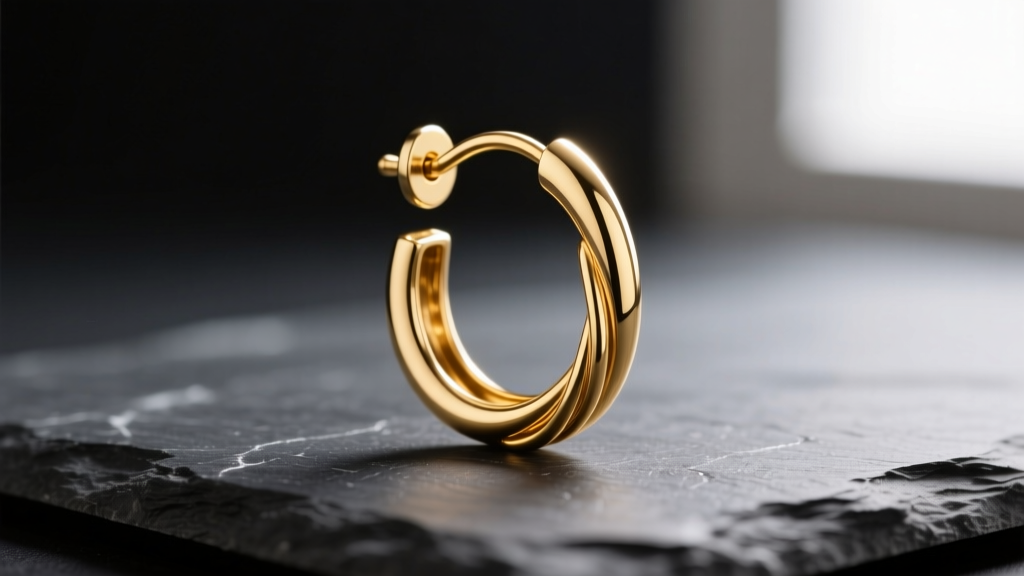
The Anatomy of French Hook Earrings
French hooks, frequently referred to as shepherd's hooks or fishhooks, remain one of the most popular earring findings in modern jewelry design. Their elegant, minimalist silhouette allows dangling gemstones and metal drops to move freely, catching the light with every turn of the head. However, designing and wearing earrings with french hooks requires a precise understanding of wire gauges, metallurgy, and gravity.
According to industry standards outlined by Rio Grande, the vast majority of commercial french hooks are crafted in either 20-gauge (0.81mm) or 22-gauge (0.64mm) wire. A 20-gauge wire provides the structural integrity needed for heavier drops, such as large quartz briolettes or solid brass geometric shapes, without warping under the weight. Conversely, a 22-gauge wire is significantly thinner, making it ideal for delicate pearls or lightweight chain tassels, and is often preferred by individuals with tighter, more sensitive ear piercings. The standard inner diameter of the top loop on a french hook typically ranges from 2.0mm to 3.0mm, which dictates the size of the jump rings or wire-wrapped loops you can attach.
Step-by-Step: How to Keep French Hooks from Falling Out
The most common frustration with earrings with french hooks is their tendency to slip out of the earlobe, especially when removing winter clothing, brushing hair, or talking on the phone. Because the wire lacks a mechanical locking mechanism, you must introduce friction or alter the wire's geometry to secure them.
Method 1: The Silicone Friction Backing
Silicone earring stoppers are the most reliable, non-destructive way to secure french hooks. Unlike rigid plastic butterfly backs that can crack or pinch the earlobe, high-durometer silicone grips the wire smoothly.
- Step 1: Purchase silicone disc backs with a 1.0mm hole. Discs are preferable to cylindrical 'bullet' backs for french hooks because they distribute pressure evenly and are less likely to snag on hair.
- Step 2: Push the french hook wire through the piercing.
- Step 3: Slide the silicone disc onto the back of the wire, pushing it flush against the back of the earlobe. Do not push it to the very end of the wire, as the sharp flush-cut edge can scratch the neck.
Method 2: The Jeweler's 'S-Curve' Bend
If you prefer not to use backings, you can alter the wire itself. This technique requires a gentle touch to avoid work-hardening and snapping the metal.
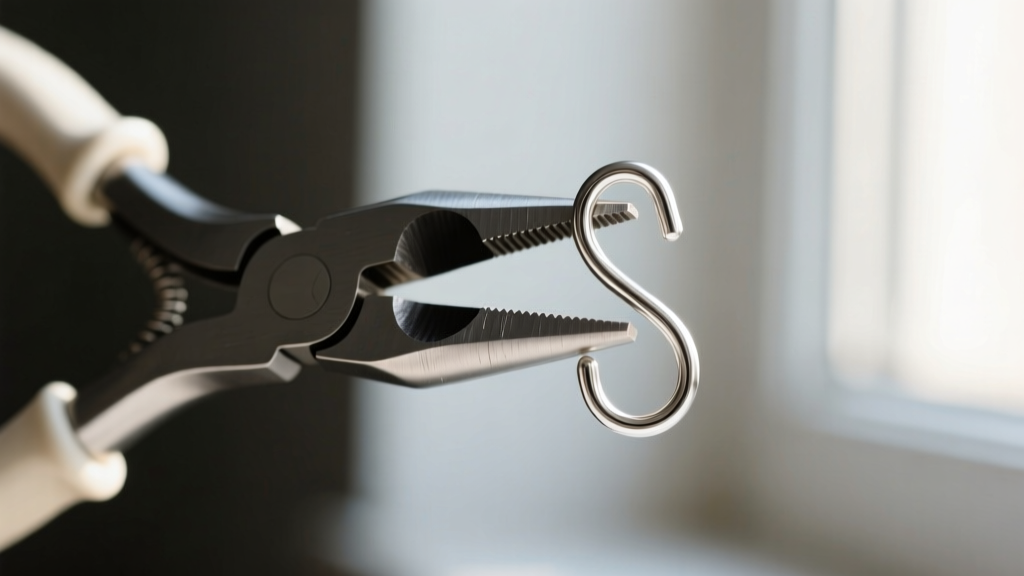
- Step 1: Using chain-nose or flat-nose pliers with nylon jaws (to prevent marring the metal), grip the straight tail end of the french hook, about 4mm from the tip.
- Step 2: Apply gentle, steady pressure to bend the tip slightly outward, away from the main curve of the hook.
- Step 3: Move your pliers up 2mm and bend the wire back in the opposite direction, creating a subtle 'S' or zigzag shape.
- Step 4: This creates a physical barrier that catches on the earlobe tissue, preventing the earring from sliding forward while remaining comfortable enough to wear all day.
DIY Guide: Converting Pendants into Earrings with French Hooks
Creating custom earrings with french hooks from loose pendants or raw stones is a foundational jewelry-making skill. The connection point between the drop and the hook is the most critical stress point in the assembly.
Essential Tools for the Workbench
- Flush Cutters: For trimming wire cleanly without leaving sharp pinched edges.
- Round-Nose Pliers: Essential for forming perfectly circular wrapped loops.
- Chain-Nose Pliers: For gripping, opening jump rings, and tucking wire tails.
- Mandrel or Steel Block: For hammering and hardening wire if you are forging your own hooks.
Step-by-Step Wire Wrapping a Briolette Drop
Instead of relying on a jump ring, which can pull open under stress, use a wrapped loop to attach a top-drilled briolette to your french hook.
- Thread a 24-gauge dead-soft sterling silver wire through the top-drilled hole of your gemstone.
- Bend both wire ends upward so they meet above the stone. Wrap the shorter wire tightly around the longer wire two or three times to lock the stone in place.
- Using your round-nose pliers, form a small loop at the top of the longer wire.
- Wrap the remaining tail tightly down the neck of the wire, covering the initial wraps. Trim the excess with flush cutters and tuck the sharp end in with chain-nose pliers.
- Open the top loop of your french hook by twisting it laterally (never pull it apart like a C-clamp, which weakens the metal) and slide on your newly wrapped briolette.
Jump Ring Sizing Chart for French Hooks
If you are using jump rings instead of wire wrapping, matching the jump ring's inner diameter (ID) and wire thickness to the french hook is crucial. Wholesale findings suppliers like Halstead Bead emphasize that a jump ring must be thick enough not to pull open, but thin enough to slide freely onto the hook's loop.
| French Hook Gauge | Recommended Jump Ring ID | Recommended Jump Ring Wire | Best Application |
|---|---|---|---|
| 20-Gauge (0.81mm) | 3.0mm - 4.0mm | 20-Gauge or 18-Gauge | Heavy gemstone drops, metal blanks |
| 22-Gauge (0.64mm) | 2.5mm - 3.0mm | 22-Gauge or 20-Gauge | Delicate chains, small pearls, lightweight resin |
| 24-Gauge (0.51mm) | 2.0mm - 2.5mm | 24-Gauge | Micro-beads, ultra-fine thread tassels |
Metallurgy: Choosing the Right Wire for Sensitive Ears
Because the wire of a french hook passes entirely through the fistula (the piercing channel), the metallurgy of the finding is paramount for client comfort and long-term wearability. Standard 'surgical steel' is a broad marketing term that often contains nickel, a primary contact allergen.
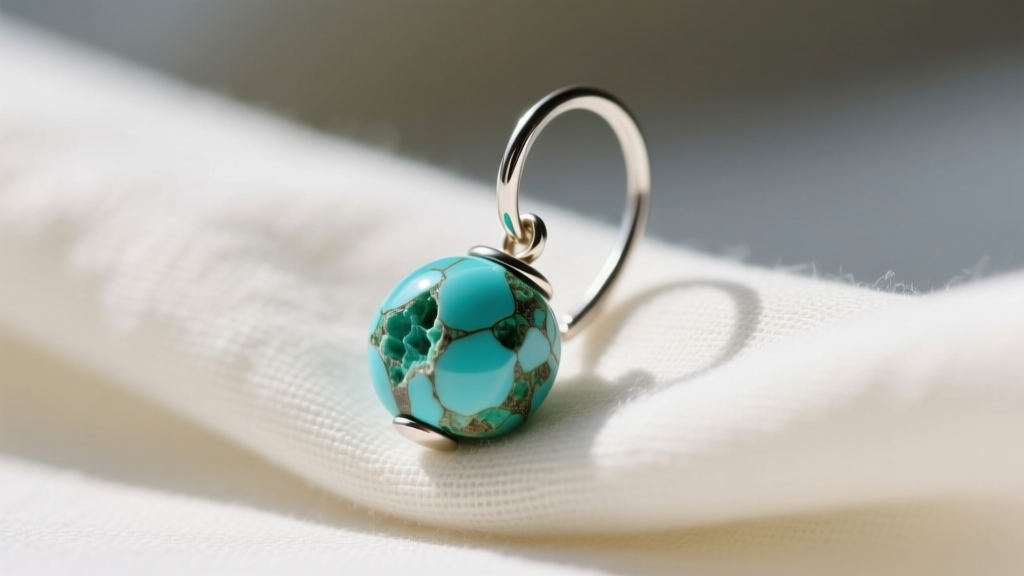
For clients with hypersensitive piercings, you must source specific, certified alloys:
- ASTM F136 Implant-Grade Titanium: This is the gold standard for fresh piercings and severe metal allergies. It contains zero nickel and is highly resistant to corrosion from skin oils and cosmetics. Titanium french hooks are slightly stiffer than silver, meaning they hold their shape beautifully but require careful handling when bending the S-curve.
- Niobium: An elemental metal that is completely hypoallergenic. Niobium is softer than titanium, making it incredibly easy to manipulate for custom bends. Furthermore, niobium can be anodized using a simple electrical setup to produce vibrant, permanent colors like deep purples, teals, and golds without the use of toxic plating baths.
- 14k or 18k Solid Gold (Nickel-Free): Ensure your gold is alloyed with silver, copper, or palladium rather than nickel. White gold, in particular, is frequently alloyed with nickel to achieve its silver color, so always verify the alloy composition when sourcing white gold french hooks.
Troubleshooting Common French Hook Issues
Even with high-quality materials, makers and wearers of earrings with french hooks encounter specific mechanical issues. Here is how to troubleshoot them like a professional bench jeweler.
Issue: The Wire Keeps Bending Out of Shape
Cause: You are likely using dead-soft wire for your findings, or the drops are too heavy for the gauge. Solution: Purchase 'half-hard' wire findings. If you are making your own hooks from spooled wire, you must work-harden them after forming the shape. Tumble the finished hooks in a rotary tumbler with stainless steel shot and burnishing compound for 45 minutes, or gently tap the straight portion of the wire with a rawhide mallet against a steel bench block to compress the metal's grain structure.
Issue: The Top Loop Pulls Open
Cause: The loop on the french hook was manufactured by simply bending the wire, leaving a microscopic gap where the wire meets the curve. Solution: Always close the loop on your french hooks before attaching heavy drops. Use two pairs of flat-nose pliers to gently twist the wire end so it sits perfectly flush against the side of the loop, eliminating the gap. For a permanent fix, apply a microscopic dot of jeweler's laser weld or high-strength cyanoacrylate to the seam.
Issue: Tarnishing and Discoloration
Cause: Sterling silver reacts with sulfur in the air and hydrogen sulfide in sweat, creating black silver sulfide. Solution: Store finished earrings with french hooks in ziplock bags with 3M anti-tarnish strips. For a permanent solution, apply a nano-ceramic coating or electroplate the silver findings with a thick layer of rhodium, which provides a brilliant, tarnish-resistant finish that mimics white gold.


