How to Buy Shell Dangle Earrings: Materials and Fit Guide
Discover how to choose the perfect shell dangle earrings. Learn about shell types, hypoallergenic metals, gauge sizes, and pricing in our expert guide.

The Allure of Shell Dangle Earrings: Beyond Basic Beachwear
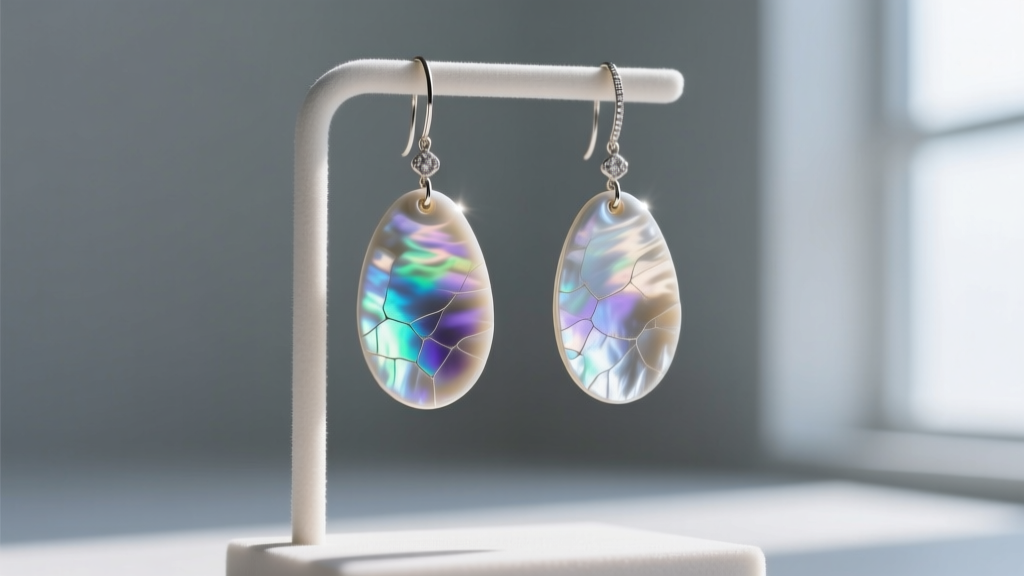
Shell jewelry has transcended its origins as casual, mass-produced beachwear to become a staple of high-end artisanal and fine jewelry collections. When shopping for shell dangle earrings, the aesthetic appeal of iridescent nacre or organic textures is only half the equation. The true mark of a quality piece lies in its structural integrity, the biocompatibility of its hardware, and its long-term wearability. Because shells are organic gemstones composed primarily of calcium carbonate, they possess unique physical properties that dictate how they should be cut, drilled, and suspended. This comprehensive buying guide will equip you with the technical knowledge required to evaluate shell dangle earrings, ensuring your investment is both beautiful and anatomically sound for your ear lobes.
Decoding Shell Varieties: Nacre, Puka, and Conch
Not all shells are created equal. The GIA Gem Encyclopedia classifies organic gemstones based on their structural composition, which directly impacts their durability in dangling applications. Understanding the specific type of shell used in your earrings is the first step in making an informed purchase.
| Shell Type | Mohs Hardness | Weight Profile | Porosity & Care |
|---|---|---|---|
| Mother of Pearl (Nacre) | 2.5 - 3.0 | Medium to Heavy | Low porosity, but highly sensitive to acids and heat. |
| Puka Shell | 2.5 - 3.5 | Very Lightweight | Highly porous; absorbs oils and sweat easily. |
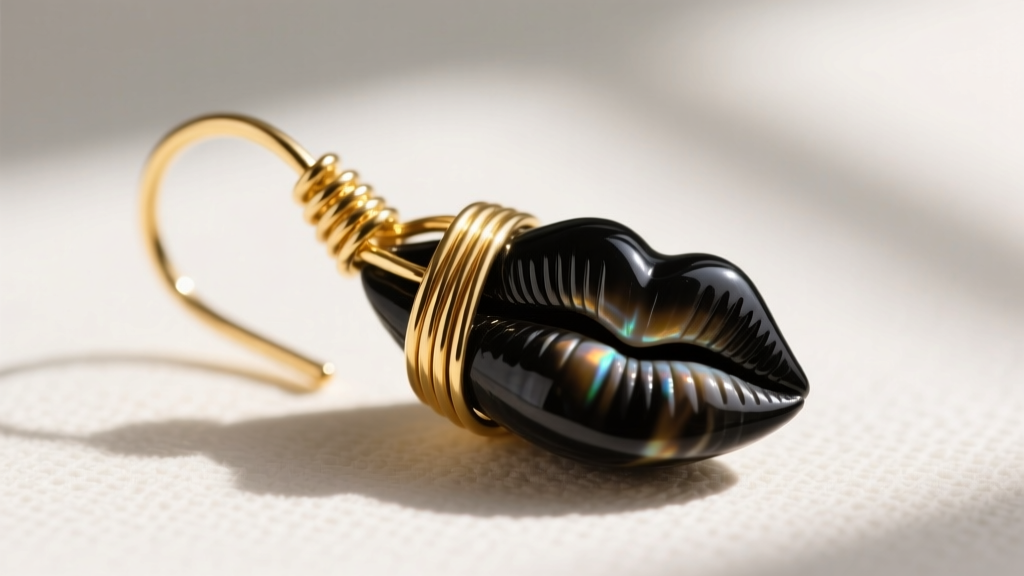
| Black Lip Shell | 2.5 - 3.0 | Medium | Low porosity, features dark, striking iridescent bands. |
| Conch Shell | 3.0 - 3.5 | Heavy | Low porosity, but extremely brittle if dropped. |
For dangle earrings, weight and brittleness are your primary concerns. Mother of pearl offers the most brilliant flash of color but requires careful wire-wrapping rather than aggressive drilling to prevent micro-fractures. Puka shells, naturally occurring with a central hole, are exceptionally lightweight, making them ideal for oversized dangle designs that won't fatigue the earlobe. Conch shells, while visually stunning with their pink and peach hues, are dense and heavy; they are best suited for smaller, minimalist dangles.
The Hardware: Metal Alloys and Gauge Specifications
The most common failure point in shell dangle earrings is not the shell itself, but the metal hardware connecting it to your ear. Heavy organic pendants require specific metallurgical standards to prevent allergic contact dermatitis and physical tissue damage.
Wire Gauge and the Cheese-Cutter Effect
Standard earlobe piercings are typically performed at 20-gauge (0.81mm) or 18-gauge (1.02mm). When a heavy shell dangle is suspended on a thin 22-gauge (0.64mm) wire, the downward force concentrates on a microscopic surface area. Over time, this causes the "cheese-cutter effect," a phenomenon where the thin wire slowly migrates through the earlobe tissue, causing permanent stretching and tearing. When evaluating shell dangles, always check the post or wire thickness. Opt for 18-gauge (1.02mm) or 16-gauge (1.29mm) ear wires for any shell pendant exceeding 5 grams. According to guidelines published by the Association of Professional Piercers (APP), thicker wires distribute weight more evenly and significantly reduce the risk of tissue migration.
Hypoallergenic Requirements
Because dangle earrings swing and move, the metal post creates continuous friction against the delicate fistula (the inside of the piercing channel). Plated brass or copper alloys will quickly wear down, exposing the skin to nickel and causing severe reactions. Insist on ASTM F136 implant-grade titanium for the post, or solid 14k/18k gold for the ear wire. Avoid "gold-plated" or "gold-filled" hooks for heavy shell dangles, as the friction from the weight will strip the plating within months.
Weight Distribution and Ear Lobe Health
The physics of a dangle earring dictates that the further the center of mass is from the piercing hole, the greater the torque applied to the earlobe. A long, heavy shell dangling two inches below the lobe exerts significantly more stress than a compact, clustered shell drop.
"Patients frequently present with elongated piercing tracts and thinned earlobe tissue due to chronic wear of heavy statement earrings. To preserve the structural integrity of the earlobe, daily wear dangles should ideally remain under 10 grams per ear."
— Dermatological consensus on jewelry-induced tissue trauma
When shopping, hold the earring in your hand. If it feels substantial, check the product specifications for the exact gram weight. For all-day comfort, seek out shell dangles that utilize an "ear climber" or "ear cuff" secondary support mechanism. These designs anchor the earring higher up on the cartilage, redistributing the weight of the heavy shell away from the vulnerable lower lobe.
Pricing Tiers: What You Should Actually Pay
The market for shell dangle earrings is vast, ranging from fast-fashion accessories to heirloom-quality fine jewelry. Understanding the pricing tiers will help you identify genuine value and avoid overpaying for mass-produced items.
- Tier 1: Mass-Market / Fast Fashion ($10 - $35)
These pieces typically feature fragmented or reconstituted shell chips glued onto brass or stainless steel findings. The shells are often coated in a synthetic resin to prevent chipping, which dulls their natural luster. Expect the hardware to tarnish quickly. - Tier 2: Artisanal / Handcrafted ($45 - $120)
This is the sweet spot for quality. Artisans use ethically sourced, hand-carved whole shells paired with sterling silver or 14k gold-filled wire wrapping. The shells are polished using natural tumbling methods rather than chemical baths, preserving the nacre's depth. - Tier 3: Fine Jewelry ($150 - $500+)
At this level, shell dangles are integrated with precious gemstones (like diamonds or sapphires) and set in solid 18k gold or platinum. The shells are precision-cut by master lapidaries, and the ear wires feature secure locking mechanisms, such as la pousette backs, to prevent loss.
Maintenance: Preventing Calcium Degradation
Shells are highly reactive to their environment. The calcium carbonate matrix is easily dissolved by acids, including the lactic acid present in human sweat, as well as the citric acid found in many perfumes and sunscreens. To maintain the structural integrity and iridescent flash of your shell dangle earrings, you must adopt a strict maintenance protocol.
Never use ultrasonic jewelry cleaners on shell earrings. The high-frequency acoustic cavitation will cause the microscopic layers of nacre to delaminate and shatter. Instead, clean your earrings using a pH-neutral liquid castile soap diluted in distilled water. Gently wipe the shell with a microfiber cloth, ensuring you remove all sebum and skin oils from the crevices of the carving. Always apply your perfumes, hairsprays, and lotions at least ten minutes before putting on your shell earrings to allow the volatile alcohols and acidic compounds to evaporate. By treating your shell dangles as delicate organic gems rather than indestructible stones, you will ensure they remain a vibrant, comfortable staple in your jewelry rotation for years to come.