What Does One Earring in the Right Ear Mean? Style Guide
Wondering what does one earring in the right ear mean? We decode the history, modern styling rules, and troubleshoot asymmetrical piercing issues.

The Short Answer: Decoding the Single Right Earring
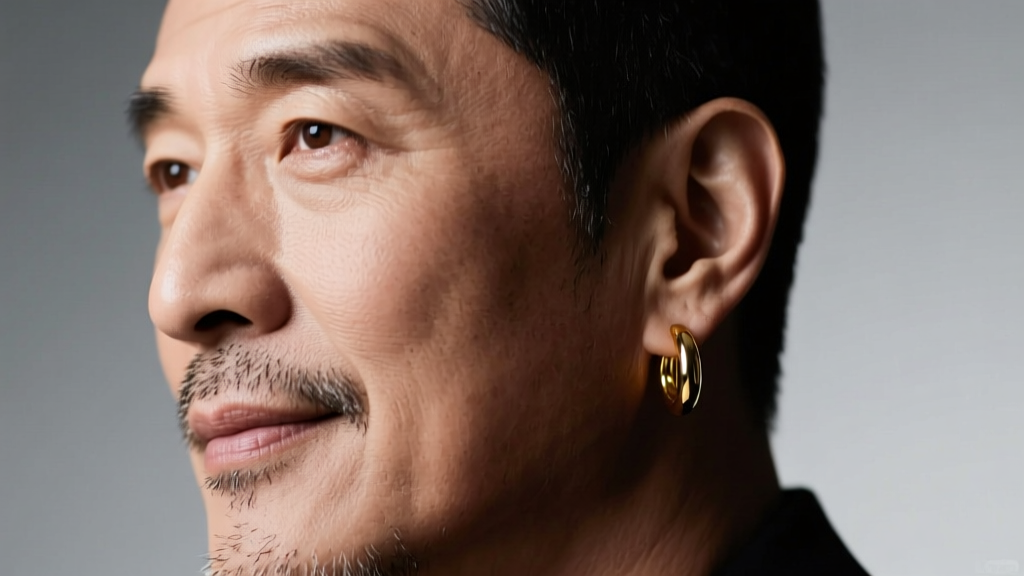
If you have found yourself asking, what does one earring in the right ear mean, you are tapping into a decades-old cultural conversation that blends historical signaling, modern gender-fluid fashion, and practical anatomical troubleshooting. The short answer for 2026? It means absolutely nothing regarding your sexual orientation or secret affiliations. Today, a single right earring is a deliberate exercise in asymmetrical styling, a nod to vintage hip-hop aesthetics, or simply the result of navigating complex piercing healing timelines.
However, because the historical baggage of the "right ear code" still lingers in the minds of older generations, wearers often need a strategic framework to style their solo right-ear jewelry. Furthermore, from a professional piercing perspective, maintaining a single earring on the right side often requires troubleshooting specific anatomical challenges, such as sleep-induced migration and unilateral lobe stretching. This guide breaks down the history, the modern reality, and the physical troubleshooting required to master the single right earring.
Historical Baggage vs. Modern Styling
The 1980s and 1990s "Hanky Code" Myth
To understand the cultural weight of the right ear, we must look back to the late 20th century. During the 1970s through the 1990s, a covert signaling system emerged within the LGBTQ+ community, often summarized by the problematic rhyme: "Left is right, and right is wrong." In an era where overt expressions of homosexuality were met with severe social and professional backlash, a single piercing in the right ear served as a quiet identifier among gay men.
According to historical fashion analyses documented by Vogue, this code was never universally standardized and varied wildly by region and subculture. By the time the late 1990s and early 2000s arrived, the code had largely collapsed under the weight of mainstream hip-hop and pop-punk cultures, where asymmetrical ear styling became a staple of rebellious, heterosexual male fashion icons.
The 2026 Gender-Fluid Reality
In contemporary fashion, the concept of gendered jewelry placement is entirely obsolete. High-fashion runways and streetwear alike embrace unilateral styling. Wearing a single earring in the right ear today signals a keen understanding of visual weight and facial geometry. It draws the eye to a specific side of the face, highlighting the jawline or the part of the hair, without the visual clutter of bilateral symmetry.
Asymmetrical Piercing Troubleshooting: Why Just the Right Ear?
Beyond aesthetic choices, many enthusiasts end up with only a right-ear earring due to practical troubleshooting. Piercings are wounds, and the human body is rarely perfectly symmetrical in its healing capabilities. Here are the most common physical reasons a wearer might default to a single right earring, and how to solve them.
1. The Right-Side Sleeper's Dilemma
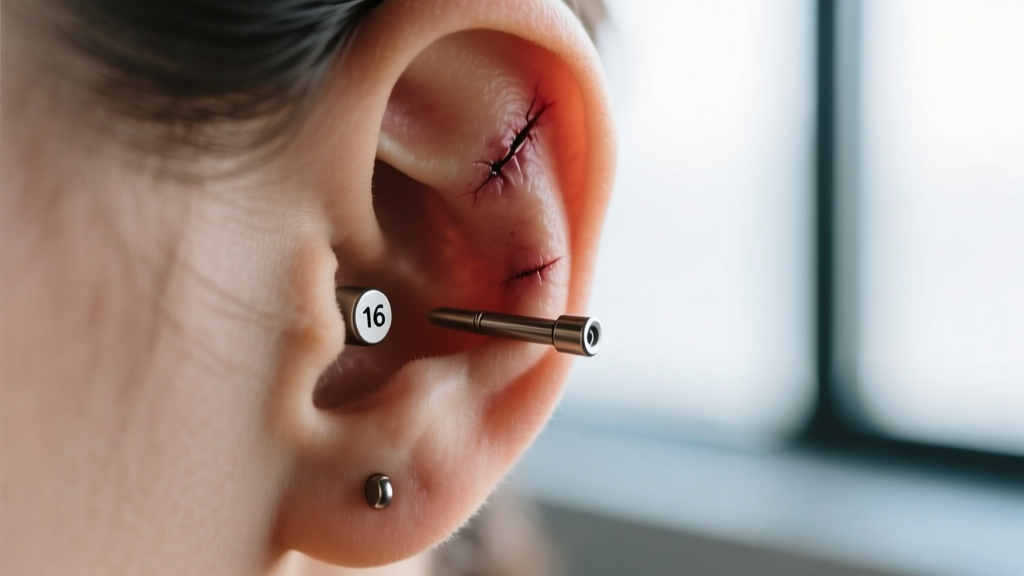
If you are a natural right-side sleeper, your right ear takes the brunt of nocturnal friction and pressure. This constant compression can cause standard lobe piercings to migrate, or cartilage piercings (like the helix or conch) to develop irritation bumps. The Fix: Switch to a 22-momme mulberry silk pillowcase. The ultra-low friction coefficient of high-grade silk prevents the jewelry post from catching and tearing the delicate fistula (the piercing channel). Additionally, utilize a U-shaped travel pillow, placing your ear in the center hollow to eliminate direct pressure.
2. Unilateral Lobe Stretching and Blowouts
Heavy statement earrings, such as solid brass or 18k gold drop styles, exert continuous downward gravitational force. If you favor wearing heavy pieces on your right side, you risk gradual tissue thinning or a "blowout" (where the jewelry tears through the back of the lobe). The Fix: Limit heavy earrings to a maximum of 8 hours of wear. For daily use, switch to hollow-tube hoops or lightweight acrylics. If your right lobe is already stretched to a 10-gauge or 8-gauge unintentionally, transition to single-flare glass plugs to allow the tissue to rest and contract slightly over a 6-month period.
3. Metal Allergies and Localized Rejection
Sometimes, a left-ear piercing fails while the right thrives due to localized contact dermatitis or varying nickel sensitivities. If your left ear consistently rejects jewelry, stop forcing it. Instead, embrace the right ear with implant-grade titanium (ASTM F136), which contains zero nickel and boasts a mirror-polished surface that minimizes bacterial adhesion.
Piercing Specifications for Solo Right Ear Statements
When committing to a single, standout piece on the right ear, the structural integrity of the piercing is paramount. A lone earring draws 100% of the attention, meaning any redness, swelling, or improper gauge will be immediately noticeable. Refer to the troubleshooting chart below to ensure your right-ear canvas is healthy enough to support your chosen style.
| Piercing Location | Standard Gauge | Recommended Jewelry for Solo Styling | Full Healing Time |
|---|---|---|---|
| Standard Lobe | 20G - 18G | 14k Gold Huggies, Threadless Studs | 6 - 8 Weeks |
| Upper Lobe | 18G - 16G | Small Seamless Hoops, Prong-Set Gems | 8 - 12 Weeks |
| Helix (Cartilage) | 16G - 14G | Flat-Back Labrets, Clickers | 6 - 12 Months |
| Conch | 14G - 12G | Large Diameter Hoops, Conch Cuffs | 9 - 12 Months |
For authoritative aftercare protocols to ensure your solo piercing remains pristine, always refer to the guidelines established by the Association of Professional Piercers (APP). Sterile saline solution (0.9% sodium chloride) applied twice daily remains the gold standard for troubleshooting minor right-ear irritation.
Styling Frameworks: Balancing Visual Weight
Wearing one earring in the right ear creates an intentional visual imbalance. To prevent this from looking like a mistake, you must counterbalance the "heavy" right side with strategic styling on the left. Here is a practical decision framework for asymmetrical balance:
- The Hair Part Rule: If your right ear is adorned with a heavy, sparkling chandelier or a thick 12-gauge gold hoop, part your hair on the left side. Sweeping your hair away from the right ear exposes the neck and jawline, giving the heavy earring room to breathe, while the volume of hair on the left balances the visual weight of the metal on the right.
- The Eyewear Counterweight: If you wear glasses, choose frames with a slightly thicker or darker left temple arm. This subtle asymmetry tricks the eye into perceiving the overall face as balanced, despite the unilateral jewelry.
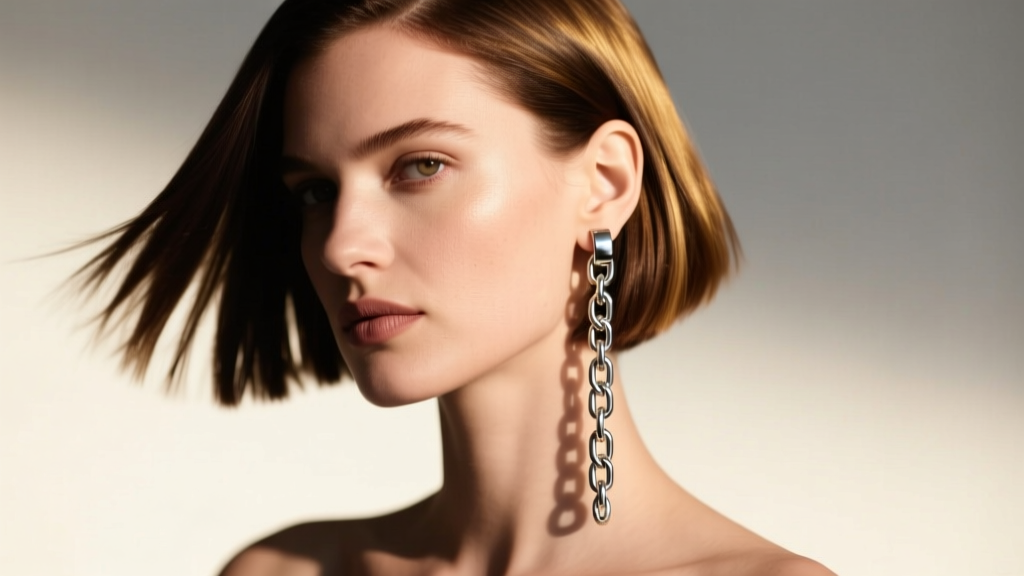
- The Neckline Anchor: Pair a single right-ear drop earring with an asymmetrical top or a one-shoulder garment that exposes the right collarbone. This creates a continuous, unbroken line of styling on the right side of the body.
Non-Pierced Alternatives for the Right Ear
What if you want to test the single right-ear look, but your left ear is currently healing from a botched piercing, or you simply lack the lobe real estate? The modern jewelry market offers sophisticated, non-pierced alternatives that eliminate the risk of infection or migration entirely.
"Asymmetry in jewelry is no longer a coded message; it is a masterclass in visual weight. A well-placed ear cuff on the right helix can completely redefine the architecture of the face without a single needle." — Contemporary Styling Frameworks, 2025
Troubleshooting Ear Cuff Slippage: The most common complaint with right-ear cuffs is that they slide down the cartilage ridge and fall off. To solve this, look for cuffs made from memory metal or those featuring a micro-adjustable tension screw. Before applying the cuff, wipe the right ear's cartilage ridge with a quick swipe of rubbing alcohol to remove natural skin oils, ensuring the metal grips the skin securely throughout the day.
Final Verdict: Wear What You Want
So, what does one earring in the right ear mean today? It means you are confident enough to break bilateral symmetry. It means you understand how to manipulate visual weight to highlight your best facial features. Whether you are rocking a minimalist 18-gauge titanium stud, a vintage 14k gold sleeper hoop, or an elaborate ear cuff arrangement, the "rules" of the past have been entirely rewritten. Focus on the health of your tissue, the quality of your metals, and the geometry of your styling, and let the single right earring serve as your signature statement.


