How to Get an Earring Out of the Sink & Buy Sink-Safe Backings
Learn exactly how to get an earring out of the sink drain, plus our expert buying guide to sink-safe earring backings and secure studs.

The Panic Moment: How to Get an Earring Out of the Sink
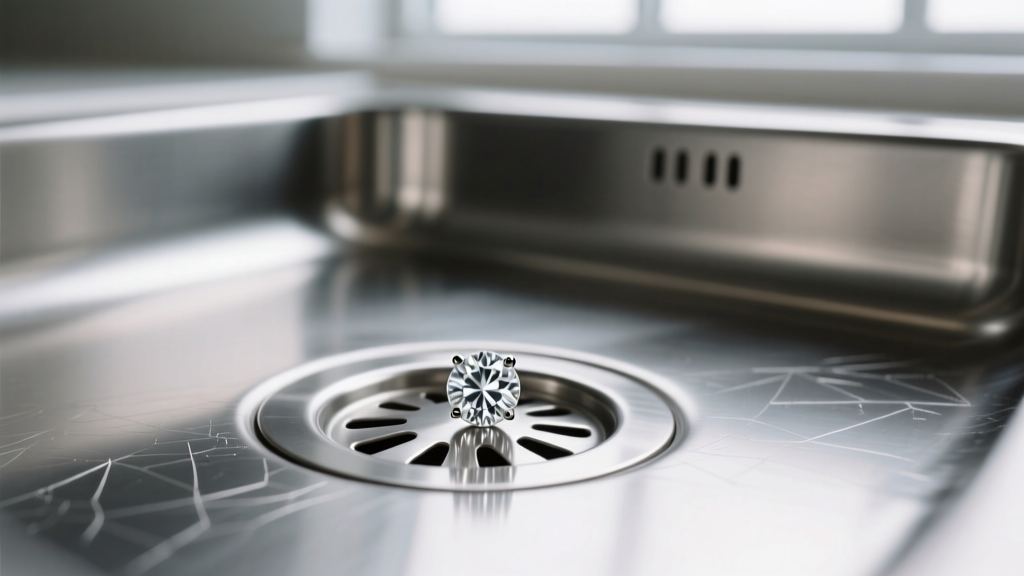
There are few moments in a jewelry lover’s life more stomach-dropping than hearing the faint clink of a diamond stud or gold hoop hitting the porcelain, followed by the splash of it sliding down the drain. If you are currently staring down the sink grate wondering how to get an earring out of the sink, take a deep breath and step away from the faucet. Do not run the water. In almost all modern bathroom and kitchen sinks, the plumbing is designed with a built-in catch mechanism that works in your favor.
Before we dive into our comprehensive buying guide on how to purchase sink-safe earrings and secure backings to prevent this from ever happening again, let’s address the immediate emergency. Retrieving a lost earring requires understanding the anatomy of your sink’s P-trap and the physical properties of fine metals.
Step-by-Step P-Trap Retrieval
The U-shaped pipe beneath your sink is called a P-trap. Its primary purpose is to hold a small pool of water that blocks sewer gases from entering your home. Fortunately, gravity and the U-bend mean your earring is likely sitting right at the bottom of this curve. According to plumbing experts at Family Handyman, removing the P-trap is a straightforward process that requires zero specialized tools.
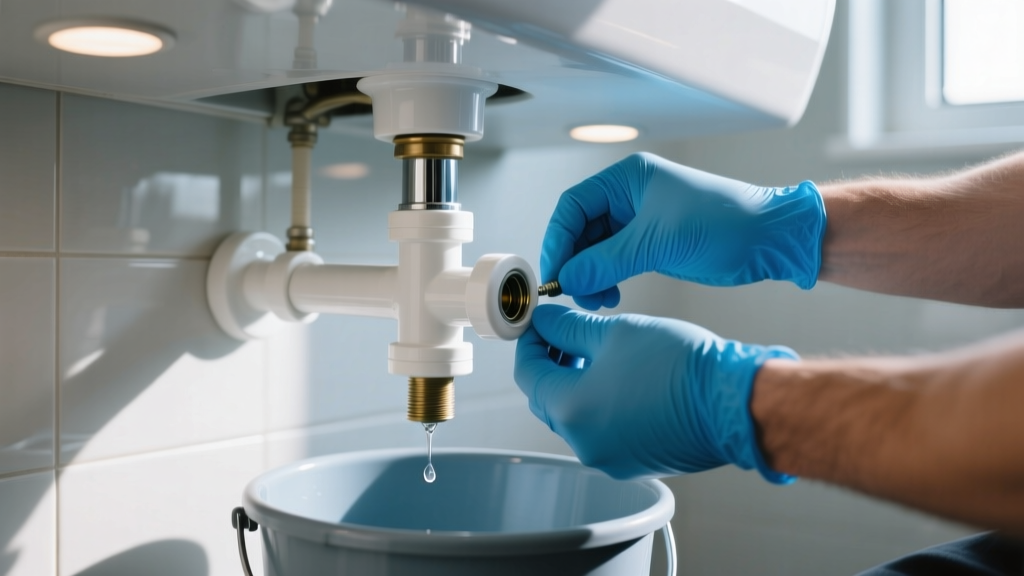
- Step 1: Clear out the cabinet under the sink and place a small bucket or towel directly beneath the U-shaped pipe.
- Step 2: Locate the two slip nuts connecting the P-trap to the vertical drain and the horizontal wall pipe. If they are PVC plastic, you can usually unscrew them by hand. If they are chrome-plated brass, use slip-joint pliers with a rag wrapped around the nut to prevent scratching.
- Step 3: Carefully lower the trap. Be prepared for a rush of stagnant water and debris (toothpaste, hair, and soap scum).
- Step 4: Empty the contents into your bucket. Sift through the debris to locate your earring, post, or backing. Inspect the rubber O-rings on the slip nuts before reassembling to ensure a watertight seal.
The Wet-Vac and Magnet Myths
Many online forums suggest using a strong neodymium magnet on a string to fish out lost jewelry. As a domain expert, I must caution you against relying on this method. Pure gold, sterling silver, and platinum are non-magnetic precious metals. Unless your earring features a stainless steel post, a nickel-heavy white gold alloy, or a magnetic base-metal clasp, a magnet will do absolutely nothing. A wet-dry shop vacuum with a pantyhose secured over the nozzle is a much more reliable, material-agnostic retrieval method if the P-trap is inaccessible.
The Ultimate Buying Guide to Sink-Safe Earring Backings
Once your jewelry is safely recovered, it is time to evaluate why it fell in the first place. The vast majority of sink losses occur due to the failure of standard friction backings, commonly known as butterfly clutches. Over time, the microscopic grooves on a 20-gauge (0.81mm) earring post wear down the internal metal or silicone tension of the clutch. When you pull a towel across your face or take off a sweater, the weakened friction gives way, and the earring plummets.
When shopping for fine jewelry, the backing mechanism is just as critical as the gemstone quality. The Gemological Institute of America (GIA) emphasizes that proper maintenance and secure settings are vital for protecting your jewelry investments. Below is a structural comparison of earring backings to help you make informed purchasing decisions.
| Backing Type | Security Level | Best For | Price Range (Add-on) |
|---|---|---|---|
| Standard Friction (Butterfly) | Low | Temporary wear, low-value fashion jewelry | $2 - $5 |
| Silicone O-Ring Stoppers | Medium | Active lifestyles, preventing sink slips | $5 - $10 (pack) |
| Screw-Back Threads | High | Children's earrings, sleepers, daily studs | $15 - $30 |
| La Pousette (Locking Clutch) | Very High | High-carat diamond studs, heavy drops | $40 - $85+ |
| Ear Cuffs / Continuous Hoops | Variable | Cartilage piercings, no-back required | $20 - $60 |
What to Look For When Buying Secure Studs and Drops
When evaluating earrings in a showroom or online, pay close attention to the post thickness and the backing weight. A heavy 1-carat diamond stud requires a thicker 18-gauge (1.02mm) post to prevent bending, which subsequently compromises the grip of a friction back. If you are purchasing drop earrings or dangles, the pendulum effect creates kinetic drag that can easily pull a loose stud through the earlobe and into the sink basin.
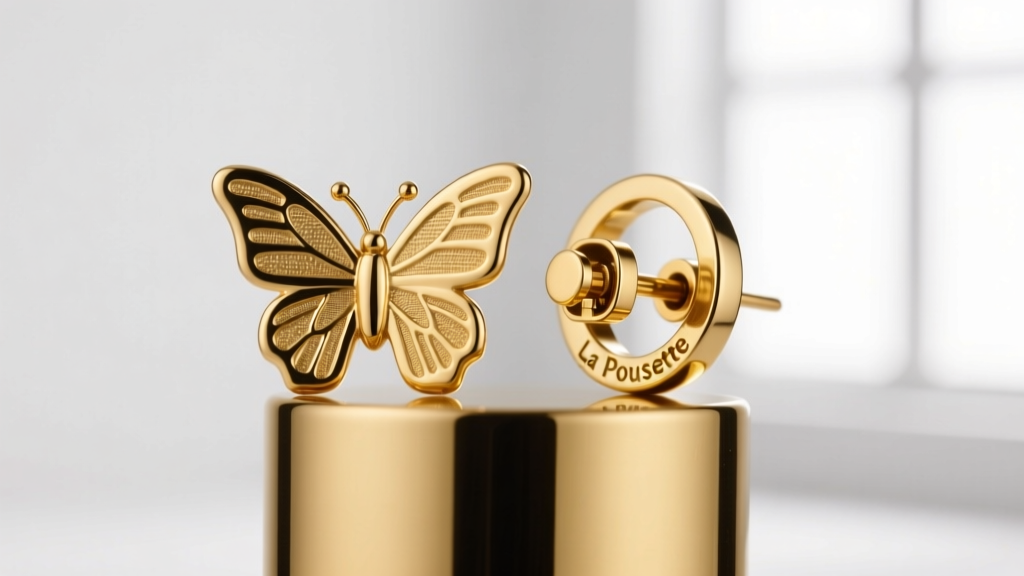
For high-value pieces, always opt for La Pousette backings. These ingenious mechanisms feature two tiny metal wings that retract when squeezed and lock securely into a specialized groove on the earring post. They require a deliberate, two-handed squeeze to remove, making them virtually impervious to accidental towel-snags or sink-edge bumps. If you already own beloved studs with standard posts, purchasing aftermarket silicone friction stoppers with a wide, flat flange will drastically increase the surface area and grip, reducing sink-loss risk by over 80%.
Preventative Plumbing: Sink Accessories for Jewelry Lovers
While secure backings are your first line of defense, modifying your sink environment is the ultimate insurance policy. If you frequently remove your earrings at the bathroom vanity before washing your face or showering, the physical space where you stage your jewelry matters.
Sink Strainers and Mesh Catchers
For kitchen sinks or utility basins where you might rinse jewelry, investing in a fine-mesh stainless steel drain strainer is non-negotiable. Standard drain grates have openings large enough for a 4mm earring backing or a delicate sleeper hoop to slip through. A micro-mesh catcher sits flush over the drain, allowing water to pass while trapping small metallic objects.
Silicone Vanity Mats
In the bathroom, the hard porcelain or composite surface of a sink basin acts as a trampoline for dropped jewelry. A small, ribbed silicone sink mat placed near the faucet provides a high-friction landing pad. If an earring back gives way, the silicone absorbs the kinetic energy, preventing the bounce that typically sends studs rolling directly into the drain grate.
Expert Verdict: Investing in Secure Fine Jewelry
Knowing how to get an earring out of the sink is a valuable troubleshooting skill, but it is one you should rarely need to use if you buy jewelry intelligently. The true cost of an earring is not just the retail price of the gold or diamonds; it includes the emotional toll and financial risk of losing it to the plumbing.
When building your jewelry wardrobe, prioritize pieces that feature threaded screw-backs or precision-machined locking clutches. Inspect the depth of the backing clutch, ensure the post gauge matches the weight of the earring, and never rely on worn-out butterfly backs for pieces you cannot afford to lose. By combining secure hardware with mindful sink-side habits, you can keep your favorite studs, hoops, and huggies exactly where they belong: on your ears, not in the P-trap.


