Ultimate Care Guide for Sofia James Earrings & Fine Jewelry
Learn how to properly clean, store, and maintain your Sofia James earrings. Expert tips for gold, gemstones, and pavé settings to keep them shining.

Understanding the Material Profile of Sofia James Earrings
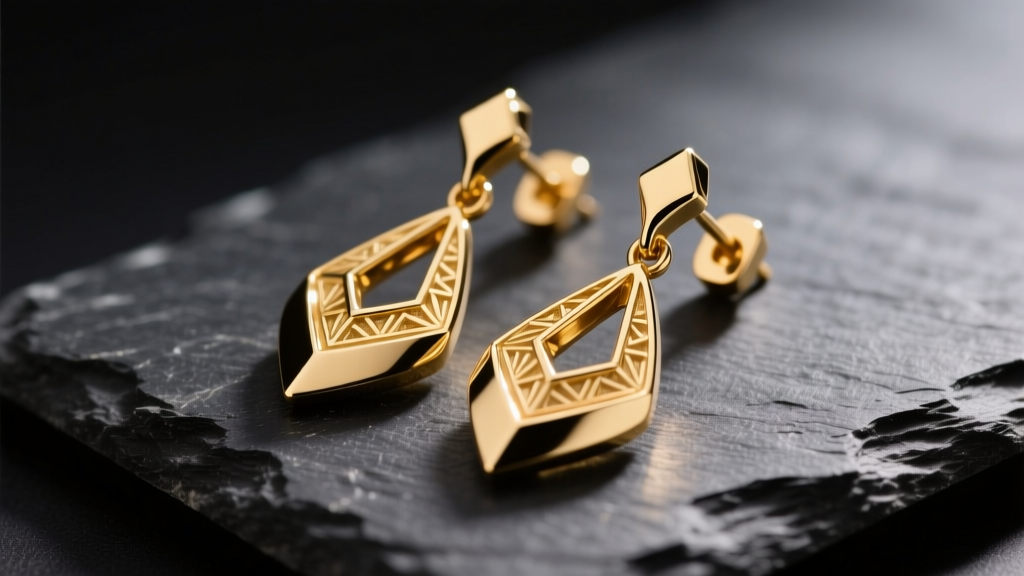
Investing in designer jewelry means investing in craftsmanship and material integrity. Sofia James earrings are celebrated for their intricate silhouettes, meticulous pavé work, and use of premium metals. However, even the finest 14k and 18k gold alloys, as well as high-micron gold vermeil, require a disciplined maintenance routine to preserve their structural and aesthetic brilliance. Unlike fast-fashion accessories, fine jewelry reacts dynamically to its environment. Understanding the metallurgical composition of your pieces is the first step in establishing a proper care protocol.
Most fine gold earrings are not pure 24k gold, which is too soft for daily wear. Instead, they are alloyed with metals like copper, silver, and zinc to increase durability. While this enhances the tensile strength of the earring posts and prongs, it also introduces vulnerabilities. Copper and silver are highly reactive to sulfur and chlorine, meaning your earrings are in a constant, slow-motion chemical battle with your environment and your own body chemistry.
The Chemistry of Tarnish and Environmental Degradation
Tarnish is not a sign of poor quality; it is a natural chemical reaction. When the alloyed metals in your Sofia James earrings are exposed to hydrogen sulfide in the air, or the sodium chloride and lactic acid present in human sweat, a layer of silver sulfide or copper chloride forms on the surface. This manifests as a dull, darkened film that obscures the metal's natural luster.
Biological and Chemical Accelerators
- Sebum and Sweat: The natural oils and acidic pH of your skin can accelerate the oxidation of copper alloys in 14k gold.
- Cosmetics and Aerosols: Hairsprays, perfumes, and lotions often contain volatile organic compounds (VOCs) and alcohols that can degrade the rhodium plating on white gold accents and dull the refractive index of diamonds.
- Chlorine Exposure: Swimming pools and hot tubs contain high levels of chlorine, which can cause 'stress corrosion cracking' in gold alloys, potentially leading to the catastrophic failure of delicate earring prongs.
Step-by-Step Cleaning Protocols by Material
To safely restore the brilliance of your earrings without causing micro-abrasions, you must match the cleaning agent to the specific material. According to the Jewelers of America, using harsh chemicals or abrasive brushes is the leading cause of preventable jewelry damage.
| Material / Setting | Safe Cleaning Agents | Strictly Avoid | Recommended Tools |
|---|---|---|---|
| 14k / 18k Solid Gold (No Stones) | pH-neutral dish soap, distilled water | Bleach, toothpaste, ammonia | Lint-free microfiber cloth |
| Gold Vermeil | Mild castile soap, lukewarm water | Ultrasonic cleaners, silver dip | Extra-soft baby toothbrush |
| Diamond Pavé Settings | Warm water, few drops of Dawn dish soap | Steam cleaners, harsh degreasers | Soft-bristled detailing brush |
| Porous Gemstones (Opal, Pearl) | Damp microfiber cloth only | Submersion in water, any soaps | Untreated cotton swabs |
Deep Cleaning Delicate Pavé and Gemstone Settings
Sofia James designs frequently feature intricate pavé settings, where dozens of micro-diamonds are held in place by microscopic beads of gold. While it might be tempting to drop these into a commercial ultrasonic cleaner, this is a critical error. Ultrasonic cleaners operate at high frequencies (typically 40kHz to 45kHz), creating cavitation bubbles that implode with immense localized force. This vibration can easily shake loose micro-prongs or shatter gemstones that have internal inclusions or fracture fillings.
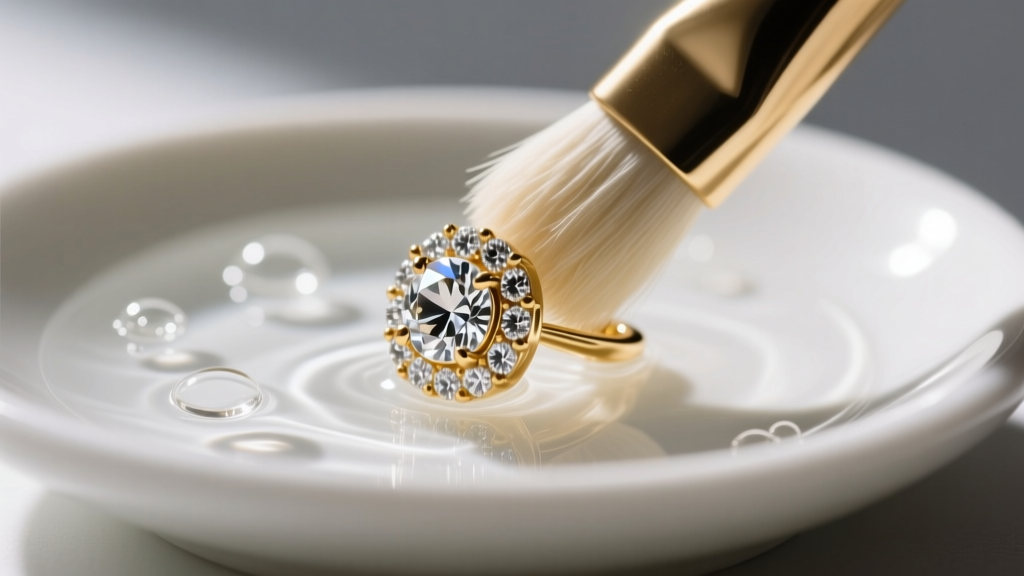
For a safe, deep clean of pavé earrings, follow this protocol:
- Mix three parts distilled water with one part pH-neutral liquid dish soap in a glass bowl.
- Allow the earrings to soak for no more than 15 minutes to loosen sebum and cosmetic buildup.
- Using an extra-soft baby toothbrush, gently sweep the bristles across the pavé settings in a single direction. Do not scrub in circles, as this can catch and bend micro-prongs.
- Rinse thoroughly under a gentle stream of lukewarm distilled water, ensuring the drain is securely plugged.
- Pat dry with a lint-free microfiber cloth and allow to air dry completely on a paper towel before storage.
When dealing with organic or porous gemstones, the rules change entirely. The Gemological Institute of America (GIA) warns that pearls and opals are highly sensitive to dehydration and chemical exposure. Opals contain up to 20% water; soaking them can lead to crazing (a network of fine cracks), while pearls can lose their nacreous luster if exposed to even mild soaps. Always wipe these specific earring styles with a barely damp cloth immediately after wearing.
Proper Storage: Preventing Micro-Scratches and Oxidation
How you store your Sofia James earrings when they are not on your ears is just as critical as how you clean them. The Mohs scale of mineral hardness dictates that materials can scratch anything with a lower numerical rating. Diamonds sit at a 10, while 18k gold sits around a 2.5 to 3. If you toss a diamond stud and a gold hoop into the same compartment, the diamond will inevitably carve micro-scratches into the gold.
Anti-Tarnish and Anti-Abrasion Solutions
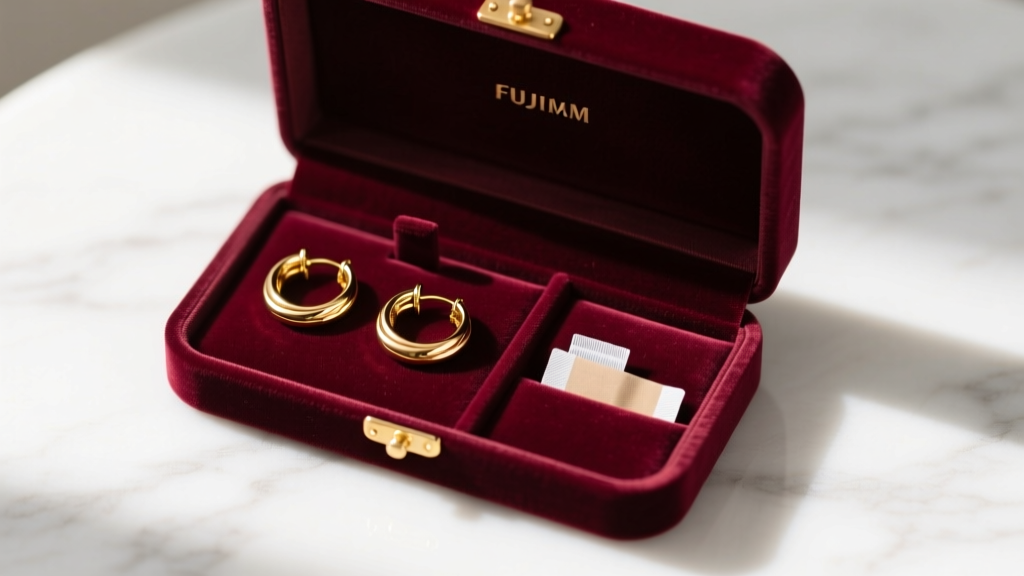
To mitigate both physical and chemical damage, implement a segmented storage system. Store each pair of earrings in its own soft, anti-tarnish flannel pouch. Avoid polyvinyl chloride (PVC) plastic bags, as PVC degrades over time and emits sulfur gases that rapidly accelerate tarnishing. Instead, opt for polyethylene ziplock bags if you must use plastic, and drop a 3M anti-tarnish strip inside each bag. These strips contain copper sulfate particles that act as a sacrificial anode, absorbing airborne sulfur before it can reach your gold alloys.
Troubleshooting Common Earring Hardware Issues
Beyond the aesthetic maintenance of the metal and stones, the mechanical hardware of your earrings requires periodic attention. A lost earring is often the result of ignored hardware fatigue rather than accidental snags.
- Friction Backs (Butterfly Clasps): Over time, the two metal loops on a standard friction back spread apart, reducing the tension against the earring post. Using a pair of nylon-jaw pliers (never metal-on-metal), gently squeeze the loops back together to restore the 'click' tension. Standard earring posts are 0.8mm (20-gauge) or 1.0mm (18-gauge); ensure the back matches the post thickness.
- Omega Backs and Hinges: Hinged earrings rely on a tiny steel pin. If the hinge becomes stiff, apply a microscopic drop of synthetic watch oil to the joint. Avoid WD-40, which contains solvents that will strip the natural oils from any adjacent porous stones and leave a gummy residue.
- Screw Backs: If the threading on a screw-back earring feels cross-threaded or gritty, do not force it. Clean the threads with a soft brush and rubbing alcohol to remove trapped skin cells and lotion, which can mimic mechanical binding.
When to Seek Professional Jewelry Maintenance
While a rigorous at-home care routine will handle 90% of your maintenance needs, fine jewelry requires professional intervention to ensure long-term structural integrity. Once every 12 to 18 months, take your most frequently worn Sofia James earrings to a certified bench jeweler.
"A professional jeweler will use a 10x loupe to inspect the integrity of micro-prongs, check the tension of tension-settings, and perform a high-speed polishing using rouge compounds that can safely remove superficial scratches without compromising the designer's original matte or brushed textures."
By treating your Sofia James earrings not just as accessories, but as precision-crafted metallurgical art, you ensure they retain their fire, brilliance, and structural perfection for decades. Consistent, gentle cleaning and intelligent storage are the ultimate safeguards for your fine jewelry investment.


