Spacer Earrings Technical Guide: Sizing, Materials, and Lobe Health
Master lobe health with our expert guide to spacer earrings. Discover precise gauge sizing, biocompatible materials, and blowout prevention techniques.
The Anatomy of Spacer Earrings: Plugs, Tunnels, and Retainers
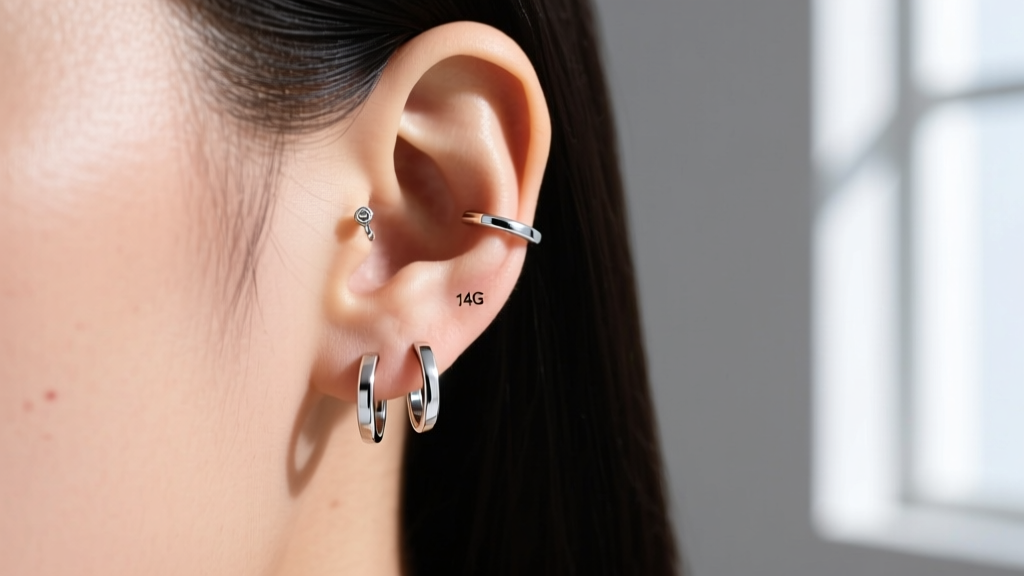
In the specialized field of body modification and curated ear styling, the term 'spacer earrings' encompasses a variety of functional and aesthetic jewelry designed to maintain, stretch, or protect pierced fistulas. Unlike standard decorative studs or hoops, spacers are engineered with specific geometric profiles to interact safely with healing or mature tissue. Understanding the anatomical differences between these forms is the first step in preventing long-term lobe damage.
- Plugs: Solid cylindrical spacers. They are ideal for smaller gauges (14g to 2g) and provide a uniform surface that prevents the accumulation of dead skin cells and sebum inside the fistula.
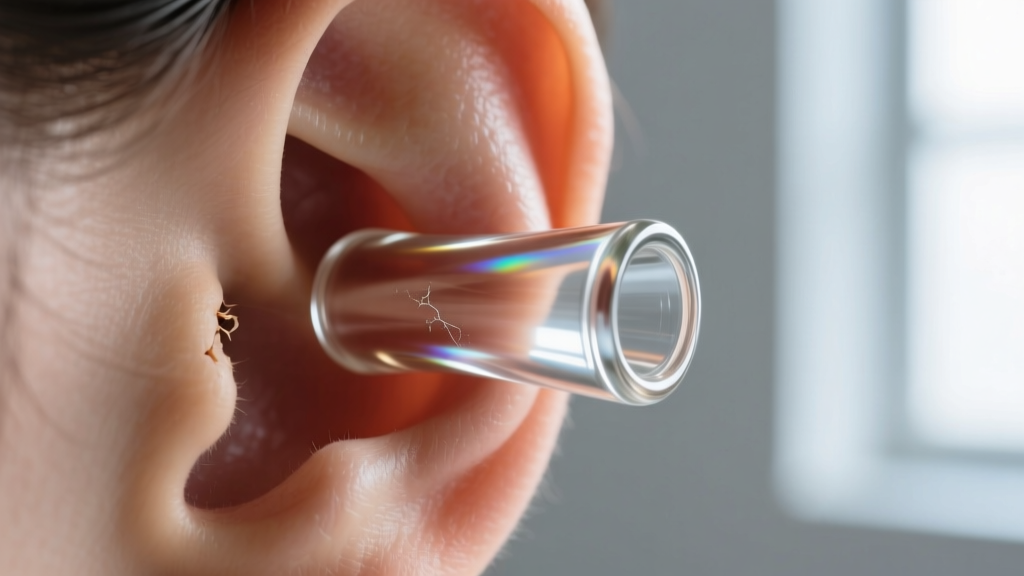
- Tunnels (Eyelets): Hollow spacers that allow the ear to 'breathe.' They are preferred for larger gauges (0g and above) to reduce overall jewelry weight, mitigating the 'cheese-cutter' effect that leads to lobe thinning.
- Retainers: Typically crafted from glass or biocompatible polymers, these are low-profile spacers used to maintain hole patency during surgeries, MRIs, or athletic activities where metal is contraindicated.
Precision Sizing: The Millimeter vs. Gauge Matrix
One of the most critical failure points in ear stretching and maintenance is misunderstanding the non-linear progression of the American Wire Gauge (AWG) system. As the gauge number decreases, the physical diameter increases, but the millimeter jumps between sizes become exponentially larger. Relying solely on gauge numbers without verifying millimeter measurements is a primary cause of tissue tearing.
| Gauge (AWG) | Millimeter (mm) | Stretching Interval (mm) | Tissue Impact Notes |
|---|---|---|---|
| 14g | 1.6mm | N/A (Standard) | Standard lobe piercing size. |
| 12g | 2.0mm | 0.4mm | Minimal tissue stress; rapid healing. |
| 10g | 2.5mm | 0.5mm | Safe jump for most healed lobes. |
| 8g | 3.2mm | 0.7mm | Begin 4-6 week waiting periods between sizes. |
| 6g | 4.0mm | 0.8mm | Collagen remodeling requires 6-8 weeks. |
| 4g | 5.0mm | 1.0mm | Threshold for many; lobe elasticity varies. |
| 2g | 6.0mm | 1.0mm | Approaching the 'point of no return' for closure. |
| 0g | 8.0mm | 2.0mm | MASSIVE jump. Half-sizes (7mm) are mandatory. |
| 00g | 10.0mm | 2.0mm | High risk of thinning; use lightweight tunnels. |
Expert piercers universally recommend abandoning the AWG system once you pass 2g (6mm). Transitioning to pure millimeter measurements and utilizing half-sizes (e.g., 7mm, 9mm) prevents the micro-tears associated with forcing a 2mm jump from 2g to 0g.
Material Science: Biocompatibility and Failure Modes
The fistula is a mucous membrane-lined tube of scar tissue. It is highly reactive to porosity, weight, and chemical leaching. Selecting the correct material for your spacer earrings is not merely an aesthetic choice; it is a biological necessity.
Implant-Grade Titanium (ASTM F136)
For fresh stretches, sensitive lobes, or those prone to contact dermatitis, implant-grade titanium is the undisputed gold standard. Specifically, you must look for ASTM F136 certified Ti-6Al-4V ELI. This alloy contains negligible nickel and features a passive oxide layer that prevents bacterial adhesion. Beware of 'surgical steel' (often 316L), which contains up to 10% nickel and can cause chronic inflammation in stretched tissue.
Borosilicate Glass
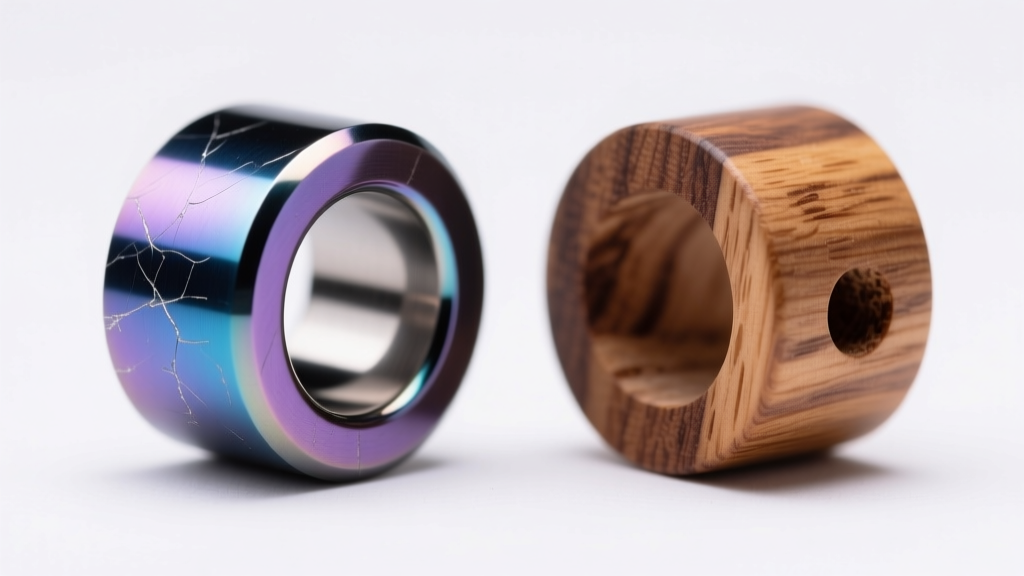
Hardened borosilicate glass is completely non-porous, inert, and can be autoclaved. Its natural density provides gentle, consistent downward pressure, making it an excellent material for gravity-assisted stretching. However, soda-lime glass should be avoided as it is prone to micro-fractures that can harbor anaerobic bacteria.
Silicone: The Porosity Trap
While silicone spacers are popular for their flexibility and comfort during sleep, they are highly problematic for fresh stretches. Silicone is porous and expands slightly at body temperature. This creates an airtight seal against the fistula, trapping moisture and dead skin cells. This anaerobic environment is a breeding ground for bacteria, frequently leading to foul odors and severe localized infections. Silicone should only be worn in fully mature, well-established stretches for short durations.
Organics (Wood, Bone, Horn)
Organic spacers offer beautiful, natural aesthetics but are strictly contraindicated for unhealed tissue. Wood is highly porous and will absorb sebum and moisture, swelling and warping over time. If you wear wooden spacers, they must be sealed with natural oils (like jojoba or vitamin E) and removed during showers to prevent warping and bacterial growth.
The Physics of Stretching: Avoiding the Blowout
A 'blowout' is the most feared complication in ear stretching. It occurs when the jewelry is forced through the fistula faster than the tissue can remodel. The pressure cuts off blood supply to the back of the lobe, causing the scar tissue to necrotize, tear, and invert outward, creating a painful, unsightly ring of flesh behind the ear.
'Tissue elasticity is governed by collagen and elastin networks. You cannot force a biological timeline. If you feel sharp pain, resistance, or see the 'white ring' of ischemia (lack of blood flow), you are actively tearing the fistula.' - Association of Professional Piercers (APP)
The Taping Method vs. Insertion Tapers
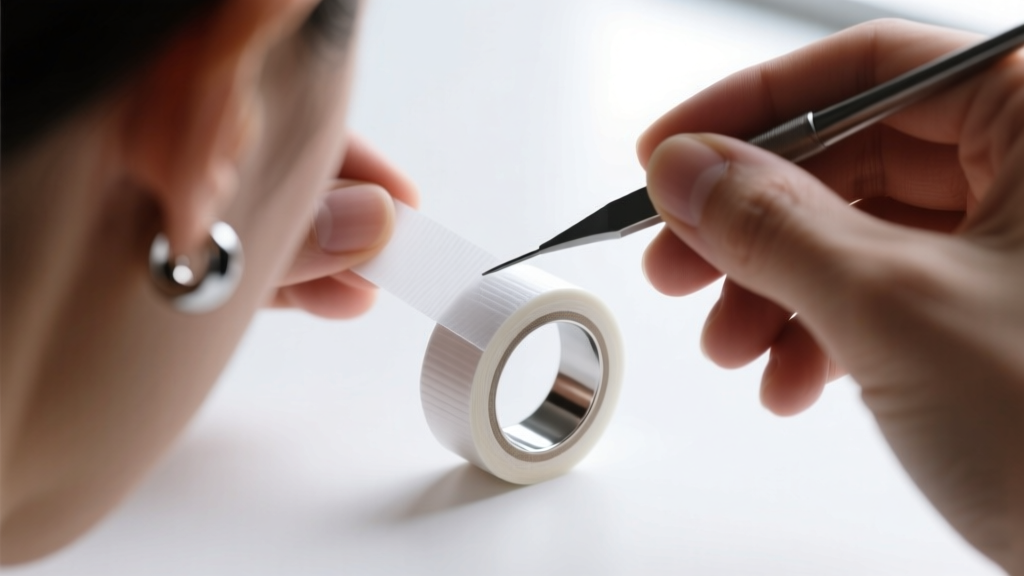
Historically, steel insertion tapers were used to force stretches. Today, experts heavily favor the PTFE (Teflon) taping method. By wrapping a single layer of non-adhesive PTFE plumber's tape around your current spacer, inserting it, and waiting two weeks before adding another layer, you allow the tissue to stretch via continuous, gentle tension rather than acute trauma. This method mimics the biological process of tissue expansion used in reconstructive surgery, drastically reducing the incidence of blowouts and lobe thinning.
Cartilage Spacers: A Different Biological Ballgame
While lobe stretching is common, placing spacers in cartilage piercings (such as the helix, conch, or tragus) requires extreme caution. Cartilage is avascular, meaning it lacks a direct blood supply and relies on the perichondrium (the surrounding membrane) for nutrients.
Using heavy spacer earrings in cartilage can compress the perichondrium, leading to ischemia and perichondritis—a severe infection that can cause permanent cartilage necrosis and cauliflower ear deformity. If you must use a spacer in a cartilage piercing (e.g., a glass retainer for an MRI), ensure it is lightweight, perfectly flush with the skin to avoid pressure necrosis, and strictly follow sterile aftercare protocols.
Maintenance and Lobe Rehabilitation
Even with perfect technique, long-term wear of heavy spacer earrings can lead to lobe thinning. To rehabilitate thinning lobes, practitioners recommend 'lobe massages' using unrefined jojoba oil or emu oil to increase local blood flow and promote collagen synthesis. Furthermore, taking 'jewelry breaks' by downsizing to a smaller, lightweight glass retainer for a few weeks allows the elastin fibers to contract and the lobe base to thicken.
Ultimately, treating spacer earrings as precision medical devices rather than mere accessories is the key to achieving healthy, lifelong ear modifications. Prioritize ASTM-certified materials, respect the millimeter sizing matrix, and listen to the biological feedback your tissue provides.