How to Fix Drooping Spade Earrings: Snags, Weight & Posts
Struggling with heavy spade earrings that droop, bend, or snag your hair? Discover expert troubleshooting fixes for posts, backs, and lobe support.

The Physics of the Spade Motif: Why They Droop and Bend
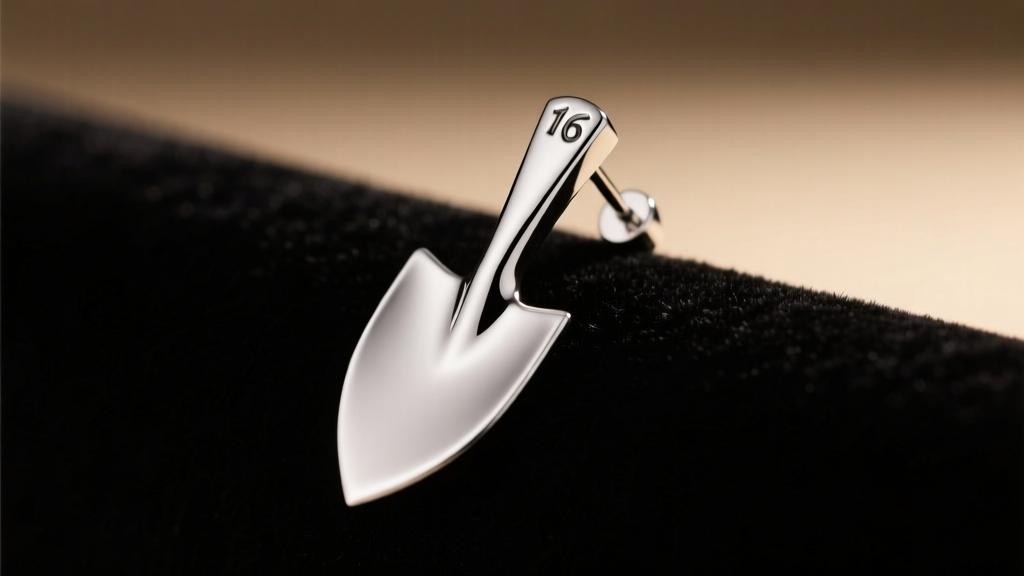
Spade earrings offer a striking, geometric silhouette that blends vintage playing-card motifs with modern architectural jewelry trends. However, the distinct anatomy of a spade—an inverted heart with a flared top and a sharp, elongated bottom point—creates unique structural challenges. Unlike simple circular hoops or evenly weighted studs, the spade shape is inherently bottom-heavy. When the center of mass sits far below the piercing hole, the earring acts like a pendulum, constantly pulling forward and causing the dreaded "droop" that plagues statement earring wearers.
Beyond aesthetics, this uneven weight distribution places immense sheer stress on the earring post. If you are wearing solid 925 sterling silver spade earrings that exceed 15mm in height, the leverage generated by the pointed tip can easily bend standard posts, stretch your earlobes, and cause chronic discomfort. Troubleshooting these issues requires a deep understanding of jewelry findings, metal gauges, and weight distribution.
Troubleshooting Post Bending and Lobe Sagging
The most common failure point for heavy spade earrings is the post itself. Many mass-market jewelry brands use 20-gauge (0.81mm) or even 22-gauge (0.64mm) wire for their posts to save on precious metal costs. While fine for lightweight beads, a 20-gauge sterling silver post will permanently bend under the torque of a 6-gram solid brass or silver spade motif. To solve this, you must match the post gauge to the earring's total weight.
| Post Gauge | Thickness (mm) | Max Safe Weight | Best For |
|---|---|---|---|
| 22-Gauge | 0.64mm | 1.5 - 2 grams | Lightweight hollow spades, foil-thin stamped metals |
| 20-Gauge | 0.81mm | 2.5 - 4 grams | Standard solid silver spades under 15mm in height |
| 18-Gauge | 1.02mm | 5 - 7 grams | Heavy solid brass or thick sterling silver statement pieces |
| 16-Gauge | 1.29mm | 8 - 12+ grams | Oversized solid metal spades, gemstone-inlaid designs |
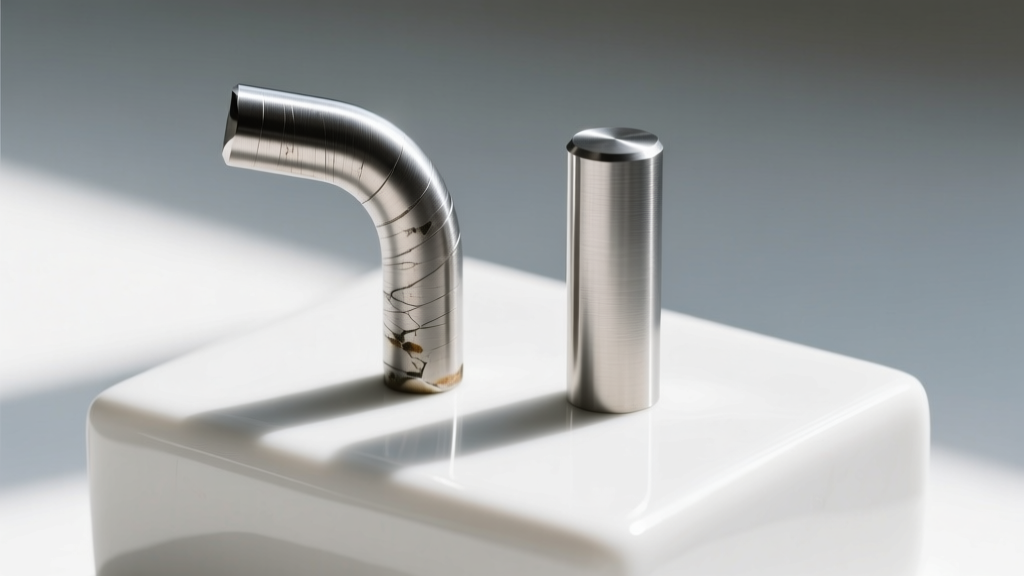
If your spade earrings are already bending, do not attempt to repeatedly bend the post back into shape. According to metallurgical principles outlined by jewelry supply experts at Rio Grande, repeatedly bending sterling silver or brass causes work-hardening, which eventually leads to metal fatigue and a snapped post. Instead, take the earrings to a local jeweler to have the posts replaced with 18-gauge or 16-gauge titanium or stainless steel wire, which offers vastly superior tensile strength without adding significant weight.
Solving the Snag Factor: Sharp Corners and Hair Catching
The defining feature of the spade shape—the sharp bottom point and the inward-sweeping curves near the top—are notorious for catching on hair, sweaters, and scarves. This isn't just annoying; a sudden snag on a heavy spade earring can result in a torn earlobe.
How to Safely De-Sharp Your Spades
If your spade earrings feature razor-sharp edges straight from the manufacturer, you can safely soften them at home using basic lapidary and jewelry finishing tools. Note: Only attempt this on solid metals (solid sterling silver, solid brass, solid gold). Do not file gold vermeil or rhodium-plated brass, as you will strip the plating and expose the reactive base metal underneath.
- Step 1: The Jeweler's File. Use a fine-cut needle file (cut #4 or #6) to gently round the extreme bottom point of the spade. You only need to remove a fraction of a millimeter to eliminate the "needle" effect.
- Step 2: Wet Sanding. Wrap a small piece of 600-grit wet/dry sandpaper around a wooden toothpick. Lightly sand the inward curves of the spade to remove any microscopic burrs left by the casting or stamping process.
- Step 3: Polishing. Finish the filed areas with a 1200-grit sanding sponge, followed by a buffing cloth treated with jeweler's rouge to restore the high-shine mirror finish.
Expert Tip: When shopping for new spade earrings, look for "chamfered" or "beveled" edges in the product macro-photography. High-end jewelers will naturally ease the edges of geometric shapes during the finishing process to prevent snagging, a detail often skipped in fast-fashion jewelry.
Earring Back Hacks for Top-Heavy Spade Designs
Even with a thick 16-gauge post, a heavy spade earring will droop forward if the earring back cannot provide adequate counter-pressure against the rear of the earlobe. Standard butterfly friction backs concentrate all the pressure onto a tiny 2mm pinhead, which inevitably slices into the back of your ear and allows the heavy spade to tilt forward.
To achieve a flush, upright fit, you must increase the surface area of the earring back. Here are the most effective troubleshooting solutions for heavy motifs:
- Silicone Ear Lifters (Putty Backs): Products like BlingDots or generic silicone earlobe support patches adhere directly to the back of your earlobe. The earring post pushes through the silicone, distributing the weight of the spade across a 15mm wide area. This completely eliminates lobe sagging and keeps the spade pointing straight down.
- Jumbo Silicone Friction Clutches: If you prefer traditional backs, upgrade to "Monster Backs" or jumbo silicone clutches. These feature a wide, flat disc (often 8mm to 10mm in diameter) that rests flat against the ear, providing a stable shelf that prevents the heavy spade from rotating forward.
- Omega Clips and Leverbacks: If you are designing or commissioning custom spade earrings, bypass the push-post entirely. Soldering an Omega clip or a locking leverback wire provides a hinged, adjustable tension fit that grips the entire thickness of the earlobe, offering the best mechanical support for weights exceeding 10 grams.
Material Considerations: Solid vs. Hollow Spades
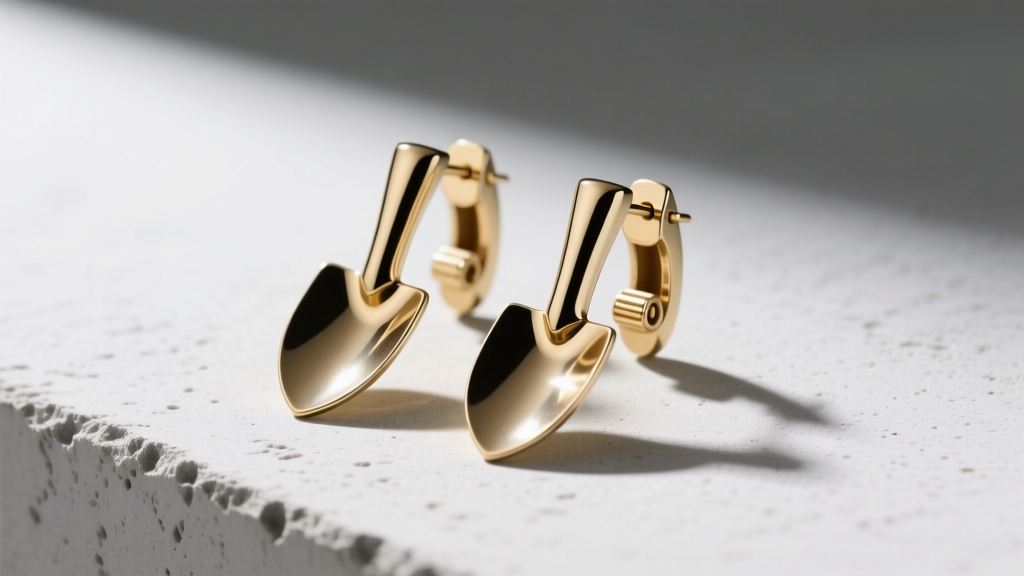
When troubleshooting weight issues, the base material of your spade earrings is the ultimate deciding factor. The Gemological Institute of America (GIA) and metallurgical standards dictate that precious metals are incredibly dense. A solid cast 925 sterling silver spade earring measuring 30mm x 20mm can easily weigh upwards of 12 grams per earring. Wearing 24 grams of total ear weight will stretch piercings over time, leading to permanent gauge enlargement.
If you love the spade aesthetic but suffer from sensitive or easily stretched lobes, seek out alternative manufacturing methods:
- Stamped and Dapped Brass: Brass sheet metal is stamped and domed (dapped) to create a 3D hollow spade. This retains the visual volume and light-reflecting properties of a solid piece but reduces the weight by up to 80%.
- Enamel over Copper: Cloisonné or champlevé enamel techniques use a thin copper backing. Copper is lighter than silver, and the glass enamel adds vibrant color without the massive density of solid gemstones.
- Titanium Alloys: For solid, heavy-looking architectural spades, Grade 5 Titanium offers the strength of steel at roughly 45% less weight. It is also hypoallergenic, making it the ultimate troubleshooting material for heavy earrings that cause contact dermatitis.
Final Verdict on Spade Maintenance
Spade earrings require a proactive approach to wearability. By auditing your post gauges, softening sharp geometric burrs, and upgrading to wide-surface silicone backings, you can transform an unwearable, heavy statement piece into a comfortable, everyday staple. Always prioritize structural integrity over sheer size, and remember that a well-supported 10-gram earring will always look more elegant than a drooping, poorly balanced 20-gram paperweight.