Spinel Earrings: The Beginner's Guide to Buying and Styling
Explore our beginner's guide to spinel earrings. Learn about natural vs lab options, Mohs hardness, pricing, and the best settings for sensitive ears.

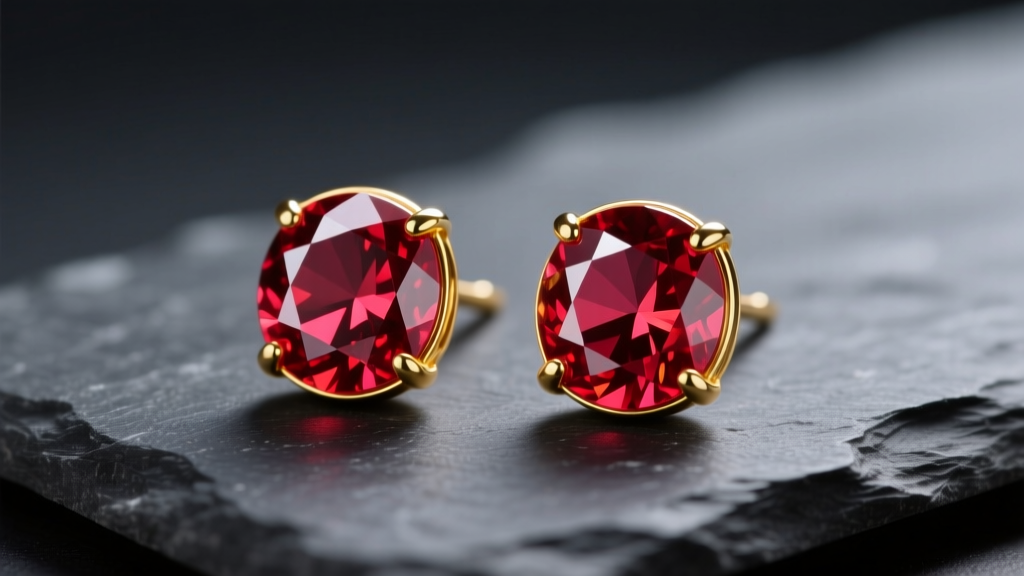
For centuries, spinel was the gemstone world's greatest undercover agent. In fact, the famous 'Black Prince's Ruby' set in the British Imperial State Crown is actually a massive red spinel. Today, as collectors and jewelry enthusiasts look beyond the traditional 'Big Three' (rubies, sapphires, and emeralds), spinel earrings have emerged as a brilliant, durable, and often more affordable alternative for everyday fine jewelry. Whether you are eyeing a pair of vivid pink huggies or deep red drop earrings, understanding this gemstone is crucial before you buy.
In this comprehensive guide, we will break down the gemological properties of spinel, compare natural versus lab-created options, and provide actionable advice on selecting the right metal settings for sensitive earlobes and cartilage piercings.
What Exactly is Spinel? The Gemological Breakdown
Spinel is a magnesium aluminum oxide mineral (MgAl2O4) that forms in the isometric crystal system. For beginners, the most important takeaway is its optical behavior: spinel is single refractive. This means light enters the stone and bends only once, a rare trait shared only with diamonds and garnets among major gemstones. This property gives high-quality spinel earrings an exceptional, glass-like brilliance that rivals even the finest rubies.
Unlike many colored gems that require heat treatment or fracture filling to look presentable, natural spinel is almost entirely unheated and untreated. According to the Gemological Institute of America (GIA), the colors in spinel are caused by trace elements: chromium produces reds and pinks, while iron and cobalt create blues and purples. When you buy natural spinel earrings, you are almost always buying a 100% natural, untreated stone straight from the earth.
Natural vs. Lab-Created Spinel: What Are You Buying?
If you are shopping for spinel earrings on a budget, you will inevitably encounter lab-created options. Synthetic spinel has been manufactured since the early 20th century and is a staple in birthstone jewelry and class rings. However, there is a massive difference in value, rarity, and optical quality between natural and synthetic stones.
| Feature | Natural Spinel | Lab-Created (Verneuil) | Lab-Created (Flux) |
|---|---|---|---|
| Growth Method | Earth-mined (metamorphic) | Flame fusion (rapid) | Flux growth (slow) |
| Inclusions | Crystals, fingerprints, octahedra | Curved striae, gas bubbles | Platinum platelets, flux veils |
| Color Range | Red, pink, blue, purple, grey | Mostly bright blue, pink, red | Highly saturated reds and blues |
| Price per Carat | $200 to $10,000+ | $5 to $20 | $50 to $150 |
| Best For | Fine jewelry, investment, heirlooms | Fashion jewelry, kids' earrings | High-end custom synthetics |
Beginner Tip: If a pair of 'ruby' or 'spinel' earrings features flawless, neon-bright stones set in sterling silver for under $100, you are looking at Verneuil synthetic spinel. Always ask the jeweler for a lab report (like AGL, GIA, or SSEF) when purchasing natural spinel earrings over $500.
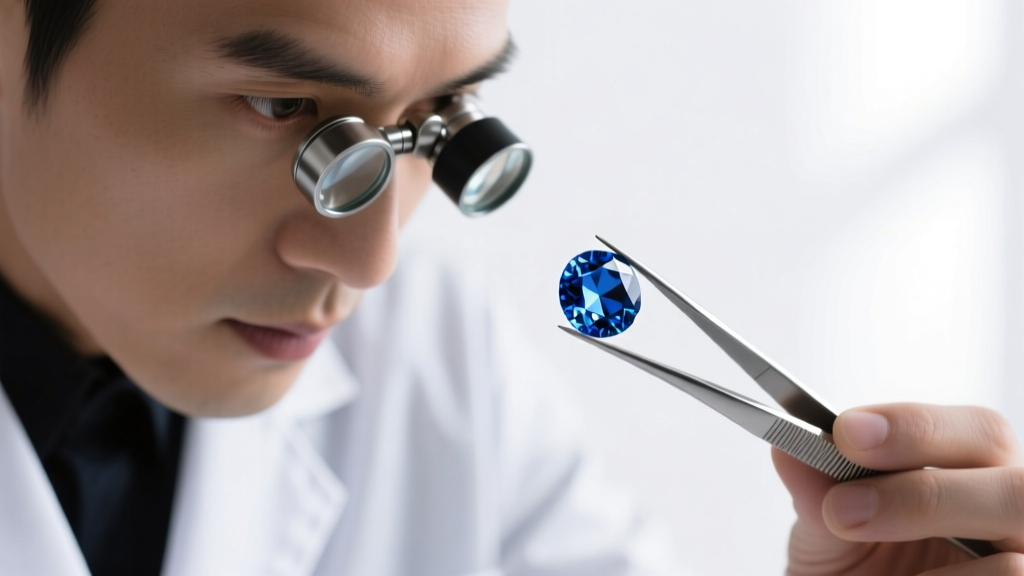
Durability: Are Spinel Earrings Good for Everyday Wear?
When selecting gemstones for daily wear, durability is paramount. Spinel ranks exactly 8 on the Mohs hardness scale. To put this in perspective, it is harder than quartz (7) and topaz (8), but softer than sapphire (9) and diamond (10). This means your spinel earrings will easily resist scratches from everyday dust and accidental bumps against glass or metal surfaces.
Furthermore, spinel possesses no cleavage. In gemology, cleavage refers to the tendency of a crystal to split along specific structural planes (like a diamond or topaz). Because spinel lacks cleavage and instead exhibits a conchoidal fracture, it is incredibly tough. It will not easily chip or crack if a dangle earring swings and strikes a hard surface, making it an exceptionally safe choice for active lifestyles, hoop earrings, and cartilage huggies.
The 2026 Market: Pricing and Premium Color Varieties
The market for natural spinel has shifted dramatically over the last decade. As detailed by the International Gem Society (IGS), certain localities and color saturations now command premium prices that rival fine sapphires. If you are investing in natural spinel earrings, here are the top-tier varieties to look for:
- 'Jedi' Spinel (Myanmar): Named for their glowing, neon-red fluorescence (caused by high chromium and low iron content), these stones lack the dark, sleepy extinction seen in many rubies. Expect to pay $1,500 to $5,000+ per carat for clean, well-cut stones.
- Mahenge Spinel (Tanzania): Famous for vivid, bubblegum pinks and soft peachy hues. Mahenge spinel earrings are highly sought after for their romantic, pastel tones. Pricing generally ranges from $400 to $1,200 per carat.
- Cobalt Blue Spinel (Vietnam/Sri Lanka): True cobalt-blue spinel is exceptionally rare and mimics the finest Kashmir sapphires. Prices frequently exceed $3,000 per carat for top color saturation.
For beginners looking for beautiful but affordable natural options, look for 'grey spinel' or 'lavender spinel' from Sri Lanka and Madagascar. These offer a sophisticated, moody aesthetic for stud earrings at a fraction of the cost, often under $150 per carat.

How to Verify Your Spinel Earrings at Home
While definitive testing requires a gemologist, there are two beginner-friendly ways to gather clues about your spinel earrings:
- UV Flashlight Test: Red and pink spinels colored by chromium will exhibit a strong, glowing red fluorescence under long-wave UV light. If your 'red spinel' earrings look dead or dark under a UV blacklight, they may be synthetic, heavily iron-laden, or an entirely different gemstone like garnet (which is inert).
- The Polarization Check: Because spinel is single refractive, it will remain completely dark when rotated between two crossed polarizing filters (you can achieve a similar effect by looking through two overlapping polarized sunglass lenses rotated 90 degrees). If the stone blinks light and dark as you rotate it, it is likely a double-refractive imitator like synthetic ruby or tourmaline.
Best Settings and Metals for Sensitive Piercings
Spinel itself is completely hypoallergenic and inert. However, the metal holding the gemstone against your earlobe or cartilage is usually the culprit for contact dermatitis. If you have sensitive piercings, the setting of your spinel earrings is just as important as the stone.
Recommended Metals for Fresh or Sensitive Piercings:
- Implant-Grade Titanium (ASTM F136): The absolute gold standard for cartilage piercings and fresh lobes. It contains zero nickel and is highly biocompatible.
- Niobium: Another highly reactive, hypoallergenic metal often used for seamless hoops and huggies featuring small spinel accents.
- 14k or 18k Solid Gold: Ensure it is nickel-free (white gold often contains nickel; opt for yellow, rose, or palladium-white gold).
Setting Advice: For spinel drop earrings or dangles that catch on hair and clothing, always opt for bezel settings or v-prongs. While prong settings allow more light to enter the single-refractive stone, a bezel will protect the girdle (the widest edge) of the spinel from chipping during accidental snags.
Care and Maintenance
Because spinel lacks cleavage and is relatively hard, caring for your earrings is straightforward. You can safely clean them using an ultrasonic jewelry cleaner, provided the stones are natural and free of significant liquid inclusions. However, the safest and most effective method is a simple soak in warm water with a few drops of mild, phosphate-free dish soap, followed by a gentle scrub with a soft-bristled baby toothbrush. Avoid harsh chemicals, steam cleaners, and extreme thermal shock, and your spinel earrings will maintain their brilliant fire for generations.


