How to Choose and Organize the Perfect Spinning Earring Holder
Learn how to choose, balance, and organize a spinning earring holder. Expert tips on materials, weight distribution, and tarnish prevention.

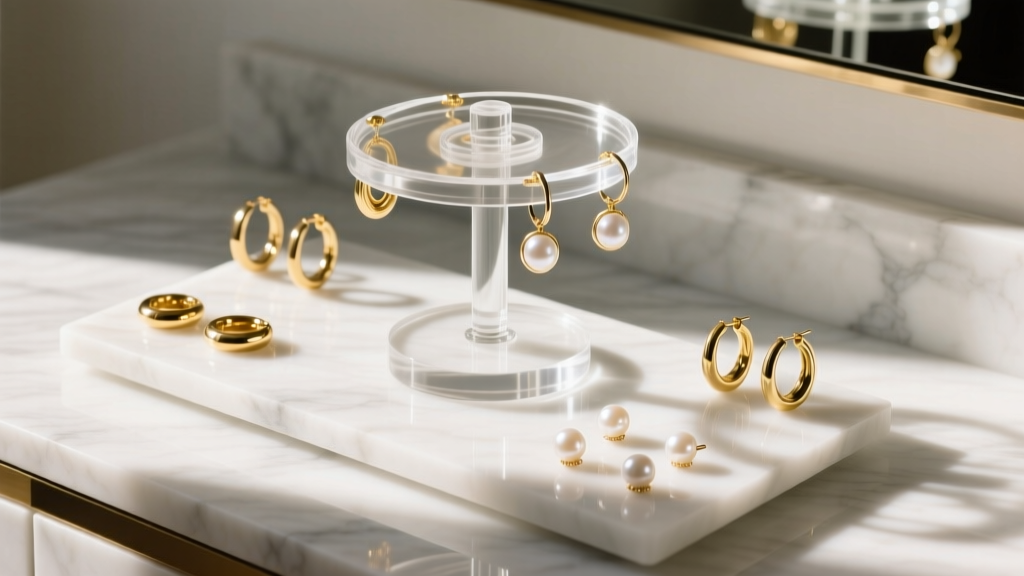
For jewelry enthusiasts, the transition from a cluttered drawer to a curated display is a revelation. A spinning earring holder is not just a decorative vanity piece; it is a functional storage system that prevents chain tangling, minimizes metal-on-metal scratching, and keeps your collection accessible. However, not all carousels are created equal. From the physics of weight distribution to the material science of tarnish prevention, selecting and organizing the right spinner requires a strategic approach.
Why a Spinning Earring Holder is a Game-Changer for Jewelry Care
Traditional flat jewelry boxes often force you to stack pieces, leading to tangled drop earrings and crushed ear cuffs. A vertical, rotating display utilizes 360-degree accessibility. According to the Gemological Institute of America (GIA), proper jewelry storage is critical for preventing micro-scratches on softer metals like high-karat gold and sterling silver. By suspending earrings vertically on a spinning holder, you eliminate the friction that occurs when pieces slide against each other in a drawer.
Furthermore, a rotating carousel allows for immediate visual inventory. When you are matching metals to your outfit, being able to spin through your collection saves time and reduces the handling of delicate components, such as the fragile clasps on vintage dangle earrings or the tension hinges on huggies.
Material Breakdown: Acrylic vs. Wood vs. Metal Carousels
The structural integrity and aesthetic of your spinning earring holder depend heavily on its base material. Cheap polystyrene plastics will yellow and crack over time, while premium materials offer longevity. Below is a comparative framework to help you choose the right material for your specific collection.
| Material | Best For | Pros | Cons | Price Range |
|---|---|---|---|---|
| Cast Acrylic (PMMA) | Diamond studs, delicate chains | Crystal clear, shatter-resistant, easy to clean | Shows fingerprints, can scratch if abrasive cleaners are used | $25 - $60 |
| Solid Bamboo | Heavy brass hoops, bohemian styles | Eco-friendly, naturally weighted base, warm aesthetic | Can warp in high humidity, holes may splinter if forced | $20 - $45 |
| Powder-Coated Steel | Statement pieces, large collections | Extremely durable, rust-resistant, slim profile | Hard metal can scratch earring posts if not careful | $35 - $85 |
Step-by-Step Guide to Organizing Your Spinning Earring Holder
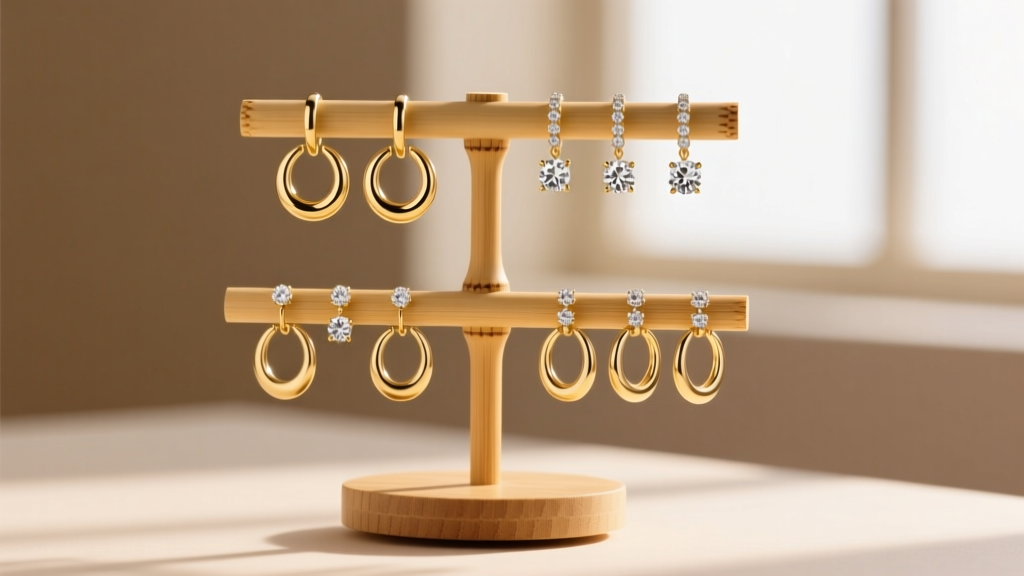
Randomly placing earrings on a carousel leads to visual clutter and structural imbalance. To maximize both aesthetics and functionality, organize your holder using a tiered zoning system based on earring weight and silhouette.
Zone 1: The Top Tier (Studs, Huggies, and Ear Cuffs)
The top tier of a spinning earring holder typically features the smallest grid of holes. This is the designated zone for lightweight, compact pieces. Standard acrylic and wooden holders feature 1.5mm drilled holes, which perfectly accommodate 20-gauge (0.81mm) and 18-gauge (1.02mm) earring posts. If you wear 16-gauge (1.29mm) cartilage hoops, ensure your holder has wider spacing to prevent bending the posts during insertion. Place your diamond studs, pearl push-ins, and hinged huggies here for easy daily access.
Zone 2: The Middle Tier (Hoops and Drop Earrings)
The middle section is the workhorse of your carousel. This tier should house your medium-weight hoops (ranging from 15mm to 40mm in diameter) and standard drop earrings. When hanging hoop earrings, always fasten the clasp or hinge so the hoop forms a complete circle; this prevents the earring from slipping off the peg when the carousel is spun quickly.
Zone 3: The Bottom Tier (Statement Dangles and Chandeliers)
The bottom tier must accommodate the longest and heaviest pieces. Chandelier earrings and long chain dangles require ample vertical clearance to hang freely without catching on the tier below. Always hang these pieces on the outermost edges of the bottom tier to maximize the swinging radius and prevent the chains from wrapping around the central pole.
Weight Distribution and Preventing Carousel Tipping
The most common failure mode of a spinning earring holder is tipping. When a collector loads one side of the carousel with heavy gemstone drops or solid brass geometric shapes, the center of gravity shifts, causing the spinner to lean or topple.
Expert Rule of Thumb: For every 12 inches of vertical height, your spinning holder requires a minimum base weight of 1.2 pounds to safely support up to 40 pairs of mixed-weight earrings without tipping.
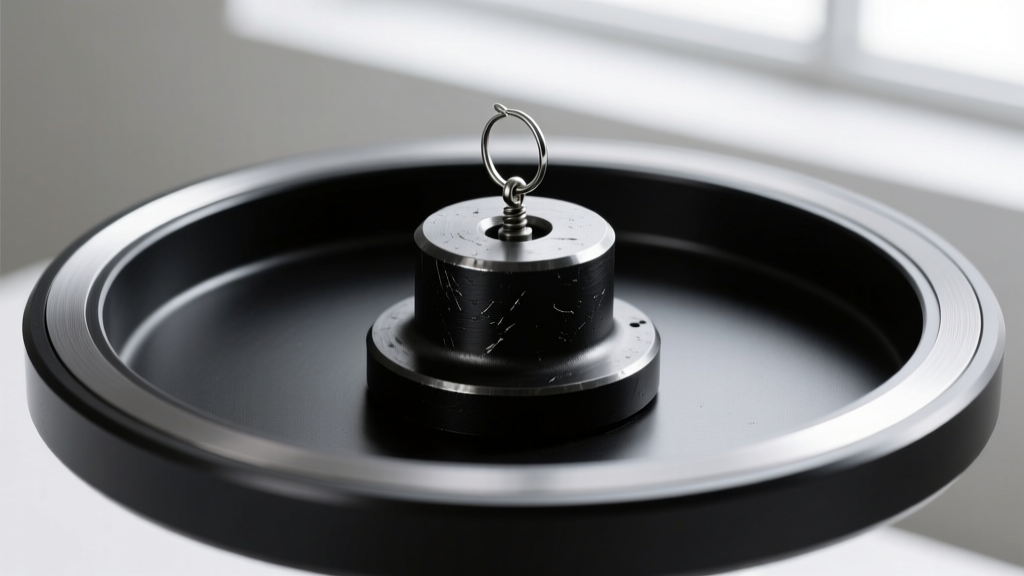
To balance your holder, practice diagonal symmetry. If you hang a heavy 45-gram statement earring on the front-left of the middle tier, place an equally heavy piece on the back-right of the same tier. Additionally, check the rotational mechanism. High-end spinners use a steel ball-bearing Lazy Susan mechanism at the base, which allows for smooth, silent rotation even under heavy loads. Cheap models use a simple plastic rivet that will grind, warp, and eventually snap under asymmetrical weight.
Tarnish Mitigation in Open-Air Storage
While a spinning earring holder offers unparalleled visibility, open-air storage exposes sterling silver and copper alloys to airborne sulfur and humidity, accelerating the formation of silver sulfide (tarnish). The Jewelers of America recommends controlling the immediate micro-environment of your jewelry to slow this chemical reaction.
Because you cannot seal a spinning carousel, you must employ passive anti-tarnish technology. Place two or three 3M anti-tarnish strips (which absorb sulfur gases) discreetly at the very base of the holder, tucked under the bottom tier or inside a hollow weighted base if the design allows. Replace these strips every six months. Furthermore, keep your spinner out of direct sunlight and away from the high humidity of bathrooms to protect both the metals and any porous gemstones like turquoise or opals.
DIY vs. Store-Bought: Which is Right for You?
If you have a highly specialized collection—such as exclusively long, avant-garde ear chains that require 20 inches of vertical clearance—a store-bought spinner might not suffice. Building a custom spinning earring holder is a straightforward weekend project. You will need a 1-inch wooden dowel, a heavy oak base, and a 4-inch steel Lazy Susan bearing plate from a hardware store. By drilling precise 1.5mm holes at custom intervals, you can accommodate non-standard gauge sizes and oversized ear cuffs that commercial models ignore.
However, for 90% of collectors, a premium store-bought cast acrylic or powder-coated steel model offers the best balance of aesthetic refinement, structural stability, and immediate utility. By applying the zoning and weight-distribution strategies outlined above, your spinning earring holder will transition from a simple storage accessory into a cornerstone of your daily jewelry care routine.


